Why carton planning matters more than most tote buyers expect
For custom canvas grocery totes, buyers often spend most of their time on artwork, handle length, and fabric feel, then leave carton planning to the factory. That usually produces a usable shipment, but not always an efficient one. For coffee roasters, the tote may be part of a seasonal retail launch, café merchandise wall, wholesale account bundle, or subscription promotion. In those programs, the carton spec affects inbound receiving time, freight cost per unit, damage rates, and how quickly stores can replenish stock.
Carton planning is not only a logistics detail. It changes how many bags fit per shipment, whether prints arrive marked or wrinkled, whether warehouse staff can safely handle cartons, and whether your landed-cost model stays accurate. A factory may compress more bags into fewer cartons to lower cubic volume, but over-compression can flatten gussets, stress handle stitches, and leave heavy fold lines on front panels. A buyer guide should therefore tie bag specification to packing method from the start, not after price approval.
- Freight impact: more pieces per carton can reduce cube but increase damage risk
- Warehouse impact: oversized cartons slow receiving and increase labor complaints
- Retail impact: wrinkled or offset prints reduce shelf presentation quality
- Costing impact: incomplete carton data makes supplier quotes hard to compare
Set the tote specification first, because carton count depends on bag build
A grocery tote for coffee roasters usually needs enough body to carry coffee bags, a mug, small merchandise items, or food products without feeling flimsy. In most cases, 10 oz to 12 oz canvas, roughly 280-340 GSM, is the practical range. This gives better structure than light promo cotton while still folding flat enough for efficient export packing. At 14 oz and above, the bag can look premium, but carton count falls quickly and gross weight rises. That can erase the margin gained from selling a higher-value tote.
Dimensions matter just as much as GSM. A common useful format is around 35-40 cm wide, 35-38 cm high, with a 12-15 cm gusset. That works well for bagged coffee, apparel, bakery items, or event merchandise. Deep gussets are attractive for grocery use, but they consume carton volume fast. If buyers do not specify dimensions tightly, factories may quote a price using a smaller bag than the brand expects, then revise both unit cost and carton count after sampling.
- Recommended starting spec for RFQ: 10-12 oz canvas, 38 x 35 x 12 cm, self-fabric handles
- Premium merchandising tote: consider 12 oz with inside overlock or bound seam finish
- Budget retail giveaway: 8-10 oz possible, but test carry feel and panel show-through
- Tolerance example to include: width and height ±1 cm, gusset ±0.5 cm, handle length ±1 cm
Choose print and finishing with packing pressure in mind
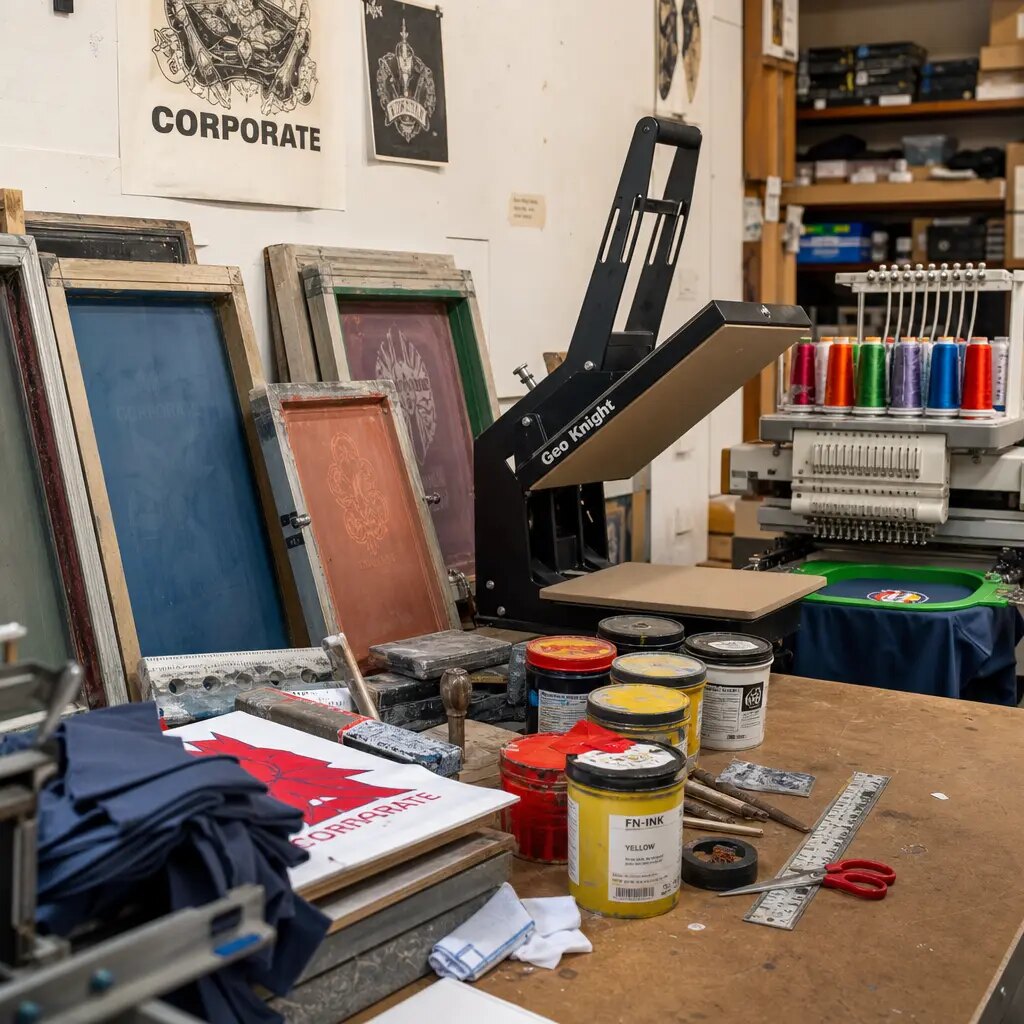
Many coffee roasters use simple logos, one-color brand marks, café illustrations, or event graphics. For this type of artwork, screen printing is usually the best value and the easiest to scale. It handles cotton canvas well, provides predictable pricing at volume, and generally packs better than some transfer methods. If your logo has large solid dark coverage, especially black or deep brown, curing quality matters because under-cured prints can transfer or block when folded tightly into polybags and stacked in export cartons.
Heat transfer or digital methods can work for photographic or highly detailed art, but they create different packing risks. Transfers can stick slightly under heat and pressure if packed too early, and large transfer panels may add stiffness that causes visible crease lines. If your retail program depends on a clean front panel presentation, make the factory show how the printed bag will be folded and how many hours of curing are allowed before packing. This is a production detail with visible commercial consequences.
- Screen print: best for 1-2 color logos and bulk grocery tote programs
- Water-based inks can look softer but require proper curing discipline
- Large dark solids need rub and offset review after packed-sample testing
- Request a folded packed sample, not only a flat print strike-off
How MOQ logic changes when you split colors, stores, or packing methods
MOQ for canvas grocery totes is rarely just one number. The base MOQ may be workable for a single colorway and a standard pack, but the effective MOQ rises when buyers add multiple print colors, mixed store labels, barcode stickers, or split carton allocations. A coffee roaster with a flagship retail line may want natural canvas for café sales, black canvas for online gift sets, and a holiday print for seasonal events. If those are treated as separate SKUs, the production run and packing process become more fragmented, even if total volume is acceptable.
The result is that carton planning and MOQ are linked. A factory may accept a low total order quantity but only if all bags use the same fold, same shipping mark, and same carton assortment. Once buyer requirements include retailer-specific labels or split packs, labor cost per unit increases. Good quote comparison means separating bag cost from pack-out cost instead of assuming MOQ alone explains the total.
- Low MOQ often works for plain natural canvas with single-color print
- MOQ tends to rise for dyed canvas, inside pockets, or multiple art variants
- Carton assortments by store or region add labor and potential counting errors
- Request quote lines for: bag cost, print cost, and packing/labeling surcharge
Plan master carton dimensions around handling limits, not only cube efficiency
Factories often optimize for container loading, but importers also need cartons that move safely through unloading, domestic forwarding, and warehouse put-away. For canvas grocery totes, a target gross carton weight of about 12-16 kg is usually more practical than pushing toward 18-22 kg. Totes are soft goods, so factories may compress a high piece count into a larger carton. The carton then looks acceptable at loading but becomes unstable after stacking, restacking, or exposure to humidity during sea transit.
The best carton is not always the smallest carton. Buyers should balance piece count, carton dimensions, and board strength. A 5-ply export carton is common, but if the shipment goes LCL, passes through multiple terminals, or enters a distributor network that palletizes and depalletizes repeatedly, stronger carton board may be justified. A packed-carton sample with actual weight and dimensions gives better freight planning than any spreadsheet estimate.
- Typical piece count range: 50-100 pcs per carton depending on GSM and gusset
- Use gross weight cap in PO to avoid over-packed cartons
- Request actual packed dimensions from sample stage before booking freight
- If shipping LCL, carton strength matters more because handling is rougher
Use inner packing rules to protect print, speed receiving, and reduce recounts
Inner packing is where many buyers lose operational efficiency. Bulk loose packing inside the master carton can save a small amount of poly and labor, but it slows receiving and creates more recount disputes. For distributors and retail buyers, inner bundles of 10 or 20 pieces usually make inventory counting easier. If stores receive cartons directly, smaller inner packs may be worth the added labor because stock can be allocated without opening and recounting a whole carton.
Print-facing orientation should also be specified. For bags with bold front logos, having the print face inward when folded can reduce surface rubbing. Some buyers use tissue interleaves for dark or freshly printed panels, but this adds handling cost and waste. The right answer depends on artwork coverage, shipping climate, and how polished the final presentation needs to be. Coffee roasters selling premium merchandise should test whether a slightly higher pack cost prevents visible retail defects.
- Common inner pack choices: 5, 10, or 20 pcs per polybag
- For distributor orders, 20 pcs often balances labor and counting speed
- For direct-to-store split shipments, 5 or 10 pcs may be easier to allocate
- If logo offset is a risk, specify fold direction and print protection method
Sample approval should include a packed-carton sample, not just the tote itself
A pre-production sample that looks good on a table is only half the approval process. The same tote can behave differently after printing, curing, folding, bundling, and stacking in a master carton. Buyers who approve only the bag frequently miss issues such as crease placement across the logo, handle distortion from compression, carton bulging, or incorrect quantity fit. A packed-carton sample gives visibility into the real production outcome.
At minimum, the sample path should include a blank construction sample if dimensions are new, a print strike-off or artwork approval, a full pre-production sample, and one packed-carton sample showing inner pack quantity, fold method, and outer carton markings. If the order is large or the tote will be sold as branded merchandise, it is worth getting carton photos from all six sides plus an opened-carton view. This makes later discrepancy claims easier to resolve.
- Sample stages to request: construction sample, print strike-off, PPS, packed-carton sample
- Approve fold line position relative to main front artwork
- Review whether handles are tucked consistently to avoid seam stress
- Ask for carton photos with tape sealing, shipping marks, and gross weight label
QC thresholds that matter for reusable grocery totes
For a reusable grocery tote, quality control should focus on structure, print durability, and packing accuracy. Cosmetic perfection on every square centimeter of canvas is unrealistic because canvas is a woven material with natural variation, but the buyer should still define what counts as acceptable. The most important failure points are usually handle attachment strength, seam consistency, major print defects, and incorrect carton counts. These are the issues that trigger returns, complaints, and shortage claims.
A practical QC plan includes in-line checks for stitching and print curing, then final random inspection on packed goods. Tolerances should be written in the PO or approved spec sheet. If you do not define them, factories will rely on internal standards that may not match your market. Coffee roasters selling bags at premium retail pricing should not use the same acceptance logic as a low-cost event giveaway.
- Stitching: no skipped stitches at handle joins, side seams, or bottom seams
- Handle reinforcement should be symmetrical and securely back-tacked
- Print defects: no severe color shift, smudging, offset, or obvious cracking
- Packing defects: carton quantity must match labeling and packing list
- Carton condition: no severe bulging, crushed corners, or burst tape seams
Lead time risk usually comes from artwork, fabric readiness, and pack-out complexity
Procurement teams often treat tote lead time as a simple cut-sew-print schedule, but real delays usually happen earlier or later than sewing. Dyed canvas requires fabric readiness and color approval. Printed bags require artwork separation and strike-off confirmation. Store-specific labels or barcode applications can delay final packing even when bags themselves are complete. If a coffee roaster is timing a launch around holiday coffee gift sets or café promotions, those final packing days matter just as much as sewing capacity.
A realistic lead time should separate sample approval time from bulk production time and from final packing time. Repeat orders on a stable fabric and repeating print can move faster, but first orders need more schedule buffer. For example, a factory may quote 30-40 days bulk lead time after approval for a standard screen-printed tote, yet the total calendar time becomes longer once artwork finalization, sample transit, and booking are included.
- Fabric dyeing or special color matching adds time beyond cut-and-sew
- Large dark logo prints may require strike-off approval before bulk printing
- Custom barcode labels and split-store pack-out slow final carton closing
- LCL booking and documentation can extend shipment departure timing
Compare quotes using landed logic, not only ex-factory unit price
Two tote suppliers can quote nearly the same ex-factory price yet produce very different landed costs. The lower unit price may use lighter GSM, weaker cartons, or a denser pack that lowers cubic volume but raises damage risk. Another supplier may quote slightly higher but include stronger packing discipline, more accurate carton labeling, and a better pieces-per-carton ratio for your warehouse process. Buyers should normalize quotes into a common structure before comparing them.
A useful comparison separates bag cost, printing cost, packing cost, sample charges, carton assumptions, and estimated freight impact. Even without exact freight booking rates, procurement teams can compare cube efficiency and gross weight per bag. For coffee roasters using totes as merchandise, a one-time carton failure during seasonal launch can cost more than the small savings from an aggressive ex-factory quote.
- Normalize all quotes to the same bag size, GSM, print colors, and pack-out
- Compare pieces per carton, carton dimensions, and gross weight side by side
- Identify whether quote includes individual labeling, barcode, or inner bundling
- Estimate landed cost per sellable unit, not just piece cost at factory gate
Specification comparison for buyers
| Spec decision | Recommended option | When it fits | Buyer risk to check |
|---|---|---|---|
| Canvas weight | 10 oz to 12 oz canvas, about 280-340 GSM | Best for coffee roasters wanting a reusable grocery-style tote that feels substantial without pushing carton weight too high | Below 8 oz can feel too light for premium retail; above 14 oz raises freight and reduces pieces per carton |
| Bag size | Medium grocery format around 35-40 cm W x 35-38 cm H x 12-15 cm gusset | Fits coffee bags, mugs, apparel, and weekend market purchases without oversize carton waste | Large gussets increase carton cube quickly; confirm inner pack fold direction so gusset does not crease print area |
| Handle construction | Self-fabric handles with cross stitch or box-X reinforcement, 60-70 cm total length | Suitable for hand carry and shoulder carry in retail and event use | Short handles pack better but reduce usability; reinforcement stitching must be consistent or handle failures rise in field use |
| Print method | Silk screen print for simple 1-2 color logos; heat transfer only for photographic artwork | Most coffee roaster logos print cleanly with screen print and stack better in cartons | Large dark solids can offset if under-cured; heat transfer can block or mark when packed too soon |
| Inner packing | 10 or 20 pcs per polybag, folded flat with print facing inward or interleaved with tissue for dark prints | Useful when bags go to multiple stores or need easy counting at DC | No inner bundles makes receiving slower; over-tight poly bundles can leave fold memory on printed panels |
| Master carton weight | Target 12-16 kg gross per carton | Balances labor handling, courier limits, and pallet stability for most import programs | Factories may quote denser cartons to save cube, but 20 kg plus cartons increase handling damage and warehouse complaints |
| Carton board grade | 5-ply export carton for standard sea freight; stronger board if long domestic forwarding chain | Good for full-container and routine LCL shipments | Weak cartons crush when totes are tightly compressed; specify edge crush or burst requirement if your forwarder restacks freight |
| Pieces per carton | Usually 50-100 pcs depending on GSM, gusset depth, and print area | Works for replenishment orders and store allocation planning | A carton count chosen only to minimize freight can create oversized cartons, print rub, or inaccurate receiving counts |
| Labeling and marks | PO number, style code, color, quantity, carton number, made in country, and optional store split labels | Critical for distributors and retail buyers receiving mixed SKUs | Missing outer marks slows inbound processing; inaccurate carton sequence creates shortage claims even when total quantity shipped is correct |
Buyer checklist before sampling
- Define the actual retail use first: merchandise tote, gift-with-purchase bag, subscription add-on, or wholesale shopping bag, because load requirement changes canvas GSM and handle reinforcement.
- Lock finished bag dimensions with tolerance before quoting, including gusset depth and handle drop.
- Specify fabric type clearly: cotton canvas, recycled cotton canvas, or cotton-poly canvas, and request approximate GSM tolerance.
- State print method and artwork coverage, especially if dark ink coverage is large and cartons may sit in hot warehouses.
- Set target pieces per carton and maximum gross carton weight instead of leaving carton count open to factory interpretation.
- Decide inner pack quantity per polybag based on your receiving process: 5, 10, 20, or bulk pack.
- Specify whether individual polybags are allowed, banned, or must use recycled-content poly due to retail packaging rules.
- Confirm fold method on pre-production sample so the main logo does not crack or transfer under carton pressure.
- Require shipping mark format with PO, SKU, color, quantity, carton number, and country of origin.
- Review sample carton dimensions using actual packed goods, not theoretical calculations only.
Factory quote questions to send
- What canvas weight in GSM are you quoting, and what is the acceptable production tolerance?
- Is the quoted fabric plain weave cotton canvas, cotton-poly blend, or recycled-content canvas?
- What finished bag size and gusset dimensions are included in your price, and what tolerances apply?
- What handle length, width, and reinforcement stitch method are included?
- Which print method are you quoting, and how many print colors and print positions are included?
- How long must printed bags cure before folding and packing to prevent offset or blocking?
- How many pieces per inner polybag and per export carton are in the quote?
- What are the estimated master carton dimensions and gross/net weight based on actual packed samples?
- Can you quote two carton-loading options, such as freight-efficient pack and warehouse-friendly pack?
- What carton board specification do you use for export, and can it be upgraded if the shipment will move by LCL?
Quality-control points to confirm
- Fabric GSM should be tested against approved range; large variation changes hand feel, packing density, and carton count.
- Finished dimensions should stay within approved tolerance, especially gusset depth and handle drop.
- Handle attachment must show consistent box-X or cross reinforcement without skipped stitches or loose thread ends.
- Print color should match approved standard under normal light; heavy dark prints should show no obvious cracking, pinholes, or offset transfer.
- Seam allowance and stitch density should be consistent across side seams, bottom seams, and handle joins.
- Folded bags inside inner bundles should keep logo panels protected from direct rubbing where possible.
- Polybag count and carton count must match packing list exactly; random recounts should be done before sealing.
- Cartons should pass basic compression and handling condition with no severe bulging, panel collapse, or burst corners.
- Shipping marks must match PO, SKU, quantity, carton sequence, and country of origin labeling requirements.
- Pre-shipment inspection should include packed-carton measurement and gross-weight verification, not only bag appearance checks.