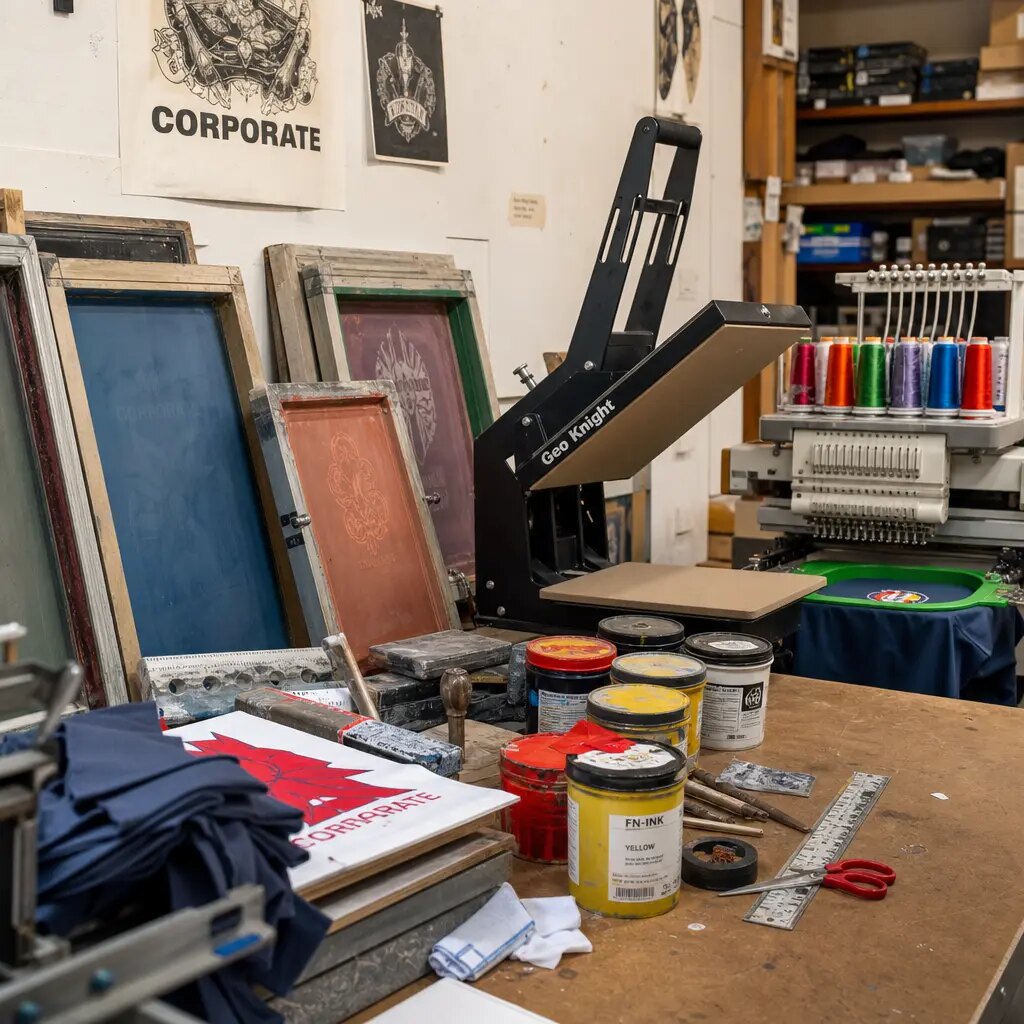
Start With the Real Load, Not the Logo
For coffee roasters, a canvas grocery tote is usually expected to do more than carry one bag of beans. It may hold whole-bean coffee, mugs, brewer filters, canned drinks, event flyers, or retail grocery items. Print proofing becomes unreliable when the bag structure is not defined first, because panel tension, gusset shape, and handle position all affect how the front logo sits after sewing and packing.
A procurement RFQ should describe the filled use case in plain numbers. For example, state whether the tote must carry three 340 g coffee bags plus one ceramic mug, or whether it is mainly a retail gift bag for a single purchase. This tells the factory whether 8 oz canvas is only suitable for a giveaway, or whether 10 oz to 12 oz canvas is the safer route for grocery use.
- Use 8 oz canvas mainly for light promotional totes where freight cost matters more than structure.
- Use 10 oz canvas for regular retail totes that need a better hand feel and moderate load capacity.
- Use 12 oz canvas when the bag must stand better, carry heavier grocery loads, or support premium merchandise positioning.
- For coffee retail, specify a bottom gusset rather than relying on a flat tote if the buyer expects the bag to hold boxed or bagged products neatly.
Fabric Weight and Surface Control
Canvas weight is not just a durability line in the spec sheet. It changes ink absorption, print edge sharpness, folding behavior, and carton cube. A natural 10 oz cotton canvas around 340 GSM usually prints well for solid coffee logos and has a familiar reusable tote feel. A 12 oz canvas around 407 GSM gives a sturdier grocery result, but it can make fine artwork look slightly rougher if the weave is coarse.
Buyers should not approve print color from a paper proof or a different fabric. Natural cotton, bleached canvas, dyed canvas, and recycled cotton blends all change the way ink appears. Natural canvas often makes white, cream, beige, and muted brand colors look warmer. Dark dyed canvas may require an underbase, which adds cost, thickness, curing risk, and proofing time.
- State fabric weight as both oz and approximate GSM to reduce supplier interpretation gaps.
- Request a fabric swatch from the same planned bulk lot before print strike-off if color consistency is important.
- Reserve the cleanest fabric panels for front print areas when the artwork has large light-color fields.
- Avoid placing small text over heavy slub zones, seams, or folded areas because print edges will look broken.
Choose the Print Method Around Roaster Artwork
Most coffee roaster tote artwork works best with screen printing when the design uses a logo, a slogan, or one to four spot colors. Screen printing gives a stable cost for medium and larger runs, and it handles solid shapes well on canvas. It is less forgiving when the design uses tiny origin maps, very thin tasting-note text, or halftone illustrations because the canvas weave can interrupt the ink deposit.
Heat transfer and digital print can be useful for complex full-color artwork or short runs, but they change the hand feel and risk profile. Transfers may sit on top of the fabric and feel less natural. Digital printing may need pre-treatment and stronger artwork control. For a reusable grocery tote sold by a roaster, the print should look intentional, survive handling, and match the brand without making the bag feel like a plastic-coated souvenir.
- Use screen print for solid logos, one-color slogans, bold line drawings, and repeat retail programs.
- Use transfer printing only when the artwork requires full color and the buyer accepts a different surface feel.
- Use embroidery sparingly on grocery totes because it adds cost, may pucker canvas, and is not ideal for large front graphics.
- For dark canvas, price the underbase separately so buyers understand why the quote changes from a natural canvas version.
Build the Proof Around Measurable Artwork Rules
A good print proof is not simply an image showing the logo centered on a bag outline. The factory needs measurable artwork rules: print size, print position, Pantone references, line thickness, text height, and registration tolerance. Without these details, two factories can quote the same tote but produce different logo sizes, different panel balance, and different levels of fine-detail loss.
For grocery totes, placement should be measured from stable points such as the top hem, side seam, or bottom fold line. Measuring from an unstretched soft panel center can create inconsistent results between samples and bulk. If the front panel has a gusset fold, the buyer should define whether the artwork sits only on the flat front face or may approach the fold area.
- Keep small printed text above 5 mm height where possible on coarse canvas.
- Avoid hairline strokes below 0.3 mm unless the factory confirms the result on actual fabric.
- Set print placement tolerance, such as plus or minus 5 mm, before bulk production.
- Keep a signed physical strike-off and use it as the color and edge-quality reference during inspection.
Sample Approval Sequence That Reduces Rework
The safest sample path is not always the fastest one, but it prevents expensive rework. For a new coffee roaster tote program, begin with fabric swatches and a blank size sample if the structure is untested. Then approve the print strike-off on actual fabric. Only after that should the supplier make the pre-production sample using the approved fabric, print, handle construction, and packing method.
Skipping the strike-off can save several days but creates a larger risk: bulk bags may be sewn correctly while the logo color, ink opacity, or fine text fails. A pre-production sample should not be treated as a design experiment. It should be the final locked reference that the cutting, sewing, printing, finishing, and packing teams follow.
- Blank size sample confirms tote dimensions, gusset, handle drop, fabric hand feel, and sewing construction.
- Print strike-off confirms ink color, opacity, line clarity, curing, and fabric absorption.
- Pre-production sample confirms the final combination of bag structure, print placement, sewing, and finishing.
- Packed carton sample confirms folding direction, carton compression, barcode or carton marking, and print protection.
Cost Drivers Hidden Inside Print Proofing
The unit price of a custom canvas grocery tote is affected by more than fabric and sewing. Print proofing can add screen setup charges, underbase cost, ink matching time, sample courier fees, and extra lead time for revisions. When buyers compare quotes without these line items, the lowest offer may only be cheaper because the supplier has excluded the controls that prevent bulk defects.
MOQ also needs careful reading. A factory may accept a low MOQ for a blank natural canvas tote but require a higher minimum for dyed fabric, custom width webbing, multi-color screen printing, or multiple artwork versions. Coffee roasters often want separate designs for cafés, seasonal blends, wholesale partners, or events. Each artwork can require its own screen and proof approval.
- Separate bag MOQ from artwork MOQ so distributor and multi-location programs can be costed correctly.
- List screen charges by color and position instead of hiding them in a blended unit price.
- Include sample remake terms so a failed proof does not become a dispute after the schedule is already tight.
- Compare FOB unit price together with carton cube because heavier canvas may change landed cost more than expected.
Packing Decisions Affect Print Appearance
Canvas totes are often packed flat, but the folding method matters when a front logo is large or freshly cured. If the print face is folded against another printed face, ink transfer can happen during warm container transit. If cartons are over-compressed, the front panel may arrive with hard creases crossing the logo, which makes the tote look like rejected retail merchandise even when the print itself passed at the factory.
Packing should be part of the proofing checklist, not a warehouse afterthought. Buyers should define pieces per carton, carton dimensions, whether inner polybags are allowed, whether tissue or slip sheets are needed, and how the bag is folded. Sustainability teams may prefer no individual polybag, but the buyer still needs a method to keep natural canvas clean and protect high-coverage prints.
- Pack 50 to 100 pieces per carton depending on canvas weight, tote size, and carton weight limit.
- Keep export cartons at a manageable gross weight to reduce crushing and manual handling damage.
- Use a print-safe folding direction so the main logo is not sharply creased through the center.
- For retailer delivery, confirm carton markings and inner bundle quantities before final packing begins.
Lead Time Risk and Approval Gates
Lead time should be counted from the last approval that releases production, not from the day the PO is sent. For printed canvas grocery totes, the real clock usually starts after artwork, fabric, strike-off, and pre-production sample approval. If the buyer takes five days to review each proof, the factory cannot recover all that time later without adding overtime risk or reducing inspection time.
Coffee roasters often order around launches, holiday retail, trade shows, and café openings. These dates make proofing discipline more important. The RFQ should show the required ex-factory date, the latest acceptable shipment date, and the approval deadline for each stage. This lets the supplier flag whether fabric sourcing, printing, curing, sewing capacity, or carton booking is the bottleneck.
- Plan fabric and blank sample review before final artwork if the bag structure is new.
- Reserve time for one print strike-off revision when brand color is critical.
- Do not approve bulk cutting until fabric weight, shade, and shrinkage assumptions are settled.
- Protect final inspection time instead of using it as the buffer for late artwork approval.
QC Thresholds for Bulk Inspection
Inspection criteria should be written before production starts. For canvas totes, common defects include dirty fabric, oil stains, broken stitches, uneven handles, twisted gussets, print smears, color drift, poor registration, and cartons packed with mixed SKUs. AQL inspection can be used, but the buyer still needs product-specific defect definitions so the inspector knows which issues are major for retail presentation.
Print defects deserve clear thresholds because canvas is not a perfectly smooth substrate. A small slub outside the logo may be acceptable; a slub cutting through a brand name may not be. Slight print texture on natural canvas can be normal; unreadable text, visible ink cracking, heavy pinholes, or inconsistent placement should be treated as failures against the approved proof.
- Classify wrong artwork, wrong print color, unreadable logo, and severe ink transfer as major defects.
- Measure handle drop and bag size from a set number of samples across different cartons.
- Rub-test printed panels after curing to identify ink that may transfer during packing or retail handling.
- Open cartons from different production times to catch shade variation, packing drift, or mixed design errors.
Quote Data That Makes Suppliers Comparable
A useful quote for custom canvas grocery totes should make the buying decision easier, not just show a low unit price. The quote should list fabric specification, finished dimensions, print method, number of print colors, sample stages, MOQ by artwork, carton packing, production lead time, trade term, and validity period. Without these details, procurement teams cannot see whether suppliers are quoting the same bag.
For importers and distributors, landed-cost comparison is especially important. A heavier 12 oz canvas tote may have a small unit price difference but a larger freight impact because carton weight and cube increase. A supplier that provides carton dimensions, pieces per carton, gross weight, and HS code support gives the buyer better data for freight planning and retail margin review.
- Compare quotes using the same fabric weight, bag size, handle construction, and print area.
- Request carton cube and gross weight before awarding the order, not after production is packed.
- Separate tooling, screen, sample, courier, and bulk unit costs for cleaner landed-cost analysis.
- Record the approved sample reference number on the PO so production and inspection use the same standard.
Specification comparison for buyers
| Spec decision | Recommended option | When it fits | Buyer risk to check |
|---|---|---|---|
| Fabric weight for grocery use | 10 oz to 12 oz canvas, roughly 340 to 407 GSM before washing | Coffee beans, retail add-ons, farmers market sales, and reusable grocery positioning | Too-light canvas can collapse when loaded; too-heavy canvas raises freight and may reduce perceived softness |
| Bag structure | Bottom gusset 8 to 12 cm with reinforced top hem and cross-stitched handles | Buyers need the tote to stand better at retail and carry multiple coffee bags | Flat totes may look cheaper and carry less; weak handle stitching is a common failure point |
| Print method | Screen print for solid logos and 1 to 4 spot colors | Most coffee roaster logos, tasting-note graphics, and simple seasonal artwork | Fine lines can fill in on coarse canvas; request a strike-off on actual fabric, not paper |
| Artwork proof | Digital layout plus physical print strike-off before pre-production sample | Orders with exact brand colors, small text, QR codes, or centered front-panel artwork | Digital proof cannot show ink absorption, registration tolerance, or logo distortion after sewing |
| Ink system | Water-based or soft-hand pigment ink tested for rub and wash resistance | Natural canvas totes sold as reusable merchandise with a softer hand feel | Low-cure ink may rub onto cartons or garments; thick plastisol can feel unsuitable for natural coffee branding |
| MOQ logic | Separate MOQ for bag sewing, fabric dyeing, and each print color or design | Multi-location roaster groups, distributor programs, and seasonal retail campaigns | Combining many artworks under one MOQ can create hidden screen charges and longer proof approval |
| Packing format | Flat packed 50 to 100 pieces per export carton with print faces protected if ink coverage is heavy | Importers managing warehouse picking, retailer delivery, or event kit assembly | Fresh ink, rough stacking, or over-compressed cartons can cause print transfer and creased panels |
| Quote comparison data | Quote by fabric spec, size, print positions, carton quantity, carton dimensions, and sample stages | Procurement teams comparing multiple factories or trading companies | Unit price alone hides reprint risk, carton cube, sampling cost, and delivery schedule exposure |
Buyer checklist before sampling
- Define the filled-use case: one 340 g coffee bag, multiple retail packs, grocery load, or event giveaway.
- Specify canvas weight in oz and approximate GSM, and state whether the fabric is natural, bleached, dyed, or washed.
- Provide finished bag size with tolerance, gusset depth, handle length, handle width, and handle reinforcement method.
- Send vector artwork with Pantone references, minimum line thickness, minimum text height, and exact print placement from seam or bag edge.
- Require a print strike-off on the same canvas before approving the pre-production sample for bulk sewing.
- State the acceptable color tolerance under standard light, and keep one approved physical print proof as the factory reference.
- Confirm ink type, curing method, rub resistance, odor condition, and whether the print can be stacked after curing.
- Approve one packed carton sample or packing photo showing folding direction, inner bag use, carton size, and carton gross weight.
- Request production photos for fabric cutting, handle stitching, printing, curing, final inspection, and carton marking.
- Hold shipment approval until inspection confirms print position, color, stitching strength, stains, carton count, and packing method.
Factory quote questions to send
- What canvas weight, yarn construction, and approximate GSM are included in this quote?
- Is the fabric natural, bleached, dyed, recycled cotton blend, or organic cotton, and what documentation is available if claimed?
- What are the finished bag dimensions, gusset depth, handle length, and allowed production tolerance?
- Which print method is quoted, how many colors and positions are included, and are screen charges listed separately?
- Will the print proof be made on actual bulk canvas, and is a revised strike-off included if the first proof fails?
- What MOQ applies to the bag body, each artwork, each print color, and any custom fabric dyeing?
- What sample stages are included: blank sample, print strike-off, pre-production sample, and packed carton sample?
- What is the estimated production lead time after artwork approval, and which approval date starts the clock?
- How many pieces fit per carton, what are the carton dimensions and gross weight, and can you quote by FOB and EXW for comparison?
- What inspection standard will be used for stains, print defects, stitching defects, size tolerance, and carton damage?
Quality-control points to confirm
- Fabric weight should match the approved spec within the agreed tolerance, with no mixed shade panels within one bag.
- Finished size should stay within agreed tolerance after sewing, especially width, height, gusset depth, and handle drop.
- Print placement should be measured from fixed bag edges or seams, not judged only by eye on a soft panel.
- Logo color should be compared against the approved physical strike-off under consistent lighting before carton packing.
- Small text, QR codes, and fine line art should remain readable after ink curing and normal panel handling.
- Handle attachment should show consistent box or cross stitching with no skipped stitches, loose threads, or weak bartacks.
- The bag should be free from oil marks, ink smears, heavy slubs across the logo area, mildew odor, and visible dirt.
- Packed cartons should not exceed the agreed gross weight or compression level that creates permanent print-panel creasing.
- Carton markings should match PO number, SKU, color, quantity, gross weight, net weight, and destination requirements.