Why MOQ Negotiation Is Different for Hotel Retail Totes
Custom canvas grocery totes for hotel retail are not negotiated like simple giveaway bags. A hotel shop or resort boutique usually needs a polished retail product, but the first order may be spread across several properties, seasonal openings, or destination graphics. That creates a common conflict: the buyer wants low risk and mixed artwork, while the factory needs efficient fabric purchasing, printing setup, and sewing-line planning.
The strongest MOQ negotiation does not start with asking for the lowest quantity. It starts by separating what actually drives the minimum. For canvas grocery totes, MOQ is usually affected by fabric availability, fabric color, tote size, print method, number of print positions, label type, packing method, and whether different hotel logos can run on the same base bag. If these are bundled into one vague finished-unit MOQ, the buyer loses control of the discussion.
- Treat natural canvas stock fabric as the easiest route for a lower opening MOQ.
- Keep size and construction common if several hotel logos must be produced together.
- Negotiate artwork MOQ separately from fabric MOQ when the same base tote is used.
- Avoid changing fabric color, handle color, label, and packing all in the same low-volume trial order.
Set the Base Specification Before Talking Quantity
A supplier cannot give a reliable MOQ without a locked base specification. For hotel retail grocery totes, the base specification should include finished dimensions, gusset depth, fabric weight, handle length, seam finish, print area, and packing style. If these details are missing, two factories may quote the same MOQ but deliver very different products. One quote may use 8 oz canvas with raw inside seams, while another may use 12 oz canvas with binding and reinforced handles.
For most hotel retail programs, a practical specification is a medium grocery tote around 38-42 cm wide, 35-40 cm high, with a 10-15 cm gusset. Fabric in the 10-12 oz range, roughly 280-340 GSM depending on finishing, gives enough structure for shelf display and guest reuse. Handles should be long enough for shoulder carry if the tote is positioned as a shopping or beach-market bag; short handles may reduce cost but limit retail value.
- Use 280-340 GSM canvas for a structured retail feel without making the tote too heavy.
- Specify handle length as finished length, not only webbing length before sewing.
- Use a boxed bottom when the tote needs to stand or carry food, bottles, or folded apparel.
- Define inside seam binding if the product must look retail-grade when opened.
Understand the MOQ Logic Behind Fabric
Fabric is often the largest hidden reason behind MOQ pressure. If the buyer chooses stock natural canvas, the factory may be able to cut a small batch from available rolls. If the buyer requires a custom dyed canvas, custom striped fabric, special washing, organic claim, or uncommon weight, the mill may impose a fabric minimum that is much higher than the sewing factory's preferred finished-goods MOQ. This is why a low finished-unit target can collapse once a custom color is introduced.
Natural cotton canvas also has shade variation. Hotel retail buyers should decide whether that natural look is acceptable before approving the quote. If the retail display requires exact repeat color across multiple deliveries, the buyer should request dye-lot control or retain fabric from the same batch, but that may raise MOQ or inventory cost. For a first order, it is usually more practical to keep the base fabric natural and put the brand personality into the print, label, or hangtag.
- Request fabric weight in GSM and oz because regional suppliers may describe canvas differently.
- Ask whether the fabric is stock, mill-order, dyed-to-order, washed, bleached, or unbleached.
- For repeat hotel programs, record the approved fabric swatch and bulk roll reference.
- If the order is small, avoid custom fabric color unless retail price can absorb the extra cost.
Choose Print Method Without Creating MOQ Problems
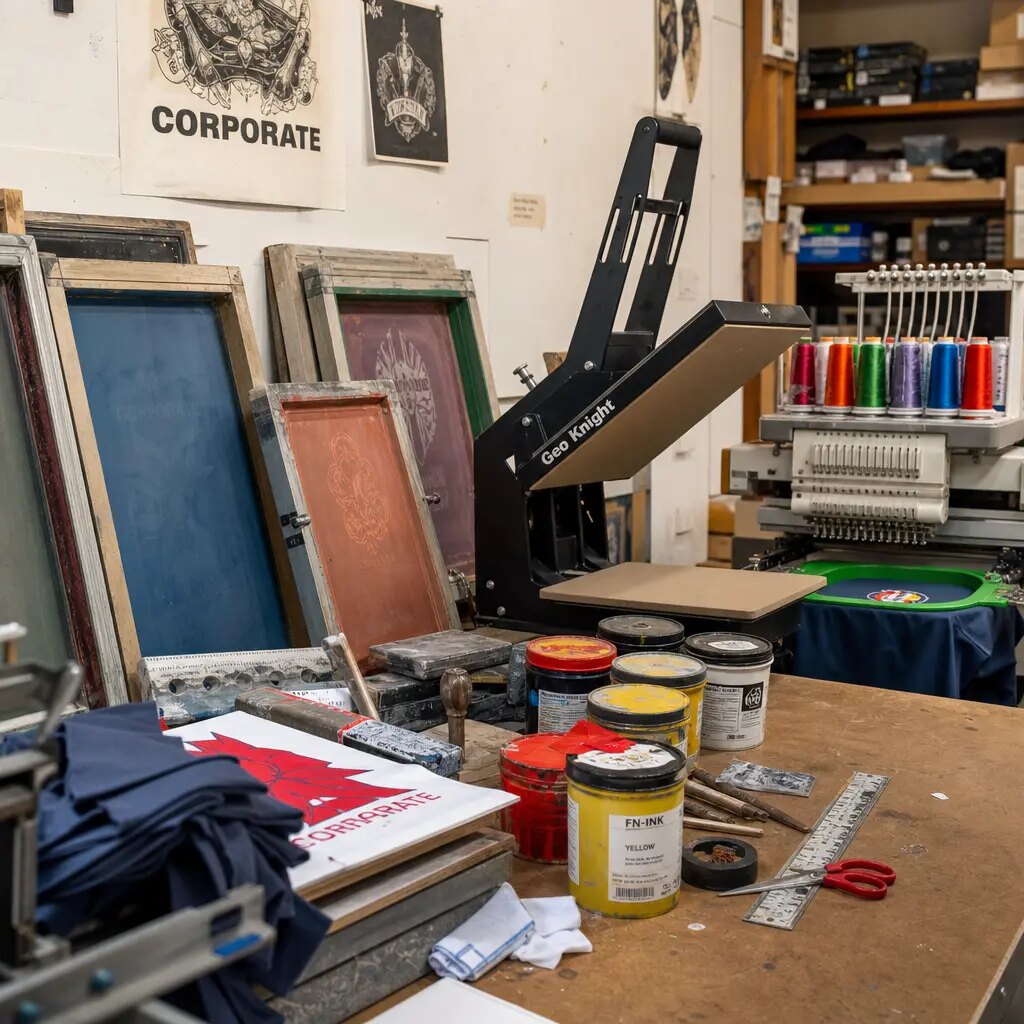
Screen printing is usually the best starting point for custom canvas grocery totes in hotel retail. It handles solid hotel logos, destination artwork, and simple retail graphics well, and the setup cost is predictable. A one-color or two-color screen print on natural canvas gives good shelf impact without forcing the buyer into complex artwork approval or high reject risk. The main limitations are gradient detail, photographic artwork, very thin lines, and exact color matching on absorbent fabric.
Heat transfer, digital print, or embroidery can be useful, but they change both MOQ and unit cost logic. Heat transfer can work for detailed multi-color graphics, but buyers should test hand feel, edge durability, and color behavior after folding. Embroidery gives a premium look but is less suitable for large grocery tote artwork and can distort lightweight fabric. For MOQ negotiation, simplify the first run: one front print position, limited colors, and no oversized wraparound artwork.
- Use screen print for solid logos, simple destination graphics, and one to three spot colors.
- Use heat transfer only when artwork detail justifies the higher handling and testing requirement.
- Avoid large print over seams or gusset folds because placement and cracking risk increase.
- Approve a real print strike-off on the chosen canvas, not only a digital proof.
Negotiate MOQ by Base Bag, Not by Finished Artwork
A useful MOQ negotiation tactic is to separate the base bag from the decoration. For example, a hotel group may need 1,000 totes total, but split across four property logos at 250 pieces each. If every property uses the same size, fabric, handle, seam finish, and packing, the factory may be able to cut and sew one base production batch, then print the panels or finished bags by artwork. This is more efficient than treating each property as a completely separate order.
The buyer should ask the factory to show the minimum for each cost center. The base fabric may have one minimum, screen setup another, and packing or label another. Sometimes the factory can accept lower artwork quantity if the buyer pays separate screen charges. Other times the low artwork split creates too much line-change loss. A clear quote should show whether the MOQ is being driven by raw material, print setup, sewing efficiency, or packing.
- Keep tote size and fabric identical across hotel properties to improve MOQ flexibility.
- Separate screen charges from unit price when artwork splits are small.
- Group production by base bag first, then by artwork, then by packing variation.
- Use a reorder plan to negotiate better pricing after the first sell-through is proven.
Cost Drivers That Change the Quote More Than Buyers Expect
For canvas grocery totes, unit price is not only fabric plus sewing. A realistic quote includes fabric consumption, cutting loss, handle webbing, sewing complexity, print setup, ink, label, folding labor, packing materials, carton volume, inspection time, and overhead. Small changes can move the price noticeably. A wider gusset increases fabric consumption. Longer shoulder handles add webbing. Inside binding improves finish but adds material and sewing time.
Hotel retail buyers should compare quotes using the same cost assumptions. A cheaper quote may exclude screen charges, use thinner canvas, omit inside binding, pack loosely into weak cartons, or quote ex works while another supplier includes inland freight to port. The best way to negotiate is to identify which feature matters to the retail value and which feature can be simplified. Do not remove reinforcement or fabric weight if the tote is expected to carry groceries or bottles; reduce print complexity or packaging first.
- Fabric weight and tote size usually affect cost more than a small change in print area.
- Extra print colors add screen setup, registration work, and inspection risk.
- Retail hangtags, barcodes, and individual bags add labor even if material cost looks small.
- Carton CBM affects landed cost and should be compared before selecting a supplier.
Sample Approval Should Prevent Bulk Production Disputes
A canvas grocery tote sample is not only for appearance. It should confirm material, construction, print, dimensions, handle comfort, folding method, and retail presentation. For a hotel retail order, the buyer should not approve bulk production from a flat artwork proof alone. A digital proof cannot show fabric texture, print absorption, handle strength, seam quality, or how the tote looks when folded and packed.
The best sample sequence depends on timeline and budget. If the launch date is tight, a blank size sample and print strike-off can move in parallel. For higher-value programs, a full pre-production sample should be approved before cutting bulk fabric. The approved sample becomes the golden reference for inspection. If the buyer later changes the print color, handle length, hangtag, or packing fold, the factory should update the sample record and quote impact before production continues.
- Measure finished size, gusset, handle length, and print placement on the sample.
- Review the inside seam finish because retail shoppers often open the tote before buying.
- Fold the sample into the proposed packing method and check creasing on the print.
- Keep one approved sample with the buyer and one with the factory for inspection reference.
QC Thresholds for Hotel Retail Acceptance
Hotel retail bags need tighter visual control than low-cost promotional giveaways. Guests buy these totes as branded travel items or practical shopping bags, so stains, crooked logos, weak handles, and uneven stitching damage the retail program. The buyer should define acceptance criteria before production instead of negotiating defects after shipment. Simple measurable limits are better than subjective terms such as good quality or premium finish.
A practical inspection standard can include fabric GSM tolerance, finished dimension tolerance, print placement tolerance, seam strength, handle load test, and visible defect classification. For example, a standard grocery tote may allow minor natural slub variation in canvas but reject oil stains, holes, major color patches, broken stitches, and misprinted logos. Print placement tolerance of plus or minus 5 mm is realistic for many sewn canvas totes, while exact placement to 1 mm is usually not practical.
- Set finished size tolerance before production, especially for gusset and handle length.
- Use static load testing that matches the intended retail use, such as groceries or beach items.
- Reject major stains, open seams, broken stitches, severe print smudges, and wrong logo position.
- Define whether natural canvas slubs are acceptable so inspectors do not over-reject normal fabric texture.
Packing Decisions Affect Retail Handling and Landed Cost
Packing is often treated as an afterthought, but it affects shelf readiness, warehouse handling, freight cost, and guest perception. A canvas grocery tote can be folded flat, folded into a retail band, packed in an individual bag, or shipped loose by carton. For hotel retail, the right choice depends on whether the tote goes directly to a shop shelf, a back-of-house storage area, a distributor warehouse, or a pre-packed amenity kit.
Individual recyclable OPP bags protect the tote during ocean freight and warehouse handling, but they add labor, material, and plastic-use concerns. A paper band can look better for retail and reduce plastic, but it protects less against moisture and dust. Carton quantity should balance weight and creasing. Overloading cartons saves space but can crush folded edges and mark the print. The quote should include pieces per carton, carton size, gross weight, and CBM so landed cost can be compared correctly.
- Use consistent folding if the tote will be displayed in hotel retail shelving or bins.
- Confirm whether barcodes, hangtags, price stickers, or property labels are applied at factory.
- Avoid cartons that are too heavy for hotel receiving teams or retail back-room handling.
- Request carton dimensions and gross weight before comparing freight and warehouse cost.
Lead Time Risks and Reorder Planning
MOQ negotiation should include lead time, not only quantity. A factory may accept a lower opening MOQ but need a longer production window because the order must wait for fabric availability, print schedule, or shared sewing-line capacity. For a typical custom canvas grocery tote, buyers should allow time for artwork confirmation, sample or strike-off approval, material booking, cutting, printing, sewing, trimming, inspection, packing, and export document preparation.
Hotel retail buyers often face seasonal deadlines: resort opening, conference season, holiday shop reset, or destination campaign launch. A safer approach is to place a controlled first order with a clear reorder trigger. If the hotel shop sells through quickly, the second order can use the same fabric, construction, and approved artwork, which reduces sampling risk and improves pricing discussion. Reorders are also easier if the first RFQ records fabric details, print method, carton data, and approved sample references.
- Do not count lead time from inquiry date; count from artwork, deposit, and sample approval milestones.
- Reserve extra time for custom dyed fabric, complex print registration, or retail hangtag approval.
- Use a replenishment forecast so the factory can plan fabric before the hotel shop runs out.
- Keep approved specs stable between first order and reorder to avoid restarting MOQ negotiations.
Specification comparison for buyers
| Spec decision | Recommended option | When it fits | Buyer risk to check |
|---|---|---|---|
| Fabric weight | 10-12 oz cotton canvas or about 280-340 GSM | Hotel gift shops needing a structured grocery tote that can carry bottled drinks, snacks, and retail goods without feeling too heavy | Quotes using only oz without GSM may hide lighter fabric; request actual GSM tolerance and shrinkage result after washing or steaming |
| Fabric color | Natural unbleached canvas for first orders; dyed canvas only after volume is stable | Resort, spa, and boutique hotel retail programs that want a clean premium look with lower MOQ pressure | Dyed fabric can trigger higher mill MOQ, longer lead time, and shade variation between repeat orders |
| Construction | Boxed bottom with inside seam binding and handle cross-stitch reinforcement | Totes expected to stand on shelves and carry groceries, beach items, minibar purchases, or local market goods | A low MOQ quote may remove binding, shorten handles, or use single-line handle stitching unless construction is specified |
| Print method | One or two color screen print for MOQ negotiation; heat transfer only for complex artwork or many colors | Most hotel logos, destination graphics, and retail slogans with solid color areas | Digital or transfer prints may look easy at low MOQ but can add unit cost, hand-feel issues, and heat-press placement variation |
| Logo placement | One front panel print plus optional small side label for brand identity | Hotel retail lines that need shelf impact but still want reorder flexibility across properties | Multiple print positions increase setup, inspection time, and reject risk; separate each position in the quote |
| MOQ structure | Negotiate by fabric batch, print setup, and packing style instead of one total MOQ | Multi-property hotel groups, seasonal resort shops, and distributors placing mixed artwork orders | Supplier may quote a low order MOQ but require hidden minimums for fabric color, label, carton mark, or polybag style |
| Packing | Individual folded tote in recyclable OPP or paper band, then 50-100 pcs per export carton depending on size | Retail display, hotel back-of-house storage, and distributor warehouse handling | Overpacked cartons cause creasing; under-specified cartons create dimensional weight surprises and higher landed cost |
| Lead time | 7-10 days for pre-production sample after artwork approval; 25-40 days bulk depending on fabric stock and print queue | Importers needing realistic launch planning without paying air freight for avoidable delays | Any quote promising fast production without confirming fabric availability, print strike-off timing, and final packing approval should be treated carefully |
Buyer checklist before sampling
- Define tote size by actual retail use: grocery, beach, amenity purchase, local market kit, or reusable shopping bag.
- State fabric weight in both oz and GSM, with acceptable tolerance, color, shrinkage expectation, and whether natural canvas shade variation is acceptable.
- Specify handle length, handle webbing width, box bottom size, seam binding, reinforcement stitching, and target load test.
- Separate artwork by print position, print colors, Pantone references, maximum print area, and acceptable placement tolerance.
- Ask the factory to quote MOQ by fabric, print setup, label, packing method, and carton mark instead of only quoting one finished-bag MOQ.
- Require a pre-production sample or golden sample with signed approval before bulk cutting, not only a digital artwork proof.
- Confirm packing fold method, carton quantity, carton dimensions, gross weight, barcode or hangtag requirements, and retail-ready handling.
- Build the purchase schedule around artwork approval, material booking, sample correction, bulk printing, sewing, inspection, and export document preparation.
- Compare quotes using landed-cost fields: unit price, tooling or screen charge, sample cost, packing cost, inland charge, carton volume, and defect allowance.
Factory quote questions to send
- What is the lowest practical MOQ for this tote if using stock natural canvas, one front screen print, and standard folded packing?
- Which parts of the order have separate minimums: fabric roll, dye lot, screen print setup, woven label, hangtag, barcode sticker, or export carton mark?
- Can multiple hotel property logos share one fabric batch if the tote size and fabric are identical but front artwork changes?
- What fabric weight will be used in GSM and oz, and what tolerance do you control in bulk production?
- Is the quoted fabric greige, natural finished, bleached, dyed, or washed, and how does that affect MOQ and lead time?
- What print method is included in the price, how many colors are included, and what is the additional cost per extra color or position?
- What sample types are included: blank size sample, print strike-off, pre-production sample, or final packed sample?
- What load test, seam strength check, print adhesion test, and carton drop condition can be used for this order?
- What are the carton dimensions, pieces per carton, estimated gross weight, and CBM for the quoted specification?
- What lead time starts after which event: deposit, artwork approval, sample approval, fabric arrival, or final packing approval?
Quality-control points to confirm
- Fabric GSM should be checked before cutting using a measured fabric swatch, not judged only by hand feel.
- Finished tote size should stay within the agreed tolerance after sewing and pressing, especially width, height, gusset, and handle length.
- Handle attachment should use reinforced stitching with no skipped stitches, loose threads, or weak bartack areas at stress points.
- Print color should be compared to the approved strike-off or Pantone target under consistent light, with realistic tolerance for natural canvas absorbency.
- Print placement should be measured from the top edge and side seam, with a defined tolerance such as plus or minus 5 mm for standard retail totes.
- Seams should be inspected for puckering, open seams, oil marks, stains, needle holes, and uneven binding.
- Load testing should reflect the intended hotel retail use, such as 8-12 kg static loading for grocery or beach-item carrying.
- Packing inspection should include fold consistency, barcode placement, carton strength, moisture protection, and carton mark accuracy.