Why the carton packing plan matters more than most tote bag RFQs admit
For liquor retailers, the bag itself is only half the job. The other half is getting a heavy, gusseted canvas tote from factory floor to distribution center to store backroom without wasted freight, split cartons, miscounts, or damaged print. Many RFQs describe size, fabric, and logo, then leave packing open to the supplier. That usually creates quote gaps. One factory prices 100 pieces per carton, another 50 pieces per carton, and a third silently reduces gusset depth in order to hit a carton target. The unit price looks comparable, but the landed cost and usability are not.
Canvas grocery totes for bottle carry are especially sensitive because the folded thickness rises quickly once you move from lightweight promo cotton into 10 oz to 12 oz canvas with reinforced handles. A bag that works well at shelf and checkout can become a freight problem if the carton plan is not controlled early. Procurement teams should treat carton packing as a commercial specification, not a shipping afterthought. It affects ocean cube, warehouse handling, store allocation labor, and final bag condition on arrival.
- Packing plan changes can alter quoted freight efficiency by more than small unit-price differences
- Overweight cartons create manual handling complaints and increase carton break risk
- Loose folds and inconsistent bundling can damage large front-panel prints before the goods reach stores
- Accurate carton planning prevents suppliers from hiding construction shortcuts behind an attractive piece price
Choose the bag construction around bottle weight, not just logo area
A liquor retailer usually needs a tote that handles concentrated weight. Two or four glass bottles create a very different load profile from general grocery use. That means the right starting point is a gusseted canvas grocery tote, not a simple flat tote. A common retail-friendly format is around 35 to 38 cm width, 33 to 40 cm height, and 10 to 15 cm gusset depth, depending on whether the store wants a compact wine carry bag or a broader grocery tote that can also hold boxed items. If the tote must stand open at checkout, side and bottom gussets matter more than a few extra centimeters of front width.
Fabric weight should usually begin at 10 oz canvas and often move to 12 oz for heavier use. In GSM terms, that is roughly 280 to 340 GSM. Below that range, the bag may still look acceptable in a showroom sample, but bottle corners and handle stress become the complaint during real use. Higher weights such as 14 oz can work, but buyers should compare the gain in stiffness against the cost in freight cube, sewing difficulty, and lower carton quantity. For most liquor retail programs, 10 oz to 12 oz is the practical zone unless the design includes bottle separators or structured inserts.
- Recommended use range: 10 oz to 12 oz canvas for reusable liquor retail grocery totes
- Preferred shape: side gusset plus bottom gusset for bottle stability
- Typical handle drop: 24 to 30 cm depending on shoulder-carry requirement
- Reinforcement: box-x or cross stitch at each handle base
Print method decisions change both appearance and folding behavior
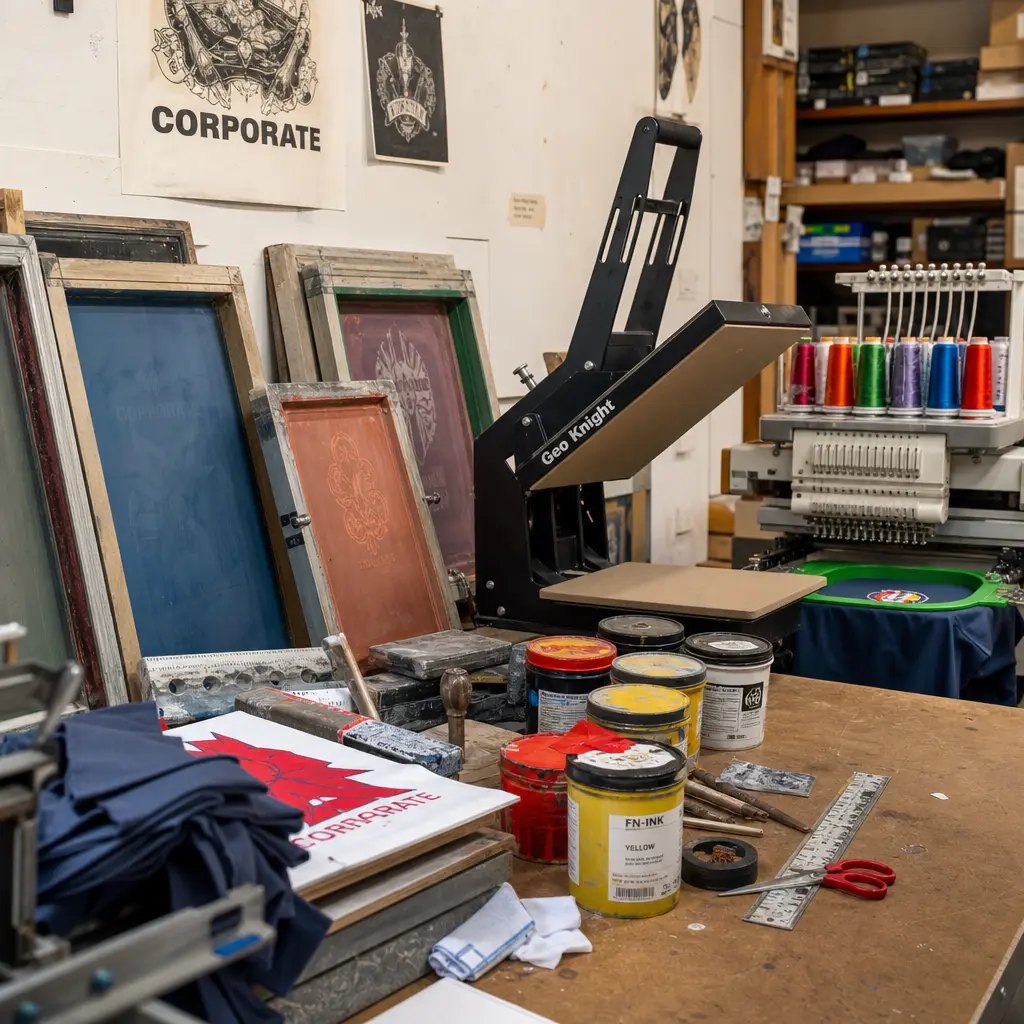
For custom canvas grocery totes, screen printing is usually the safest commercial choice when the logo is simple, solid, and repeated across medium or large volumes. It keeps cost predictable and can hold up well if the ink system is matched to the fabric. Water-based print can give a softer hand feel on natural canvas, while plastisol or other denser systems may improve opacity on darker fabrics. Neither is automatically better; the key is how the print behaves after folding, bundling, and warehouse storage. If the logo sits directly on a fold line, even a good print can show stress whitening or minor cracking after compression in export cartons.
Heat transfer or digital options make sense for smaller artwork, more color detail, or lower-volume promotional runs, but they are often less forgiving on heavily folded grocery totes. Buyers should not approve print only from a flat studio sample. A better method is to review the printed sample after standard export folding for at least 24 hours. If the logo area shows lifting, blocking, or visible fold memory, the print specification or fold direction should be revised before bulk production. This matters for liquor retail because large front logos are common and the bags are often stacked under pressure in store rooms.
- Screen print is usually the best value for simple retail logos
- Avoid placing large solid logos exactly across major fold lines when possible
- Review folded printed sample, not only flat sample appearance
- Request rub and fold resistance comments from supplier when print area is large
MOQ logic: how to keep artwork flexibility without paying for chaos
MOQ on canvas totes is rarely just one number. There is usually a base MOQ for the bag construction, then smaller or separate thresholds for print screens, logo versions, fabric colors, and packing splits. Procurement teams buying for liquor retailers often need multiple store banners, regional promotions, or campaign logos. If the RFQ does not separate these elements, suppliers may quote in ways that are hard to compare. One may assume a shared blank bag with multiple print runs, another may assume each logo is a standalone order.
The most cost-stable approach is to standardize the bag body first: same canvas weight, same natural or dyed fabric color, same dimensions, same handles, same carton plan. Then vary only the logo artwork where needed. This lets the mill and sewing line run efficiently while the print department handles SKU variation. If the order splits too early into several bag colors, gusset sizes, and barcode formats, MOQ friction appears in every department. The buyer then sees a unit price increase without a clear reason. Good RFQs define where variation is allowed and where standardization is mandatory.
- Separate MOQ by bag body, print version, and packing split
- Shared base construction usually lowers real cost more than negotiating cents off unit price
- Natural canvas often reduces MOQ complexity compared with dyed fabric
- Multi-logo retail programs should align carton labels and barcode rules before quote stage
How to build a carton plan that stores and warehouses can actually use
The right carton plan balances four things: freight cube, gross weight, receiving efficiency, and bag condition. For medium-weight canvas grocery totes, 50 to 100 pieces per master carton is common, but the correct number depends on gusset depth, handle bulk, print coverage, and whether the bags are packed flat or folded. A supplier offering 120 pieces per carton on a 12 oz gusseted bag may simply be compressing the product too hard or using an oversized carton that performs poorly in stacked transport. The quote may look efficient until cartons arrive distorted, with crushed handle areas and visible print marks.
Buyers should define the folding method as part of the packing specification. A common method is side gussets folded inward, bottom folded once, handles laid flat inside the panel line, then bundled in fixed quantities per polybag. This gives a stable brick shape for counting and pallet stacking. If stores receive cartons and split them by outlet, consistent bundling matters. Ten bundles of ten pieces are often easier to allocate than one loose carton of one hundred. That small packing decision can reduce receiving errors and labor cost more than a marginal unit price reduction.
- Common export range: 50 to 100 pieces per carton depending on spec
- Set maximum gross weight based on your warehouse handling standard
- Define folding sequence to protect printed panels and stabilize carton shape
- Use fixed inner bundle quantities to speed store allocation
Sample approval should include packed condition, not only bag appearance
A pre-production sample is necessary, but for this product it is not sufficient on its own. A canvas tote can pass visual approval and still fail commercially because the packed form was never reviewed. Buyers should request one approved sample in finished form and one packed sample photo or video showing actual fold direction, polybag quantity, carton arrangement, and carton marks. If the order is large or the logo is sensitive to pressure, one physical packed sample carton is worth the extra time. It reveals whether the approved print remains clean after compression and whether the stated carton quantity is realistic.
In practical terms, sample approval should cover dimensions, handle drop, stitching type, fabric hand feel, print color and placement, and load feel under simulated bottle weight. A quick internal store trial is useful here. Put two to four standard filled bottles in the sample and observe how the side gusset opens, how the handle sits in the hand, and whether the bag body twists under load. These are not luxury tests. They directly affect customer use and return complaints. A beautiful sample that has never carried glass is incomplete evidence.
- Approve both open-bag sample and packed condition sample evidence
- Run simple bottle-load simulation during sample review
- Measure folded dimensions as well as finished open dimensions
- Review print after 24-hour fold compression when artwork is large
Quality control thresholds that matter on liquor retail tote orders
QC on tote bags often gets reduced to cosmetic checks, but liquor retail use puts more stress on construction and packing accuracy than many promo-bag programs. The important thresholds are fabric consistency, seam strength, handle attachment, print durability, and carton quantity accuracy. Fabric weight tolerance should be stated, such as plus or minus 5 percent, and finished dimensions should have sensible tolerance by feature. Front width tolerance alone is not enough. The gusset width and handle drop often create the real field complaints because they influence bottle fit and carry comfort.
Final inspection should also include random load testing. That does not require a formal laboratory test for every order, but the buyer should expect evidence that the handle reinforcement and seam construction support the intended use. A simple factory procedure using agreed bottle-weight simulation can catch obvious weakness before shipment. On packing, final inspection should verify inner-pack count, fold consistency, carton gross weight, and carton marks. Mispacked retail totes create expensive relabeling and recounting work in destination warehouses, which is why packing QC deserves the same attention as sewing QC.
- State dimension tolerances by width, height, gusset, and handle drop
- Inspect handle reinforcement stitches and seam cleanliness on stress points
- Use random bottle-load simulation before shipment
- Verify inner pack count and carton mark accuracy during final inspection
Cost drivers buyers should compare beyond the piece price
The visible unit price is only one part of the commercial picture. In canvas grocery totes, the largest cost drivers usually include fabric weight, fabric color, gusset construction, handle length and material, print colors and area, packing complexity, and order fragmentation across SKUs. A 10 oz natural canvas tote with one-color screen print and standard export folding can price very differently from a 12 oz dyed canvas version with large two-side print and custom barcode labels, even if the dimensions look almost identical on paper.
Carton planning also changes landed cost. Fewer pieces per carton can increase ocean cube and destination handling cost, but too many pieces can trigger overweight cartons, deformation, and hidden warehouse labor. Buyers should compare at least three quote views: unit price, estimated carton count and cube, and total landed cost per sellable bag. This exposes suppliers who appear cheaper only because they omitted print setup, upgraded cartons, or split-packing charges. If the quote includes examples rather than fixed prices, the same comparison logic still works.
- Major cost drivers: canvas weight, dyed fabric, gussets, print area, and packing complexity
- Compare cost per sellable bag, not only FOB unit price
- Review extra charges for barcode labels, carton upgrades, and mixed-SKU packing
- Use estimated carton cube to compare freight impact between suppliers
Schedule risks: where custom canvas tote orders usually slip
Lead time on canvas grocery totes is influenced by more than sewing capacity. Fabric sourcing, dyeing, print screen prep, sample revision, packing material approval, and booking timing all affect the date. For a straightforward natural canvas order with simple print, the path is usually shorter than for dyed canvas with multiple logos and retail-specific labels. Buyers should avoid compressing all approvals into one stage. A delayed logo approval should not also hold up the carton mark artwork if the packing plan is already decided.
A realistic lead-time review separates the milestones: material readiness, sample approval, bulk sewing, printing, packing, and shipment-ready date. This helps procurement teams identify the actual critical path. On many retail tote orders, the hidden delay is not sewing at all. It is artwork finalization, barcode changes, or rework after the first packed sample reveals a carton issue. If the campaign date is fixed, the packing approval should happen earlier than many buyers expect. It is easier to revise carton count at sample stage than after production output is already committed.
- Lead time depends on fabric, print, labels, packing materials, and booking
- Separate artwork approval from packing approval where possible
- Natural canvas generally moves faster than dyed fabric programs
- Treat carton approval as an early milestone, not a final warehouse detail
A practical RFQ structure for better supplier quote comparison
The simplest way to improve quote quality is to stop sending open-text tote requests. Use a structured RFQ that fixes the bag body, intended load, print method, and packing parameters. For liquor retailers, include the bottle-use case, because suppliers often under-specify the handle and gusset if they assume light grocery use. Also request estimated carton dimensions, gross weight, and quantity per carton in the first quote round. That forces suppliers to expose their packing assumptions early, which makes quote comparison more honest.
A good RFQ should also separate mandatory requirements from options. For example, make 12 oz natural canvas with bottom and side gusset the base requirement, then ask for optional pricing on dyed fabric or inside bottle divider. This avoids blended quotes where one supplier prices a premium build and another prices a basic build. If you need warehouse-specific labels or store-split cartons, state that clearly. Many tote bag supply issues come from retail operations details that were never written into the original request.
- State intended bottle load and expected reuse level
- Fix base dimensions, fabric weight, gusset style, and handle requirement
- Request carton quantity, carton size, and gross weight in the first quotation
- Separate mandatory spec from optional upgrades for clean quote comparison
Specification comparison for buyers
| Spec decision | Recommended option | When it fits | Buyer risk to check |
|---|---|---|---|
| Fabric weight | 10 oz to 12 oz canvas, about 280 to 340 GSM | Best for grocery and liquor store reuse where bags carry 2 to 4 bottles plus food items | Below 8 oz can collapse under bottle weight; above 14 oz raises freight and may reduce carton quantity too sharply |
| Bag construction | Bottom gusset plus side gusset, with boxed shape | Needed when stores want stable bottle standing and easier cashier packing | Flat totes quote cheaper but waste shelf space, fit fewer bottles, and often disappoint store teams |
| Handle attachment | Cross stitch or box-x reinforcement with 2.5 cm to 3.8 cm webbing or self-fabric handles | Suitable for repetitive lifting at checkout and bottle weight concentration | Single line stitch on lightweight handle base can fail during store trials even if fabric passes |
| Print method | Screen print for simple logos; heat transfer only for small color-detail logos on limited panels | Screen print works on medium to high volume and is usually the most cost-stable option | Large solid ink areas can crack on folded zones if ink and curing are not matched to fabric finish |
| Inner packing | 10 to 25 pieces per polybag, folded consistently by gusset direction | Good for DC counting, store allocation, and faster inbound receiving | Loose packing raises recount labor; over-tight bundling leaves heavy fold memory on printed panels |
| Master carton size | Keep outer carton under about 60 cm length and gross weight below buyer handling limit | Works for mixed warehouse handling and easier palletization | Oversized cartons cube out badly on courier samples and may trigger handling surcharges or floor stack collapse |
| Carton quantity per size | Usually 50 to 100 bags per carton depending on canvas weight and gusset depth | Useful when buyers need balance between freight efficiency and staff lift weight | Suppliers may quote high pieces per carton that look efficient but produce overweight export cartons once moisture and polybag are added |
| MOQ strategy | One base construction with shared fabric color and print position across SKUs | Helps liquor chains run multiple store logos or campaign variations without splitting production too early | Too many artwork changes below print break quantity can distort quote comparisons between suppliers |
| Sample approval route | Approve one pre-production sample plus one packed-carton photo and carton drop test evidence | Best when bag quality is acceptable but shipping damage or miscount is the bigger commercial risk | Many approvals stop at bag appearance and ignore folded dimensions, carton marks, and barcode placement |
Buyer checklist before sampling
- State bottle-carry use clearly in the RFQ, including expected load such as 2, 4, or 6 standard wine bottles plus grocery items
- Specify canvas weight in oz and GSM range, not only 'canvas' or 'heavy duty'
- Give finished bag size with side gusset, bottom gusset, and handle drop in centimeters
- Define print method preference and artwork coverage area, including whether print crosses folds or seams
- Set target pieces per inner polybag and per master carton based on warehouse receiving method
- Add maximum carton gross weight and preferred outer carton dimensions to avoid handling disputes
- Request folded bag dimensions for packing approval, not only open bag dimensions
- Require pre-production sample with actual fabric, print color, stitching, and packing fold direction
- Include carton mark layout, barcode position, store allocation label format, and shipping mark language
- Ask for estimated carton count, carton cube, and loading quantity for LCL and FCL quote comparison
Factory quote questions to send
- What exact fabric spec are you quoting: cotton content, weave, oz weight, GSM tolerance, and whether weight is before or after washing?
- How many pieces fit per carton at the quoted spec, and what are the tested carton dimensions and gross weight?
- Does the quote include side and bottom gusset sewing, handle reinforcement, thread color match, and inside overlock or binding finish?
- What print method is included, how many print colors, what print area, and is there extra charge for Pantone matching?
- What MOQ applies to the base bag, to each logo version, and to each print colorway?
- What sample stages are chargeable: blank sample, printed sample, pre-production sample, and packed sample?
- What is the standard lead time for lab dip or fabric color approval, pre-production sample, bulk production, and booking ready date?
- How do you control carton packing consistency, carton marks, and quantity accuracy during final inspection?
- Can you provide example drop test or stacking evidence for the proposed carton, especially for heavier 12 oz canvas bags?
- Which quote items are excluded: export carton upgrade, barcode stickers, hangtags, tissue, desiccant, palletization, or split delivery packing?
Quality-control points to confirm
- Fabric weight within agreed tolerance, for example plus or minus 5 percent against approved specification
- Finished bag dimensions within commercial tolerance, especially gusset width and handle drop
- Handle reinforcement stitch count and back-tack consistency on all load points
- Print registration, ink coverage, curing, rub resistance, and no major cracking at fold lines
- Needle holes, seam puckering, skipped stitches, loose threads, and exposed raw edges within agreed AQL
- Inner pack quantity accuracy and fold orientation consistency for all bags in the carton
- Carton gross weight, carton dimensions, and carton mark placement matching approved packing plan
- Random load test on finished bags using agreed bottle-weight simulation before shipment