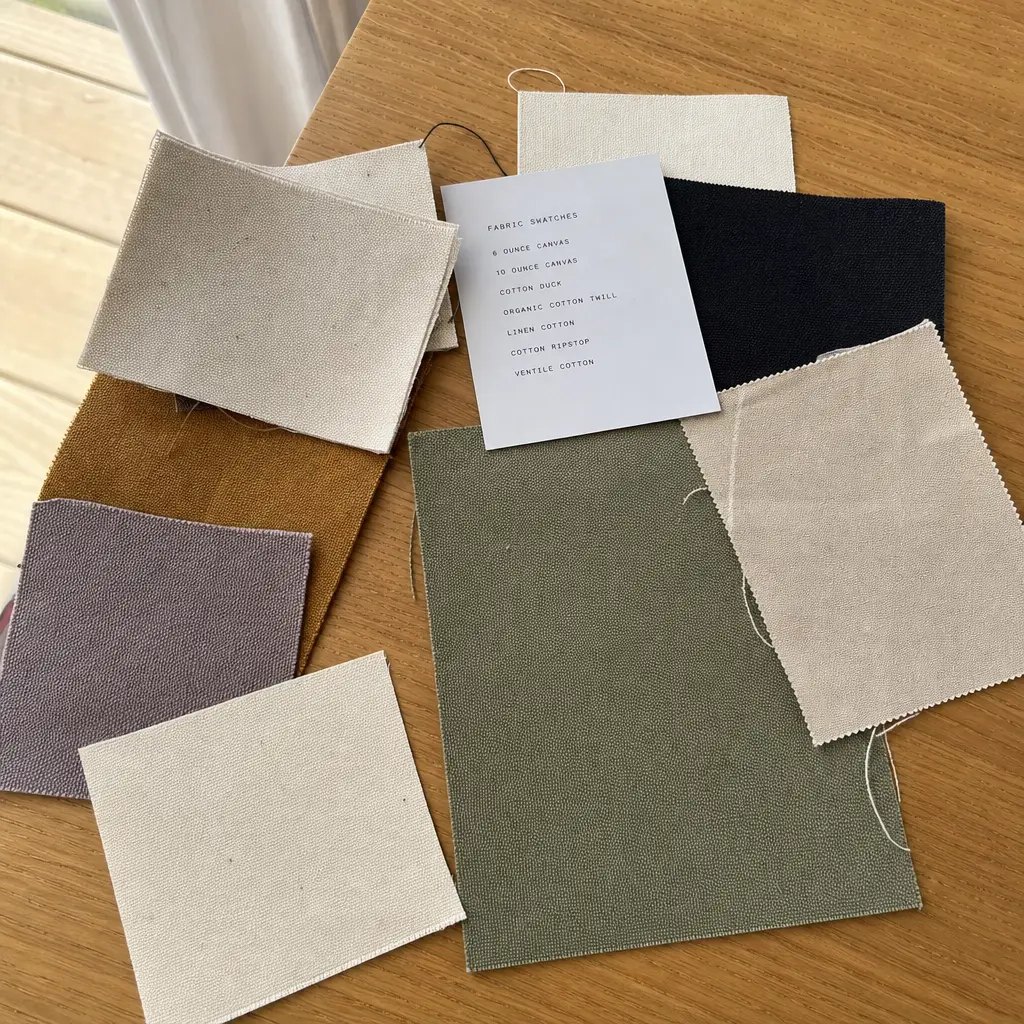
Start With the Pricing Problem, Not the Bag Name
A custom canvas grocery tote for a university bookstore sounds simple until several campus stakeholders start changing the order. The bookstore may want a retail tote for checkout sales, student affairs may want an orientation version, athletics may want a team graphic, and alumni relations may want a premium event bag. If all of these are treated as one “bulk order,” the quote will look attractive at first but become unstable once artwork versions, fabric colors, and delivery dates are separated.
The practical pricing plan starts by defining the commercial use of the tote. A bookstore retail tote needs better fabric handfeel, clean print edges, reliable shelf presentation, and repeat-order consistency. A one-time campus giveaway may accept lighter fabric and simpler packing. A grocery-style tote used for books and merchandise should not be priced like a thin conference bag, because handle stress and seam strength become real complaint points.
- Use one master spec for the main bookstore tote and list any department versions as controlled variations.
- Do not compare quotes unless fabric weight, handle construction, print method, carton packing, and Incoterms are the same.
- Treat annual forecast and first shipment quantity separately; factories price risk differently for one order and repeat programs.
- Decide whether the tote is a retail product with a barcode and hangtag or a bulk-packed event item.
Choose Canvas Weight Around Real Campus Use
For custom canvas grocery totes sold through university bookstores, the common useful range is 10 oz to 12 oz cotton canvas, roughly 340 to 407 GSM. This weight gives enough body for books, hoodies, bottles, notebooks, and food items without making the tote feel too heavy or expensive. An 8 oz canvas can work for budget events, but it may look soft on shelf and may not carry the same perceived retail value.
Heavier canvas, such as 14 oz or more, can be suitable for premium alumni merchandise, but it changes the pricing structure. The fabric cost rises, sewing speed drops, needle and thread selection become more important, and carton gross weight increases. If the bookstore wants a tote that folds easily at checkout, very heavy canvas may also reduce convenience. The best buyer decision is not the heaviest fabric; it is the lowest weight that still passes the intended load and appearance requirements.
- Budget campus giveaway: 8 oz to 10 oz canvas, simple print, standard handles.
- Bookstore retail grocery tote: 10 oz to 12 oz canvas with reinforced handles and controlled packing.
- Premium alumni or donor tote: 12 oz to 14 oz canvas, upgraded stitching, optional inside pocket or label.
- RFQ wording: state both oz and GSM so suppliers cannot quote a thinner local interpretation of canvas.
Build MOQ Logic Before Requesting Prices
MOQ is not only a total piece count. For canvas grocery totes, the real MOQ is usually affected by fabric color, dye lot, print artwork, print color count, and packing format. A bookstore may say it wants 3000 pieces, but if that becomes six artwork versions of 500 pieces each, the factory may treat it like six small production runs. The setup time, screen preparation, line changeover, and inspection records all increase.
A good bulk pricing plan gives the factory a price ladder. Ask for 500, 1000, 3000, and 5000 pieces for the same specification, then ask how the price changes when artwork versions are split. This shows whether the supplier is pricing fabric efficiency or simply applying a flat margin. It also helps the buyer decide whether to consolidate small department designs into a shared campus design with a removable hangtag or sticker.
- One fabric color plus one artwork version gives the cleanest MOQ and unit price.
- Multiple print versions on the same natural canvas can still be efficient if screens are planned together.
- Dyed fabric colors usually need stronger MOQ control because the mill or dye house may require batch minimums.
- Small repeat orders should be discussed during the first quote, not after the first shipment sells through.
Price Drivers That Actually Move the Quote
The biggest cost drivers are fabric consumption, fabric weight, handle construction, print coverage, labor time, reject rate, and packing cube. A small change in gusset depth can increase fabric consumption more than a buyer expects. A full-panel print can require more ink, longer drying, more careful stacking, and more rejects than a small left-chest style logo. A self-fabric handle with box-X stitching costs more than a narrow webbing handle, but it also gives a more retail-ready look.
Importers and distributors should separate visible value from hidden cost. A woven side label, hangtag, or barcode sticker may be cheap compared with heavier fabric, but it can improve retail handling. On the other hand, changing from 10 oz to 12 oz canvas affects every unit, every carton, and every freight calculation. When suppliers quote very different prices, the difference is often not margin alone; it is a different bag.
- Fabric: weight, width, shrinkage, natural versus dyed, and available stock position.
- Sewing: gusset style, seam binding, handle reinforcement, inside pocket, and stitch density.
- Printing: number of colors, print area, ink type, curing method, and registration difficulty.
- Packing: folded or flat-packed, units per carton, individual polybag, hangtag, barcode, and carton mark.
- Commercial terms: Incoterms, payment term, sample fee, screen fee, inspection cost, and quote validity.
Select the Print Method for Bookstore Durability
Most university bookstore canvas grocery totes are best handled with screen printing when the artwork uses one to three solid colors. Screen print is efficient in bulk, gives strong color on natural canvas, and suits school names, mascots, slogans, and simple campus illustrations. The buyer should provide vector artwork and Pantone references, then request a strike-off or printed sample on the actual fabric.
Heat transfer can be useful for detailed gradients, small runs, or artwork that changes frequently. It is not always the best retail solution for a grocery tote because the handfeel may be different and large transfer areas can change how the panel drapes. Embroidery is usually less common for grocery totes because large logos become expensive and can distort the fabric. Digital print may work for complex artwork, but buyers should test wash resistance, rub resistance, and color consistency before using it for a major bookstore program.
- Screen print: best for bulk campus logos, flat colors, and repeatable bookstore programs.
- Heat transfer: useful for complex graphics or lower quantities, but review handfeel and edge durability.
- Embroidery: suitable for small premium marks, not usually economical for large grocery tote graphics.
- Digital print: evaluate only after approving color, rub, and wash performance on production canvas.
Use Samples to Lock the Commercial Specification
A pre-production sample should not be treated as a souvenir photo for internal approval. It is the physical contract between the buyer and factory. The sample should use production fabric weight, final handle length, actual reinforcement stitching, approved print method, final logo size, and planned packing fold if creasing is a concern. If the factory makes a sample from available substitute fabric, it should be clearly marked as a construction sample, not a production approval sample.
Bookstore buyers should review samples with a checklist rather than general comments such as “looks good.” Measure the opening width, height, bottom gusset, handle drop, print position, and print size. Load the tote with realistic campus items: textbooks, a water bottle, sweatshirt, notebooks, and small retail goods. Hang it for a short period and inspect handle corners. A tote that looks fine empty may fail the buyer’s expectation when used like a grocery bag.
- Approve fabric handfeel and color under consistent lighting, especially for dyed school colors.
- Measure print placement from fixed edges, not by visual center only.
- Test handle drop with a jacket or bulky bookstore item inside the bag.
- Keep the approved sample sealed and labeled with date, PO number, fabric weight, and artwork version.
Set QC Thresholds Before Bulk Production
Quality control for canvas grocery totes should focus on the points that create returns or brand complaints: weak handles, uneven print, dirty fabric, twisted seams, wrong size, and poor carton condition. A university bookstore may sell the tote as a branded retail item, so cosmetic quality matters more than for a temporary giveaway. Natural canvas can have small cotton seed flecks, but oil stains, dark marks, heavy slubs, and visible print smears should not pass.
The buyer should define tolerances before production. Finished size tolerances can be practical rather than excessive, but they must be written. Print position tolerance should be measured from the bag edge and top opening. Stitch defects should be classified clearly: skipped stitches at stress points, open seams, broken handle stitches, and sharp loose threads should be treated as major issues. If the tote is expected to carry heavy books, simple load testing should be added to inspection.
- Size tolerance: define acceptable variation for width, height, gusset, and handle drop.
- Print tolerance: set position, color, registration, and curing acceptance criteria.
- Sewing defects: classify open seams, skipped stitches, and weak handle reinforcement as major defects.
- Cleanliness: reject oil stains, mold odor, wet cartons, and visible dirt on retail-facing panels.
- Load check: test realistic campus use weight rather than an arbitrary marketing claim.
Plan Packing Around Freight and Store Handling
Packing decisions affect both landed cost and retail usability. Flat packing can reduce creases on the main print panel, but it may increase carton size. Folding saves carton volume, but a hard fold across a heavy screen print can leave marks, especially if the ink is not fully cured or if cartons are compressed during transit. For bookstore retail, a consistent fold can be acceptable if the print is protected and the crease location is not across the logo.
A useful RFQ includes units per carton, carton dimensions, gross weight, net weight, carton material, moisture protection, and carton marks. If the bookstore uses a campus receiving dock or third-party distribution center, carton weight must remain manageable. Overweight cartons may reduce handling efficiency and increase damage risk. For retail programs, buyers may also need barcode stickers, hangtags, size labels, or inner bundles by store location.
- Flat pack for cleaner retail presentation when freight cube is less sensitive.
- Controlled fold for lower freight volume, with print area protected from hard creasing.
- Inner bundles help campus stores count inventory faster but add labor and packaging cost.
- Carton marks should include PO number, item code, artwork version, quantity, gross weight, and carton number.
- Moisture protection is important for cotton canvas, especially during long ocean freight or humid storage.
Protect the Lead Time Around Campus Selling Dates
University bookstore timing is unforgiving. Move-in week, homecoming, parents weekend, rivalry games, commencement, and orientation all have fixed dates. A tote that arrives two weeks late may still be usable, but the highest-margin sales window can be gone. Lead time should be built from artwork approval, sample making, sample shipment, sample review, deposit, fabric booking, bulk production, inspection, packing, export handling, freight, customs, and inland delivery.
A factory quote that lists only production days can create false confidence. If natural canvas is in stock, the schedule may be shorter. If dyed school-color canvas is required, fabric preparation and color approval can add time. If several artwork versions share the same delivery date, production planning must reserve print and sewing capacity. Buyers should also consider local receiving time; university docks and bookstore warehouses may not process shipments as quickly as commercial warehouses during campus peak periods.
- Allow time for artwork cleanup before sample making, especially with mascot or licensed graphics.
- Approve lab dips before dyed fabric production, not after bulk fabric is already made.
- Schedule inspection before final payment or shipment release whenever possible.
- Book freight based on required in-store date, not only ex-factory date.
- Keep reorder artwork and fabric records so repeat production does not restart from zero.
Compare Supplier Routes by Evidence, Not Claims
A university bookstore buyer, importer, or distributor may source through a direct factory, trading company, domestic promotional distributor, or regional wholesaler. Each route can be valid. The right choice depends on control, timing, order complexity, compliance needs, and reorder plans. Direct factory sourcing can give better spec control and clearer bulk pricing when the tote program repeats. A distributor may be useful when the buyer needs domestic billing, mixed products, or short communication lines.
Supplier evaluation should focus on evidence. Request recent production photos of similar canvas grocery totes, fabric weight records, print samples, carton packing photos, and a clear price breakdown. The most useful supplier is not always the cheapest; it is the one that can explain why the price changes when fabric weight, print coverage, MOQ split, and packing method change. If a supplier cannot explain its own quote, the buyer may struggle when a reorder must match the first shipment.
- Direct factory: strongest for repeat custom specs, controlled fabric, and larger annual volume.
- Trading company: useful for mixed accessory programs, but require factory consistency for reorders.
- Domestic distributor: convenient for billing and service, usually with less factory-level cost visibility.
- Stock wholesaler: fastest for blanks or simple decoration, but limited control over fabric and construction.
- Best evidence: physical samples, production records, packing details, and clear answers to technical quote questions.
Specification comparison for buyers
| Spec decision | Recommended option | When it fits | Buyer risk to check |
|---|---|---|---|
| Fabric weight for bookstore retail use | 10 oz to 12 oz cotton canvas, about 340-407 GSM | Campus bookstores selling reusable grocery totes for books, apparel, snacks, and event merchandise | Quotes using only “canvas” without GSM may compare light promotional fabric against retail-grade canvas |
| Fabric route for bulk pricing | Greige cotton canvas dyed or natural canvas depending on school color needs | Natural canvas gives better entry pricing; dyed canvas supports brand color programs | Dyed lots can shift shade between batches, so approve lab dip and set ΔE tolerance before bulk |
| Print method | Screen print for 1-3 solid school colors; heat transfer only for complex gradients | Most bookstore logos, mascot graphics, and alumni slogans need durable flat-color printing | Large ink coverage can stiffen the bag and increase drying time, reject rate, and packing marks |
| Handle construction | Self-fabric canvas handles with box-X reinforcement | Higher perceived retail value and better load performance than thin webbing on grocery totes | Handle length, stitch density, and reinforcement size must be quoted because they affect labor cost |
| MOQ planning | One base MOQ by fabric color, plus print-color MOQ by artwork version | Bookstores ordering one main campus tote plus smaller department or orientation versions | Splitting the same quantity across many artwork versions can push unit cost up even when total quantity is high |
| Supplier route | Direct factory for stable annual programs; trading company for many mixed accessories | Direct factory works best when tote specs repeat and annual volume is forecastable | A trading quote may hide factory changes between reorders, causing fabric, handle, and print variation |
| Packing method | Flat pack in export cartons with moisture protection and carton weight below practical handling limits | Bookstore DCs, campus receiving docks, and retail backrooms need predictable carton counts | Over-compressed cartons can crease prints; loose packing raises freight cube and landed cost |
| Lead time basis | Sample approval plus fabric booking plus production slot, not only sewing days | Fall rush, alumni weekend, move-in week, and commencement orders need fixed launch dates | A quote that says “25 days” without sample and fabric approval dates can miss the selling window |
Buyer checklist before sampling
- Define the selling channel first: bookstore retail shelf, orientation giveaway, alumni event, or bundled apparel promotion.
- Specify fabric by ounce and GSM, not only by the word canvas.
- State finished bag size, gusset depth, handle length, handle width, and reinforcement style.
- Separate total annual forecast from first purchase order quantity so the factory can price both MOQ and repeat volume.
- Limit artwork versions where possible; every logo, department mark, and print color change can affect setup and MOQ.
- Request a printed pre-production sample using production fabric, production ink, and final handle construction.
- Approve sample against measurable points: size tolerance, print position, print color, seam strength, and carton packing.
- Confirm carton dimensions, units per carton, gross weight, inner polybag use, and pallet preference before comparing freight.
- Require quote validity, fabric availability window, sample lead time, bulk lead time, payment terms, and Incoterms.
- Keep one approved golden sample with the bookstore buyer and one with the factory before bulk production starts.
Factory quote questions to send
- What fabric weight in oz and GSM is included in this price, and is it natural, dyed, bleached, or washed canvas?
- What is the MOQ by fabric color and by artwork version, and how does the unit price change at 500, 1000, 3000, and 5000 pieces?
- Is the quoted handle made from self-fabric canvas or webbing, and what are the handle width, length, and reinforcement stitches?
- Which print method is included, how many print colors are priced, and what is the maximum print area before the price changes?
- Are screen charges, sample charges, lab dips, print proofs, packing, export cartons, and inland handling included or listed separately?
- What size tolerance, print position tolerance, and color tolerance will be used during inspection?
- How many pieces per carton, what carton size, what gross weight, and what moisture protection are planned?
- What is the sample lead time after artwork approval, and what is the bulk lead time after sample approval and deposit?
- Can the factory keep fabric, thread, ink, and label records for repeat university bookstore reorders?
- What inspection standard is accepted before shipment, and can photos of inline and final packing be provided?
Quality-control points to confirm
- Fabric weight should match the approved spec within the agreed tolerance and should not be substituted with lighter plain cotton.
- Finished bag dimensions should stay within practical retail tolerance, commonly about plus or minus 0.5 cm for small panels and plus or minus 1 cm for larger dimensions.
- Handle attachment should use consistent box-X or reinforced stitching with no skipped stitches, loose threads, or weak corners.
- Print color should match the approved Pantone or physical color standard under consistent lighting, not only a phone photo.
- Print position should be measured from bag edges and handle line so the logo does not drift between production lots.
- Seams should be clean, straight, and properly back-tacked at stress points, especially side seams and gusset corners.
- Cartons should be dry, strong enough for export handling, correctly marked, and packed to prevent heavy creasing across printed areas.
- Random finished bags should be load-tested according to the expected bookstore use, such as books, bottles, apparel, and checkout items.