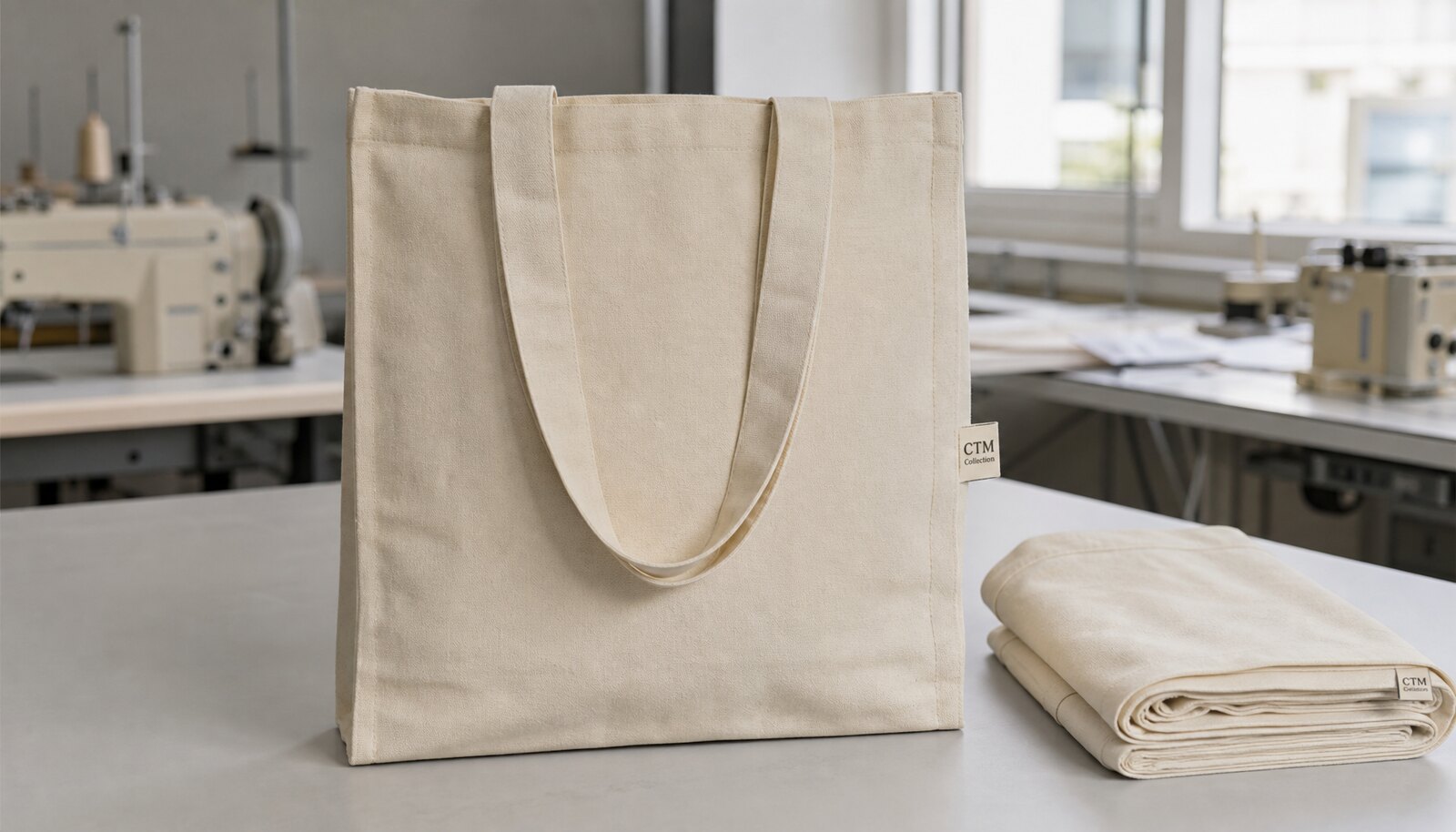
Why hotels buy cotton bags differently
Hotels do not buy cotton shopping bags as generic giveaways. The same bag may be used at a gift shop counter, in a welcome package, for spa retail, for conference handouts, or as a guest carry bag for nearby shopping. Each use case changes the buying standard. A bag that is fine for a one-day event may fail in a hotel shop if it looks thin, wrinkles badly, or cannot carry bottles and boxed items without deforming.
The first mistake is treating the bag as a decoration instead of a working carrier. In hospitality, the bag sits in a public space, so the fabric finish, print sharpness, stitching, and fold quality all affect brand perception. The RFQ should state whether the bag is meant for resale, guest use, or internal distribution, because that choice drives GSM, handle construction, packing method, and the acceptable defect level.
- Retail bags need a cleaner finish and stronger load performance than a simple event handout.
- Welcome gift bags should look premium when folded, stacked, and handed over at reception.
- Multi-property hotels often need one spec that can be used across several departments without rework.
Start with fabric, size, and construction
For cotton shopping bags, fabric weight is the first real commercial decision. Light promotional bags often sit around 140-180 GSM, which keeps cost down but still gives a reusable feel. Hotel retail programs usually work better in the 200-240 GSM range because the bag holds shape better on a shelf and survives repeated use. If the bag must carry heavier products such as bottles, books, or boxed gift sets, step up to 250 GSM or more and make sure the sewing specification supports the extra load.
Size and construction should match what the hotel actually sells or hands out. A practical hotel shopping bag often needs a moderate gusset so it can carry boxed items without bulging, plus handles long enough for a comfortable shoulder or hand carry. Ask the factory to state the finished size, handle width, handle drop, seam type, and reinforcement points in the quote. If the bag is meant to be folded and stored in guest rooms or retail drawers, avoid overly stiff structures that create unnecessary bulk.
- Use natural cotton for a clean, low-risk base when color control and replenishment speed matter.
- Use dyed fabric only when the color is part of the brand system and you can accept extra shade variation control.
- Specify reinforcement at handle points and side seams, not only the visible print area.
Printing choices that survive hotel use
For most hotel shopping bags, screen print is the default choice because it handles simple logos well, scales economically, and gives a durable result when the artwork is not overly detailed. Water-based ink gives a softer hand feel and is often preferred for natural cotton, while a different ink system may be better if the logo needs more opacity. If the artwork has multiple small elements, confirm the minimum line thickness and text size the factory can hold cleanly on the chosen fabric.
Use woven labels, side labels, or embroidery when the bag needs a more premium presentation and the logo is small enough to justify that treatment. Heat transfer can work for complex art or small pilot quantities, but it should not be accepted blindly for a reusable hotel bag without testing for cracking, peeling, or edge lift. The approved sample should show the exact fabric color, print position, and finish, because logo color on natural cotton often reads differently than it does on a screen.
- Confirm Pantone or artwork color references before sampling.
- Lock print placement with measurements from the top edge and side seam.
- If the hotel expects the bag to be reused often, run a rub or wash test on the sample.
Choose the right supplier route
Supplier route matters as much as product spec. A direct factory usually gives the best control over fabric weight, sewing quality, and packing details, especially when the hotel buyer needs repeat orders or several property deliveries. A trading company can be useful when the order combines cotton bags with other hotel items or when the buyer wants a single project manager to coordinate the order. A local decorator or print shop may be good for a rush replenishment, but it often has less control over fabric selection and may not be the best long-term source for a hotel program.
The right route depends on how much control you need versus how much speed you need. If the bag is a guest-facing retail item, ask who actually owns fabric sourcing, printing, sewing, and final packing. If the supplier cannot explain where control sits, the quote may be cheaper only because quality risk has been pushed downstream. For repeat hotel programs, the best supplier is usually the one that can reproduce the same sample across several batches with minimal drift in shade, print registration, and carton packing.
- Direct factory is strongest for custom specs and repeated replenishment.
- Trading company is useful when you need coordination across multiple SKUs or hotel departments.
- Stock importer is only suitable when the bag design can stay simple and the lead time is the main constraint.
MOQ, sampling, and approval rules
MOQ for cotton shopping bags is driven more by production setup than by the bag itself. Natural stock fabric with one simple print can support a lower MOQ than a custom-dyed fabric with a woven label and special packing. Do not accept a single total MOQ without asking for the breakdown by color, print method, and packaging. If the hotel group wants several sizes, it may be better to negotiate a combined MOQ across the range instead of forcing each SKU to meet the same threshold alone.
Sampling should move in a controlled sequence. Start with the factory's pre-production sample made from the correct fabric, then approve it as the gold standard before bulk sewing begins. On the sample, check panel size, handle symmetry, print registration, seam finish, smell, fold behavior, and how the bag looks when filled with the real products the hotel will sell. For a retail program, place the bag on a shelf and carry it with actual bottles or boxed goods, not just with empty hands.
- Ask for MOQ per design, per color, and per decoration method.
- Keep a physical master sample and a photo record of the approved version.
- If the buyer wants a multi-property rollout, approve one pilot batch before committing to the full forecast.
Packing for hotels and retail floors
Packing is not a minor detail for hotel buyers. A bag that looks fine on the sewing line can still arrive in poor condition if the fold style, polybag use, or carton fill is wrong. If the bag is sold in a gift shop or displayed in a lobby retail area, individual polybagging with a clean barcode and size label usually helps. If the bag is used internally for guest service or amenity distribution, bulk packing may be more efficient and easier to receive. The point is to specify the packing method early, because changing it late can affect carton size, freight volume, and labor cost.
For multi-property chains, packing by property or by SKU can prevent receiving mistakes. Ask the factory to print carton marks clearly, keep the count consistent, and use a carton size that is practical for the destination warehouse or hotel back room. If the route includes long transit or humid climates, ask about moisture protection and carton strength so the bag arrives clean and saleable. Small packing errors often turn into labor cost at destination, which is why they should be priced and approved at quote stage.
- State whether bags should be folded, flat-packed, or rolled for display.
- Define carton marks, barcode position, and packing count before production starts.
- If the hotel has several delivery addresses, pack by property name or SKU to reduce mis-sort risk.
QC points that prevent the usual failures
The most common failures in cotton shopping bags are simple and avoidable: crooked handles, uneven seams, print drift, loose threads, visible dirt, and a fabric shade that does not match the approved sample. The buyer should not rely on a nice-looking photo. Set tolerance language in the RFQ for finished dimensions, handle placement, and logo position, and make sure the supplier understands the acceptable defect standard before the order is released. For a guest-facing hotel item, even a small defect can look unacceptable because the bag is handled in public.
A useful inspection plan looks beyond visual appearance. Review seam strength, load behavior, print adhesion, carton count, and packaging cleanliness. If the hotel expects the bag to be reusable or washable, test that assumption on the sample, not after bulk delivery. Ask the factory to keep production lots traceable by date or batch so if a problem appears in one shipment, the source can be isolated quickly.
- Check that the logo is centered and within the agreed placement window.
- Reject bags with oil spots, rust marks, needle holes, or chemical odor.
- Verify that every carton contains the correct SKU, count, and packing style.
- Inspect handle symmetry and reinforcement before packing, not after shipment.
- Keep one sealed reference sample for comparison during final inspection.
Lead time and schedule risk
Cotton bag lead time is usually a chain of small tasks, not one single production date. The fabric must be available, the print must be approved, the sewing line must be booked, the packing method must be ready, and freight must be scheduled. Natural stock cotton is usually faster than custom dyed fabric, and a one-color logo is faster than a multi-color layout or an embroidery program. If the hotel opening date is fixed, the buyer should build a buffer into the schedule and treat the sample approval as the real starting point for the bulk timeline.
The biggest schedule risk is change after approval. Artwork changes, logo position changes, carton mark revisions, or an unexpected packing requirement can reset the production sequence and delay shipment. This is especially dangerous for seasonal retail launches, conference calendars, or opening inventories for a new property. The cleanest control method is to freeze the spec in writing, confirm the incoterm, and get explicit approval on the sample before any bulk fabric is cut.
- Treat sample approval as the lock point for artwork and construction.
- Ask the supplier to split lead time into sample, production, inspection, and freight booking.
- Build slack into the schedule if the order depends on dyed fabric or special packing.
Compare quotes by landed cost, not unit price
A useful quote comparison starts with a clean spec sheet. Every supplier should be quoting the same fabric weight, the same size, the same handle construction, the same print method, the same packing, and the same shipping term. Without that discipline, the lowest unit price is often just the weakest specification. Ask for quote data line by line: body fabric, print setup, sewing, labels, packing, cartons, sample charge, inspection, and freight basis. That makes it easier to identify where one supplier is cutting corners and where another is simply quoting more transparently.
When two quotes differ, do not stop at the bottom line. Compare the sample against the quote and ask what changed in fabric weight, stitch count, decoration method, or packing density. For hotels, the right landed cost includes not only the invoice price but also the receiving labor, the risk of rework, and the chance that the bag will look cheap on the shelf. A slightly higher quote can be the better buying decision if it protects presentation, reduces complaints, and stays consistent across repeat orders.
- Request the same incoterm from every supplier before comparing numbers.
- Separate one-time setup charges from recurring unit costs.
- Review the approved sample against the quoted spec before signing off on bulk.
Specification comparison for buyers
| Spec decision | Recommended option | When it fits | Buyer risk to check |
|---|---|---|---|
| Sourcing route | Direct factory for repeat custom runs; trading company for multi-item consolidation; local decorator for urgent domestic replenishment; stock importer for simple logo needs | Use direct factory when you need control over GSM, sewing, packing, and repeatability across hotel properties | Hidden markups, weaker fabric control, and quotes that are not built on the same spec |
| Fabric weight | 140-180 GSM for light retail, 200-240 GSM for hotel shop and gift use, 250+ GSM for premium or heavier carry loads | Pick heavier cloth when guests will carry bottles, books, or multiple purchases and the bag must feel substantial on shelf | A low GSM quote that looks cheap but leads to see-through fabric, poor hand feel, or seam stress |
| Bag size | Standard shopper size with enough gusset for boxed gifts; keep one size for retail and one slightly larger size for event use | Use a larger body when hotels sell gift sets, spa items, or bottled products and need shelf presence | Overly small bags cause poor merchandising, while oversized bags waste fabric and freight space |
| Handle construction | Wide stitched cotton handles with reinforced attachment points and a comfortable drop length | Choose this for guest-facing retail bags that will be carried through lobbies, airports, and city streets | Thin handles or weak bartacks that cut into the hand or fail under real load |
| Print method | Single- or two-color screen print for most hotel logos; woven label or embroidery for premium branding; heat transfer only for short runs or complex art | Use screen print when you want durable branding with predictable cost and decent wash resistance | Tiny text, fine gradients, and poor color matching when the supplier oversimplifies the artwork |
| MOQ strategy | Ask for MOQ by color, fabric type, and print setup rather than one headline number; combine sizes if the factory allows it | Useful for hotel groups, multi-property rollouts, and buyers who need a small pilot before a larger launch | A low total MOQ that hides high setup fees or forces a thin fabric substitute |
| Packing format | Folded bulk pack for back-of-house use; individual polybag plus barcode and size label for retail shelves | Best when bags are sold in a gift shop, issued at reception, or moved by multiple departments | Packing that looks acceptable in a sample photo but creates dust, creases, or receiving confusion in the warehouse |
| QC focus | Verify size, stitch quality, print placement, handle symmetry, odor, and carton count against the approved sample | Essential for guest-facing bags where small defects look obvious at point of sale | A sample that was approved visually but not tested for load, folding, or packing accuracy |
| Lead time plan | Allow time for sample approval, fabric allocation, printing, sewing, inspection, and booking freight separately | Works best when hotel opening dates, campaign launches, or seasonal retail windows are fixed in advance | Late art changes, carton mark changes, and freight assumptions that were never locked in the quote |
Buyer checklist before sampling
- Define the bag's use case: retail sale, welcome gift, conference handout, spa item, or guest shopping carrier.
- Lock the target GSM and fabric type before asking for prices.
- Approve final bag size, handle length, gusset depth, and reinforcement method.
- Provide vector artwork and state the exact print colors and placement.
- Ask for MOQ by fabric color, print method, and label type.
- Request a pre-production sample on the same fabric and print method as bulk production.
- State packing needs clearly: polybag, bulk pack, barcode, carton marks, and pallet rules.
- Confirm lead time for sample, production, inspection, and freight booking separately.
- Ask for the quote basis: EXW, FOB, CIF, or DDP, and identify what is excluded.
- Compare the approved sample against the bulk shipment before release.
Factory quote questions to send
- What is the finished fabric GSM, and is that before or after printing and washing?
- What is the MOQ by color, print method, and label type?
- Can you quote the same bag with screen print, woven label, and embroidery so I can compare options?
- What sample stages do you provide before bulk approval, and is the sample charge deductible?
- What seam construction and handle reinforcement will you use on the bulk order?
- How will the bags be packed inside the carton, and how many pieces per carton?
- What is the lead time for sample, bulk production, inspection, and shipment booking?
- Which incoterm is included in the quote, and what costs are excluded from the unit price?
Quality-control points to confirm
- Bag dimensions must stay within the agreed tolerance for width, height, and gusset depth.
- Handle length and handle drop must match the approved sample and be symmetrical left to right.
- Stitching must be straight, even, and free of skipped stitches, loose threads, or seam puckering.
- Handle attachment points must be reinforced and able to carry a practical filled load without tearing.
- Print placement must match the approved artwork position and be free of smudging, cracking, or color shift.
- Fabric shade must be consistent within the lot and aligned to the approved sample under daylight.
- Bags must be clean, dry, and free of oil spots, rust marks, dust, holes, and needle damage.
- Odor must be acceptable for guest-facing retail use and should not suggest damp storage or chemical residue.
- Carton count, SKU label, and packing method must match the packing instruction sheet exactly.
- If the bag is intended for reuse or laundering, run a wash or rub test on the approved production sample.