Define the liquor bottle fit before discussing unit price
Most RFQ problems for wholesale cotton drawstring pouches start with a size description that is too general. “Wine bottle pouch” or “spirit bottle bag” is not enough for production. Liquor bottles vary by diameter, shoulder angle, neck height, base punt, cap type, and label thickness. A pouch that fits a slim wine bottle can look strained on a round whisky bottle and too loose on a tall vodka bottle.
For a retail program, the pouch is not only packaging; it is handled by store teams, gift set assemblers, or consumers. The pouch must accept the bottle without forcing, close at the neck without bunching badly, and stand or lie neatly in a carton. The RFQ should include the actual bottle dimensions and a fit expectation, not only the flat pouch size.
- Provide bottle height, maximum diameter, shoulder width, neck diameter, cap height, and filled weight.
- State whether the pouch must cover the full bottle, stop below the cap, or close around the neck.
- If the program covers mixed bottle shapes, identify the largest and most difficult bottle as the fit reference.
- For mini bottle sets, specify whether pouches hold one bottle, two bottles, or a boxed set.
- Send a bottle drawing, photo with ruler, or physical bottle sample when the shape is unusual.
Choose cotton GSM by presentation level and handling stress
Cotton drawstring pouches for liquor retail usually fall between 120 GSM and 240 GSM. A 120 GSM fabric can work for low-cost promotional use, but it may show the bottle color through the cloth and can wrinkle heavily after compression. For most liquor gift packaging, 140-180 GSM is a practical range because it balances price, printability, handfeel, and freight efficiency.
Premium bottle programs often move to 200-240 GSM cotton or canvas-style cotton for a stronger handfeel. This improves opacity and shelf presentation, but it also changes the way the pouch closes. Heavy fabric gathers more bulk at the drawstring channel, so the cord diameter and channel height need to be adjusted together. If your RFQ only says “thick cotton,” suppliers may quote very different materials.
- 120-130 GSM: budget promotional pouch, light duty, lower opacity, best for short campaigns.
- 140-180 GSM: common wholesale choice for liquor gifting, good print surface, manageable cost.
- 200-240 GSM: premium look, better structure, higher freight volume, slower drawstring closure.
- Natural cotton may show seed flecks and slubs; dyed or bleached cotton gives a cleaner retail look.
- For dark print on natural cotton, request a strike-off because fabric texture affects edge sharpness.
Write pouch size and construction tolerances into the RFQ
Finished pouch size should be specified as flat width by flat height, with any bottom gusset or side gusset clearly described. The usable internal space is smaller than the flat size because seams, fabric thickness, and the drawstring channel consume area. A common mistake is approving a sample by outside measurement only, then discovering the bottle is tight after bulk sewing variations.
Construction should match the selling environment. A simple overlocked inside seam is cost efficient and common. A French seam or bound seam looks cleaner and reduces thread exposure, but it increases sewing time and unit cost. For liquor retailers, the right decision depends on whether the pouch is a gift-with-purchase, a premium retail add-on, or part of a higher-value bottle presentation.
- Recommended size allowance: bottle diameter plus 20-30 mm for single bottles, more for irregular shapes.
- Top channel height: often 25-35 mm, adjusted for cord diameter and fabric weight.
- Common tolerance: plus or minus 5 mm for small pouches; plus or minus 8 mm for larger bottle pouches.
- Seam allowance should be included in the supplier’s pattern, not deducted from the buyer’s requested finished size.
- If the pouch must stand better, discuss a boxed bottom or gusset, but expect higher sewing cost.
Match print method to cotton texture and liquor branding rules
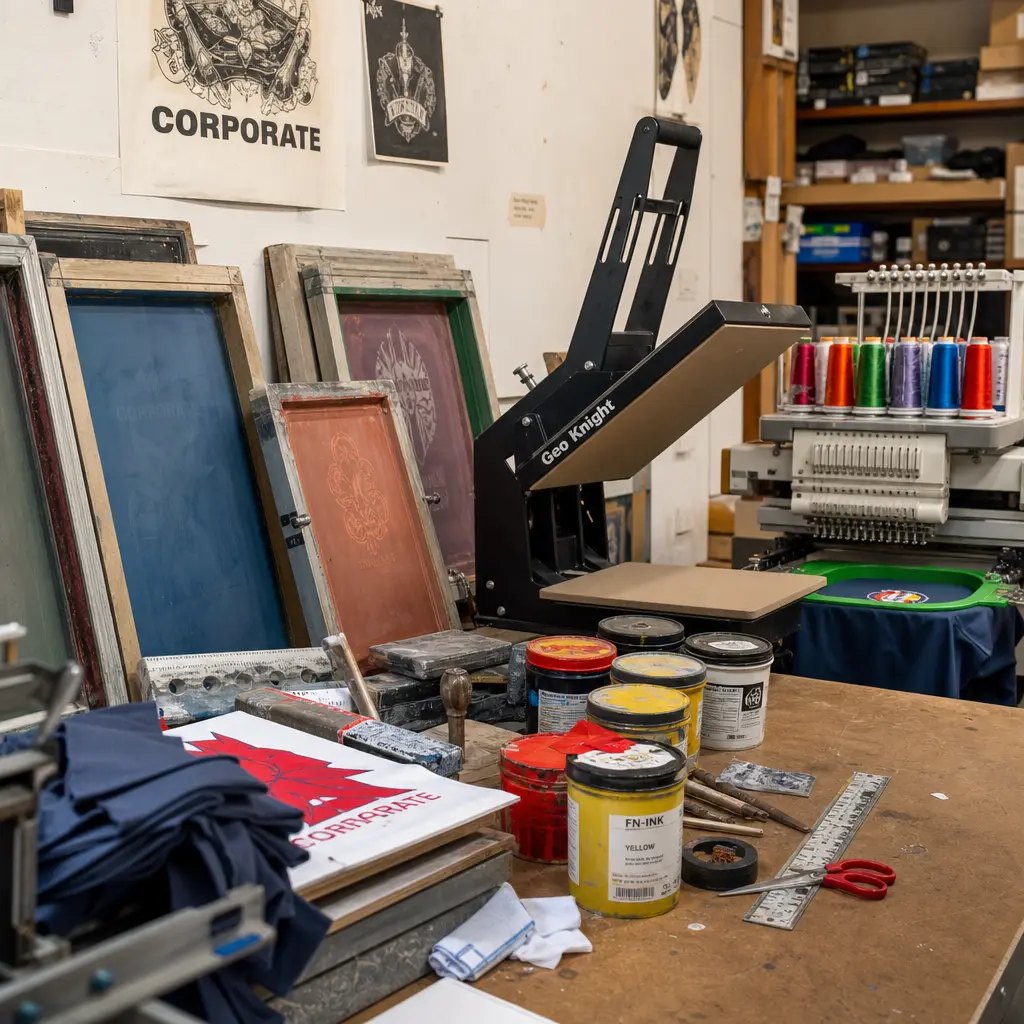
Screen printing is usually the most reliable choice for cotton drawstring pouches when the artwork uses solid colors and reasonable line thickness. It handles volume well, gives a durable result, and is easy to quote by color count and print size. For liquor retailers, screen print works for store logos, brand marks, holiday graphics, and simple campaign messages.
Heat transfer can reproduce fine details or gradients better, but it may feel less natural on cotton and can crack or lift if the film is poor or the pouch is folded tightly. Embroidery is possible but may distort lightweight cotton and add cost. Woven labels or side labels are a good option when the buyer wants a premium but restrained brand presence without putting a large ink area on the pouch.
- Supply vector artwork and Pantone references; do not rely on a JPG copied from a catalog page.
- Define print size in millimeters and position from the bottom edge or pouch centerline.
- For two-sided printing, state whether both sides use the same artwork or separate screens.
- Avoid placing logos too close to the drawstring channel, gusset fold, or side seam.
- Approve a print strike-off on the actual bulk fabric before releasing mass production.
Understand MOQ by material, artwork, and setup, not just total quantity
MOQ for cotton drawstring pouches is often misunderstood because buyers see one total order quantity while the factory sees several production lots. If you order 10,000 pouches across five bottle sizes, three fabric colors, and six artworks, the factory may treat that as many separate runs. Each run may require fabric cutting separation, print setup, sewing line control, packing segregation, and carton marking.
A useful RFQ separates quantity by each variable that affects production. This lets suppliers price honestly and prevents a quote that looks low until the proforma invoice adds screen charges, dye surcharges, small-lot fees, or extra packing labor. If the program has many SKUs, it may be better to standardize pouch size or fabric color and vary only the printed logo.
- Group the forecast by size, fabric color, cord color, print artwork, and packing method.
- Ask whether MOQ is based on finished pouches, fabric dye lot, print color, or sewing batch.
- For first orders, consider one shared pouch size if several bottles are close in dimension.
- For seasonal retail, lock artwork early because late changes can restart print approval.
- Clarify whether overruns or underruns are allowed, and what percentage is acceptable.
Compare quotes using a cost breakdown, not only the FOB unit price
A low FOB unit price can be misleading if the quote excludes setup, sample cost, carton labeling, inner packing, or inspection support. Cotton pouch pricing is driven by fabric weight, fabric color, cutting yield, sewing complexity, print area, number of print colors, cord type, packing labor, and shipment volume. A quote comparison sheet should show these items separately enough for the buyer to see what is included.
For liquor retail buyers, landed cost also depends on how the pouches are used. If pouches ship separately to a distribution center, carton dimensions and receiving labels matter. If they ship to a bottle-filling or gift-set assembly location, packing sequence and count accuracy matter more. A cheaper pouch that arrives wrinkled, mixed by SKU, or short-counted can create labor costs that exceed the savings.
- Compare fabric GSM and construction first; do not compare 120 GSM against 200 GSM as equal products.
- List one-time charges such as screens, plates, lab dips, sample courier, and special labels.
- Request estimated carton size, carton quantity, gross weight, and CBM for freight planning.
- Separate basic pouch price from retail packing, barcode labeling, and carton sorting.
- Use the same Incoterm, port, payment terms, and quote validity when comparing suppliers.
Approve samples with bottle fit, print, and packing in the same review
Sample approval should not stop at appearance. A cotton drawstring pouch can look correct on a table and still fail when the bottle is inserted. The pre-production sample should use the final fabric GSM, final drawcord, final print method, and the intended seam construction. If a substitute fabric is used for sampling, the factory should state this clearly and provide a follow-up sample before bulk cutting.
Liquor retailers often approve artwork separately from pouch fit, which creates avoidable delays. The better process is to evaluate fit, drawstring function, logo position, ink handfeel, seam strength, and packing fold at the same time. Once the buyer signs off, the approved sample becomes the production standard and should be sealed or tagged at the factory.
- Insert the actual bottle and close the drawstring three times to test ease of use.
- Measure finished width, height, top channel, cord length, and logo position.
- Fold and pack the sample as planned for bulk shipment to see wrinkle behavior.
- Rub the print with a dry and slightly damp white cloth to detect weak ink adhesion.
- Keep one approved sample with the buyer and one with the factory quality team.
Set practical QC thresholds before bulk sewing starts
QC for cotton drawstring pouches should focus on defects that affect retail use, brand appearance, and packing accuracy. Natural cotton can include small slubs, seed specks, and slight shade variation. These should be defined as acceptable or unacceptable before production. Without defect grading, an inspector may reject normal cotton texture while missing more serious issues such as wrong size, broken cord, or off-center print.
For larger wholesale orders, use an AQL inspection plan or a buyer-defined sampling plan. Critical defects include unsafe contamination, wrong artwork, wrong SKU, or pouches that cannot fit the bottle. Major defects include broken seams, missing cords, severe stains, large print defects, and incorrect dimensions outside tolerance. Minor defects include small loose threads or slight cosmetic variation that does not affect use.
- Measure samples from each production bundle or carton, not only the first finished pieces.
- Test drawcord function after sewing and after packing compression.
- Inspect print registration and color under consistent lighting, especially for brand colors.
- Trim loose threads before packing; do not rely on retail teams to correct finishing issues.
- Use carton-level SKU checks to prevent mixed artwork or mixed size cartons.
Design packing for distribution center receiving and store readiness
Packing is a major cost and risk area for liquor retail pouch programs. Loose bulk packing gives the lowest unit cost, but it can create wrinkles, counting errors, and mixed-SKU cartons. Inner polybags, paper bands, or counted bundles improve receiving accuracy. If the retailer has sustainability rules, paper bands or master polybags with reduced plastic may be preferred, but this must be quoted at the start.
Carton marks should be written like a warehouse instruction, not a decoration. The carton should identify buyer, SKU, artwork, size, color, quantity, PO number, carton number, and destination if needed. For importers shipping to multiple retail accounts, carton segregation by SKU can save repacking labor and reduce chargebacks. Maximum carton weight should be realistic for manual handling.
- Typical inner pack options: 25, 50, or 100 pieces per bundle depending on pouch size and wrinkle tolerance.
- Set a maximum carton gross weight, commonly under 15-18 kg for easier handling.
- Request carton dimensions and CBM before shipment booking, not after packing is complete.
- If barcodes are required, specify label size, placement, data format, and scannability standard.
- For store-ready programs, align carton quantity with store allocation to reduce DC split work.
Build a realistic timeline around approvals and retail launch dates
Lead time is not just the number of days for sewing. Cotton pouch programs move through artwork confirmation, material sourcing, lab dip or fabric approval, print strike-off, pre-production sample, bulk cutting, printing, sewing, trimming, inspection, packing, and export handover. Delays usually happen when artwork, Pantone references, bottle samples, or packing rules arrive late.
For planning, buyers should request a timeline with decision points. A factory can often produce quickly after approvals are complete, but cannot protect a retail launch date if the buyer changes logo size after screens are made or changes bottle dimensions after cutting. When the product is tied to holidays, limited releases, or gift-with-purchase events, the RFQ should include the required in-warehouse date, not only the desired ship date.
- Separate sample lead time from bulk production lead time in the quote comparison.
- Add time for buyer review, internal brand approval, and possible sample revision.
- Lock final artwork before print screens or transfer films are produced.
- Confirm whether peak-season capacity affects sewing and printing schedule.
- Include inspection and corrective action time before the cargo handover date.
Specification comparison for buyers
| Spec decision | Recommended option | When it fits | Buyer risk to check |
|---|---|---|---|
| Fabric weight | 140-180 GSM cotton for standard gift pouches; 200-240 GSM for premium bottle presentation | Retail gifting, club packs, holiday liquor programs, and shelf-ready add-ons | Too light may look transparent around dark bottles; too heavy may increase freight, bulk, and drawcord closing resistance |
| Pouch size | Bottle diameter plus 20-30 mm ease; height includes shoulder, neck coverage, and drawstring channel | Wine, spirits, mini bottle sets, or single premium liquor bottles with varied shapes | A pouch approved on one bottle may fail on another if the RFQ does not list exact bottle dimensions and fill weight |
| Construction | Single cotton body with folded top drawstring channel and overlocked or French seams depending on price tier | Standard wholesale programs where clean appearance and repeatable production matter | Raw inside seams can shed threads; narrow top channels can jam the cord after washing or steaming |
| Print method | Screen print for solid logos; heat transfer only for small detailed marks; woven label for low-ink premium look | Brand logos, retailer marks, holiday messages, or private-label merchandising | Ink cracking on coarse cotton, poor registration on gussets, and color mismatch if Pantone references are missing |
| Drawcord | Cotton cord 4-6 mm for natural look; polyester cord if color consistency and lower lint are priorities | Liquor retail gift packaging where the pouch must close smoothly around the bottle neck | Thin cord reduces cost but feels weak; thick cord may not run through a narrow channel and can distort the pouch top |
| MOQ logic | Base MOQ by fabric color and print setup, not only by total order quantity | Multi-SKU programs with several liquor brands, seasonal artwork, or store-group allocations | Supplier quotes may hide small-batch setup charges if each artwork, size, or cord color is treated as a separate production lot |
| Packing plan | Flat pack in inner polybags or paper bands, then export cartons with carton marks by SKU and store allocation | Distribution center receiving, retail backroom storage, and kit assembly with bottles or gift boxes | Bulk loose packing lowers unit cost but increases wrinkling, counting errors, and repacking labor at DC |
| Supplier route | Direct pouch factory for custom GSM, stitching, and packing control; trading route only if consolidating many gift items | Importers and distributors buying repeat liquor retail packaging programs | A low quote from a consolidator may lack fabric traceability, production photos, seam standards, and final packing accountability |
Buyer checklist before sampling
- List the exact bottle or carton dimensions the pouch must fit, including bottle height, diameter, shoulder shape, and filled weight.
- Specify cotton fabric type, GSM range, color, shrinkage tolerance, and whether natural cotton slubs are acceptable.
- Define pouch finished size with tolerance, seam type, top channel height, cord material, cord diameter, and closure style.
- Attach logo artwork in vector format and state print method preference, Pantone colors, print size, print position, and acceptable color tolerance.
- Separate quantities by size, artwork, fabric color, cord color, and packing method so the supplier can price MOQ and setup correctly.
- Require pre-production sample approval using the final fabric, final cord, final print, and intended bottle fit test.
- Include packing instructions: units per inner pack, carton quantity, carton marks, barcode or SKU label needs, and maximum carton weight.
- Request lead time split into sample time, material preparation, bulk production, QC, packing, and export handover.
- Ask for production evidence such as fabric weight report, in-line inspection photos, final AQL result, and carton drop-test status when relevant.
- State commercial terms clearly: Incoterm, port, payment terms, quote validity, tooling or screen charges, and whether the quote includes sample courier cost.
Factory quote questions to send
- What cotton fabric construction and GSM are you quoting, and what is the acceptable GSM tolerance in bulk production?
- Is the fabric greige, bleached, dyed, or washed, and what shrinkage or colorfastness data can you provide for this program?
- What finished pouch size tolerance can your sewing line maintain for this shape and quantity?
- Which seam construction is included in the price, and are there any exposed raw edges inside the pouch?
- What drawcord material, cord diameter, cord length, knot style, and cord color are included in the quote?
- Which print method is included, how many colors are priced, and are screen, plate, or setup charges listed separately?
- What is the MOQ by size, fabric color, cord color, and artwork, and what surcharge applies below normal MOQ?
- How many days are needed for proto sample, pre-production sample, bulk production, final inspection, and packing after approval?
- What packing method is quoted, what is the estimated carton size and gross weight, and can carton marks follow our DC routing guide?
- What documents, QC photos, and final inspection data will be supplied before balance payment or shipment release?
Quality-control points to confirm
- Finished pouch width and height should be measured flat at top, body, and bottom, with tolerance agreed before production, commonly plus or minus 5 mm for small pouches and plus or minus 8 mm for larger bottle pouches.
- Fabric GSM should be verified from bulk fabric, not only from the sample, because a 20 GSM difference can change opacity, handfeel, and freight volume.
- Drawstring channel must allow smooth opening and closing without cord snagging, twisting, or pulling through the side opening.
- Print position should be measured from pouch centerline or bottom edge, not estimated visually, especially when the logo must face forward on shelf.
- Ink adhesion should pass a basic rub test and folding test on the actual cotton surface before production release.
- Seams should be checked for skipped stitches, broken threads, loose overlock tails, and seam slippage under a light pull test.
- Bottle fit should be tested with the buyer’s actual bottle or a dimensionally accurate dummy, including closure after the bottle is inserted.
- Packing inspection should include unit count per inner pack, carton quantity, carton marks, barcode readability, and carton compression condition.
- Final inspection should separate critical, major, and minor defects so cosmetic slubs are not treated the same as wrong size, broken cord, or missing print.
- Retain approved samples and sealed production reference samples at both buyer and factory sides until the shipment is received and accepted.