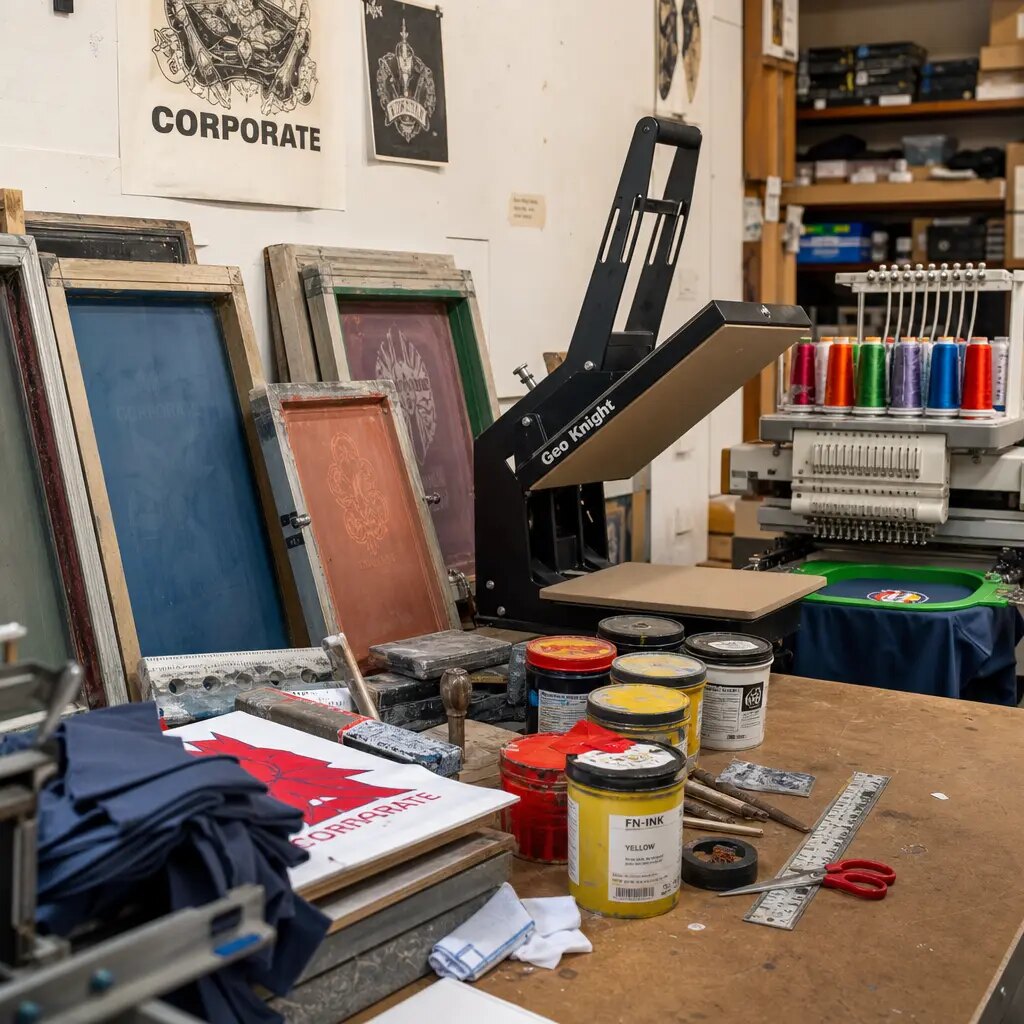
MOQ negotiation starts with the product, not the price
Cotton drawstring pouches look simple on a line sheet. In production, they are not just a small bag with a cord. A factory is pricing fabric booking, cutting yield, sewing setup, cord preparation, print or transfer setup, drying or curing, labels, packing labor, carton space, inspection time, and expected waste. MOQ is the quantity where those steps begin to make commercial sense.
For eco apparel brands, the pouch also carries brand meaning. Natural cotton, recycled cotton, certified organic cotton, reusable presentation, and reduced-plastic packing all shape how customers read the garment. A low-MOQ pouch that changes shade, GSM, cord, or print quality on reorder can make a considered apparel program feel inconsistent. The goal is not simply to buy fewer pieces. The better goal is to buy a practical opening quantity at a spec that can be repeated and inspected.
The most useful negotiation separates fixed costs from variable costs. Fixed costs may include artwork preparation, screens, label development, dyeing setup, sample work, and packing instruction setup. Variable costs include fabric, thread, cord, ink, labels, sewing minutes, cartons, and handling. Once these are visible, procurement can decide whether to simplify the spec, pay a separate setup fee, accept a higher unit price for a smaller run, or commit to a cleaner reorder plan.
The question to ask early is direct: what is driving the MOQ? One supplier may be limited by fabric dye lot. Another may be constrained by screen-print setup. A third may sew the quantity but cannot source custom woven labels below a separate minimum. This is where the cotton drawstring pouches for eco apparel brands MOQ negotiation guide becomes practical: find the real constraint before asking for a better number.
- Define size, GSM, color route, artwork, label, cord, and packing method before asking for MOQ.
- Ask the supplier to name the MOQ driver: fabric, dyeing, printing, labels, sewing setup, packing, or order value.
- Separate total MOQ from per-size, per-color, per-artwork, and per-label minimums.
- Treat the first order as a controlled production run, not a shortcut around sampling and QC.
Start with the pouch use case and packed product data
The first technical decision is what the pouch must do. A pouch for a folded organic cotton T-shirt does not need the same construction as a pouch for a knitwear set, a footwear accessory, a candle collaboration, or a premium gift bundle. A pouch that ships inside an e-commerce carton may prioritize cleanliness and low waste. A pouch displayed in retail may need better body, more consistent pressing, sharper branding, and stricter packing.
Procurement should collect three pieces of product data before sending an RFQ: folded item dimensions, packed item weight, and insertion method. Measure the garment after folding, not from the flat garment pattern. If tissue, a postcard, a care card, a hanger tag, or a spare button envelope goes inside the pouch, test with those items included. Then add clearance at the opening so packing staff can insert goods without stretching the side seams or forcing the drawcord closed.
Finished size should be stated in millimeters. For example, a pouch may be 260 mm wide by 340 mm high, measured flat after sewing and pressing, with a 25 mm drawcord channel and no bottom gusset. Another may be 300 mm wide by 400 mm high with a 50 mm folded bottom gusset. Those are different cutting and sewing requirements. They should not be quoted as a generic medium cotton pouch.
Tolerances need to match the use case. A small accessory pouch may need tighter sizing than a garment storage pouch. Many sewn cotton packaging pouches are discussed around ±5 mm for smaller sizes and ±8-10 mm for larger apparel pouches, but the factory must confirm what is realistic. Cotton can relax, distort, shrink, or change slightly after pressing, washing, or humid storage. The written tolerance should reflect real production behavior, not a perfect digital drawing.
Size variation also affects MOQ. One core size is easier to cut, bundle, sew, inspect, pack, and reorder. Three similar sizes may look tidy in a merchandising plan, but they create separate cutting markers, bundle controls, carton marks, warehouse locations, and mixing risk. For a first pouch program, approve one primary size before adding secondary sizes.
- Measure the folded product and packed weight before issuing the RFQ.
- Define finished width, height, channel height, gusset depth, and measuring method in millimeters.
- State whether measurement is after sewing, pressing, washing, or packing.
- Limit the first production run to one or two pouch sizes unless operational data supports more.
Specify cotton fabric with enough detail to protect the quote
The word cotton is not enough for a B2B quote. A complete pouch fabric specification should include GSM, weave or construction description, finish, color route, and any sustainability documentation required. Natural unbleached cotton, bleached cotton, dyed cotton, recycled cotton, and certified organic cotton can carry different MOQs, shade controls, shrinkage behavior, documentation requirements, and lead times.
For many apparel packaging pouches, 120-150 GSM is the practical working range. Around 120-130 GSM can suit lightweight garments, socks, intimates, accessories, or insert pouches where the pouch is not expected to carry heavy weight. Around 140-150 GSM often gives better opacity, a more stable handfeel, and a more retail-ready look. Around 180 GSM can work for heavier folded goods or reusable gift packaging, but it adds material cost and shipping weight and may feel stiffer.
GSM should always be tied to tolerance. A supplier quoting 140 GSM should say whether the acceptable range is ±5%, ±10%, or something else. A wider tolerance may improve availability or reduce cost, but it can also create visible differences between orders. If the pouch must feel consistent across seasonal drops, use the approved swatch and written GSM range together.
Weave and finish matter as much as weight. A loose, open weave may reduce cost, but it can create uneven print edges, seam distortion, and more show-through. A tighter weave usually supports cleaner logo edges and a smoother presentation, although it may cost more. Natural unbleached cotton can show seed flecks, slubs, neps, and shade variation. Some eco apparel brands want that honest natural look. Others need a cleaner retail surface. Decide before production which marks are acceptable character and which are defects.
Claims need discipline. If the brand plans to describe the pouch as organic, recycled, undyed, plastic-reduced, or reusable, procurement should request documentation that supports the claim and avoid language the supplier cannot substantiate. Certified organic cotton, recycled cotton, and traceability programs may raise MOQ compared with standard natural cotton. Low MOQ is easier with available stock fabric, but the buyer should confirm whether that fabric supports the brand's packaging claim and whether it can be repeated.
- State fabric type, GSM target, tolerance, weave or handfeel, color route, and finish in the RFQ.
- Confirm whether natural flecks, slubs, neps, and shade variation are acceptable or defects.
- Ask whether fabric is stocked, made to order, dyed to order, washed, pre-shrunk, or calendered.
- Do not make organic, recycled, or similar claims unless documentation is available and acceptable to the brand.
Choose branding methods that match the order size
Branding often changes the real MOQ more than buyers expect. A plain natural cotton drawstring pouch can be flexible because the process is mainly fabric, cutting, sewing, cord, and packing. Add a printed logo, woven side label, barcode sticker, hangtag, or paper band, and the order now has setup, version control, and extra inspection points. Each add-on may carry its own minimum.
One-color screen printing is often the most stable choice for repeat pouch programs with simple logos or wordmarks. It has predictable setup, good cost control, and works on many cotton fabrics. Two-color screen print can also work, but each color adds screen cost, registration time, curing control, and reject risk. Thin lines, small type, large solid ink areas, and artwork close to seams or drawcord channels should be reviewed carefully because cotton texture and seam bulk can affect print clarity.
Heat transfer can be useful for detailed artwork, gradients, photo-like graphics, or short seasonal designs. It deserves a physical review. A transfer may look sharp at first but feel less natural on cotton. For an eco apparel brand, that handfeel can matter. The brand team should approve the actual strike-off rather than relying on a digital mockup.
Woven labels can create a premium sewn-in detail and avoid printing directly on the pouch body. They are not automatically easier. Label weaving has setup, yarn color approval, cut-and-fold decisions, and a separate MOQ. A side label inserted into a seam also changes the sewing sequence. Define label dimensions, fold type, visible face, placement from the top edge, and stitch method.
Artwork instructions should be measurable. Instead of saying the logo should be centered, specify logo size, print area, distance from the top edge, distance from the side seam or centerline, and acceptable placement variance. For many simple pouch prints, ±3-5 mm may be a practical range, but the exact tolerance should be agreed before production. Always approve a print strike-off on the actual fabric.
- Use one-color screen print when the goal is low-risk MOQ negotiation and repeat consistency.
- Separate screen charges, transfer setup, label setup, and unit price in supplier quotes.
- Keep artwork away from seams, bottom folds, cord exits, and the drawcord channel unless feasibility is confirmed.
- Approve strike-offs for ink color, coverage, curing, line clarity, handfeel, and placement.
Reduce MOQ by simplifying the right variable
Factories set MOQ around operational bottlenecks. The bottleneck may be fabric booking, dye-lot size, cutting efficiency, screen-print setup, sewing-line changeover, label production, carton packing, or minimum order value. A supplier may accept 3,000 pieces total but require 1,000 pieces per fabric color. Another may allow several colors but require a minimum per artwork because print setup is the constraint.
The most productive question is simple: which part of this specification creates the MOQ? If the answer is custom-dyed fabric, the buyer may choose natural unbleached stock fabric for the first run and delay dyed colors until reorder demand is proven. If the answer is print setup, the buyer may use one artwork across multiple sizes or reduce color count. If the answer is label MOQ, the buyer may print the logo for the opening order and introduce woven labels later.
Buyers can also reduce MOQ by making the production run easier. One fabric, one GSM, one size, one cord, one artwork, one print color, and bulk packing by SKU are easier for a factory to schedule than a mixed seasonal assortment. A supplier may accept a lower opening quantity if the buyer pays a separate setup charge. That is often cleaner than hiding setup inside a high unit price, especially when procurement needs to compare first-order cost against reorder cost.
Color splits should be negotiated separately from total quantity. If the brand wants natural, black, and one seasonal color, it may be more realistic to put most units in natural cotton and a smaller approved amount in one accent color. Equal splits across all colors can be expensive when dyed fabric requires minimum dye lots or shade approval.
Responsible MOQ negotiation should not remove critical controls. A very low-MOQ offer may rely on leftover fabric, substitute cord, mixed cartons, unapproved print settings, or no sealed sample. That may be acceptable for an internal promotional item. It is risky for customer-facing apparel packaging. Lower complexity before lowering quality requirements.
- Ask whether MOQ is driven by fabric, color, print, label, sewing, packing, or order value.
- Simplify construction and branding before requesting a quantity concession.
- Consider paying setup charges separately so opening quantity can be lower without hiding costs.
- Use realistic reorder forecasts only; do not promise volume the brand cannot support.
Build a quote sheet that makes suppliers comparable
A reliable quote sheet protects procurement from misleading unit prices. Two suppliers may both quote cotton drawstring pouches. One quote may include 150 GSM fabric, one-color screen setup, woven side label, inner bundles, export carton, and final inspection. The other may use 120 GSM fabric, no label, loose packing, and setup charges excluded. The lower unit price is not necessarily the lower landed cost.
The quote sheet should start with construction: finished size, tolerance, fabric GSM, fabric type, fabric color, cord material and diameter, closure style, seam type, print method, number of print colors, logo size, logo placement, label requirements, packing method, and cartonization. Every supplier should quote the same assumptions. If a supplier proposes an alternative spec, list it separately as an option.
Commercial terms belong in their own section. Capture MOQ, price breaks, sample charges, screen or tooling charges, label setup, dyeing charges, lead time, payment terms, Incoterm, quote validity, overrun or underrun policy, inspection terms, and defect claim process. This helps buyers compare opening-order cost, reorder cost, and operational risk.
Price breaks should match real business decisions. Instead of asking random tiers, request quantities the brand might actually approve: a small first order, a medium reorder, and a larger seasonal run. If the unit price drops sharply at a specific tier, ask what threshold is being reached. The answer may reveal roll efficiency, dye-lot economics, screen amortization, or carton packing efficiency.
Landed cost includes receiving work. Bulk packing may lower factory labor, but if the destination warehouse must count, sort, sticker, or repack every pouch, the saving can disappear. Retail-ready packing costs more at source but may reduce downstream labor. Ask for carton dimensions, gross weight, pieces per carton, and inner pack counts before approving the supplier.
- Require suppliers to quote identical size, GSM, color, print, label, cord, and packing assumptions.
- List setup charges separately and identify whether they repeat on reorder.
- Request carton quantity, carton dimensions, gross weight, and packing list format during quotation.
- Record exclusions so internal stakeholders do not compare incomplete quotes.
Approve samples that reflect bulk production
A sample is useful only if it predicts the bulk order. Cotton pouch samples are sometimes carefully hand-cut or sewn outside the normal line. They may look excellent, then bulk production reveals size variation, print-placement drift, cord channel tension, seam puckering, or shade differences. Ask how the sample was made and whether any temporary material, cord, label, or print method was used.
A practical approval route starts with fabric swatches. Review GSM, shade, opacity, texture, handfeel, and natural surface character. If the pouch uses natural cotton, decide whether seed flecks, slubs, and shade variation are acceptable. If it uses dyed cotton, request lab dip or shade approval before bulk cutting. For recycled or certified organic cotton, check documentation before the brand commits to claims.
Next approve the branding. A print strike-off should be made on the selected fabric, not on a substitute swatch. Check ink color, coverage, edge definition, curing, handfeel, odor, rub resistance if required, logo scale, and placement. For woven labels, approve yarn colors, dimensions, fold type, edge finish, and placement. Digital mockups help alignment, but they do not replace physical approval for customer-facing packaging.
The pre-production sample should use final fabric, final cord, final print method, final label, final sewing construction, and intended packing approach where possible. Measure it against the spec sheet. Check the pouch empty and filled with the actual folded garment or product bundle. The cord should close without excessive force, the channel should not twist, and the seams should not distort under normal packed weight.
Once approved, keep sealed reference samples. One should remain with the supplier, one with the buyer or brand team, and one may be used by the inspector. The sealed sample supports appearance and workmanship, but it does not replace the written specification. Measurements, tolerances, carton counts, defect rules, and packing requirements still belong in the PO.
- Approve fabric swatches before print because texture and shade affect logo appearance.
- Use strike-offs to confirm real ink or transfer performance on the final fabric.
- Test the pre-production sample with the actual folded apparel item or bundle weight.
- Tie the sealed sample to a dated spec sheet, artwork file, and purchase order number.
Write QC standards before the purchase order is released
Quality control should be defined before production starts. If the PO only says good quality, disputes become subjective. A stronger PO defines fabric, size, stitching, cord, print, label, cleanliness, packing, and acceptance criteria. The point is not to over-engineer a simple pouch. The point is to remove ambiguity so the factory, buyer, and inspector evaluate the same requirements.
Fabric QC should cover GSM, shade, surface character, opacity, and defects. GSM should be checked against the agreed range. Shade should be compared with an approved swatch or sealed sample under consistent lighting. Natural cotton may include flecks, but oil marks, heavy stains, large weaving defects, holes, and unacceptable shade variation should be classified as defects. Dyed fabric may need extra attention to shade lot and rubbing performance.
Construction QC should cover seams, drawcord channels, stitch consistency, reinforcement, and function. Inspect side seams, bottom seams, channel stitching, skipped stitches, broken threads, loose ends, seam slippage, puckering, and needle damage. The cord should slide smoothly and should not pull out during normal use. If the pouch will hold heavier apparel or gift bundles, add a practical load test using the intended product weight.
Print QC should match the artwork risk. Check logo size, orientation, position, registration, ink coverage, pinholes, smudging, bleeding, cracking, odor, and curing. Measure placement from fixed reference points such as the top edge, side seam, centerline, or bottom edge. A simple-logo tolerance may be a few millimeters, but set the exact limit with the supplier before production.
Packing QC is a real quality requirement. A shipment can pass visual inspection and still create receiving problems if carton counts are wrong or SKUs are mixed without approval. Inspect inner bundle count, master carton count, carton marks, carton condition, gross weight, barcode scan quality, and packing list accuracy. If pouches go to multiple warehouses or apparel factories, packing precision can matter as much as sewing quality.
- Put GSM, finished-size, logo-placement, and carton-count tolerances directly into the PO.
- Use the sealed sample for appearance, but rely on written specs for measurable acceptance.
- Inspect loaded pouches when the pouch must carry apparel, not only flat empty samples.
- Check packing accuracy, carton marks, and barcode scanning before shipment release.
Control packing, cartonization, and receiving cost
Packing choices affect the true cost of cotton drawstring pouches. Loose bulk packing may reduce the factory price, but it can create labor at the destination warehouse. Workers may need to count, sort, re-bundle, sticker, relabel, or repack pouches before they can be used. For procurement teams, the right packing method is the one that supports the next supply-chain step.
Bulk packing by SKU is often efficient for apparel brands. Define a fixed inner bundle count, such as 50 or 100 pieces per bundle when appropriate for the pouch size, and a fixed master carton quantity. The exact count should be agreed based on pouch size, fabric weight, carton strength, and warehouse handling needs. Avoid unapproved mixed cartons. If assortments are required, the carton label and packing list must show the exact breakdown.
Retail-ready packing may be necessary when the pouch is sold with the product or displayed in stores. This can include individual bags, paper bands, hangtags, barcode stickers, or folded presentation. Each step adds labor, materials, and inspection points. If the brand wants to reduce plastic, ask for alternatives, but make sure the pouches remain protected from moisture, dust, ink transfer, and carton abrasion during export handling.
Carton dimensions should be confirmed before production is complete. Cotton pouches compress, but too much compression can create wrinkles, channel distortion, and poor retail presentation. Under-filled cartons waste freight space and can collapse when stacked. Ask for pieces per carton, carton dimensions, gross weight, net weight if needed, and pallet configuration if the shipment will move through palletized distribution.
Carton marks should match the buyer's receiving system. At minimum, include buyer code, PO number, item number, pouch size, color, quantity, carton number, and country of origin where required. If barcodes are used, confirm file version, print quality, and scan performance before shipment.
- Define inner bundle count, master carton quantity, carton dimensions, and gross weight before final quote approval.
- Avoid mixed cartons unless the assortment is approved and clearly stated on carton marks and packing list.
- Compare bulk packing and retail-ready packing based on total landed workflow cost, not only unit price.
- Confirm barcode, carton label, and packing list accuracy before shipment.
Plan lead time around approvals, materials, print, and inspection
Lead time is more than sewing days. Delays often happen before the sewing line starts: artwork confirmation, fabric booking, shade approval, print strike-off, label development, cord sourcing, and packing instruction finalization. A supplier may say production takes two or three weeks, but that estimate may begin only after all approvals and materials are ready. Ask for a stage-by-stage calendar.
Material availability is often the first bottleneck. Standard natural cotton in a common GSM may be available quickly. Certified organic cotton, recycled cotton, unusual GSM, washed fabric, or custom-dyed fabric may require booking. Dyed cotton may need lab dip approval, bulk dyeing, drying, and shade inspection. If the buyer accepts a low MOQ based on available fabric, ask whether the same fabric can be used for reorder.
Artwork can reset the schedule. Screen printing requires final vector files, print size, color references, and placement. Any change after strike-off approval can require a new screen, new strike-off, or revised production setup. If several internal teams must approve the logo, build that time into the schedule instead of expecting the supplier to absorb it.
Packing instructions can also create late delays. If barcode files, carton marks, hangtag files, or inner pack counts arrive after production, finished goods may sit unpacked or require rework. Treat packing as part of the technical specification and freeze it before bulk production finishes.
For apparel launches, pouch timing should be linked to garment timing. If pouches are needed for kitting at a garment factory, they must arrive before the packing window. If they are used in an e-commerce warehouse, late arrival may force temporary substitute packaging and weaken brand consistency. Build in time for final inspection, corrective action, and shipping so a small issue does not become a launch problem.
- Request a calendar covering sampling, artwork approval, material booking, production, QC, packing, and shipment readiness.
- Freeze artwork, labels, barcodes, and packing instructions before bulk production begins.
- Confirm whether low-MOQ production depends on shared fabric, consolidated printing, or supplier stock availability.
- Add inspection and rework buffer for programs tied to apparel launch dates or retail delivery windows.
Specification comparison for buyers
| Spec or quote decision | Procurement recommendation | When it fits best | MOQ, cost, or QC risk to check |
|---|---|---|---|
| Supplier route | Use a direct pouch factory, or a sourcing partner that can show who controls fabric purchasing, cutting, sewing, printing, labeling, final inspection, and export packing. | Best for eco apparel brands that need repeatable pouch specs across e-commerce, retail, gifting, apparel launches, and replenishment programs. | Ask which steps are in-house and which are subcontracted. Outsourced dyeing, printing, labels, or packing can affect lead time, sample accuracy, rework responsibility, and defect claims. |
| MOQ structure | Negotiate MOQ by construction first, then clarify minimums per finished size, fabric color, print artwork, print color count, label style, and packing SKU. | Useful when one pouch body can support natural, black, and seasonal colors without changing cutting or sewing. | A quote that says 2,000 pcs total may still require 500-1,000 pcs per color or artwork. Put the exact MOQ trigger in the quote and PO. |
| Finished size | Specify flat finished width and height in millimeters, plus channel height and gusset depth if used. Include measurement points and tolerances. | Important for folded T-shirts, underwear, socks, scarves, accessories, knitwear sets, sample kits, and subscription boxes. | If size is only nominal, suppliers may measure cut panels instead of finished pouches. Cotton relaxation, seam allowance, washing, and pressing can change final dimensions. |
| Fabric weight | Specify 120-150 GSM for most apparel packaging; use 180 GSM or heavier only when the pouch needs a premium reusable feel or must hold heavier folded goods. | Fits shirts, intimates, socks, accessories, scarves, sample kits, and lightweight gift bundles. | Confirm GSM tolerance, often around ±5% when agreed. Lighter fabric can be transparent or weak at the channel; heavier fabric increases unit cost, carton weight, and freight impact. |
| Fabric type and finish | Define natural unbleached cotton, bleached cotton, dyed cotton, recycled cotton, or certified organic cotton before pricing. State whether the fabric is washed, pre-shrunk, calendered, or left with a natural handfeel. | Critical when packaging claims must match an eco apparel brand's sustainability language and customer-facing copy. | Certified, recycled, custom-dyed, washed, or pre-shrunk fabrics can create higher MOQs, longer booking time, shade-lot controls, shrinkage risk, and documentation requirements. |
| Print method | Use one-color screen print for simple repeat programs. Consider woven side labels for a premium sewn-in detail. Use heat transfer when artwork complexity or low color quantities justify the trade-off. | Best when the logo is simple and repeatability matters more than seasonal artwork complexity. | Each print color adds setup, registration risk, drying or curing time, and inspection points. Ask for setup charges, artwork size limits, placement tolerance, and rub or crocking expectations. |
| Cord and closure | Choose single drawcord for lightweight packaging and double drawcord for stronger presentation or heavier contents. Define cord material, diameter, length, knot or tip method, and channel height. | Fits apparel inserts, retail bundles, gift sets, travel pouches, accessories, and reusable customer packaging. | Cord that is too thin can feel cheap or cut into fabric; cord that is too thick can jam. Check draw function, knot security, and pull-out resistance with the actual product weight. |
| Labels and add-ons | Quote woven side labels, internal care or content labels, hangtags, barcode stickers, paper bands, individual bags, and retail inserts as separate line items. | Helpful when comparing basic bulk-pack pouches against retail-ready packaging. | Labels often have their own MOQ and setup. Barcode stickers must scan. Hangtags and paper bands add packing labor and can change carton counts. |
| Packing route | Pack by SKU, size, and color with fixed inner bundle counts, master carton quantities, carton marks, and pallet rules if required. | Best for apparel warehouses, importers, fulfillment centers, retail distribution programs, and factory-to-factory kitting. | Loose mixed packing can reduce factory labor but create receiving disputes, counting labor, carton relabeling, and possible warehouse chargebacks. |
Buyer checklist before sampling
- Define the pouch purpose: folded garment packaging, retail set, gift pouch, accessory pouch, e-commerce insert, subscription kit, returnable storage pouch, or reusable customer item.
- Provide folded product dimensions and product weight. Add realistic insertion allowance so warehouse staff can pack the pouch without forcing seams or the drawcord channel.
- Specify finished pouch width and height in millimeters, including acceptable tolerance. Define channel height, seam allowance expectation, gusset depth, and measurement stage.
- Specify fabric by type, GSM, weave or handfeel, color route, finish, and sustainability requirement: natural cotton, bleached cotton, dyed cotton, recycled cotton, or certified organic cotton.
- Ask whether fabric is stock, made to order, dyed to order, washed, pre-shrunk, or finished after sewing because each route affects MOQ, lead time, shrinkage, and shade control.
- Send vector artwork with Pantone or other color references, print size, print method preference, logo placement from fixed edges, and acceptable print-position variance in millimeters.
- State whether the quote must include cord, cord knotting, bartacks, woven side label, internal label, hangtag, barcode sticker, individual bagging, paper banding, carton labeling, or palletization.
- Limit first-round negotiation to the few variables that matter most: usually one core size, one fabric GSM, one print method, one artwork, and a controlled color split.
- Ask suppliers to separate sample charges, screen or tooling charges, label setup, dyeing charges, and unit price so first-order economics and reorder economics are visible.
- Request a sample route that includes fabric swatch, print strike-off on actual fabric, pre-production sample, and sealed reference sample for inspection.
Factory quote questions to send
- What exact cotton fabric are you quoting: GSM, weave, finish, color route, and tolerance range?
- Is the quoted fabric greige, natural unbleached, bleached, piece-dyed, yarn-dyed, washed, pre-shrunk, recycled, or certified organic?
- Is the MOQ based on total quantity, each pouch size, each fabric color, each print artwork, each print color count, each label style, packing SKU, or minimum order value?
- Can you quote the same construction at 120 GSM, 140 GSM, 150 GSM, and 180 GSM so we can compare cost, opacity, handfeel, and freight impact?
- Is the fabric in stock or made to order? If it is stock fabric, can the same specification be reserved or repeated for reorders?
- Does natural, bleached, dyed, recycled, or certified organic cotton change MOQ, sampling time, documentation, or lead time?
- What print method is included in the quote: screen print, heat transfer, digital print, or another process? What setup charges apply for one-color versus two-color artwork?
- What is the minimum line thickness and recommended distance from seam, bottom edge, drawcord channel, or cord exit for the selected print method?
- Can you quote with and without woven side label, internal label, hangtag, barcode sticker, paper band, and individual bag so we can compare basic versus retail-ready cost?
- What cord material, cord diameter, drawcord length, channel height, knot method, and bartack or reinforcement method are included?
Quality-control points to confirm
- Fabric GSM should be tested against the agreed tolerance, commonly ±5% unless the buyer approves a wider range. Record the test method and sampling quantity.
- Fabric appearance should match the sealed sample for shade, slub level, seed flecks, weave openness, surface hairiness, opacity, and handfeel under daylight-like lighting.
- Dyed cotton should be checked for shade consistency between panels, bundles, and cartons. If colorfastness matters, define rubbing or crocking expectations before production.
- Finished pouch size should be measured flat after sewing and finishing, not only at cut-panel stage. Define width, height, channel height, bottom gusset, and measurement points.
- Finished-size tolerance should be written into the PO. Common commercial tolerances may be around ±5 mm for small pouches and ±8-10 mm for larger pouches, depending on construction.
- Side seams, bottom seams, and drawcord channel stitching should be checked for skipped stitches, broken stitches, loose threads, seam slippage, needle damage, puckering, and uneven seam allowance.
- Stitch density should be consistent with the approved sample. If a numeric stitch-per-inch requirement is used, confirm it before sampling because it affects appearance and sewing time.
- Cord length should be even across units, securely knotted or finished, and able to pass a practical pull test without slipping through the channel.
- Cord channel function should be checked by opening and closing the pouch multiple times. The cord should slide smoothly without fabric tearing, jamming, or twisting.
- Bartacks or reinforcement points should be inspected at cord exits and stress points, especially when the pouch will carry folded garments, bundles, or heavier accessories.