Start With the Filled Pouch, Not the Flat Artwork
For artisan bakeries, logo placement fails most often because the buyer approves a flat pouch while the retail product is bulky, soft, or uneven. A 120 mm wide pouch carrying a flat tea biscuit pack behaves differently from the same pouch carrying loose macarons, granola clusters, or a small boxed cake slice. Once the drawstring is pulled, the upper area gathers, the side seams move forward, and the center of the front panel may curve around the product.
Before sending an RFQ, define the packed format in practical terms: item dimensions, weight, whether it is boxed or loose, and whether the pouch stands upright on shelf. The supplier can then recommend a finished pouch size and a safe print zone. If the bakery team has not finalized the product, request a pouch sample with two or three placement marks printed cheaply in one color, then test with the intended item. That small sampling step prevents a bulk order where the logo is technically centered but commercially hidden.
- For flat cookies or wrapped biscuits, a lower center logo often remains visible after the top is pulled closed.
- For soft rolls or irregular pastry bundles, reduce logo width so the design does not curve around the sides.
- For boxed bakery gifts, keep the logo clear of the box corners that press into the cotton.
- For counter baskets, test visibility from a 45-degree viewing angle, not only from a flat front photo.
Choose Pouch Size Around the Logo Safe Zone
A buyer can write a better specification by separating the pouch dimensions from the usable logo area. Finished size is normally stated as width by height after sewing. The usable logo area is smaller because the drawcord channel, seam allowance, bottom fold, and filled product shape all reduce the clean print zone. For a small 100 x 150 mm pouch, a 60 mm wide logo may already be close to the maximum practical size. For a 200 x 300 mm gift pouch, a 90 to 120 mm logo can work if the artwork is simple.
The safe zone should be given in millimeters, not described as top, middle, or centered. A workable instruction might read: one-color logo, 75 mm wide, centered horizontally, logo top edge 45 mm below the finished top edge, minimum 25 mm below the drawcord channel stitch line. That gives production staff a measurable target and gives QC an acceptance point. If the pouch has a side label, ribbon, hangtag, or ingredient sticker, add those to the placement drawing so the front print does not compete with later packaging components.
- Leave 20-30 mm below the drawcord channel on small pouches before starting the logo.
- Keep the logo at least 15-20 mm away from side seams to reduce edge distortion.
- Avoid placing detailed text within the bottom 20 mm, where folds and carton pressure often occur.
- Use finished size tolerance and print placement tolerance as two separate QC lines.
Match Cotton Weight to Print Clarity and Bakery Use
Cotton drawstring pouches for bakeries are commonly made from natural cotton in the 4 oz to 8 oz range, roughly around 135 to 270 GSM depending on construction and supplier conversion. For light gift cookies, 5 oz cotton is often enough and keeps the pouch soft. For premium bakery gift programs, 6 oz or 7 oz cotton gives a better retail hand feel and usually accepts screen print more cleanly. If the pouch carries a boxed item or multiple products, 8 oz cotton can improve structure but will increase fabric cost and shipping weight.
Do not select GSM only from a catalog line. Natural cotton varies in weave density, slub, hairiness, and shade. These details affect how a black, brown, or dark green bakery logo appears. A rough cotton surface may suit an artisan image, but tiny serif lettering can fill in during printing. A smoother cotton gives cleaner print edges, but the look may feel less rustic. Buyers should request fabric swatches and a print strike-off before approving bulk, especially when the logo has fine text or a small icon.
- 4 oz cotton suits very light items or promotional inserts but may feel too thin for paid retail packaging.
- 5 oz to 6 oz cotton is a practical range for small bakery pouches with one-color logos.
- 7 oz cotton gives stronger perceived value for gift sets and branded seasonal packaging.
- 8 oz cotton should be justified by product weight, premium positioning, or repeated handling.
Select the Print Method Before You Approve Placement
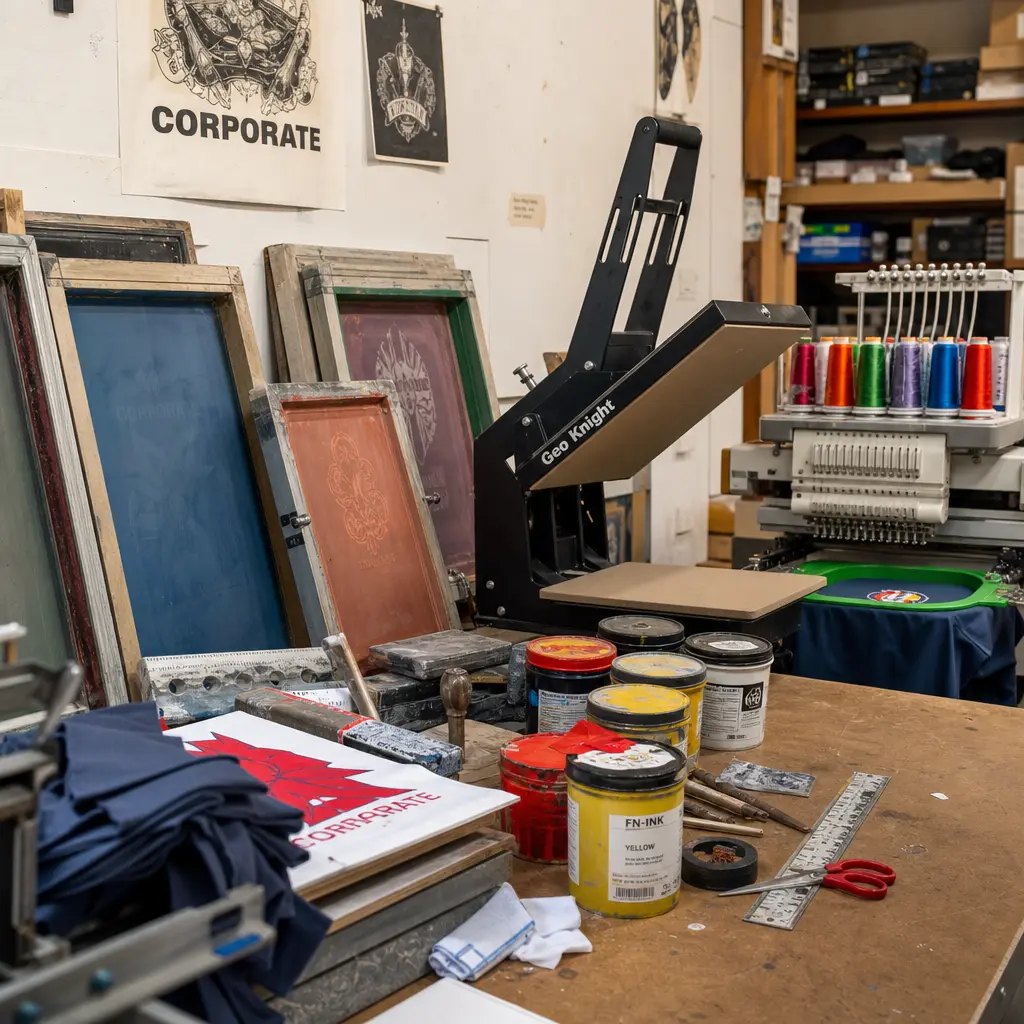
Screen printing is usually the most stable option for cotton drawstring pouches when the bakery logo uses one to three solid colors. It works well for repeat wholesale orders because setup cost is spread across the quantity and the print sits directly on the fabric. For a natural cotton pouch, black, dark brown, deep green, or burgundy screen print often gives enough contrast without making the package look too commercial. The key is to keep line thickness and small text realistic for cotton texture.
Heat transfer can be useful for short runs, full-color illustrations, or seasonal artwork, but buyers should treat it as a different product decision. Transfers may add a smoother or slightly plastic hand feel, and the edges can lift if the film, temperature, pressure, or fabric surface is not controlled. Embroidery is possible but normally less economical for small bakery pouches and can pucker light cotton. Woven labels are a good supplement when a subtle brand mark is needed, but they do not replace a clear front logo for retail recognition.
- Use screen print for repeat orders, solid logos, and cost control at volume.
- Use heat transfer only after checking hand feel, fold behavior, and edge adhesion.
- Use embroidery for premium limited programs, not as the default for small low-cost pouches.
- Use woven side labels when the front panel needs seasonal artwork or product messaging.
Control Cost Drivers Without Weakening the Brand Result
The main cost drivers are pouch size, cotton weight, fabric color, print colors, print area, label type, cord type, packing method, and order quantity. A buyer comparing quotes should not treat two cotton pouches as equal unless these variables match. A 6 oz natural cotton pouch with one-color screen print and bulk flat packing is a different cost structure from a dyed cotton pouch with two-color print, woven side label, custom cord, and individual retail polybag.
MOQ logic also depends on the component that creates the bottleneck. Blank cotton pouches may be available at low quantities if the factory holds fabric and standard cord. Custom fabric dyeing, custom woven labels, dyed cords, or special packing can raise the minimum because those suppliers have their own production thresholds. A useful quote breaks down add-on costs so the buyer can decide whether the logo placement result is worth the added complexity.
- One-color front print is usually the cleanest cost-to-branding balance for bakery pouches.
- A larger logo can increase ink use, print time, defect risk, and drying space requirement.
- Custom dyed cotton should be planned earlier than natural cotton because lab dips and shade approval add time.
- Individual packing improves retail handling but increases labor, material use, carton volume, and inspection time.
Build a Sample Approval Path That Catches Real Defects
A digital mockup is not enough for logo placement approval. It can show general proportion, but it cannot show cotton shade, ink edge behavior, seam distortion, or how the drawstring gathers the top. A stronger approval path starts with fabric swatch selection, then a print strike-off on the chosen cotton, then a full pre-production sample with finished sewing and drawcord. For bakery buyers, one filled test sample is especially valuable because the pouch shape changes after packing.
Sample comments should be written as production instructions, not subjective design feedback. Instead of saying the logo feels too high, state that the logo top edge must move 12 mm lower from the finished top edge. Instead of asking for better print, define the issue: ink edge bleeding around small text, color too light on natural cotton, or print not level against the bottom seam. This makes the correction traceable and reduces the chance that the bulk team repeats the first sample error.
- Approve fabric shade and weight before approving logo color.
- Approve a print strike-off before approving full bulk production.
- Use the same logo file version from sample to bulk; record the file name in the order sheet.
- Photograph the approved sample with a ruler showing logo location from top edge and side seams.
Set Practical QC Thresholds for Logo Placement
Logo placement control is a production process, not a design preference. Cotton pouches may be cut, sewn, and printed in batches, and each process introduces tolerance. Printing before sewing can give a clean flat print surface but requires accurate sewing later so the logo ends up centered. Printing after sewing helps position against the finished pouch but can be harder near seams and drawcord channels. The right method depends on size, print area, and factory equipment.
For many bakery pouch orders, a placement tolerance of plus or minus 3 mm from the approved standard is practical for screen print when the pouch size is stable. Very small pouches or very narrow logo safe zones may need tighter control, but that can increase rejection and cost. QC should also judge whether the logo is visually level, not only whether one measurement passes. A logo that is 2 mm within tolerance but visibly slanted can still be unacceptable for retail branding.
- Measure logo position from fixed finished edges, not from the gathered cord.
- Check horizontal centering against side seams after the pouch is laid flat and smoothed by hand.
- Reject obvious slanting, double printing, ink smears, missing strokes, and print-through marks.
- Use an AQL plan for bulk inspection and add logo placement as a critical visual checkpoint.
Plan Packing So the Logo Arrives Clean
A well-printed logo can still be damaged by poor packing. Cotton pouches are often folded or bundled before export, and heavy carton compression can create creases through the print area. If the ink is thick or the transfer surface is glossy, face-to-face contact can cause scuffing. Natural cotton also picks up dust and fibers easily, which becomes visible on dark printed logos or bleached cotton fabric.
The packing instruction should match how the bakery or distributor will receive and use the pouches. Bulk flat packing reduces cost and is efficient for warehouse handling. Inner polybags or kraft paper bands can keep counted bundles organized. Individual polybags may be needed for retail-ready programs but may not suit a bakery brand trying to reduce plastic. Whatever the choice, the RFQ should request carton quantity, carton size, gross weight, and whether pouches are folded through the logo area.
- Avoid folding directly across the logo if the print area is large or uses transfer film.
- Use inner bundles with consistent count, such as 50 or 100 pieces, for easier inbound checking.
- Keep cartons firm but not over-compressed; pouches should not show permanent crease lines.
- Mark cartons by item code, pouch size, logo version, quantity, and PO number.
Protect the Lead Time From Artwork and Material Delays
Lead time risk usually starts before the factory begins sewing. Missing vector artwork, unclear logo placement, unapproved cotton shade, and late packaging decisions can hold production longer than the sewing itself. A standard natural cotton pouch with one-color screen print may move quickly after sample approval, but custom dyed fabric, special cord, woven labels, or complex retail packing can add material booking time. Importers should separate sample lead time, approval time, material preparation, bulk production, inspection, and shipping in the schedule.
Seasonal bakery programs need extra discipline because delivery windows are tied to holidays, market launches, and in-store displays. The safest workflow is to freeze the pouch size and logo placement before approving seasonal color or messaging. If the bakery wants several flavors or seasonal variants, keep the pouch body and logo position constant, then vary hangtags, stickers, or small label colors. This reduces production changeovers and keeps the main brand asset consistent.
- Book extra time for dyed cotton, custom cord, woven labels, and full-color transfers.
- Freeze logo file, placement diagram, and fabric weight before bulk material purchase.
- Do not release bulk production on a digital layout alone if retail appearance matters.
- Schedule final inspection before shipment, not after goods are already handed to the forwarder.
Compare Quotes Using Landed-Cost Data, Not Unit Price Alone
The cheapest unit price can become expensive if the quote hides carton volume, packing labor, inspection limitations, or weak print durability. Cotton drawstring pouches are light, but carton dimensions still matter for air freight, courier shipments, and warehouse storage. Heavier GSM, individual packing, thick cords, or rigid folding formats can increase volume. For distributors and retail buyers, the landed cost should include unit cost, sample cost, tooling or screen setup, packing, inspection, inland freight, export handling, international freight, duty basis, and local delivery.
A good factory quote should state the assumptions clearly. Buyers should require finished size, fabric weight, cotton color, print method, number of print colors, logo size, logo position, packing method, carton quantity, carton dimensions, gross weight, Incoterm, sample lead time, bulk lead time, payment terms, and quote validity. With that data, procurement can compare suppliers fairly and decide whether a lower-cost pouch still meets the bakery brand’s retail standard.
- Compare carton CBM per 1,000 pieces when freight or warehouse space is important.
- Separate screen setup or sample charges from recurring bulk unit cost.
- Include expected defect allowance and inspection cost when comparing suppliers.
- Treat missing quote data as a commercial risk, not as a small administrative gap.
Specification comparison for buyers
| Spec decision | Recommended option | When it fits | Buyer risk to check |
|---|---|---|---|
| Front logo position | Center logo 25-35 mm below drawcord channel, adjusted by pouch height | Best for bakery gift packs, cookie pouches, small retail add-ons, and shelf-facing displays | If the logo is too high, the gathered top will wrinkle through the artwork and reduce readability after filling |
| Logo size ratio | Logo width around 35-50% of finished pouch width for most bakery branding | Works for simple bakery marks, initials, line logos, and one-color artwork | Oversized marks can curve around product bulk, while tiny logos may vanish on natural cotton texture |
| Fabric weight | 5 oz to 7 oz cotton for most small bakery pouches; 8 oz when the pouch carries heavier boxed items | Balances print clarity, hand feel, and unit cost for retail and gifting programs | Very light cotton may show contents and distort print registration; heavy cotton raises freight and may require higher MOQ |
| Print method | Screen print for one to three solid colors; heat transfer only for small runs or complex color artwork | Screen print suits repeat bakery programs and gives a durable, flat brand mark | Low-quality transfer films can feel plastic, crack at folds, or fail a wash/rub test |
| Side label option | Small woven or cotton label sewn into side seam, 15-25 mm wide after folding | Useful when the pouch front needs a seasonal message or when brand wants a subtle premium detail | Label placement must avoid the seam allowance and carton compression that can twist the label |
| Drawcord color | Natural cotton cord for understated packaging; dyed cord only with approved lab dip or Pantone reference | Natural cord fits rustic bakery positioning and reduces color approval risk | Dyed cord can bleed, shade vary, or add lead time if the factory must source a custom batch |
| Artwork file standard | Vector AI, EPS, or PDF with outlined text and a clear placement diagram in millimeters | Reduces sampling delays and avoids font substitution across factories | JPEG-only logos often produce jagged screen output and disputes over final print edge quality |
| Packing format | Flat pack in inner polybag or kraft band bundles, logo side protected, carton not over-compressed | Prevents front print scuffing and makes warehouse counting easier | Tight cartons can crease the printed face, especially with thick ink or transfer artwork |
Buyer checklist before sampling
- Define the filled product before finalizing the pouch: loose cookies, wrapped pastry, boxed item, bread roll, spice sachet, or gift bundle all change the visible logo area.
- Specify finished pouch size in width by height, not cutting size, and state whether tolerance is measured before or after drawcord insertion.
- Choose cotton GSM or ounce weight with the supplier, then request a physical fabric swatch because natural cotton shade and slub level affect logo contrast.
- Mark the logo position from the finished top edge, drawcord channel, side seam, and bottom seam in millimeters; do not rely on a centered artwork note alone.
- Send vector artwork with Pantone or CMYK guidance, minimum line thickness, and whether the logo must pass a dry rub, wet rub, or basic hand-wash check.
- Approve one filled sample if possible, not only a flat empty pouch, because bakery product volume changes how the front panel reads on shelf.
- Confirm whether labels, barcode stickers, ingredient tags, or ribbon closures will cover any part of the front logo zone.
- Request inner packing method, carton quantity, carton size, gross weight, and whether print faces are protected from abrasion during transit.
- Set an approval chain for fabric, print strike-off, pre-production sample, bulk top sample, and final inspection photos before shipment.
- Compare quotes using the same cotton weight, pouch size, print method, packing, and inspection requirement; otherwise the lowest price may be a different product.
Factory quote questions to send
- What finished size tolerance can you hold for this cotton drawstring pouch after sewing and drawcord insertion?
- Which cotton fabric weight do you recommend for our filled bakery item, and can you provide fabric swatches in natural, bleached, and dyed options?
- What is the minimum order quantity for this pouch size with one-color screen print, and how does MOQ change for custom dyed cord or woven side label?
- Can you quote separate costs for blank pouch, front logo print, woven label, custom cord color, individual polybag, and export carton packing?
- What is the maximum printable area on the front panel after allowing for drawcord channel, side seam, and bottom seam?
- Will the logo be printed before or after sewing, and how do you control placement consistency during bulk production?
- What sample options are available: digital layout, fabric swatch, print strike-off, full pre-production sample, and filled-fit sample?
- What tests do you perform for print adhesion, dry rubbing, seam strength, drawcord pull strength, and carton drop or compression risk?
- What are your current sample lead time, bulk production lead time, and material booking cutoff after sample approval?
- Which quote terms are included: Incoterm, carton dimensions, gross weight, HS code suggestion, payment terms, and validity period?
Quality-control points to confirm
- Finished size tolerance should normally be controlled within plus or minus 5 mm for small pouches and plus or minus 8 mm for larger bakery gift pouches unless a tighter retail display requirement is agreed.
- Logo placement tolerance should be defined in millimeters from the drawcord channel and side seams; for most bakery pouches, plus or minus 3 mm is practical for screen print after stable jig setup.
- Screen print should show clean edges, no pinholes visible at normal viewing distance, no ink bleeding into cotton slubs, and no heavy ink buildup that cracks when the pouch is folded.
- Drawcord channel stitching should be straight, with no skipped stitches, trapped cord, broken ends, or uneven gathers that make the top look twisted when closed.
- Side seams and bottom seam should resist normal hand pulling for the intended product weight; buyers should define the packed weight per pouch before confirming seam standards.
- Natural cotton shade should be checked under consistent light because mixed fabric lots can make the same logo appear darker or lighter across cartons.
- Bulk samples should be filled with the real bakery item or a weight-equivalent dummy to confirm logo visibility, standing shape, and closure function.
- Cartons should not be over-packed; compression marks, cord indentation, and print scuffs should be included in final inspection criteria.