Start With the Bottle, Not the Pouch
The most common sourcing mistake is treating cotton drawstring pouches as a standard gift bag. For liquor retail, the pouch is built around a glass bottle, not around a catalog size. A wine bottle, champagne bottle, square whiskey bottle, and tall gin bottle can all be close in height but very different in shoulder shape and diameter. If procurement sends only a general size such as 15 x 35 cm, suppliers may quote a pouch that fits one bottle but strains on another.
A usable RFQ should state the bottle type, finished bottle height, widest diameter, shoulder style, and whether the pouch must close fully above the cap. For mixed retail assortments, choose the largest bottle that must fit and accept that smaller bottles may sit looser. If shelf appearance matters, separate SKUs by bottle family instead of forcing one pouch to fit everything.
- For standard 750 ml wine bottles, allow head clearance so the drawstring closes above the neck without pulling the side seams inward.
- For squat spirit bottles, test the widest shoulder because the pouch may fit the height but fail at insertion.
- For premium gift packs, consider a small bottom gusset if the bottle needs to stand more neatly on a retail counter.
- For ecommerce liquor bundles, avoid overly tight sizing because warehouse staff will pack faster with a small ease allowance.
Choose Fabric GSM by Use, Not Habit
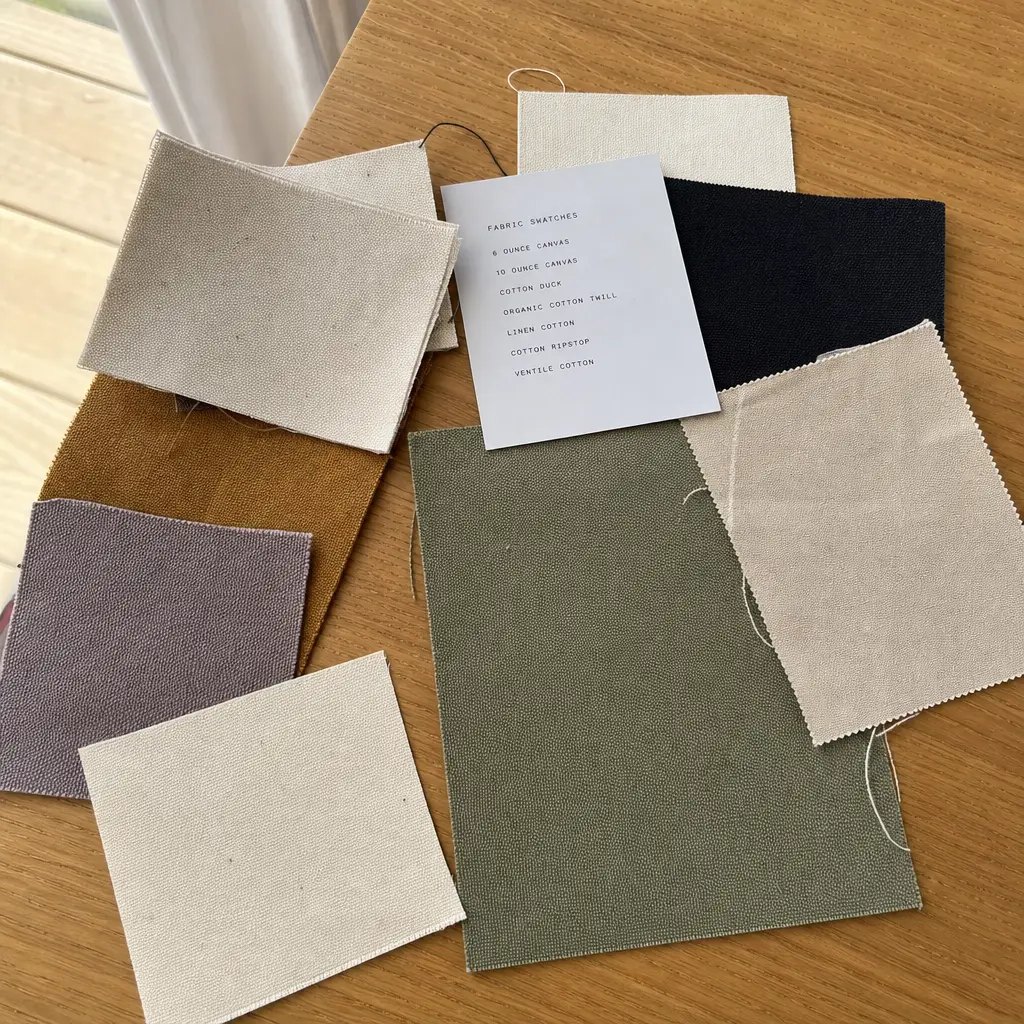
Cotton drawstring pouches for liquor retailers usually sit between 140 and 260 GSM, but not every weight gives the same result. A 140-160 GSM plain cotton pouch can work for low-cost promotional sleeves or short-term event giveaways. It will not give much structure around a heavy bottle and can show the bottle outline strongly. A 180-220 GSM cotton twill or canvas is more stable for shelf-facing retail packs and repeat handling.
Heavier fabric is not automatically better. At 260 GSM and above, the pouch feels more premium but the drawstring channel can become bulky, especially with a narrow cord. Freight volume also increases because heavy cotton does not compress as cleanly once sewn. Buyers should request GSM, weave type, shrinkage expectation, and whether the fabric is greige, bleached, dyed, or washed before sewing.
- 140-160 GSM: budget promotional use, lighter bottle sleeves, less structure.
- 180-220 GSM: most balanced range for liquor retail gift and display pouches.
- 240-260 GSM: stronger hand feel, useful for premium spirits, but higher cost and bulk.
- Dyed cotton: requires shade approval and colorfastness discussion, especially for dark liquor brand colors.
- Natural cotton: may show seed flecks; define whether this is acceptable or considered a defect.
Control Logo Printing Before Bulk Cutting
For liquor retailers, the pouch often carries the store brand, private label logo, seasonal promotion, or bottle supplier artwork. Screen printing is usually the safest method for one to three solid colors on cotton. It gives a clean retail look, good opacity, and manageable cost at volume. Digital print or heat transfer may be used for small complex artwork, but buyers should understand the hand feel, curing behavior, and rub resistance before approving bulk.
Print placement is where many pouches fail inspection. Cotton can move during cutting and sewing, and a small pouch makes a 5 mm shift visible. The artwork file should show print size, distance from bottom edge, distance from side seam, and whether the logo is centered on the flat pouch or centered when a bottle is inside. The approval sample should be made on the actual fabric weight because ink absorption changes between 150 GSM plain cotton and 220 GSM canvas.
- Use Pantone references for brand colors, but approve the final color on cotton because fabric color affects ink appearance.
- Set print placement tolerance, for example plus or minus 5 mm for standard retail pouches and tighter only when cost allows.
- Avoid very fine reversed text on coarse canvas because the weave can close small details.
- For metallic, puff, or high-density ink, approve rub and flexibility because the pouch bends around a bottle.
- Keep artwork versions grouped by print color where possible to reduce setup changes and color variation.
Sewing Details That Protect Glass Bottle Weight
A cotton pouch may look simple, but liquor packaging puts stress on a few small areas. The bottom corners carry bottle weight when the pouch is lifted. The drawstring channel is pulled repeatedly by store staff and customers. Side seams rub against bottle shoulders during insertion. If the factory uses light thread, loose tension, or a weak channel opening, the pouch can fail even when the fabric itself is acceptable.
The RFQ should describe the seam type and reinforcement. A common construction is inside overlock for raw edge control plus lockstitch or folded seam finishing where the buyer wants a cleaner interior. Reinforcement at the channel opening matters because the cord pulls against that point. For heavier liquor bottles, request seam strength review during pre-production and final inspection rather than judging only by appearance.
- Require neat overlock without skipped stitches, loose loops, or exposed raw edges.
- Use reinforcement stitches or bartack-style securing at the drawcord channel opening when the pouch is frequently handled.
- Check bottom corners with a filled bottle or weighted dummy, not an empty pouch only.
- Specify thread color: matching for clean retail presentation or contrast only if part of the design.
- Remove loose threads before packing because cotton lint and threads are visible on liquor retail displays.
MOQ Logic for Liquor Retail Programs
MOQ is rarely one single number. A factory may have one MOQ for fabric purchasing, another for dyeing, another for print setup, and another for efficient sewing line allocation. A buyer asking for 500 pouches in six colors with six store logos may receive a high unit price because every version behaves like a separate mini order. The better approach is to separate the shared base pouch from the variable artwork.
For distributors serving multiple liquor stores, a common base specification can reduce cost: same fabric, same size, same cord, same packing method, with different one-color prints. If each store requires a different fabric color, unit cost and shade control become harder. Procurement teams should ask suppliers to show price breaks by total quantity and by version count so the commercial decision is visible.
- Clarify MOQ per size, per fabric color, per print design, and per shipment destination.
- Ask whether blank pouches can be produced first and printed in batches later, but confirm inventory and print alignment risks.
- Use shared natural cotton fabric for multi-store programs when budget is more important than exact brand color matching.
- For seasonal liquor promotions, avoid late artwork splits that force separate print setups near the ship date.
- Request a quote matrix showing 1,000, 3,000, 5,000, and 10,000 units if annual demand is likely to repeat.
Sample Approval Should Match Bulk Reality
A polished sample does not always represent bulk production. Some samples are handmade from available fabric, printed one by one, or sewn by a senior sample technician. That is useful for confirming size and concept, but it is not enough for bulk approval. Buyers should move from blank fit sample to print strike-off to pre-production sample before releasing full production, especially for branded liquor retail programs.
The sealed sample should include the actual fabric GSM, cord, channel width, seam construction, print method, logo size, and packing fold. If the factory cannot match a sample detail in bulk, it should be corrected before production starts. Keep one approved sample with the buyer, one with the factory QC team, and one for third-party inspection if used. This avoids disputes caused by judging bulk goods against email images only.
- Blank size sample: verifies bottle fit, dimensions, and closure behavior.
- Fabric swatch: verifies GSM, hand feel, shade, surface slubs, and shrinkage expectation.
- Print strike-off: verifies logo size, ink color, opacity, curing, and edge sharpness.
- Pre-production sample: verifies the complete pouch using intended bulk materials and workmanship.
- Sealed sample: becomes the inspection reference for size, print, sewing, and packing.
Inspection Thresholds for Retail-Acceptable Goods
Quality inspection for cotton drawstring pouches should be more specific than pass or fail. Liquor retail packaging is visible at shelf level and often handled as a gift item, so stains, crooked logos, and weak drawstrings create real commercial problems. At the same time, cotton is a natural fabric, and minor slubs or seed flecks may be normal if natural unbleached cotton is selected. The inspection standard must separate natural characteristics from defects.
AQL inspection can be used for general workmanship, but buyers should add clear acceptance criteria for brand-facing defects. For example, a small internal thread may be minor, while an oil stain near the logo is major. A logo printed 12 mm off center may be unacceptable even if the pouch is otherwise usable. State these rules before production, not after cartons arrive.
- Critical defects: broken seams that cannot hold a bottle, sharp metal parts, wrong artwork, wrong size that prevents bottle insertion.
- Major defects: visible stains, severe shade variation, misprinted logo, skipped stitches at stress points, wrong cord, wrong packing label.
- Minor defects: small internal thread ends, slight natural cotton specks within approved range, minor fold wrinkles removable by handling.
- Measurement checks: finished width, finished height, channel width, cord length, logo position, and carton quantity.
- Functional checks: bottle insertion, drawstring closure, cord pull, seam tension, and carton drop handling if required by the buyer.
Packing Details Affect Store Operations
Packing is not just an export detail. Liquor retailers and distributors may need to allocate pouches by store, campaign, bottle SKU, or supplier promotion. If cartons are mixed or unlabeled, receiving teams spend time sorting low-value packaging instead of moving sellable goods. For multi-version programs, carton labels should show pouch size, fabric color, print artwork, quantity, purchase order, and carton number.
Cotton pouches can wrinkle, absorb odor, and collect lint if packed carelessly. Flat packing in inner polybags is common, but some buyers prefer paper bands or plastic-free inner packing for sustainability positioning. The important point is to define the method before quoting because packing labor and carton volume change. If the pouch will be used directly for premium bottle gift packing, request clean folding and moisture protection.
- Define units per inner pack, such as 25, 50, or 100 pieces, based on store replenishment habits.
- Use separate inner packs for different logos to prevent artwork mixing in the warehouse.
- Confirm whether pouches are packed flat, folded once, or bundled with cord tucked inside.
- Specify export carton strength and maximum carton weight for safe warehouse handling.
- Request carton dimensions and gross weight in the quote for freight and landed-cost comparison.
Lead Time Risks Before Holiday Liquor Seasons
Liquor retail pouch orders often peak before Christmas, New Year, Lunar New Year, Father's Day, and local promotion periods. The risk is not only sewing capacity. Fabric availability, dyeing queues, artwork approval, print screen making, sample shipping, and inspection booking can all consume time before bulk production starts. A supplier quoting a short production time may be counting only from final sample approval, not from the first RFQ.
Procurement should build the schedule backward from the retail floor date. Add time for sample correction and buyer approval because the first sample may reveal bottle fit or logo placement issues. If sea freight is used, include port cutoffs and customs clearance. For urgent liquor promotions, reducing artwork versions and using stock natural cotton can protect the timeline better than pushing the factory for unrealistic sewing speed.
- RFQ and quote clarification: allow time to settle size, GSM, artwork, packing, and MOQ assumptions.
- Sampling: plan for blank sample, print strike-off, and pre-production approval if branding is important.
- Bulk materials: dyed cotton and custom cord colors usually need more time than natural cotton and stock cord.
- Production: printing and sewing sequence must be planned so ink curing does not delay packing.
- Final inspection and shipping: book inspection before goods are fully packed if rework time is needed.
Compare Quotes by Landed Cost and Risk
The cheapest unit price is not always the lowest cost for liquor retailers. A pouch that uses lighter fabric, vague packing, and no print inspection may look attractive in the first quote but create higher costs through rework, rejected cartons, store sorting, or customer complaints. Quote comparison should include fabric weight, finished size, print method, number of artwork versions, inner packing, carton data, sample cost, inspection support, and lead time basis.
A clean quote lets the buyer understand what changes the price. Fabric GSM affects material cost and freight. Multi-color printing affects setup and rejection risk. Separate store labels affect packing labor. Smaller split shipments affect logistics. Instead of negotiating only on unit price, procurement teams should ask for a quote structure that supports commercial decisions.
- Compare quoted GSM and weave before comparing unit price.
- Check whether the price includes print setup, sample making, packing materials, and export cartons.
- Request carton size and gross weight so freight cost can be estimated early.
- Separate one-time costs from recurring unit costs for repeat retail programs.
- Record the lead time trigger: deposit, artwork approval, fabric approval, or sealed sample approval.
Specification comparison for buyers
| Spec decision | Recommended option | When it fits | Buyer risk to check |
|---|---|---|---|
| Fabric weight for single bottle pouch | 180-220 GSM cotton canvas or twill | Best balance for wine, whiskey, gin, and giftable liquor retail packs that need shape without heavy freight cost | Below 160 GSM may look limp around glass bottles; above 260 GSM can increase cost, bulk carton volume, and drawstring stiffness |
| Pouch size allowance | Bottle height plus 25-40 mm head clearance and diameter plus 20-30 mm ease | Fits mixed bottle shapes when the retailer carries several brands or seasonal gift assortments | Too-tight sizing causes seam strain and slow packing; too-loose sizing makes shelf presentation look cheap |
| Drawstring material | Cotton cord 4-6 mm or flat cotton tape for heavier gift pouches | Useful when the pouch must be reusable and handled by store staff or end consumers | Thin cord can cut into fabric channel; polyester cord may conflict with natural cotton positioning |
| Print method | Screen print for solid logos; heat transfer only for small multi-color artwork with controlled wash expectations | Screen print suits most liquor retail logos, store marks, and short promotional messages | Heavy ink coverage on soft cotton can crack or stiffen the pouch; metallic inks need pre-production approval |
| Seam construction | Inside overlock plus lockstitch reinforcement at drawcord channel | Needed for glass bottle weight, repeated opening, and store-level handling | Weak channel bartacks or skipped stitches can fail during shelf replenishment or gift packing |
| MOQ planning | Group sizes, colors, and artwork versions into production-friendly batches | Works when distributors supply multiple retail stores but want one shared base pouch | Splitting many small logo versions can push unit cost up and complicate color control |
| Inspection sampling | AQL-based final inspection plus 100 percent visual sorting for visible logo placement defects when branding is strict | Appropriate for retail-facing packaging where logo centering and stain control affect shelf acceptance | General AQL alone may miss cluster defects in one carton or one print station |
| Packing format | Flat packed in inner polybags or paper bands, with carton labels by SKU and artwork | Best for warehouse receiving, store allocation, and avoiding mixed retail campaigns | Loose bulk packing can wrinkle cotton, transfer lint, and mix similar pouch sizes |
| Supplier route | Direct bag factory when custom GSM, size, print, and inspection records are required | Suitable for importers and brand owners controlling repeat liquor retail programs | Trading-only quotes may hide fabric source, print subcontracting, and responsibility for failed inspection |
Buyer checklist before sampling
- Define the exact bottle family before sizing: wine, champagne, standard spirit, mini bottle, or mixed seasonal gift bottle.
- Specify finished pouch dimensions with tolerance, not only flat fabric cutting size.
- State fabric type and weight, such as 180 GSM cotton twill or 220 GSM cotton canvas, and require lab dip or swatch approval for dyed fabric.
- Confirm whether the cotton must be natural, bleached, dyed, recycled, or organic, and separate marketing preference from mandatory compliance.
- Set logo position tolerance in millimeters from top seam, side seam, or pouch centerline.
- Approve print strike-off on the actual production fabric before bulk printing.
- Include drawstring material, cord diameter, channel width, knot finish, and whether cord ends need metal tips, heat sealing, or simple knots.
- Require seam reinforcement at the drawcord channel and bottom corners for bottle weight.
- Define acceptable stains, slubs, loose threads, odor, shade variation, and print defects before inspection.
- Request carton packing plan with units per inner pack, carton quantity, gross weight, carton size, and SKU label format.
Factory quote questions to send
- What fabric construction and GSM are included in the quote, and can you provide swatches from current stock or planned bulk fabric?
- Are the quoted dimensions finished dimensions after sewing and pressing, and what size tolerance will you accept in production?
- What is the maximum bottle diameter and height the pouch is designed to fit without stressing the seams?
- Which print method is included, how many colors are allowed, and what is the print area limit before the price changes?
- Will the print be made in-house or subcontracted, and who is responsible if the artwork fails rub, adhesion, or placement inspection?
- What MOQ applies per fabric color, per pouch size, and per printed artwork version?
- What sample types are available: blank size sample, material sample, print strike-off, pre-production sample, and sealed production sample?
- What lead time starts after artwork approval, deposit, fabric approval, or pre-production sample approval?
- How many units are packed per inner bag and master carton, and can cartons be labeled by store, SKU, or campaign?
- Which inspection standard do you use for fabric defects, sewing defects, print defects, and carton packing errors?
Quality-control points to confirm
- Fabric GSM measured against approved swatch with practical tolerance agreed before order placement.
- Finished pouch width, height, bottom gusset if any, and drawstring channel width checked against sealed sample.
- Bottle fit tested using the buyer's actual bottle or a dimensionally matched dummy bottle.
- Logo position, print color, print opacity, edge sharpness, and ink curing checked under consistent light.
- Seam strength reviewed at bottom corners, side seams, and drawcord channel opening.
- Drawstring pull test performed to identify weak knots, narrow channels, or cord slippage.
- Cotton surface checked for oil stains, black specks, weaving slubs, lint, odor, and shade variation.
- Metallic accessories, cord tips, or eyelets inspected for sharp edges that may scratch bottles or labels.
- Packing checked for correct SKU separation, carton labels, carton strength, moisture protection, and count accuracy.
- Final inspection report matched to purchase order, approved sample, artwork file, and carton marking instructions.