The main buying problem: matching pouch material to bottle weight and retail use
For liquor retail, the wrong cotton pouch usually fails in one of three ways. It looks too thin and cheap around the bottle, it fits badly and bunches at the neck, or it adds unnecessary cost through overbuilt fabric and premium finishing that the retail program does not recover. Material selection is therefore less about choosing "cotton" and more about balancing bottle shape, shelf presentation, print expectations, and freight efficiency.
Most RFQs under-specify the functional use. A pouch for point-of-sale gift wrapping is different from a pouch packed around the bottle before shipment to stores. The first needs visual impact and easy bottle insertion. The second may need better abrasion resistance, steadier dimensions, and tighter carton planning. If procurement teams define use case first, supplier quotes become much easier to compare because the factory can build around the right GSM, seam method, and print route instead of quoting a generic bag.
- Use case A: in-store gift packaging for single bottles
- Use case B: premium promotional pouch sold with bottle
- Use case C: distributor gift set component packed into cartons
- Use case D: seasonal campaign pouch where color match matters more than long-term durability
How to choose the right cotton fabric weight for liquor bottle pouches
Fabric weight is the first major cost and performance driver. For most 750 ml wine or spirits pouches, 270 to 340 GSM cotton canvas is the practical middle band. Below this range, the bottle silhouette often shows through, the pouch twists easily, and dark glass can visually reduce the perceived value of the package. Above this range, the pouch feels premium but starts adding material cost, sewing time, and carton cube that may not be justified for mainstream retail.
Light plain cotton around 140 to 200 GSM can still work for low-cost promotions or short-term campaigns, especially when the bottle is small or the retailer wants a soft drape. But buyers should expect more wrinkling, less opacity, and a narrower print window for sharp logos. Heavy canvas around 340 to 400 GSM suits giftable whisky or reserve wine programs where structure matters, yet this weight also makes the drawstring channel bulkier and may require a larger cord and stronger seam reinforcement.
- 140 to 200 GSM: budget promotional pouch, softer handfeel, weaker opacity
- 220 to 270 GSM: mid-light option for smaller bottles or less premium positioning
- 270 to 340 GSM: strongest all-around range for liquor retail
- 340 to 400 GSM: premium look, better structure, higher freight and sewing cost
- Natural cotton usually prints differently from dyed black or dark shades; test both fabric and logo contrast
Canvas, plain cotton, and blends: what changes in quoting and retail appearance
Not all cotton constructions behave the same in production. Tightly woven canvas gives cleaner shape retention, stronger seams, and a more stable print base. Plain weave cotton can feel softer and cost less, but under bottle load it may show corner stress and seam grin sooner. For buyers comparing quotes, this is a common hidden mismatch: one supplier prices a lightweight plain cotton, another prices real canvas, and the quote spread looks larger than it actually is.
Blended materials can lower cost or improve consistency, but they also change brand positioning and labeling obligations. A cotton-poly blend may reduce shrinkage and make certain print methods easier, yet some liquor retailers prefer full-cotton messaging for gifting or sustainability reasons. If your program depends on tactile quality and natural presentation, a well-woven cotton canvas usually gives the safest retail result. If the program is price-sensitive and highly promotional, a lighter plain weave or blend may be acceptable with lower appearance expectations.
- Canvas: cleaner body, stronger shelf presentation, more consistent logo panel
- Plain cotton: softer drape, lower cost, but less structured around glass bottles
- Cotton blend: can improve dimensional stability, but verify composition labeling needs
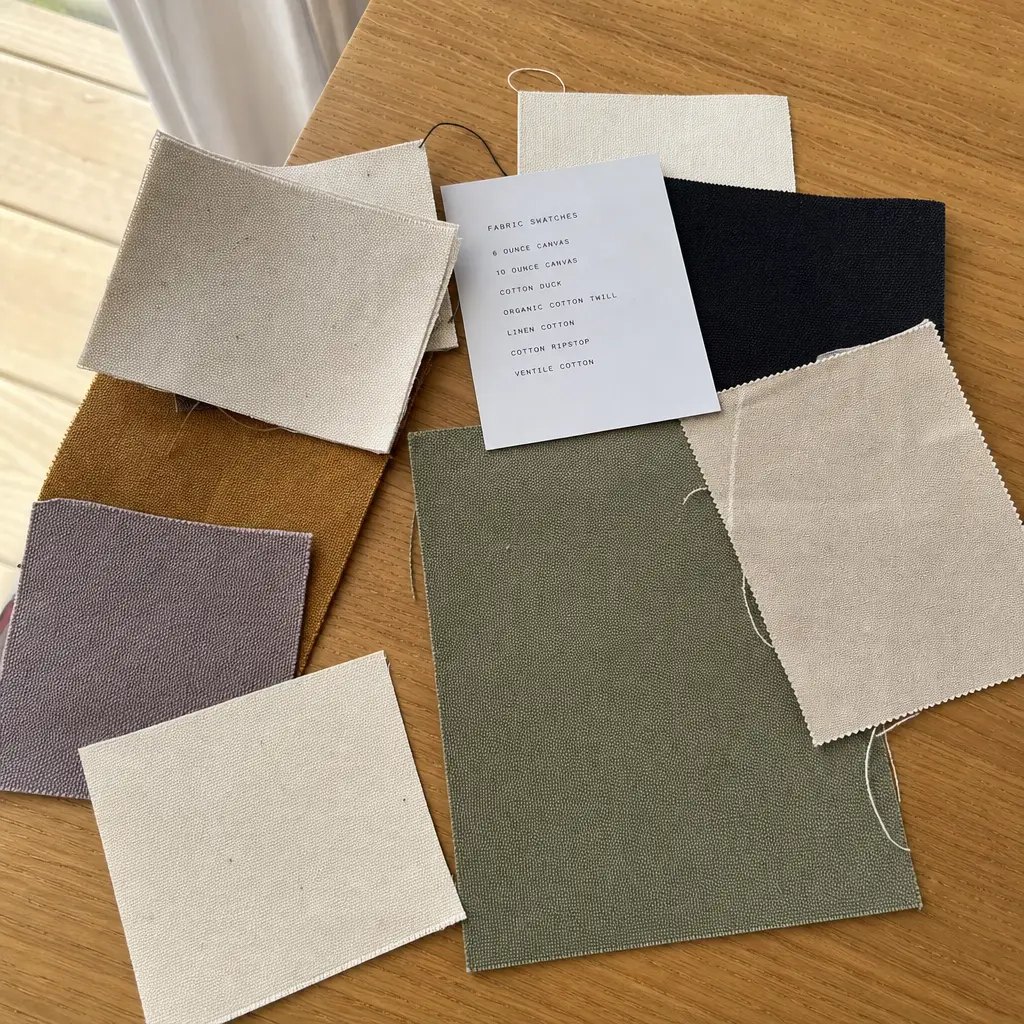
- Request fabric swatches with weight, weave, and composition listed on the quote
Sizing the pouch correctly: bottle fit drives both material waste and user experience
A pouch that is too narrow causes insertion difficulty, stress on side seams, and distorted printing once the bottle is inside. A pouch that is too wide looks slack and low-value, especially for premium spirits. The most reliable method is to send the factory the actual bottle dimensions: total height, base diameter, widest shoulder diameter, closure shape, and whether a neck tag or cap seal adds bulk. Flat pouch size alone is not enough because bottle shoulders change how the fabric opens and where the drawstring gathers.
For standard bottle pouches, buyers should think in terms of clearance rather than only bag dimensions. Side width should allow easy insertion without forcing the fabric at the shoulder. Height should include room above the cap or cork for the drawstring channel and a visually balanced gathered top. This is why pre-production fit samples matter. A sample made around the actual bottle quickly shows whether the material bunches, whether the cord sits at the right point, and whether the logo remains visible after closure.
- Provide bottle height, base diameter, shoulder diameter, and cap type
- State whether the bottle will be inserted by store staff or by factory packing line
- Leave enough top allowance for gathering; otherwise the pouch looks short even if the bottle technically fits
- For gift sets with accessories, specify whether the pouch must fit a tag, mini card, or tissue wrap
Print method selection: the cheapest print is not always the lowest-cost result
Silk screen printing is usually the most practical choice for cotton liquor pouches in bulk because it balances setup cost, decent opacity, and speed. It works best for solid logos, one to two colors, and straightforward art placement. But screen print results depend heavily on fabric texture. On lower-GSM or loose-weave cotton, edges can feather and small text can lose definition. That is not always a print defect; often it is a fabric-spec issue chosen at quote stage.
Heat transfer works better for small detailed logos or multicolor artwork when screen setup would become expensive. The tradeoff is handfeel, especially on soft cotton, and possible adhesion concerns if the pouch surface is dusty, heavily textured, or washed. Embroidery can look premium on small logos, but on bottle pouches it often adds cost out of proportion to the retail value and can pucker lighter fabrics. Buyers comparing quotes should review print method together with fabric GSM and weave, not as separate decisions.
- Screen print: best for medium to large logos, solid colors, stable repeat orders
- Heat transfer: good for fine detail and multicolor art in lower quantities
- Embroidery: premium look, but can distort lighter fabric and slow output
- Request a strike-off on actual fabric color, not only a digital proof
- If using dark dyed fabric, specify whether white underbase is included
MOQ logic and cost drivers: how to compare quotes without being misled
MOQ for drawstring pouches is driven by fabric booking, dye lot minimums, print setup, and sewing efficiency. Buyers often receive confusing quotations because one factory quotes by total pieces, another by size-color-print combination, and another adds hidden surcharges for low-volume color splits. For liquor retail programs with several bottle variants, using one pouch body size across multiple SKUs usually gives the best balance of flexibility and cost control.
The largest cost drivers are normally fabric weight, pouch size, print method and color count, cord type, and packing style. A quote that seems 10 percent lower can become more expensive after revisions if the supplier priced a lighter GSM, shorter height, thinner cord, or bulk packing that does not meet your warehouse requirements. A useful quote comparison should standardize these line items before procurement reviews price.
- Fabric cost rises with GSM, weave quality, and dyed shade consistency requirements
- Labor cost rises with lining, boxed corners, reinforced channel, or individual polybagging
- Setup cost rises with more print colors, custom labels, and mixed-size production
- Freight cost rises with thicker fabric, larger top allowance, and individual retail packing
- Example quote basis to align suppliers: 300 GSM cotton canvas, one-color print, double drawstring, flat pack, 5,000 pcs
Sample approval that actually prevents production mistakes
Many pouch problems should be caught at sample stage, but only if the sample is built close to real production. A stock-fabric development sample is useful for general shape, yet it is not enough for final approval when print sharpness, shade, fit, and handfeel matter. A proper pre-production sample should use intended bulk fabric weight, intended dye color, intended cord thickness, and final print method. Otherwise the buyer approves one look and receives another in bulk.
For liquor retail, the sample should be reviewed in three conditions: empty, bottle inserted, and drawstring fully closed. This reveals whether the bottom sits flat, whether the logo remains centered, and whether the channel gathers smoothly. If the pouch will be packed in an outer gift carton, the fitted sample should also be tested inside that carton. A good sample process reduces revision loops and prevents disputes later about what was or was not approved.
- Approve dimensions on the sewn sample, not only on technical drawing
- Insert actual bottle SKU during fit approval
- Review print alignment from top hem and side seam reference points
- Check whether the cord slides smoothly after 10 to 20 pulls
- Photograph approved sample with measurement notes and use it as inspection reference
Quality thresholds for stitching, shade, and functional performance
Cotton drawstring pouches are simple products, which is why buyers sometimes underestimate QC detail. The common defects are not dramatic failures but repeatable inconsistencies: uneven top hems, twisted side seams, off-center logos, irregular cord lengths, and mixed fabric shades within the same shipment. For liquor retail, these issues are highly visible because the pouch is often treated as packaging, not just a utility bag.
QC standards should reflect both appearance and handling. Bottom seam security matters because bottle weight concentrates at the lower corners. Channel stitching matters because retail staff may open and close the pouch many times during display or gifting. Shade consistency matters especially for black, burgundy, forest green, and navy programs where variance is more visible when pouches sit side by side on shelf.
- Size tolerance should be agreed by finished sewn dimensions
- Print placement should be referenced from the top hem and center line
- Seams should be free from skipped stitches, loose threads, and open corners
- Cord length should be balanced side to side within agreed tolerance
- Dyed lots should be reviewed under consistent lighting before packing
Packing and carton planning: small pouch decisions can change freight cost
Packing is often treated as an afterthought, but for importers it directly affects landed cost and warehouse handling. Flat packed bundled pouches are usually the most efficient route for cotton drawstring styles. They reduce carton cube and limit unnecessary labor. Individual polybagging is only worth adding if the retailer needs cleaner presentation at store receipt or if the pouches will be distributed as stand-alone premium accessories.
Carton planning should match both GSM and warehouse limits. Heavy canvas pouches compressed into oversized cartons can lead to high gross weight and slower manual handling. Overfilled cartons also crease the pouches more deeply, which matters if the items go straight to retail use without steaming. Buyers should request estimated carton dimensions and gross weight at quote stage, not after the order is placed, especially when container loading or pallet patterns matter.
- Typical bundle count: 50 or 100 pcs depending on pouch size and fabric weight
- Use inner assortment labels if colors or sizes are mixed by carton
- Avoid carton gross weight that strains manual warehouse handling
- If retail-ready presentation matters, test how easily wrinkles fall out after unpacking
- Barcode, carton mark, and PO labeling should be specified before production packing starts
Lead time and schedule risk: where liquor retail pouch orders usually slip
Lead time for custom cotton pouches is usually affected more by approvals and materials than by sewing itself. Delays commonly come from late bottle-dimension confirmation, slow artwork signoff, dye approval loops, and revised fit samples. Procurement teams that compress sample review but still require exact shade matching often create schedule risk without seeing it. The factory may have sewing capacity ready, but bulk fabric cannot be cut until approvals are frozen.
A realistic schedule should separate development sample, pre-production sample, bulk fabric preparation, production, and final inspection. If the order includes dyed fabric and custom printing, extra time should be left for color approval. If the order runs across multiple SKUs, one late artwork can hold a combined production lot. Buyers can reduce risk by standardizing body size, limiting unnecessary print variation, and aligning packaging instructions before mass production begins.
- Development sample: for shape and rough fit only
- Pre-production sample: for final fabric, print, and measurements
- Bulk fabric lead time often drives the whole schedule on dyed programs
- Split shipments may help if one colorway is approved earlier than others
- Do not book final delivery from the first sample date; book from approved pre-production timing
Specification comparison for buyers
| Spec decision | Recommended option | When it fits | Buyer risk to check |
|---|---|---|---|
| Fabric weight | 8 oz to 10 oz cotton canvas, about 270 to 340 GSM | Standard 750 ml bottle pouches where the bag should hold shape and hide bottle seams | Light 4 oz to 6 oz fabric can quote cheaper but may look thin, print through the bottle shape, and wrinkle badly on shelf |
| Fabric type | Combed cotton canvas or tightly woven plain cotton | Retail gift packaging that needs a cleaner print surface and lower lint | Loose weave fabric can distort artwork and create uneven dye lots between production lots |
| Bottle fit tolerance | Finished pouch width 2 to 3 cm wider than bottle diameter and height 4 to 6 cm above bottle top before drawstring channel | Most wine and spirits pouches that need easy insertion without looking oversized | Suppliers sometimes quote using flat size only and ignore bottle shoulder shape, causing tight fit failures |
| Closure cord | 5 mm to 8 mm cotton rope or braided cord with heat-cut or knotted ends | Mid-range to premium liquor retail where tactile finish matters | Very thin cords cut into fabric channel, break under repeated pull, or look cheap next to premium bottles |
| Print method | Silk screen for solid logos, heat transfer for small detailed multicolor logos, embroidery only for limited premium runs | Screen print suits most bulk retail orders; transfer suits detailed branding | Wrong print method can crack on textured fabric, blur on low-GSM cloth, or raise unit cost sharply on high color counts |
| Lining or no lining | Unlined for cost control; add nonwoven or soft cotton lining only for premium gift sets | Single bottle gift bags where outer appearance matters more than protective cushioning | Extra lining increases material, stitching minutes, and carton volume but may still not protect glass in transit |
| MOQ structure | Use one base size and split colors or prints within a fabric family | Importers testing 2 to 4 SKUs under one liquor brand program | Low MOQ across many sizes often leads to mixed fabric lots, shade variation, and higher setup charges per SKU |
| Packing method | Flat packed in PE bag bundles inside export cartons, 50 to 100 pcs per inner bundle depending on GSM | Most wholesale and retail replenishment shipments | Individually packed pouches look cleaner at receipt but add labor, plastic, and carton cube without helping sell-through |
| Sampling route | Pre-production sample in actual bulk fabric and print color before mass run | Any program where brand color, bottle fit, and handfeel matter | Photo approval or stock fabric prototype alone is not enough to catch shrinkage, print coverage, or drawstring performance |
Buyer checklist before sampling
- Define exact bottle size, including diameter at the widest shoulder point, not only bottle height
- State target fabric weight in GSM or oz and note whether fabric must be opaque over dark glass
- Specify whether the pouch is for shelf gifting, promotional giveaway, e-commerce fulfillment, or in-store upsell
- List print method preference and logo size in mm, including acceptable color tolerance if Pantone matching matters
- Confirm drawstring material, cord diameter, color, and whether single-side or double-side pull is required
- Approve finished pouch size with seam allowance logic understood, not only flat artwork dimensions
- Request sample made in production-intent fabric, not substitute stock cloth
- Set packing requirement by bundle count, carton size target, and whether barcoding or assortment labels are needed
- Review carton gross weight target to avoid overloaded cartons for warehouse handling
- Include acceptable QC limits for size tolerance, print position, stitching defects, and fabric shade variation
Factory quote questions to send
- What cotton construction are you quoting: plain weave, canvas, combed cotton, recycled blend, and what is the actual tested GSM before washing?
- Is the quoted size finished size after sewing, and what size tolerance will you hold in bulk production?
- What print method is included in the price, how many colors, and what artwork limitations apply on this fabric surface?
- Does your quote include strike-off, pre-production sample, and revised sample if bottle fit needs adjustment?
- What is the MOQ by size, by color, and by print design, and can multiple colorways share one fabric order?
- How many pieces per carton and what estimated carton dimensions and gross weight will result from this packing plan?
- What lead time do you need for lab dip, sample approval, bulk fabric booking, production, and final inspection?
- What QC checkpoints do you run for cord pull strength, seam slippage, print adhesion, and fabric shade consistency?
- What defects are treated as major or minor during final inspection for these pouches?
- If the logo is dark on natural cotton, what print coverage or underbase is needed to avoid dull color appearance?
Quality-control points to confirm
- Measure finished width and height from actual sewn samples; typical tolerance should be clearly agreed, for example plus or minus 0.5 cm to 1.0 cm depending on size
- Check fabric GSM from the approved bulk lot, not only from development swatch
- Inspect print position and print edge sharpness on both empty pouch and bottle-filled pouch
- Run repeated drawstring pull test to confirm channel stitching does not tear or bind
- Verify cord ends are secure, even in length, and free of fraying
- Review seam density and skipped stitches, especially at bottom corners where bottle weight concentrates
- Confirm shade consistency across production lots if the order is split by shipment date
- Audit packing count per bundle and carton to prevent mixed sizes or colors in the same carton unless requested