Start With The Product Inside
A cotton drawstring pouch for hotel retail should be specified from the product outward. The right fabric weight for a silk sleep mask is not the same as the right fabric weight for a candle, amenity kit, spa bottle set, sandal pair, or souvenir ceramic. GSM affects not only strength, but also how the pouch stands on a shelf, how the logo reads, how tightly the mouth closes, and how much freight space the order consumes.
For RFQ work, separate the pouch into three jobs: protection, presentation, and reuse. A pouch used as disposable room amenity packaging can be lighter. A pouch displayed in a resort boutique needs more body and cleaner finishing. A pouch sold as part of a premium gift set needs enough fabric weight to feel intentional when the guest holds it. Without this use definition, suppliers may quote very different fabrics while all calling them cotton pouches.
- For mini amenities, start around 120-140 GSM if the contents are light and soft.
- For most hotel retail goods, 150-180 GSM is the practical middle range.
- For premium reusable packaging, 200-240 GSM gives better hand feel and structure.
- For heavy or angular products, specify both GSM and seam reinforcement, not fabric weight alone.
How GSM Changes Buyer Value
GSM is grams per square meter, but buyers should treat it as a commercial decision, not a lab number. A 120 GSM pouch is cheaper, folds flatter, and packs more pieces per carton. It can be the right choice for large room-drop programs or lightweight amenity kits. The risk is that it may show the product outline too clearly, wrinkle easily, and make a hotel retail item look like internal packaging instead of merchandise.
At 150-180 GSM, cotton drawstring pouches usually reach the best balance for hotel retail. The fabric is still economical, but the pouch has better opacity and a more stable print surface. At 200 GSM and above, the pouch feels more like a reusable item. This helps perceived value, but it can slow sewing, increase seam bulk, reduce carton quantity, and make the drawstring channel less flexible if the channel width is not adjusted.
- 120 GSM: useful for low-weight inserts, but less suitable for premium shelf display.
- 140 GSM: still light, but improves opacity and handling over very thin cotton.
- 160 GSM: common target for balanced cost, logo clarity, and hotel retail presentation.
- 180 GSM: better for gift sets and larger pouches where sagging would look cheap.
- 220 GSM: premium feel, but quote carefully because fabric and sewing costs rise.
Fabric Construction Matters Too
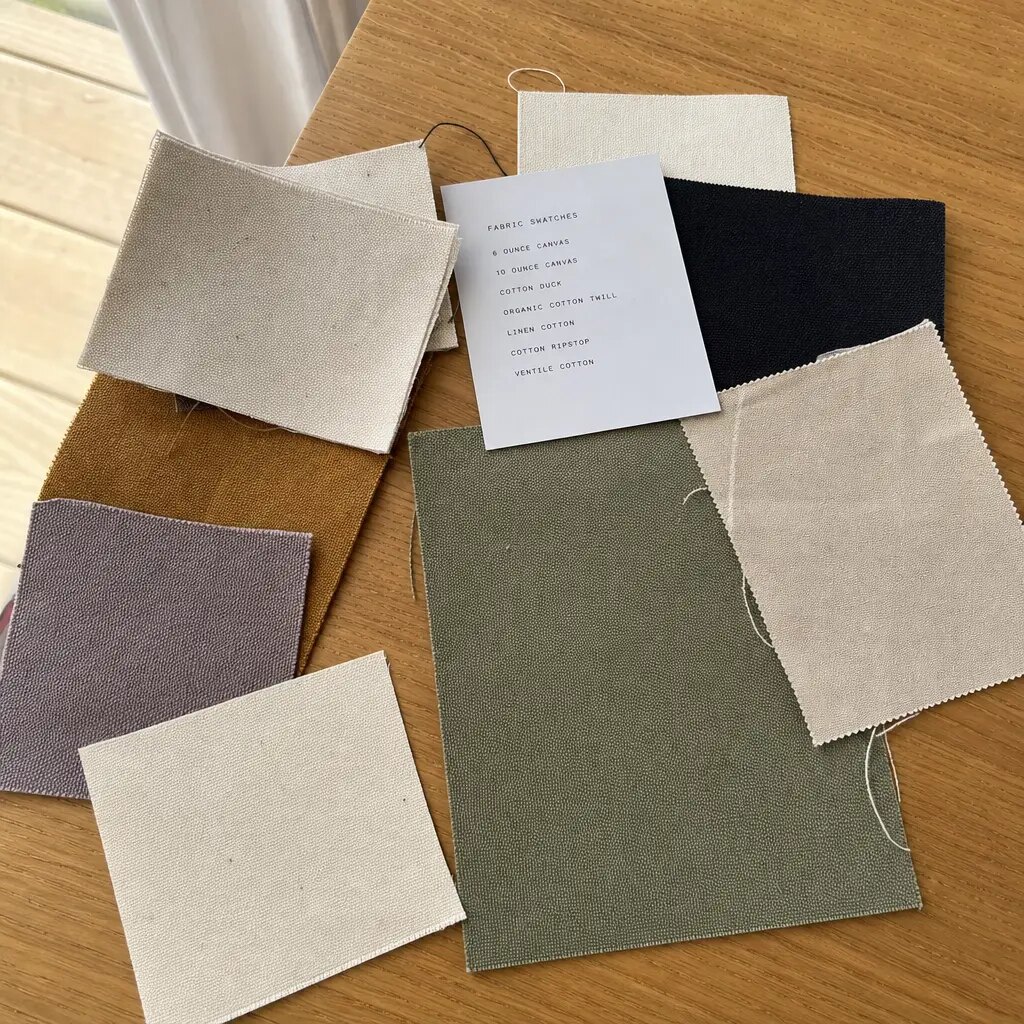
Two pouches can both be quoted as 160 GSM cotton and still behave differently. Plain cotton sheeting, cotton canvas, twill, and muslin-style cotton each have a different surface, shrinkage profile, and print result. A tighter plain weave gives a cleaner print but may feel less rustic. Canvas gives better structure, but the surface texture can break fine print details. Muslin-style cotton looks natural and relaxed, but it may not match a polished hotel boutique line.
For hotel retail, the fabric finish should be written in the RFQ. Natural cotton is popular because it supports an eco-conscious look, but shade variation is normal unless the buyer sets an approved range. Bleached cotton gives a cleaner background for colored logos. Dyed cotton requires colorfastness consideration, especially if the pouch may contact white towels, robes, or apparel. Washed cotton can feel softer but may create more size variation unless controlled.
- Use plain cotton for clean logo printing and simple amenity packaging.
- Use light canvas when shelf body and reuse value matter.
- Use twill only when the diagonal texture supports the brand look and print detail is not too fine.
- State whether the fabric is natural, bleached, dyed, enzyme washed, or unwashed.
- For repeat hotel programs, request a retained fabric standard for shade and hand feel.
Match Print Method To GSM
Logo performance is one of the fastest ways a cotton drawstring pouch order succeeds or fails. Screen printing is usually the most stable choice for hotel retail pouches with solid brand marks, simple destination graphics, and one to three colors. It gives good coverage and predictable unit cost once the order quantity supports setup. On rougher cotton or canvas, very fine lines can break, so the artwork should be simplified before bulk production.
DTF and heat transfer can help with smaller quantities or multicolor artwork, but they need testing on the exact fabric weight. Transfers can feel heavier on light cotton and may create a visible film edge. Heavy ink coverage on thin fabric can stiffen the pouch face and make the drawstring area wrinkle. Embroidery is possible on heavier cotton canvas, but for small pouches it can distort the panel unless backing, stitch count, and logo position are controlled.
- Screen print: best for solid logos, repeat programs, and stable cost at volume.
- Heat transfer or DTF: useful for multicolor trial orders, but approve hand feel and rub resistance.
- Embroidery: use mainly on 200 GSM and above, with a logo size that does not pull the fabric.
- Woven side label: strong option when the front panel must stay clean or the logo is very small.
- Large ink blocks need a print strike-off before bulk because cotton texture changes the final look.
Cost Drivers Behind The Quote
The cheapest pouch quote often hides a different fabric, smaller size, weaker cord, simplified packing, or looser QC. A useful quote should show how the supplier reached the unit price. Fabric consumption is the main cost driver, followed by cutting and sewing time, logo setup, print area, cord type, label work, packing labor, and carton volume. For small pouches, print setup and handling can matter more than the fabric difference between 140 and 160 GSM.
MOQ logic is also tied to production setup. If a buyer needs three pouch sizes with the same natural cotton, same cord, and same one-color logo, a factory may be able to combine fabric purchasing and print setup more efficiently. If each SKU has a different dyed fabric, different logo color, and different packing style, the real MOQ is multiplied. Hotel groups often underestimate this when they request many boutique variations at launch.
- Fabric cost increases with GSM, width waste, shrinkage allowance, and color treatment.
- Logo cost changes with color count, print size, setup screens, transfer sheets, or embroidery stitch count.
- Sewing cost rises when the pouch is small, has narrow channels, uses thick cord, or needs reinforced details.
- Packing cost rises with individual polybags, barcode labels, retail folding, hang tags, and carton sorting.
- Split SKUs can reduce factory efficiency even when total order quantity looks high.
Sample Approval That Prevents Rework
A good sample process for cotton drawstring pouches should not stop at a pretty prototype. The approval sample should represent bulk fabric weight, bulk cord, actual seam construction, real logo method, final size, and packing fold. If a supplier submits a handmade sample from available fabric, treat it as a design reference only. It should not become the sealed production standard unless the material and process match the order.
For hotel retail, the sample should be checked in the same way the guest or shop buyer will handle it. Put the actual product inside. Pull the cord open and closed several times. Stand or stack the pouch as it will be displayed. Review the logo under normal store lighting. Measure the flat size after filling and emptying. A pouch can pass a desk review and still fail when the product stretches the corners or blocks the drawstring channel.
- Approve fabric swatch before cutting if shade, texture, or GSM is important.
- Approve a print strike-off before full sample if the logo has fine detail or strict color matching.
- Approve one sealed pre-production sample with bulk materials before mass production.
- Test the actual product fit, not only the empty pouch dimensions.
- Keep one approved sample with the factory and one with the buyer or inspection team.
QC Thresholds For Bulk Inspection
Cotton drawstring pouches are simple products, but bulk inspection still needs clear thresholds. Common defects include size variation, skewed seams, uneven mouth opening, twisted drawcords, missed stitches, loose threads, stains, print offset, ink bleeding, and mixed shade lots. These problems are easy to miss when cartons are inspected only by top-layer review. Random sampling should include pieces from different cartons and production bundles.
Tolerance should be practical. A small 10 x 12 cm pouch may need tighter size control than a large laundry pouch because a few millimeters can affect product fit and logo position. GSM should be tested from bulk fabric or finished goods if the order value justifies it. For print, dry rub, light scratch, and tape checks can catch weak curing or poor adhesion. For drawstring function, the acceptance standard is simple: the pouch must open and close smoothly without the cord slipping into the channel or fraying at the ends.
- Size tolerance: define by pouch size; small pouches often need tighter control.
- Logo position tolerance: set center alignment and distance from bottom or mouth edge.
- Seam quality: no skipped stitches, open seams, sharp thread tails, or broken channel stitching.
- Drawcord: even length, clean ends, smooth pull, no knots hidden inside the channel unless specified.
- Cleanliness: no oil marks, mildew smell, dark stains, mixed fibers, or visible dirt on natural cotton.
Packing For Hotel Retail Supply Chains
Packing is not just a warehouse detail. Cotton pouches can crease, absorb odor, pick up carton dust, or arrive with compressed print panels if packing is too aggressive. For most hotel retail orders, flat packing in inner polybags of 50 or 100 pieces is efficient. If the pouches are sold individually or displayed near premium goods, retail folding, barcode labels, hang tags, or individual bags may be needed. These choices should be quoted before the purchase order, not added during final packing.
Carton planning also affects landed cost. Heavier GSM reduces pieces per carton and may increase freight volume. Large pouches with thick cord can create uneven stacks. If the buyer has warehouse carton limits, state maximum carton gross weight and preferred carton dimensions. For distributors shipping to multiple hotels, carton labels should show SKU, pouch size, color, PO number, quantity, and destination code so receiving teams do not open every carton to identify goods.
- Use inner bags to protect natural cotton from carton dust and warehouse handling.
- Avoid over-compression when the front logo panel has a large print area.
- Confirm whether individual polybag, plastic-free banding, or retail hang tag is required.
- Set carton gross weight limits if the goods move through hotel or distributor warehouses.
- Provide carton label artwork or data format before production packing starts.
Lead Time And Schedule Risk
The production schedule depends on fabric availability, printing queue, sample approval speed, and SKU complexity. Natural cotton in standard GSM may be available faster than dyed cotton or special canvas. Custom dyed fabric adds lab dip approval and bulk dyeing risk. Organic or recycled cotton can also require longer material coordination depending on the certification or documentation requested. A realistic timeline separates sample making, approval, fabric preparation, cutting, printing, sewing, inspection, and packing.
Hotel retail launches often have fixed opening dates, seasonal campaigns, or gift set packing windows. The largest schedule risk is late artwork approval or changing pouch size after the product fit test. Another risk is approving a sample made from substitute fabric and discovering bulk fabric behaves differently. To keep the schedule clean, buyers should freeze size, GSM, logo, and packing before issuing the purchase order and leave an inspection window before shipment handover.
- Standard natural cotton pouches are usually faster than dyed or washed cotton versions.
- Custom color fabric requires lab dip approval before bulk fabric commitment.
- Print strike-off approval should happen before mass printing, especially for dark or textured cotton.
- Gift set programs need the pouch delivery date aligned with product packing, not only hotel opening date.
- Reserve time for inspection and corrective sorting if the order has multiple sizes or destinations.
RFQ Data That Gets Comparable Prices
A strong RFQ turns supplier quotes into comparable data. Instead of asking for a cotton drawstring pouch price, list the finished size, target GSM, fabric type, color, cord type, logo method, logo size, order quantity by SKU, packing method, carton label needs, inspection standard, and trade term. This prevents suppliers from filling gaps with their own assumptions. The result is fewer low-price surprises and faster decision making.
For hotel retail buyers comparing multiple factories, insist that substitutions are declared. If one supplier quotes 120 GSM cotton and another quotes 180 GSM canvas, the unit prices are not competing offers. They are different products. The same applies to screen print versus transfer, individual packing versus bulk packing, and natural cotton shade control versus ordinary fabric. A quote sheet that separates these factors gives procurement a cleaner landed-cost comparison and gives the brand team fewer quality surprises.
- Include target GSM range and acceptable tolerance in the RFQ.
- Show artwork with logo size, print position, color reference, and print method preference.
- Break quantities by size, color, artwork, and packing version.
- Ask for carton dimensions, gross weight, and pieces per carton for freight estimation.
- Request sample cost, setup cost, unit price, production lead time, and payment terms as separate lines.
Specification comparison for buyers
| Spec decision | Recommended option | When it fits | Buyer risk to check |
|---|---|---|---|
| Fabric weight for small amenity or jewelry pouch | 120-140 GSM plain cotton | Low-bulk hotel amenity kits, lightweight retail add-on packaging, soap, comb, mini accessory, or gift insert | May feel too thin for premium retail if the product edge is sharp or if the logo uses heavy ink coverage |
| Fabric weight for standard hotel retail pouch | 150-180 GSM cotton or cotton canvas | Most resort shops, spa products, candles under moderate weight, slippers, small apparel accessories, and branded gift sets | Quote must state finished GSM tolerance and whether fabric is pre-shrunk or ordinary greige-dyed cotton |
| Fabric weight for premium souvenir or reusable pouch | 200-240 GSM cotton canvas | Higher perceived value, repeated guest use, stronger shelf presentation, heavier products, or gift packaging sold separately | Higher fabric cost and thicker seam bulk can affect drawstring closure and carton quantity |
| Logo method for natural cotton pouch | Screen print for solid 1-3 color artwork | Hotel logo, spa line, retail brand mark, simple destination graphic, or batch production with stable repeat orders | Fine text below 6 pt, large solid print areas, and dark ink on uneven cotton need pre-production print approval |
| Logo method for small quantity or multicolor design | DTF or heat transfer only after wash and rub testing | Trial retail launch, seasonal designs, gradient artwork, or orders below normal screen setup efficiency | Transfer edge feel, cracking after drawcord friction, and heat mark on natural cotton can reduce premium appearance |
| Drawstring material | Cotton cord matching pouch color or natural tone | Hotel retail lines needing a soft, quiet, plastic-free look with good hand feel | Cord diameter must match channel width; thick cord on light pouch can wrinkle the mouth and slow packing |
| MOQ logic | Combine sizes or colors only when fabric and logo process are shared | Hotel groups with multiple room types, spa SKUs, or destination shops using one base pouch style | Small split quantities increase cutting loss, print setup cost, color change time, and inspection complexity |
| Packing format | Flat packed, 50 or 100 pieces per inner polybag, export carton by size and weight | Most hotel retail replenishment and distributor warehousing where cartons are counted by SKU | Over-compressed packing can crease printed panels; carton weight above buyer limit may cause warehouse handling issues |
Buyer checklist before sampling
- Define the pouch use first: amenity packaging, retail gift pouch, reusable souvenir pouch, or protective product sleeve.
- State finished pouch size, drawcord length, seam allowance expectation, and whether the size is measured flat or filled.
- Choose a target GSM range instead of a vague term such as light, medium, or premium cotton.
- Specify natural, bleached, dyed, or washed cotton because fabric finish changes shrinkage, hand feel, and print behavior.
- Attach artwork with Pantone references, print position, maximum print area, and acceptable logo size tolerance.
- Request a pre-production sample using bulk fabric, bulk cord, bulk label, and the actual logo method.
- Set practical QC thresholds for size tolerance, GSM tolerance, seam strength, print rub resistance, stains, loose threads, and drawstring function.
- Confirm inner bag quantity, carton dimensions, carton weight limit, barcode or SKU label needs, and whether retail-ready folding is required.
- Separate sample lead time, production lead time, inspection window, and shipping handover date in the purchase order.
- Ask the factory to quote tooling, print setup, sample charge, packing upgrades, and split-shipment cost separately from the unit price.
Factory quote questions to send
- What fabric construction and finished GSM will be used for each pouch size, and what tolerance do you control in bulk production?
- Is the quoted cotton natural, bleached, dyed, organic, recycled, or conventional, and can the same fabric be held for repeat orders?
- What is the recommended fabric weight for our product weight and retail presentation, and why?
- Which print method do you recommend for this artwork on the selected GSM, and what are the limits for fine lines, ink coverage, and color matching?
- What MOQ applies by size, fabric color, logo design, and print method, and can sizes be combined under one fabric lot?
- What sample types will you provide: size sample, material swatch, print strike-off, pre-production sample, or sealed approval sample?
- What are the expected sample lead time, bulk production lead time, and earliest shipment date after sample approval?
- How will the pouches be packed per inner bag and export carton, and what are the estimated carton dimensions and gross weight?
- Which defects are considered critical, major, and minor in your internal inspection for drawstring pouches?
- Can you provide a quote breakdown showing fabric, logo, label, packing, sampling, and freight terms separately?
Quality-control points to confirm
- Finished GSM should be checked from bulk fabric, not only from a pre-production swatch, with an agreed tolerance before cutting.
- Finished size should be measured flat after sewing and pressing; common tolerance is tighter for small pouches than for large laundry or shoe bags.
- Drawstring must open and close smoothly without cord fray, channel blockage, twisted cord, or uneven cord length.
- Seams should be straight, bartacks or reinforced points should be secure where needed, and loose threads should be trimmed before packing.
- Print should pass reasonable dry rub and tape tests for the selected ink system, especially around the mouth area where cords cause friction.
- Natural cotton shade variation should be controlled within the approved range, because hotel retail displays show multiple pieces side by side.
- Pouches must be free from oil marks, mildew smell, needle stains, mixed fibers, and visible contamination.
- Carton labels should match buyer SKU, color, size, quantity, PO number, and destination requirements.