Start With the Selling Job
The first decision is not the logo. It is the job the pouch has to do. A pouch used as product packaging for soap or spice jars needs a different fabric weight and seam margin than a pouch that only holds a thank-you card or seed packet. If the pouch is handed to customers at the stall, it is also a brand object; if it disappears inside a shipping box, it is mainly a protection layer. Those are different buying problems.
For farmers market vendors, the common failure mode is overspecification. Buyers pick a heavy cloth because it feels premium in the sample room, then pay for GSM they do not need. The opposite also happens: a light pouch looks cheap after a few opens and closes. Write down the fill item, max weight, whether the pouch is reused, and how visible it is to the customer. That is enough to narrow the spec before asking for price.
If the order will serve multiple stalls or SKUs, define whether one size has to work across the whole market program or whether each vendor gets its own pouch. Standardization lowers MOQ pressure and simplifies reorders. Mixed use cases should not share one guess-based spec.
- List the item that goes inside the pouch, not just the branding requirement.
- State whether the pouch is packaging, a retail SKU, or a reusable carry pouch.
- Note whether it must stay flat in transit or hold shape when filled.
Pick GSM by Load and Reuse
GSM is a useful shortcut only when it is paired with weave density and finish. A tight 140 gsm cloth can feel more durable than a loose 160 gsm cloth, so buyers should ask for a master sample and the measured finished weight. If the factory quotes ounces per square yard, translate it once and keep the same sample reference. The number matters, but the fabric hand matters more.
For this category, 90-120 gsm is a light packaging band, 120-150 gsm is the most flexible everyday band, 150-180 gsm is the safer retail band, and 180 gsm+ is for heavier contents or premium shelf presentation. Use the lowest band that still survives the use case. The more reusable the pouch, the more weight matters. The more print coverage you need, the more the cloth has to resist distortion and show-through.
Ask whether the cloth is raw, washed, pre-shrunk, or calendared. Finishing can change shrinkage, handfeel, and how ink sits on the surface. If the pouch will be sold as part of a retail set, require the same finish on every replenishment run, not just the first sample.
- 90-120 gsm: light packaging, inserts, and low-cost giveaway use.
- 120-150 gsm: the best all-round range for most market vendor pouches.
- 150-180 gsm: better body, better presentation, and more repeat handling tolerance.
- 180 gsm+: use only when the pouch carries rough, heavy, or premium-positioned contents.
Lock Construction Before You Price
Construction choices change price and failure rate more than most first-pass buyers expect. A flat pouch is cheaper and faster to sew. A gusseted pouch adds volume and usually improves usefulness for jars, soaps, and bundled goods, but it also adds more seam length and more places for the panels to drift.
A practical starting spec for a light to midweight pouch is a 7-10 mm seam allowance, 8-10 stitches per inch, and a drawcord channel that is wide enough for the selected cord without binding. If the pouch will be opened often, ask for reinforced top stitching or a double hem. The point is not to force one construction on every supplier; it is to stop the quote from hiding the details that control durability.
Cord choice should match the brand story and the handling profile. Cotton cord fits a natural-fiber program, but it can fuzz if the channel is tight. Polyester cord pulls more smoothly, but it can look out of place in an all-cotton product line. Tell the factory how long the cord ends should be, whether they need knots or tips, and whether the cord must pass a repeated-open test without fraying or slipping.
- Flat pouch: lower cost, easier sewing control, and fewer failure points.
- Gusseted pouch: more usable volume, but tighter seam control is required.
- Cotton cord: natural look and feel; polyester cord: smoother pull and often lower cost.
- Ask for seam allowance, stitch density, and channel width on the master sample.
Choose Print, Label, and Color with Constraints
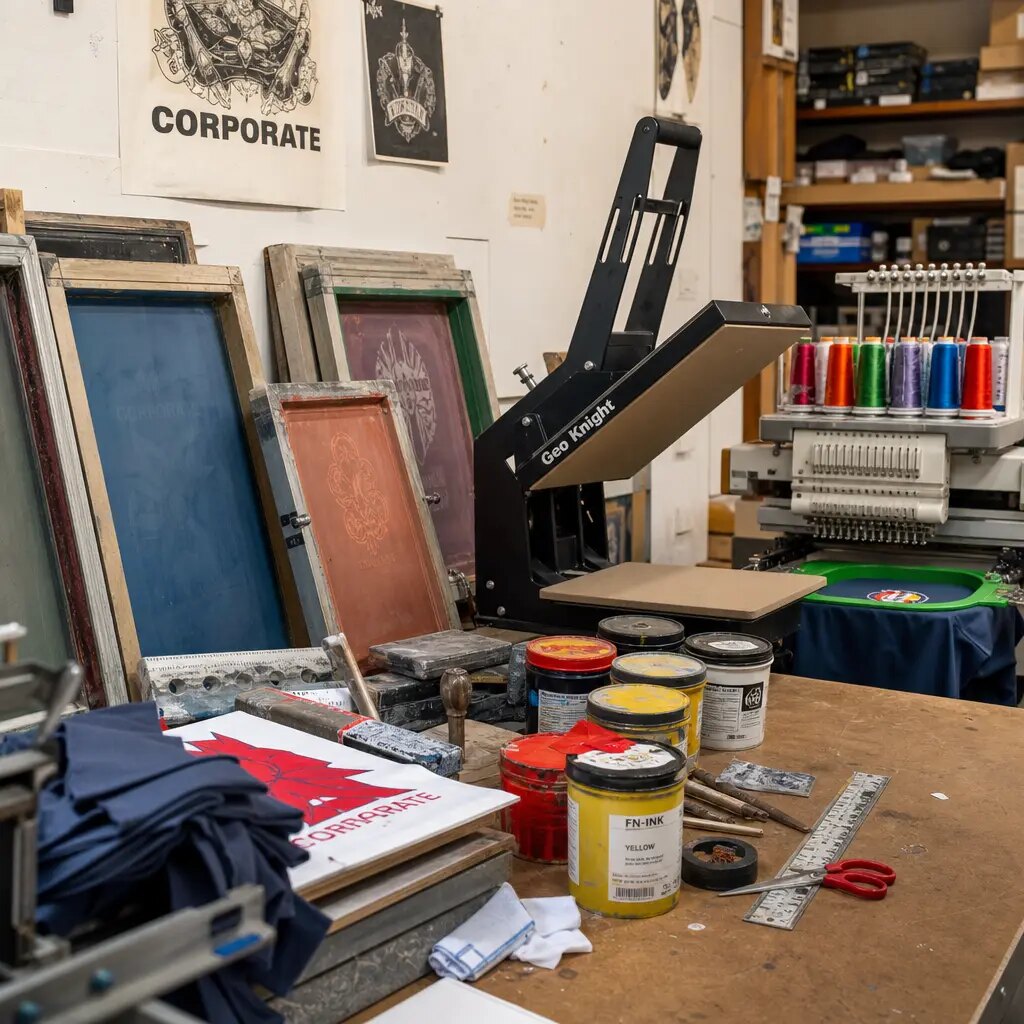
Decoration should be matched to the cloth, not selected first. Screen print is usually the most stable choice for one- or two-color artwork on medium-weight cotton because it handles opacity and repeat orders well. Heat transfer can work for small runs or artwork that is still changing, but it is a weaker choice if the pouch will be folded and reused. Embroidery gives a premium look, yet it can pucker light cloth and raise the price faster than buyers expect.
If the pouch is customer-facing, ask the factory for rub-fastness and placement controls. A reasonable buyer starting point is dry rub grade 4 or better, wet rub grade 3 or better, and print placement within plus or minus 3 mm on small fronts or plus or minus 5 mm on larger panels. For dyed fabrics, approve by physical swatch or lab dip rather than image alone. Digital images are useful for direction; they are not enough for shade approval.
The safest color path is often unbleached natural cotton with one-color branding. Bleached white can look cleaner but shows marks sooner. Dyed fabric looks strong on shelf but adds dye-lot risk and can complicate replenishment. If a supplier cannot commit to the same shade band on reorder, the color is not truly specified.
- Screen print: best for repeat orders, simple art, and medium-weight cotton.
- Heat transfer: useful for short runs or changing artwork, but less durable on repeated handling.
- Embroidery: premium look, but only if the cloth and backing can support it.
- Woven or sewn labels: useful when branding needs to stay minimal and controlled.
Compare Spec Packages, Not Sourcing Routes
A useful comparison is built around product spec, not procurement path. If two suppliers are quoting different GSM, print coverage, or packing, the unit price is not comparable. Normalize the same finished size, same fabric finish, same decoration, same carton count, and same shipping term before you call anything cheap or expensive. If the spec differs, the quote differs. That is not a price problem; it is a data problem.
When a quote sits 15% or more below the others on the same spec, treat that as a missing-spec check. Look first for omitted label cost, lower GSM, lighter print coverage, or packing exclusions. Buyers lose more money by comparing incomplete offers than by paying a small premium for a supplier that quotes cleanly. Clean quotes are easier to audit and easier to reorder.
A disciplined comparison should show product price, setup charges, sample cost, packing, and lead-time impact on one page. That lets procurement shortlist by the few variables that matter: repeatability, speed, and risk. The comparison table in this article is designed to show how those variables move when you change fabric weight or construction.
- Compare only quotes that use the same finished size, print coverage, and pack-out.
- Treat a low outlier price as a spec check until proven otherwise.
- Ask the supplier to separate product cost from setup, packing, and freight assumptions.
- Use one master sample and one master spec sheet across all bidders.
Build Quotes Around Cost Drivers
Ask for line-item pricing. A single all-in number hides the real decision tree: fabric, cutting, sewing, print setup, cord, labels, packing, cartons, and freight. A supplier who can break those down usually understands the spec better than one who cannot. It also gives you leverage when you need to remove or add a feature later without rebuilding the whole quote.
If you need options, ask for two or three controlled versions on the same sheet. For example, quote a 140 gsm natural flat pouch with one-color screen print and no label, then a 160 gsm version with a woven label, then a gusseted version for jar sets. That makes the cost of each upgrade visible. It also helps you decide whether the buyer will actually pay for the premium details or whether the base version is the right commercial answer.
Watch exclusions. Screen charges, artwork cleanup, sample courier, carton drop testing, relabeling, and replacement of rejected pieces can all appear later if they are not written into the quote. A cheap quote with vague exclusions is not a clean quote. Ask the factory to name every assumption it is using before sampling starts.
- Request fabric, sewing, print, cord, label, packing, carton, and freight as separate lines when possible.
- Ask for a base option and a premium option on the same quote sheet.
- Confirm sample charges, screen charges, and whether any of them are credited back on bulk.
- Force the supplier to write down assumptions and exclusions before you compare pricing.
Set QC Thresholds Before Bulk
Use a real acceptance plan, not a visual preference. For retail orders, AQL 2.5 major and 4.0 minor is a sensible starting point. Set the same plan for all sizes in the order so the factory cannot inspect one color more lightly than another. If the order is a promo blank, you can loosen the standard, but only if the buyer signs off before production.
A practical test set for cotton drawstring pouches is straightforward: confirm finished size, run a seam pull test, cycle the cord open and closed, check print rub, and verify shrinkage. For light pouches, ask for no seam opening under a 3 kg static pull for 10 seconds. For heavier retail pouches, set the bar at 5 kg. After 20 open-close cycles, the cord should still move smoothly and the channel should not twist or fray.
For fabric and print, require shrinkage within 3% after the agreed care condition, dry rub grade 4 or better, wet rub grade 3 or better, and no visible transfer to white cotton after 10 rub strokes. Reject open seams, skipped stitches, mixed dye lots without approval, print smearing, and any size out of tolerance. If the factory cannot state the test method, the number is not useful.
- Use AQL 2.5 major / 4.0 minor for retail orders unless the program is low-risk promo work.
- Require a seam pull test, a cord cycle check, a rub test, and a shrinkage check.
- Treat mixed dye lots, print smear, and open seams as reject conditions.
- Keep the signed master sample tied to the PO before bulk cutting starts.
Package for the Channel
Packing should match the channel. If the pouches move from factory to warehouse to multiple market stalls, flat folding and uniform inner counts keep receiving fast. If they go straight to retail shelves, add a cleaner presentation layer and a barcode that matches the SKU. Cotton pouches compress well, so a poor fold or overfilled carton can waste cube without improving protection.
Common configurations are 50 or 100 per inner for warehouse pick-pack; individual polybag or tissue for retail; separate inner packs by size or color when the order has more than one SKU; and moisture protection when cartons will sit in humid transit or storage. Every extra pack step costs money, but so does sorting mixed cartons by hand at the destination. Packing is part of landed cost, not an afterthought.
Confirm carton dimensions, gross weight, and master carton marks before freight booking. Ask the supplier to pack the way your receiving team wants to count. If the warehouse receives by barcode, build the barcode into the inner or outer label now, not after production has shipped.
- Set units per inner pack and per carton before production starts.
- Separate sizes and colors if receiving or warehouse picking matters.
- Add moisture protection when cartons may sit in humid storage or transit.
- Confirm carton dimensions and gross weight when freight cost is sensitive.
Use Spec Scenarios to Make Decisions
A good sourcing decision gets easier when you map the pouch to a real commercial scenario. If the pouch is a low-cost insert for seeds or small samples, the spec should stay light and simple. If it is part of a retail gift set, the fabric, print, and packing need to support shelf presentation. The wrong move is to let one spec try to serve every use case.
Use these as starting points, not as universal rules. A 90-110 gsm natural flat pouch fits a light insert or giveaway program. A 120-150 gsm natural or bleached pouch with one-color screen print fits the broad middle of farmers market use cases. A 150-160 gsm pouch with a woven label is a stronger choice when the pouch itself is part of the brand. A 160-180 gsm gusseted version is more appropriate for jars, soap bars, or bundled retail sets.
The decision rule is simple: choose the lightest version that still passes handling, merchandising, and QC. Every extra gram should solve a visible problem. If it does not, it is probably just adding cost.
- Low-cost insert: 90-110 gsm, flat, minimal branding, fastest lead time.
- Everyday market pouch: 120-150 gsm, one-color screen print, cotton cord.
- Retail soap or candle pouch: 150-160 gsm, woven label, tighter QC on print and seam finish.
- Premium jar or gift set pouch: 160-180 gsm, gusseted, stronger seam and carton controls.
Write the RFQ So the Factory Can Price It
A clean RFQ makes the factory price the same thing every time. Include finished size, GSM or oz/yd2, fabric color, finish, flat or gusseted construction, cord type and length, print method, print placement, label type, quantity by SKU, inner pack, carton marks, ship term, and target delivery window. If the supplier has to infer any of those items, the quote will drift.
If you need to compare multiple quotes, keep the differences small and visible. Ask for the same master sample, same artwork file, and same packing format. Then ask the supplier to confirm what is excluded and what it needs from you before sampling starts. That is the quickest path to a quote you can actually shortlist, and it keeps the buying conversation focused on facts instead of assumptions.
When you send the RFQ, also attach the QC gates you care about: size tolerance, shrinkage cap, rub fastness, AQL, and seam pull target. If those thresholds are not in the buying document, they are not in the factory's working order. Procurement gets better when the spec is tight enough to be measured.
- Use one master spec sheet for all bidders.
- Make size, color, finish, and pack-out differences obvious.
- Attach QC thresholds to the RFQ, not just to the final approval step.
- Ask for all exclusions and sample requirements in writing before the quote is finalized.
Specification comparison for buyers
| Option | Best for | Cost and lead-time effect | QC watchout |
|---|---|---|---|
| 120 gsm flat blank | Low-risk inserts, sample kits, and simple resale packaging | Lowest unit cost and fastest sewing; limited print coverage keeps setup short | Can feel thin, show through under large prints, and wrinkle if overfilled |
| 140-150 gsm one-color screen print | Most farmers market vendor use cases and reusable packaging | Moderate cost with good print stability; usually the easiest custom option to repeat | Check print placement, rub resistance, and whether the fabric was pre-shrunk |
| 150-160 gsm with woven label | Retail-ready pouch programs that need stronger branding | Higher setup and label minimums; lead time rises if the label is custom woven | Confirm label size, stitch pattern, and dye-lot consistency |
| 160-180 gsm gusseted pouch | Jars, soap bars, bundled goods, and premium sets | More fabric and more sewing steps increase unit price and inspection time | Watch seam alignment, gusset symmetry, and channel distortion |
| 180 gsm+ dyed or special-finish pouch | Premium shelf presentation or heavier contents | Highest cost and the most sourcing friction on color or finish | Require swatch approval, shrinkage control, and tighter colorfastness checks |
| Material | 6-10 oz cotton canvas, 210D polyester, rPET, or blended cotton with shrinkage and colorfastness expectations set before sampling | Before price comparison | Different cloth weights, backing, or certification claims make quotes hard to compare |
| Construction | cord diameter, eyelet or reinforced channel, bottom corner reinforcement, seam allowance, bar-tack position, and load target | Before sampling | Weak stress points create returns and failed inspections |
| Decoration | screen print, transfer, embroidery, woven label, or drawstring tag tested against folding and abrasion | Before artwork approval | The wrong method can crack, bleed, pucker, or fail on the chosen fabric |
Buyer checklist before sampling
- State the contents, max fill weight, and whether the pouch is packaging, a retail SKU, or a reusable carry pouch.
- Lock finished size, GSM, color, and finish with a physical reference sample.
- Choose flat or gusseted construction and specify seam allowance, cord diameter, and channel width.
- Define print method, placement tolerance, number of colors, and rub target.
- Set acceptance tolerances for shrinkage, size, and visible defects before the quote goes out.
- Ask for the AQL target and first-article photo approval process.
- Separate sample quantity, bulk quantity, and label MOQ in the RFQ.
- Specify pack-out, carton marks, barcode placement, and mixed-size rules.
- Ask for line-item pricing, sample charge, and whether the sample cost is credited back on bulk.
- Confirm incoterms, lead time, ship window, and the destination used for freight comparison.
Factory quote questions to send
- What GSM is measured on the finished fabric, and what tolerance do you hold on incoming rolls?
- Is the cotton raw, washed, pre-shrunk, or calendared, and does that change shrinkage or price?
- What is the exact finished size tolerance, and what seam allowance do you recommend for this fabric?
- What is your MOQ by size, color, print color count, and label type?
- Which print method will you use on this GSM, and what rub-fastness result do you target?
- Can you quote fabric, cutting, sewing, print, cord, label, packing, and cartons as separate line items?
- What test method do you use for seam pull, shrinkage, and colorfastness?
- What AQL standard do you use for major and minor defects on finished pouches?
- Can you provide a first-article photo set and a physical sample before bulk cutting starts?
- What are the sample lead time, bulk lead time, and rework rules if the first run misses the signed master sample?
Quality-control points to confirm
- Use AQL 2.5 for major defects and 4.0 for minor defects on retail orders; loosen only for low-risk promo blanks with buyer approval.
- Finished size stays within plus or minus 5 mm for pouches under 300 mm and plus or minus 8 mm for larger sizes.
- Seams do not open under a 3 kg static pull for 10 seconds on light pouches and a 5 kg static pull for 10 seconds on heavier retail pouches.
- After 20 open-close cycles, the cord still slides smoothly and the channel does not twist, fray, or collapse.
- Shrinkage stays within 3% after the agreed wash or steam condition.
- Dry rub fastness is grade 4 or better and wet rub fastness is grade 3 or better, with no visible transfer to white cotton after 10 strokes.
- Print placement stays within plus or minus 3 mm on small front panels and plus or minus 5 mm on larger panels.
- No visible open seams, skipped stitches, broken threads longer than 10 mm in customer-facing areas, holes, or loose knots.
- Color matches the approved master sample, and no mixed dye lots are used unless they were approved in writing.
- Carton count, inner pack count, SKU labels, and carton marks match the packing list exactly.