Define The Bakery Packaging Job First
Cotton drawstring pouches can serve very different bakery jobs. A pouch for a wrapped sourdough loaf is not specified the same way as a pouch for two cookies, a holiday gift set, or a branded retail merchandise item. The buying problem is usually not whether cotton is a good material; it is whether the selected cotton weight, size, print, and closure support the product weight, packing speed, and brand presentation without overspending.
For artisan bakeries, the pouch is normally secondary packaging. Bread, pastry, biscuits, or granola should already be in a food-safe wrapper, sleeve, liner, or sealed pack before entering the cotton pouch. This distinction matters in the RFQ because it controls fabric treatment, labeling language, testing expectations, and supplier responsibility. If a buyer writes only “cotton food bag,” suppliers may quote very different assumptions.
- For wrapped cookies or small gifts, prioritize neat shape, print clarity, and fast hand packing.
- For bread loaves, prioritize finished size, seam strength, closure clearance, and fabric opacity.
- For retail gift sets, prioritize repeatable color, barcode or hangtag placement, and carton sorting.
- For reusable bakery merchandise, prioritize higher GSM, stronger cord, and wash-related disclaimers.
Select Cotton GSM By Product Weight
Fabric weight is one of the biggest cost and performance decisions. For small bakery pouches, 120-140gsm cotton is often enough when the product is light, already wrapped, and used for seasonal promotion. It gives a soft hand feel and keeps unit cost and freight weight under control. For premium gift packaging or heavier contents, 160-180gsm gives better opacity and a more stable shape in the hand.
For larger bread pouches or reusable packs, 180-220gsm is usually safer. The pouch feels more substantial and resists distortion around the drawcord channel. Going heavier than necessary can create problems: small pouches become stiff, drawcords do not close cleanly, cartons become heavier, and the landed cost rises. The RFQ should state both target GSM and acceptable tolerance, because cotton fabric can vary between lots.
- Light cookie pouch: consider 120-140gsm if the product is already protected.
- Gift pouch: consider 140-180gsm for better presentation and print stability.
- Bread or reusable pouch: consider 180-220gsm when weight and handling are higher.
- RFQ wording: state “target 160gsm, acceptable tolerance to be confirmed before production” rather than only “medium cotton.”
Choose Fabric Finish And Color Carefully
Unbleached natural cotton is popular for artisan bakery branding because it supports a craft, low-plastic, warm visual style. It is not a perfectly uniform white material. Small cotton seed marks, slubs, and shade variation may be visible. Buyers should decide whether these are part of the desired natural look or a defect risk for retail presentation. This decision should be made before samples, not during final inspection.
Bleached cotton gives a cleaner base for bright logos, but it can look less rustic and may show dirt more easily during packing and transport. Dyed cotton gives stronger brand color but adds MOQ, shade matching, colorfastness, and lead-time considerations. If the bakery campaign needs exact brand color on fabric, the buyer should expect lab dip approval and a higher minimum than stock natural cotton.
- Natural cotton: good for rustic bakery branding but requires shade tolerance approval.
- Bleached cotton: better for crisp logo contrast but less forgiving of handling marks.
- Dyed cotton: useful for brand programs but adds lab dip, MOQ, and colorfastness checks.
- Washed cotton: softer hand feel but may shrink, wrinkle, and change finished dimensions.
Size The Pouch For Real Packing Work
Finished pouch size should be built around the actual packed product, not only the nominal bakery product size. A wrapped cookie stack, kraft bread sleeve, or boxed pastry set has thickness, corner stiffness, and loading friction. If the pouch is too tight, bakery staff will slow down, the printed panel may distort, and the drawstring may not close consistently. A small saving in fabric can become a packing labor problem.
A practical rule is to add width and height allowance based on the packed product. For many bakery items, adding 10-15mm to width and 20-30mm to height improves loading and closure. Large or thick products may need more. Buyers should send product dimensions, photos, and intended fill weight to the factory. If possible, send an empty sample pack or carton insert so the factory can test fit before cutting bulk fabric.
- Measure the product after it is wrapped, not before wrapping.
- Allow extra height above the product so the drawcord channel can close without crushing contents.
- Keep logo placement below the gathered closure zone to avoid distortion.
- Request a fit sample when the pouch is for bread, boxed gift sets, or irregular bakery products.
Match Print Method To Bakery Artwork
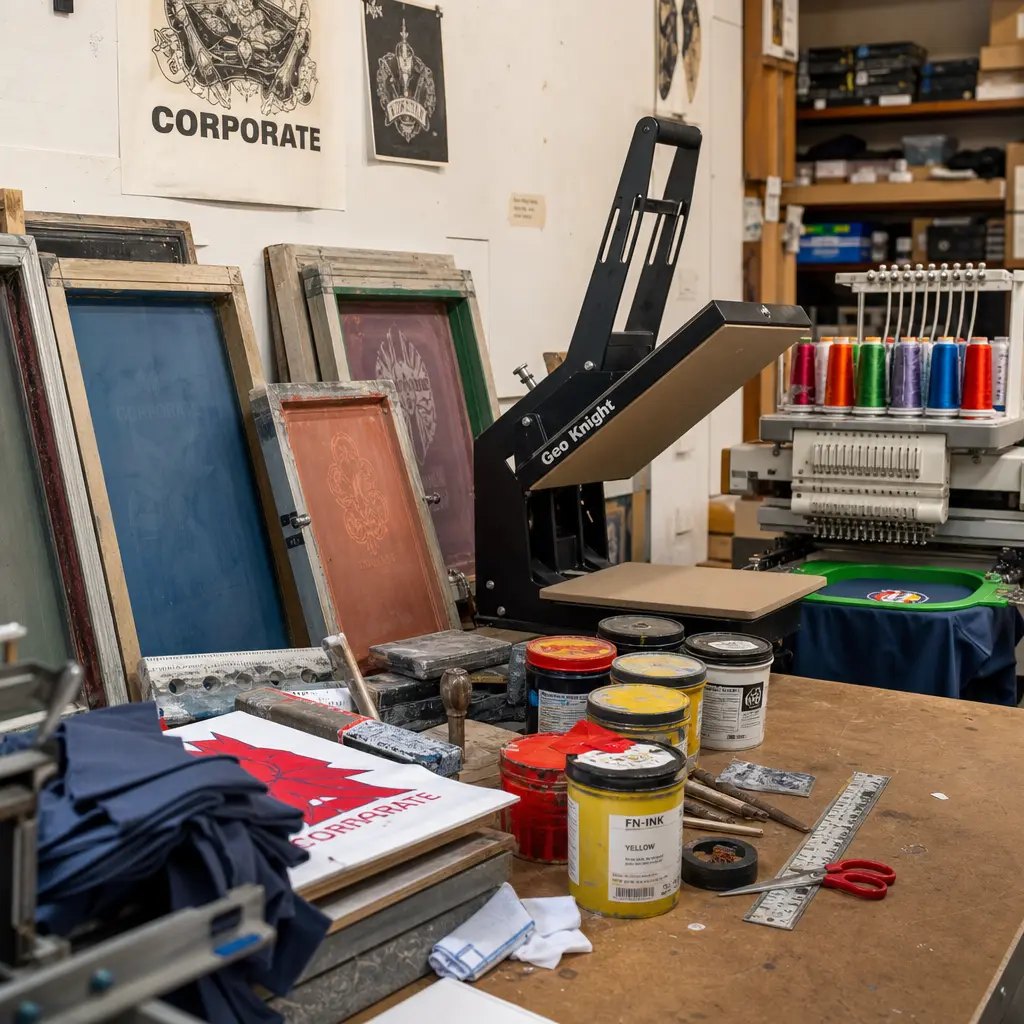
Most bakery pouch artwork works well with screen printing: one-color bakery logo, simple line illustration, small slogan, or shop mark. Screen print is durable, cost-efficient, and predictable on cotton when the artwork is not too fine. The buyer should provide vector artwork, Pantone references, logo size, and placement from the finished edge. Print position tolerance should be measurable, for example plus or minus several millimeters depending on pouch size.
Heat transfer or digital methods may be considered for full-color graphics, gradients, or very small runs, but they change hand feel and can look less integrated with natural cotton. Embroidery is possible but usually not ideal for low-cost bakery pouches because it adds cost, puckering risk, and slower production. For cotton drawstring pouches used as packaging, a clean screen print on the approved fabric is usually the most balanced option.
- Use screen print for solid logos, simple bakery icons, and repeat wholesale orders.
- Use heat transfer only when full-color artwork is commercially necessary.
- Avoid very fine lines on loose weave cotton unless the factory proves them in a strike-off.
- Approve ink color on actual fabric because natural cotton changes perceived Pantone color.
Understand MOQ And Cost Drivers
MOQ is not only a factory policy; it is linked to fabric sourcing, cutting efficiency, print setup, sewing line changeover, and packing work. A single natural cotton fabric with one print color can usually support a more flexible order than multiple fabric colors, many pouch sizes, and several artwork versions. When a bakery distributor wants four pouch sizes, the best cost structure often comes from keeping the same fabric and ink across the range.
Buyers should compare quotes by cost structure, not only unit price. One supplier may quote a lower pouch price but add separate screen charges, sample fees, carton marking charges, or higher packing cost. Another may include more setup but have a higher MOQ. A useful RFQ asks suppliers to separate these items, so procurement can compare the real landed cost and decide whether to consolidate SKUs.
- Main cost drivers: cotton GSM, pouch size, print colors, order quantity, drawcord type, packing format, and inspection requirements.
- MOQ pressure rises when fabric is dyed, artwork changes by SKU, or packing requires retail-ready labeling.
- Combining several pouch sizes under one material order may reduce fabric waste and setup burden.
- A very low MOQ can be useful for testing, but the unit cost may not represent repeat-order pricing.
Set Sample Approval Rules Before Bulk
A cotton pouch sample can be misleading if it uses substitute fabric, different drawcord, or hand-cut construction. For early development, a reference sample is acceptable, but the buyer should not approve bulk production from a sample that does not represent actual materials. The pre-production sample should use the intended GSM, fabric finish, cord, print ink, seam method, and packing fold where possible.
Sample approval should cover both appearance and function. Put the real wrapped bakery product inside the pouch, close the cord, place it upright or flat as it will be sold, and check whether the logo remains visible. Pull the drawcord repeatedly and inspect the channel. If the pouch will be packed in cartons for weeks before a holiday launch, check whether folded print areas crease or transfer.
- Approve finished size, not only flat pattern dimensions.
- Approve the exact logo size and position on the filled pouch.
- Record accepted natural cotton shade and fabric character with photos.
- Keep one signed sample with the buyer and one with the factory for final QC reference.
Specify Sewing And Drawcord Details
Drawstring pouches look simple, but sewing details decide whether they feel cheap or reliable. The side seam, bottom seam, and drawcord channel carry most of the handling stress. For bakery packaging, skipped stitches, loose threads, and weak back-tacking are visible quality problems, especially when pouches are displayed near premium baked goods. Stitch density and seam allowance should be consistent across sizes.
Cord choice also affects performance. Cotton cord gives a natural look that matches unbleached fabric, but it may fray more easily if ends are not knotted or finished. Polyester cord slides smoothly and can be color matched, but it may look less natural. For retail buyers, the closure should be tested with the actual fill weight, not by pulling an empty pouch once on the sample table.
- Require neat back-tacking at drawcord channel stress points.
- Confirm whether cord ends are knotted, heat sealed, tipped, or left raw.
- Check that the drawcord channel width allows smooth opening and closing.
- Reject oil stains, broken stitches, holes, and loose threads in visible areas.
Control Packing, Cartons, And Storage Risk
Cotton pouches are vulnerable to moisture, odor, dust, and compression marks. For bakery buyers, this matters because pouches may be stored near food operations or delivered to retail locations where presentation is inspected quickly. The packing specification should define pieces per inner polybag or paper band, pieces per carton, carton marks, and whether desiccant is needed for long ocean transit or humid seasons.
Flat packing is usually the most efficient method for bulk cotton drawstring pouches, but the folding line should not sit directly across the main logo if the ink or fabric is prone to creasing. Retail-ready packing, barcode stickers, or mixed-size assortments add handling time and error risk. If the buyer needs store-level distribution, carton sorting should be part of the quote, not an afterthought at shipment.
- Use inner packing by SKU, size, and artwork to prevent warehouse sorting errors.
- Confirm carton dimensions and gross weight for freight and storage planning.
- Avoid over-compression when printed panels need clean retail presentation.
- State whether cartons need neutral marks, brand marks, PO numbers, or destination labels.
Build A Realistic Lead-Time Plan
Lead time depends on material availability, sample approval speed, print setup, sewing capacity, and packing complexity. Stock natural cotton with a simple one-color print can move faster than dyed cotton, multiple artwork versions, or retail-labeled assortments. Procurement teams should separate sample lead time from bulk lead time and include approval days in the schedule. A factory cannot protect a launch date if artwork, size, or packing keeps changing after sample review.
Bakery programs are often tied to seasonal demand: holiday gift boxes, farmers market launches, new store openings, and retail promotions. These deadlines do not leave much room for rework. A practical schedule includes time for sample production, buyer testing with real products, artwork correction, bulk production, final inspection, freight, customs, and local distribution. The earlier the buyer locks fabric and artwork, the lower the schedule risk.
- Allow extra time for dyed fabric, lab dips, complex print, or multiple pouch sizes.
- Freeze artwork before screen making to avoid reset charges and schedule loss.
- Book final inspection before the cargo-ready date, not after cartons are sealed for pickup.
- For seasonal bakery packaging, build a buffer for customs, port congestion, and warehouse intake.
Specification comparison for buyers
| Spec decision | Recommended option | When it fits | Buyer risk to check |
|---|---|---|---|
| Fabric weight | 120-160gsm cotton for light bakery gifts; 180-220gsm for premium reusable packs | Use lighter weights for cookies, small pastry gifts, and short campaigns; use heavier weights for bread kits or repeat retail use | Very low GSM can show contents, twist during sewing, and fail cord pull tests; heavy GSM may raise freight and look too rigid for small pouches |
| Cotton construction | Plain weave unbleached cotton for most bakery branding | Fits natural, artisan, organic-style packaging where a warm off-white tone is acceptable | Natural cotton shade varies by lot; approve a tolerance range instead of expecting pure optical white |
| Food contact approach | Use inner food-safe wrapping, then pouch as secondary packaging | Best for bread, cookies, granola, coffee-pairing gifts, and bakery merchandise sets | Do not treat ordinary cotton pouch fabric as direct food-contact packaging unless the full material system is specified and tested |
| Print method | Screen print for solid bakery logos; heat transfer only for fine multicolor artwork | Screen print is cost-efficient for 1-3 color marks and good repeat orders | Thick ink can crack on heavy weave or bleed on loose cotton; request print strike-off on actual fabric |
| Drawcord material | Matching cotton cord for natural look; polyester cord for lower friction and brighter dye colors | Cotton cord works for artisan presentation; polyester cord works for frequent opening and stronger color matching | Cord ends may fray if not knotted or tipped; test pull strength after packed weight is added |
| Size allowance | Add 10-15mm width and 20-30mm height over product fit for easy loading | Useful when staff pack by hand during busy bakery operations | Too tight a pouch slows packing lines, damages pastries inside wrappers, and creates inconsistent closure height |
| MOQ logic | Combine sizes under one fabric and print color where possible | Works for bakery chains or distributors needing several SKU sizes without inflating setup cost | Factories may quote low unit prices but add separate screen, cutting, or packing charges for every size |
| Packing method | Flat pack in inner polybags by size, then export carton with desiccant if needed | Fits importer warehouses, retail distribution, and clean bakery back-room storage | Over-compressed cartons can crease printed logos and deform drawcord channels before delivery |
Buyer checklist before sampling
- Define the pouch use: secondary food packaging, retail gift bag, reusable merchandise pouch, or seasonal bakery campaign.
- State fabric composition, target GSM, color tone, and whether natural slubs are acceptable.
- Provide packed product dimensions and target finished pouch size, not only artwork dimensions.
- Specify print method, logo size, Pantone references, placement tolerance, and whether ink hand-feel matters.
- Request pre-production sample approval using bulk fabric or clearly mark any sample fabric substitution.
- Set acceptable seam allowance, drawcord pull strength, closure function, and visible defect limits.
- Confirm packing units, carton marks, inner bag quantity, moisture control, and retail labeling needs.
- Require quotes to separate pouch unit price, setup charges, sample charge, packing cost, and freight basis.
Factory quote questions to send
- What cotton GSM options are available from current stock, and what are the minimum dyeing or weaving quantities for custom fabric?
- Is the quoted fabric greige, bleached, unbleached, dyed, or washed, and what shade tolerance should we approve?
- Will the production sample use actual bulk fabric, actual drawcord, and actual print ink, or substitute materials?
- What is the recommended pouch size after allowing for product loading, drawcord closure, and seam loss?
- How many screens, setup charges, or plate charges are included for our artwork and size range?
- What is the MOQ per size, per print design, and per fabric color, and can sizes be combined under one material order?
- What inline and final QC checks are performed for GSM, seam strength, print placement, drawcord function, stains, and packing count?
- What packing specification is included in the quote, and what is the carton size, gross weight, and pieces per carton?
- What is the sample lead time, bulk lead time after approval, and realistic buffer before bakery launch or retail delivery date?
Quality-control points to confirm
- Fabric GSM should be checked against the approved tolerance before cutting, not only after finished goods are sewn.
- Finished size tolerance should be agreed by pouch size, commonly tighter for small gift pouches and wider for large bread bags.
- Drawcord must open and close smoothly after loading the intended product weight and after multiple pull cycles.
- Print registration, ink coverage, and logo position should be inspected against an approved strike-off and measurement guide.
- Seams at the side, bottom, and drawcord channel should be checked for skipped stitches, broken threads, and weak back-tacking.
- Natural cotton defects should be classified in advance: acceptable slubs differ from oil stains, dark fibers, or weaving holes.
- Packing count must match inner bag labels, carton marks, and purchase order SKU references.