Start With the Bakery Use Case
Cotton drawstring pouches for artisan bakeries are not a single commodity item. A small pouch for two wrapped cookies at a farmers market has different buying logic from a reusable pouch sold at the counter, a holiday gift-set bag, or a pouch packed with coffee, jam, and granola. The end use changes almost everything: fabric weight, cutting yield, sewing standard, cord strength, logo method, packing labor, inspection depth, and acceptable defect level.
Open the RFQ with the product role, sales channel, and packed contents. A supplier can quote more accurately when the request says, "natural cotton drawstring pouch for two individually wrapped cookies, counter display, one-color front logo, flat packed in export cartons." A vague request such as "cheap cotton pouch with logo" forces the factory to guess. Those guesses often create quotes that look attractive at first and then change after sampling, artwork review, or packing confirmation.
Separate presentation value from performance value. If the pouch is only an outer layer around a food-safe bag or box, the buyer may not need heavy canvas, custom dyeing, metal cord ends, or complex multicolor artwork. If the pouch will be resold or reused, it behaves more like a textile product. Seam durability, cord comfort, print rub resistance, retail labeling, and visual consistency matter. This early positioning keeps low-value programs from being over-specified and premium programs from being under-built.
- For wrapped cookies or pastries, define the maximum width, height, thickness, and packaging folds after wrapping, not only the baked product size.
- For gift sets, test with real contents because tied cotton pouches lose usable height and can bulge at box corners.
- For retail resale, specify cleaner sewing, stronger cord, barcode-ready packing, and stricter front-panel appearance in the first RFQ.
- For promotional giveaways, negotiate around stock natural fabric, standard cord, one-color print, and bulk flat packing before adding dyed cotton or accessories.
- For bakery groups with several brands, identify shared base specs and separate only the logo, label, or carton destination where needed.
Set the Food-Use Position Early
Most bakery cotton pouches work as secondary packaging. The food sits inside a food-safe paper wrap, film bag, box, or sealed inner pouch; the cotton pouch provides the outer presentation. That distinction matters. Standard textile pouches should not be treated as direct food-contact packaging by default. Cotton fabric can carry lint, processing residues, finishing chemicals, storage odor, dust from handling, or contamination from normal textile production environments.
Even for secondary packaging, food-adjacent standards should be written down. Ask for low odor, controlled lint, clean handling, trimmed loose threads, and protection from moisture during storage and shipment. Pouches should be packed in clean inner bags or another agreed barrier before export cartons are sealed. Cartons should arrive without chemical smell, water damage, mildew odor, or crushed corners that affect presentation.
Direct food contact changes the sourcing conversation. If bread, cookies, pastries, or confectionery will touch the cotton, identify the destination market, food type, contact duration, moisture or oil exposure, and whether the pouch will be washed before use. The supplier may need different fabric, dye, ink, finishing, washing, packing, and documentation controls. Those requirements can increase MOQ and lead time, so they should not be added after a low-cost secondary-packaging quote is approved.
- State clearly whether the pouch is secondary packaging or direct food-contact packaging.
- Use an approved food-safe inner wrap unless direct-contact cotton textile suitability has been specified and supported.
- For secondary packaging, still require clean handling, low odor, controlled lint, and protection from moisture during storage and shipping.
- For direct contact, define destination market, food type, contact time, moisture exposure, and required compliance evidence before sampling.
- Do not accept a generic phrase such as "food grade cotton" without test scope, material details, and applicable market context.
Choose Fabric Before Chasing MOQ
Fabric is usually the first real MOQ driver. Many bakery pouch programs sit between about 140 GSM and 270 GSM, roughly covering common 4 oz to 8 oz cotton constructions depending on weave and finish. A 4 oz pouch can work for light promotional use, but it may look transparent over dark paper sleeves or printed inner bags. A 6 oz pouch often gives a practical reusable feel without too much bulk. An 8 oz pouch feels stronger in retail displays and gift sets, though it can cost more to ship and may close less softly on small formats.
Ask for both oz and GSM. The conversion is not exact unless the weave, yarn, and finish are known. One supplier's 6 oz cotton may not feel like another supplier's 6 oz cotton. GSM measurement, weave density, yarn quality, shrinkage behavior, and finishing all affect the final pouch. For printed bakery logos, a plain-weave natural cotton with a reasonably smooth front panel is usually easier to control than loose, open, heavily slubbed fabric.
MOQ rises quickly when the fabric leaves the supplier's stock range. Natural unbleached cotton is often easier to negotiate than bleached white, custom dyed cotton, special yarn counts, organic cotton, recycled blends, or certified cotton. Custom dyeing can trigger a mill dye-lot minimum that is far above the sewing factory's finished pouch minimum. Certified cotton can require transaction documentation, certificate scope checks, and label-claim controls. For smaller launches, consider keeping the pouch natural and adding brand color through print, cord, paper band, hangtag, or carton label.
- 140-160 GSM: useful for low-cost promotional pouch programs, but check transparency, seam strength, and perceived value.
- 180-220 GSM: practical for many wrapped-cookie packs, small bakery gift sets, and local market merchandise.
- 240-270 GSM: stronger hand feel and better display presence, with higher material cost and freight weight.
- Over 300 GSM: closer to canvas behavior; durable but less flexible at the drawstring mouth and usually more expensive to ship.
- Natural cotton: usually the easiest starting point for low-MOQ negotiation and seasonal launch timing.
- Certified cotton: confirm certificate scope, transaction documentation, label claims, and whether certification creates a separate material minimum.
Size the Pouch by Usable Space
Drawstring pouch size should be specified as finished flat size, not cutting size. A pouch quoted as 15 x 20 cm does not provide 15 x 20 cm of usable interior space after side seams, bottom seam, drawstring channel, and closure gathering. For bakery packaging, the usable inner height below the cord channel often matters most. A cookie sleeve may slide into an open pouch but become too tall once the cord is tied.
Show the factory how the pouch will be measured. Finished flat width is normally measured seam to seam. Finished flat height runs from bottom seam to top edge. Usable inner height runs from the bottom seam to the lower edge of the drawstring channel, or to another practical closure line agreed in the spec. If there is a gusset, define gusset depth and whether width is measured flat before or after expansion. These details prevent a familiar dispute: the supplier delivers the ordered outside size, but the bakery cannot fit the product once the pouch is tied.
Drawstring construction affects both cost and customer experience. A single drawstring can work for short-use giveaways, but double drawstrings are easier for bakery staff and customers to open and close. Cotton cord supports a natural bakery look. Polyester cord can be cleaner, stronger, and less lint-prone, though it may feel less artisan. Cord diameter should match pouch scale: a 2 mm cord can feel weak on a medium pouch, while a 6 mm cord can overwhelm a small cookie pouch. The channel must be tall enough for the cord to move without tearing the fabric.
- Specify flat finished width and height, usable inner height, channel height, seam allowance, and gusset depth if used.
- Measure fit with the actual wrapped bakery item, including labels, paper folds, inner bag seams, and box corners.
- Use double drawstring for retail gift packaging that customers will reopen; reserve single drawstring for short-use or low-budget programs.
- Match cord diameter to fabric weight and pouch size; many medium bakery pouches work better with 4-6 mm cord than very thin cord.
- Define cord length, knot method, cord-end finish, stopper requirement, and whether ends may fray after repeated pulls.
- Require backstitching at side seams, bottom corners, and channel stress points where repeated pulling creates failure risk.
Match Print Method to Bakery Branding
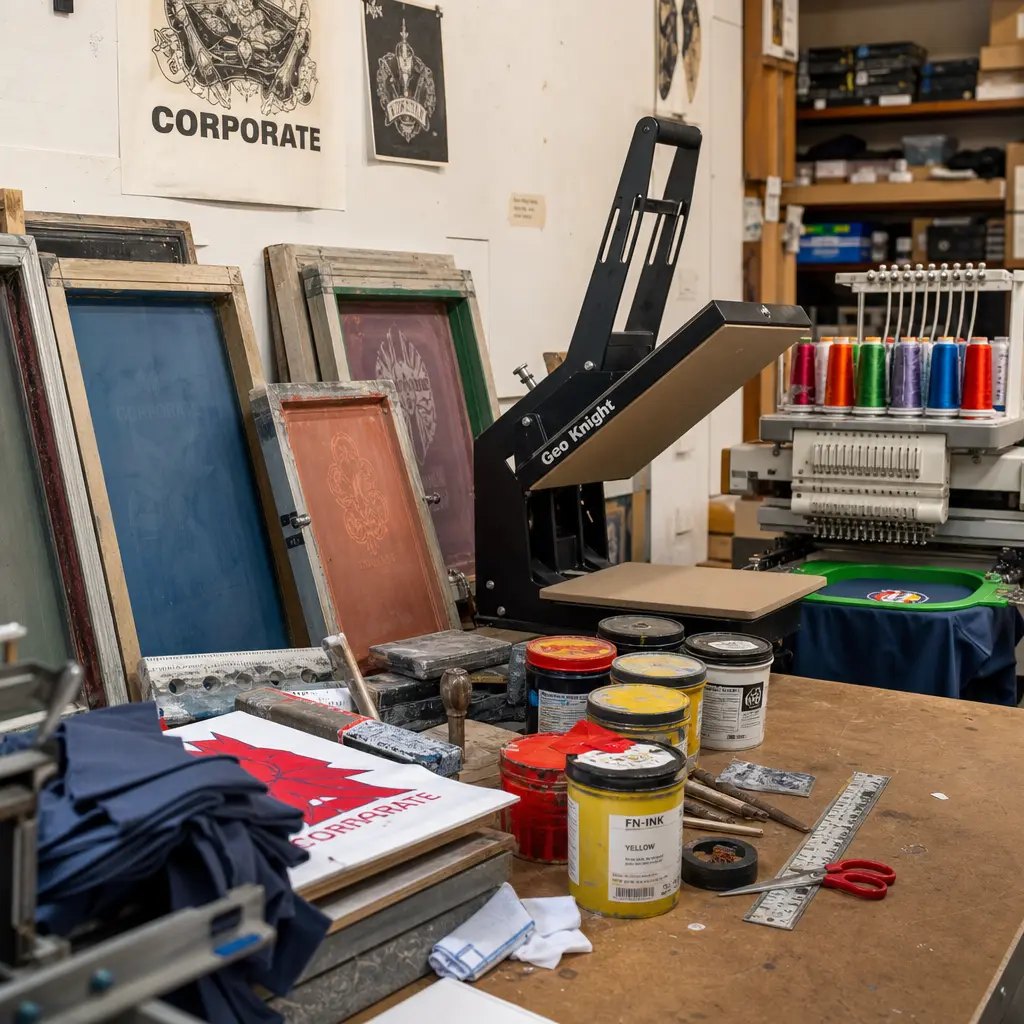
For MOQ-sensitive cotton drawstring pouches for artisan bakeries, one-color screen printing is often the most efficient choice. It suits bakery names, wheat icons, ingredient symbols, line art, location marks, and seasonal messages. Screen setup usually depends on both color and artwork version. A second logo, holiday slogan, different ink color, or new pouch size may require another screen, another strike-off, or another setup charge. Ask for those numbers during quote review, not after artwork approval.
Heat transfer can reproduce fine detail and multiple colors, but it needs closer hand-feel and adhesion review. A large transfer area can feel plastic on cotton and may not match an understated bakery packaging style. Digital printing can help with complex graphics or short campaigns, but pretreatment, curing, fabric shade, and repeatability can affect lead time. Embroidery is usually less practical for small bakery pouches because it adds backing, needle holes, slower production, and distortion risk on lighter cotton.
Natural cotton changes color perception. Unbleached fabric has a warm base tone, so pale inks, white ink, and fine reversed text may appear softer than expected. Small type can close up because cotton texture interrupts sharp edges. A print strike-off on the approved fabric is the safest checkpoint for ink density, logo scale, line sharpness, and rub resistance. For bakery use, the print should not transfer visibly to hands, paper sleeves, gift boxes, or neighboring pouches during packing and display.
- Use screen print for simple one-color bakery logos, ingredient icons, event graphics, and repeatable low-MOQ programs.
- Use heat transfer only when artwork detail or color count justifies the different hand feel and added adhesion testing.
- Avoid very small type, thin reverse lines, and overly detailed illustrations because cotton texture can reduce edge clarity.
- Specify placement by measurement from top edge, side seam, bottom seam, or channel line rather than visual centering alone.
- Approve a strike-off on the actual cotton fabric, not only a digital mockup or a print on a different textile.
- Ask whether each logo version, seasonal slogan, print color, and size creates a separate setup charge or MOQ.
Break Down the Real MOQ
MOQ is rarely one number. It is a stack of minimums from fabric sourcing, dyeing or finishing, cutting efficiency, print setup, sewing-line scheduling, trimming, packing, carton preparation, and export handling. A supplier may accept 500 pieces for a stock natural cotton pouch with one logo, yet require 1,000 or 3,000 pieces for custom dyed fabric, multiple sizes, certified cotton, special cord, retail packing, or several logo versions.
Pushing only for a lower total quantity can backfire. The factory may protect itself with a higher unit price, limited customization, a longer production window, fewer included checks, or stricter overrun terms. A better negotiation starts by asking which parts can be consolidated. A bakery distributor, for example, might use one natural 6 oz cotton fabric, one cord, and one flat packing method across two pouch sizes, then print several bakery logos in the same one-color process. The supplier may accept one fabric purchase plan while charging separate print setup fees by logo.
Request a price curve, not one price. A quote at 500, 1,000, and 3,000 pieces shows whether cost is driven by setup or scale. If the 500-piece price is much higher but the 1,000 and 3,000 prices are close, setup and line changeover may be the main issue. If every quantity break drops sharply, material purchasing and labor efficiency are likely driving the cost. Procurement can then decide whether to increase the first order, combine variants, simplify packing, or launch with stock fabric before moving into custom fabric.
- Ask MOQ per fabric color because dyed, bleached, certified, and natural cotton can each carry different material minimums.
- Ask MOQ per size because cutting markers, sewing guides, measurement points, and packing counts change by size.
- Ask MOQ per logo because screens, strike-offs, artwork checks, and print setup change even when fabric stays the same.
- Ask MOQ per packing method because barcode labels, hangtags, paper bands, individual bags, and destination sorting add version control.
- Negotiate a test order by keeping fabric, cord, drawstring style, print method, and packing format common across variants.
- Request a written MOQ split table so internal stakeholders can see the cost of each logo, seasonal version, size, and packing addition.
Compare Quotes by Landed Cost
A low unit price is not enough for approval. Cotton pouches are light, but packing density, carton dimensions, labeling, inspection, setup charges, and rework terms can change the landed cost. A complete quote should show fabric specification, fabric color, finished size, usable inner height if available, print method, print colors, setup charges, sample charges, packing method, carton quantity, carton size, gross weight, net weight, estimated CBM, Incoterm, payment terms, lead time, quote validity, and overrun or underrun policy.
Ask for at least two quantity breaks and one consolidation option. Compare 500, 1,000, and 3,000 pieces, then ask whether two sizes can share the same fabric purchase or whether several bakery logos can run in one production window. The answer reveals where negotiation is realistic. One supplier may hold firm on screen setup but reduce the unit price if fabric and packing stay standard. Another may accept mixed logos but require one carton label format.
Calculate landed cost per usable pouch, not only per finished unit. If the pouch is too small after tying, the savings disappear. If a cheaper quote uses lower GSM fabric, thinner cord, fewer pieces per carton, or individual packing that increases CBM, it may not be cheaper after freight and handling. Procurement should compare total purchase cost, freight effect, inspection cost, and expected defect risk before selecting the lowest FOB price.
- Compare FOB unit price plus setup fees, sample fees, packing charges, inspection cost, and freight effect.
- Request carton dimensions, pieces per carton, gross weight, net weight, and CBM so freight can be estimated before PO approval.
- Separate sample making cost from courier cost and confirm whether sample charges are credited after bulk order approval.
- Include inspection and rework terms for retail distribution, multi-store bakery rollouts, and wholesale gift programs.
- Ask whether overrun or underrun tolerance applies to custom printed orders and how excess pieces will be invoiced or handled.
- Require the supplier to list assumptions so later changes in artwork, packing, or size do not create surprise charges.
Use Samples to Catch Bulk Risk
A practical sample path has four checkpoints: fabric swatch, blank size sample, print strike-off, and pre-production sample. The fabric swatch confirms weight, shade, weave, hand feel, lint level, and odor. The blank size sample confirms usable inner space, closure behavior, seam allowance, cord length, and fit with the bakery product. The print strike-off confirms ink color, coverage, edge sharpness, hand feel, rub resistance, and placement scale. The pre-production sample proves that all approved elements have been combined correctly before bulk production moves forward.
Approving only photos saves time in the short term and adds risk later. Natural cotton shade, transparency, print texture, cord feel, and odor are hard to judge on a screen. If timing is tight and the order is small, at minimum approve a physical fabric swatch and a print strike-off. For larger retail orders, keep one signed approval sample at the factory and one with the buyer or inspection agency. Label both with size, GSM, fabric color, artwork version, print method, cord type, packing method, date, and approved tolerances.
Write sample comments in production language. Instead of saying the pouch should look more premium, specify heavier fabric, cleaner thread trimming, darker ink density, larger logo, different cord diameter, or a stricter folding method. Each revision should state whether it changes price, MOQ, or lead time. This prevents a common mismatch: the buyer approves a careful handmade sample, while bulk production follows assumptions that were never turned into measurable requirements.
- Measure the sample flat, filled, and tied to understand total size, usable inner height, and retail presentation.
- Rub the print with a dry white cloth and a slightly damp white cloth to check visible ink transfer before approving bulk.
- Pull the cord repeatedly to test channel stress, knot security, cord length, ease of opening, and handling feel.
- Place actual wrapped bakery items inside to confirm fit, lint exposure, odor, bulkiness, and appearance after closure.
- Photograph approved logo placement with a ruler and attach it to the production file for printing and inspection reference.
- Record all approved sample details in the purchase order or specification sheet, not only in informal email messages.
Write QC Tolerances in the PO
Cotton is a natural material, so minor shade movement, small flecks, and moderate slub may be normal on unbleached pouches. Retail-ready bakery pouches still need clean front panels, consistent sewing, acceptable odor, and a closure that works smoothly. The QC standard should separate natural texture from true defects. Cotton flecks may pass; oil stains, dirty hand marks, mildew spots, broken yarns, holes, heavy print smears, metal fragments, strong chemical odor, and visible contamination should not.
Define dimensional control before cutting begins. For many small pouches, plus or minus 5 mm on finished flat dimensions is a practical target when the factory agrees to it in advance. Larger cotton pouches may need plus or minus 10 mm or another written range depending on fabric behavior, shrinkage, and construction. Print position should be checked against a placement guide, especially when the logo sits near the drawstring channel, bottom seam, or planned paper band.
Tailor inspection to the pouch's use. A giveaway can tolerate more cosmetic variation than a retail gift set sold across multiple bakery stores. Inspection should include random measurement, usable-height checks, print rub checks, repeated cord pulling, loose-thread review, odor assessment, front-panel grading, carton count, inner packing verification, barcode scan if applicable, and photo records against the signed pre-production sample. Define rework, replacement, discount, and shipment-hold rules before the order is packed.
- Reject strong odor, mildew smell, visible oil stains, dirty handling marks, holes, broken needles, metal fragments, and heavy lint contamination.
- Set tolerances for total size, usable inner height, fabric shade, print position, cord length, stitch quality, and carton count.
- Define acceptable slub and fleck level for natural cotton before bulk approval to avoid subjective disputes during inspection.
- Inspect drawstring performance by repeated opening and closing, especially at channel ends and side seam stress points.
- Check loose threads, skipped stitches, and uneven trimming because they quickly reduce perceived quality in bakery retail displays.
- Review front print panels more strictly than hidden internal areas when the pouch will be customer-facing or sold as merchandise.
Plan Packing and Warehouse Flow
Packing format affects cost, freight, receiving accuracy, and store labor. Flat bulk packing is efficient for importers, distributors, and bakery chains that fill pouches locally. Individual polybags protect against moisture and dirt, but they add plastic, labor, and unpacking work. Paper bands reduce plastic and improve retail presentation, yet they require artwork, folding control, barcode accuracy, and version management. Hangtags, barcode labels, size stickers, and destination sorting should be specified before final quote because each version can add MOQ or packing labor.
Request carton data before purchase approval. Pieces per carton, carton dimensions, gross weight, net weight, and CBM let freight forwarders estimate landed cost early. A pouch quote that looks cheaper can become less attractive if cartons are underfilled or the packing method uses too much volume. Mixed bakery programs also need carton marks that identify size, logo version, quantity, PO number, and destination. Without clear marks, warehouse teams may spend time re-sorting pouches when they should be preparing for launch.
Food-adjacent handling should be practical and measurable. The factory should protect pouches from moisture, dust, strong odors, and dirty handling during packing. If the route is humid or storage time is long, the buyer may specify desiccant or other moisture-control instructions, but placement, inner bag use, and carton sealing should be agreed in advance. If retail barcodes are used, provide final barcode files and require scan verification during packing inspection.
- Choose flat packing when freight cost, warehouse efficiency, and local filling matter more than immediate retail display.
- Use individual bags, paper bands, hangtags, or barcode labels only when added labor and MOQ by packing version are justified.
- Provide carton marks, packing hierarchy, barcode files, destination sorting rules, and PO references before packing starts.
- Request carton quantity, dimensions, gross weight, net weight, and CBM so landed cost can be calculated accurately.
- Add desiccant or moisture-control instructions for humid routes when appropriate, and confirm inner bag and carton sealing method.
- Require barcode scan checks when pouches are sold as retail merchandise or distributed through multi-store inventory systems.
Specification comparison for buyers
| Spec decision | Recommended option | When it fits | Buyer risk to check |
|---|---|---|---|
| Food-use classification | Treat the pouch as secondary packaging outside a food-safe inner wrap unless direct-contact textile compliance is explicitly specified | Wrapped cookies, boxed pastries, coffee bags, granola packs, confectionery gift sets, and bakery merchandise bundles | Assuming direct food contact can create compliance, lint, odor, migration, cleanliness, and contamination risk; require destination-market evidence before approving direct contact |
| Fabric weight | 6 oz to 8 oz cotton, commonly about 180-270 GSM depending on weave and finish | Reusable-feeling pouches for cookies, small loaves, pantry bundles, gift packs, and branded retail add-ons | Below 5 oz may look transparent or weak; above 10 oz can increase freight, raise fabric MOQ, and make the mouth harder to close neatly |
| Fabric construction | Plain-weave natural cotton with a smooth front print panel, controlled slub level, and no severe yarn bands | Screen print, heat transfer labels, simple bakery marks, natural packaging programs, and understated artisan branding | Loose weave can cause print pinholes, inconsistent dimensions, seam weakness, and uneven closure after steaming, pressing, or washing |
| Finished size | Specify flat finished width and height plus usable inner height below the drawstring channel | Any bakery item where wrapped dimensions, box corners, or tied closure affect fit | A 15 x 20 cm total pouch does not provide 15 x 20 cm usable space; channel, seams, gusset, and tying reduce capacity |
| Drawstring style | Double cotton cord, usually 4-6 mm diameter for medium pouches; single cord only for cost-sensitive short-use programs | Gift packaging, counter display, retail resale, and pouches customers reopen multiple times | Thin cord can fray, slip into the channel, cut into fabric, or feel cheap; thick cord can make small pouches bulky |
| Print method | One-color screen print for MOQ-sensitive bakery logos; heat transfer only when artwork detail or color count requires it | Bakery names, wheat icons, line art, seasonal marks, ingredient symbols, and simple private-label branding | Each color, artwork version, and screen may carry separate setup cost; heat transfers need adhesion, rub, and hand-feel checks |
| MOQ structure | Negotiate by stock fabric, custom fabric, size, logo, print color, cord, packing method, and shipment split | Multi-location bakery groups, distributors, seasonal gift programs, and private-label ranges | A low headline MOQ can hide minimums per fabric color, per size, per logo, per barcode, per packing version, or per destination |
| Sample approval | Approve fabric swatch, blank size sample, print strike-off on actual fabric, and pre-production sample | Orders where size fit, logo quality, retail presentation, or QC repeatability matters | Skipping strike-off can cause wrong ink density, off-center placement, poor rub resistance, or unacceptable color on natural cotton |
| Packing format | Flat bulk packing in inner bags unless retail-ready paper bands, hangtags, barcode labels, or individual bags are required | Local filling by bakery teams, distributor repacking, retail merchandise, and wholesale gift programs | Store-ready packing improves presentation but increases labor, carton version control, CBM, packing MOQ, and barcode error risk |
Buyer checklist before sampling
- Define the pouch role: secondary gift packaging, reusable retail merchandise, promotional giveaway, in-store bundle component, wholesale pack, or direct food-contact item requiring separate compliance review.
- Confirm actual packed product dimensions after food-safe wrapping, labels, box corners, paper folds, and inner bag seams; do not size the pouch from the baked item alone.
- Specify flat finished width and height, usable inner height below the channel, gusset depth if any, and whether fit is judged empty, filled, tied, or after washing.
- Choose fabric weight in both oz and GSM, and state natural, bleached, dyed, organic, recycled-content, certified cotton, or conventional cotton requirements.
- Define acceptable fabric variation: GSM tolerance, shade range, slub level, lint level, odor requirement, and whether front panels need cleaner grading than hidden interior seams.
- Separate MOQ by finished size, fabric color, fabric source, logo version, print color count, cord type, stopper or cord-end finish, packing method, barcode label, and shipment destination.
- Attach vector artwork, target print dimensions, Pantone or CMYK references, logo placement from seams or top edge, and acceptable color deviation on natural cotton.
- State required print checks: dry rub, damp rub, adhesion, cracking after repeated closure, edge sharpness, odor, ink coverage, and transfer onto paper sleeves or adjacent pouches.
- Approve drawstring material, cord diameter, cord length, channel height, knotting method, cord-end finish, stopper requirement, and expected pull smoothness after repeated opening.
- Confirm sewing construction: seam allowance, stitch density, backstitching at channel stress points, gusset construction, thread color, loose-thread trimming, and needle-fragment control.
Factory quote questions to send
- What is the MOQ per finished size, per fabric color, per print design, per print color, per cord type, per packing style, per barcode label, and per shipment destination?
- Is the quoted MOQ based on stock cotton fabric, greige fabric allocation, custom weaving, custom dyeing, certified cotton, or a mill minimum outside your sewing factory?
- What fabric weight in oz and GSM is included, what tolerance applies, and can you provide the measured GSM and construction of the approval swatch?
- What are the finished flat dimensions, usable inner height below the drawstring channel, seam allowance, channel height, and measurement method used for QC?
- Can you provide a fabric swatch, blank size sample, print strike-off on actual cotton, and final pre-production sample before bulk cutting or bulk printing?
- Which print method is quoted, what setup charge applies per color and per design, how many print colors are included, and what is the cost of an added seasonal message?
- What bulk tolerances apply for finished size, usable height, fabric shade, print position, ink color, cord length, stitch density, carton quantity, and overrun or underrun?
- How do you control cotton shrinkage, fabric odor, lint, loose threads, dirty handling marks, drawstring pull strength, ink rub resistance, and broken needle risk?
- What is the lead time after sample approval, and which stages create the highest schedule risk: fabric booking, dyeing, printing, drying or curing, sewing, packing, inspection, or export handover?
- How many pouches are packed per carton, what are the carton dimensions, gross weight, net weight, and CBM, and can these be confirmed before purchase approval?
Quality-control points to confirm
- Finished size tolerance should normally be defined before cutting: plus or minus 5 mm is a practical target for many small pouches, while plus or minus 10 mm may be more realistic for larger cotton pouches unless the RFQ states otherwise.
- Usable inner height below the drawstring channel should be checked separately from total pouch height because the channel, seam allowance, and gathered closure reduce space available for wrapped bakery products.
- Fabric weight should be verified by GSM cutter or agreed laboratory method, and compared against the approved swatch with the buyer's tolerance stated in the purchase order.
- Natural cotton variation should be separated from defects: minor flecks and moderate slub may be acceptable, but oil marks, mildew spots, dirt, severe yarn bands, holes, and broken yarns should not pass.
- Fabric shade should be compared against the approved swatch under consistent lighting, with any accepted variation range documented before bulk production.
- Print position should follow an approved placement guide, commonly controlled around plus or minus 3 mm to 5 mm depending on pouch size, artwork scale, and distance from seams or channel.
- Ink should pass dry rub and damp rub checks suitable for the use; bakery gift packaging should not leave visible ink transfer on hands, paper sleeves, boxes, or adjacent pouches.
- Fine text, small icons, and line art should be inspected for filled-in details, jagged edges, pinholes, smears, inconsistent coverage, and loss of detail caused by cotton texture.
- Drawstring should pull smoothly without channel tearing, cord fraying, knots slipping into the channel, excessive lint shedding, or visible distortion after repeated opening and closing.
- Side seams, bottom seams, gusset seams if used, and channel ends should have secure backstitching, consistent stitch density, no skipped stitches, and trimmed loose thread ends.