The Buying Problem: Pretty Pouches That Fail in Use
For artisan bakeries, cotton drawstring pouches are not only packaging decoration. They are handled by bakery staff, opened by consumers, filled with irregular products, displayed near flour and moisture, and sometimes reused at home. A pouch that looks acceptable in a supplier photo can still fail because the cotton is too thin, the drawcord channel tears, the print cracks on the fold line, or the pouch size is too tight for the actual bakery item.
The safest RFQ starts with the use condition. Procurement teams should describe whether the pouch is for point-of-sale bread packaging, gift boxes, cookie assortments, refill programs, subscription deliveries, or retail resale. Each use changes the durability requirement. A pouch used once for a wrapped cookie does not need the same seam strength as a reusable pouch filled with bread rolls every week.
- State the filled product weight range, not only the empty pouch size.
- Include the product shape because round rolls, square pastry boxes, and loose cookies stress seams differently.
- Decide whether the pouch must survive consumer washing or only dry handling.
- Separate counter-use pouches from retail resale pouches because packing and labeling costs differ.
Fabric Weight and Hand Feel
Cotton pouch durability starts with fabric weight, but higher GSM is not always better. For bakery pouches, common useful ranges are about 150-180 GSM for light presentation bags, 200-270 GSM for reusable drawstring pouches, and 280 GSM or heavier for premium canvas-style packaging. If the pouch is small, very heavy fabric can make the drawcord channel bulky and difficult to close. If the pouch is large, light cotton may sag and show the contents too clearly.
Buyers should ask suppliers to quote both GSM and ounce weight because different markets use different terms. A supplier quoting only 'cotton canvas' leaves too much room for substitution. The RFQ should also state whether natural specks are acceptable. Unbleached cotton often has seed flecks and shade variation; that can fit an artisan bakery look, but it must be approved before bulk production.
- 150-180 GSM: acceptable for light dry goods, small cookie pouches, or short-use presentation.
- 200-270 GSM: better for reusable bakery packaging and stronger brand feel.
- 280 GSM and above: suitable for premium pouches, but test drawstring closure before approval.
- Natural cotton: lower dye risk and often lower MOQ, but expect shade and seed fleck variation.
- Dyed cotton: better color control for brand programs, but usually adds MOQ, lab dip time, and color approval risk.
Size, Capacity, and Pattern Tolerance
Many pouch problems come from quoting a flat size without checking the actual fill. A 200 mm by 250 mm pouch may look correct on paper, but usable volume changes after seam allowance, drawcord channel height, fabric thickness, and shrinkage. Bakery products are often irregular, so a pouch must be tested with the actual wrapped item or a realistic dummy pack.
For RFQ clarity, specify finished size after sewing, not cutting size. Include top width, bottom width if gusseted, total height, channel height, and any gusset depth. If the pouch needs to hold a small bread loaf or stacked cookies, a gusset may be worth the extra sewing cost. For flat gift inserts or small pastry packs, a non-gusseted pouch is usually simpler and cheaper.
- Use finished-size tolerances of about +/-5 mm for small pouches and +/-10 mm for larger pouches.
- Reserve enough height above the product so the drawcord can close without forcing the fabric.
- Add a bottom gusset when the product has depth and needs to stand or sit neatly.
- Avoid oversizing too much because loose pouches look cheap and increase carton volume.
- Request one sample filled with the real bakery item or a size-equivalent dummy before confirming bulk size.
Drawcord and Channel Durability
The drawcord system is the most common failure area on cotton bakery pouches. Consumers pull the cords sideways, staff close pouches quickly during busy hours, and filled goods create pressure at the channel. A weak channel may not fail during sample review, but it can tear after repeated opening and closing. The RFQ should define cord material, diameter, channel height, exit opening finish, and reinforcement method.
Cotton cord around 4-6 mm is a practical choice for many bakery pouches because it feels natural and matches the fabric story. Smaller cords reduce cost but can cut into the fabric or feel flimsy. Larger cords look premium but need a wider channel and can make small pouches hard to close. If the cord ends are knotted, knot size and slippage should be checked; if metal or plastic aglets are used, confirm they match food-adjacent brand expectations and destination regulations.
- Reinforce drawcord exit points with back-tack stitching or bar tack where the design allows.
- Set channel height wide enough for smooth cord movement after sewing shrinkage.
- Test at least 20 open-close cycles during sample review for roughness, tearing, and cord fray.
- Check whether single-cord or double-cord closure is required for the intended retail presentation.
- Avoid cord colors that bleed onto natural cotton unless colorfastness has been tested.
Seam Construction and Load Testing
Side and bottom seams need clear construction requirements. A simple lockstitch may be enough for a light pouch, but reusable bakery pouches usually need overlocked raw edges or a clean enclosed seam. French seams look neater and reduce fraying, but they add labor and can make corners thicker. For wholesale orders, the best choice is the seam that reaches the required strength without creating unnecessary cost or bulk.
A practical factory load test does not need to be complicated. Fill the pouch to the expected product weight plus a safety margin, suspend or handle it from the drawcord and body, and inspect seam movement, skipped stitches, and corner stress. The test should be done on the approved sample and repeated on random bulk pieces during inspection.
- For light cookie pouches, overlocked internal seams are usually cost-effective.
- For premium gift bakery pouches, French seams or bound internal seams can improve perceived quality.
- Use stitch density targets rather than vague wording such as 'strong sewing'.
- Inspect bottom corners because they take the highest stress when filled products drop into the pouch.
- Classify open seams, skipped stitches at stress points, and broken overlock as major defects.
Print Method and Logo Durability
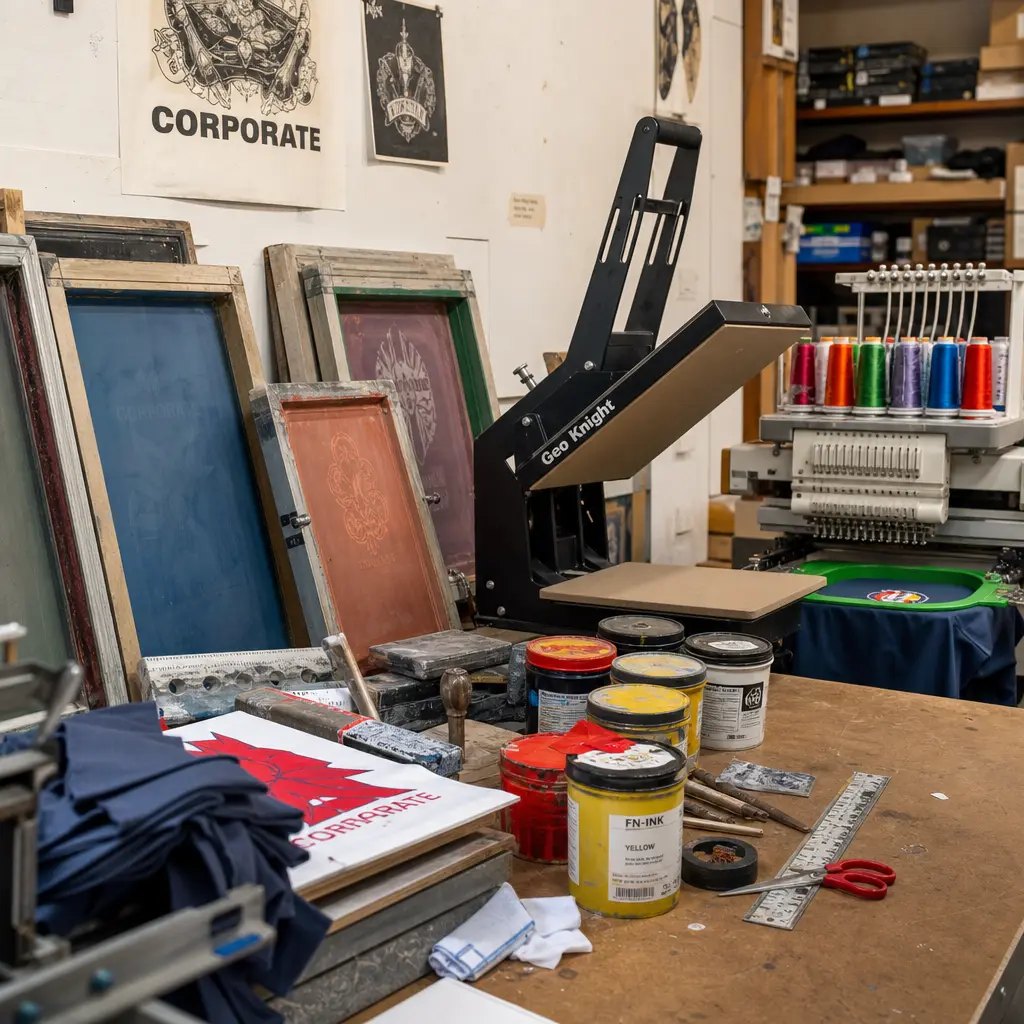
Most bakery pouch logos work well with water-based screen printing, especially on natural cotton. It gives a softer hand feel than heavy plastisol-style prints and suits simple one to three color artwork. For fine gradients, small text, or photographic artwork, heat transfer may be proposed, but buyers should not approve it without peel, rub, and fold testing. Embroidery is possible for premium programs, but it increases cost and can pucker light fabrics.
Artwork placement must be defined against the finished pouch, not the cutting panel alone. Drawstring channels, seams, gussets, and folds can shift the visual center after sewing. For bakery brands, print durability matters because flour dust, counter handling, and consumer reuse can make weak ink look worn quickly. A good sample approval includes ink color, print size, placement tolerance, hand feel, and resistance tests.
- Water-based screen print: good for soft feel, natural cotton, and simple bakery marks.
- Pigment or reactive fabric dye: better for all-over color, but requires dye-lot and shrinkage control.
- Heat transfer: useful for detail, but test edge lifting and cracking on cotton texture.
- Embroidery: premium look, but check puckering and reverse-side thread comfort.
- Set print placement tolerance, for example +/-5 mm to +/-8 mm depending on pouch size and artwork.
MOQ Logic and Cost Drivers
MOQ for wholesale cotton drawstring pouches is driven less by sewing and more by fabric sourcing, dyeing, printing setup, and packing format. Natural cotton in standard widths usually supports lower trial quantities because the factory can purchase or allocate stock fabric more easily. Custom dyed cotton, custom cord, woven labels, complex print colors, and individual retail packing push MOQ upward because each step has setup waste and minimum processing quantities.
Procurement teams should compare quotes by cost structure, not only unit price. A lower unit price may exclude screen charges, pre-production samples, reinforced seams, inner packing, or export cartons. For importers and distributors, carton volume also affects landed cost. A bulky pouch with individual paper bands or polybags may be cheap at factory level but expensive per unit after freight.
- Main fabric cost drivers: GSM, cotton grade, dyeing, shrinkage control, and fabric wastage.
- Main sewing cost drivers: gussets, French seams, reinforced exits, labels, and tight tolerance requirements.
- Main print cost drivers: number of colors, artwork size, ink type, registration difficulty, and screen setup.
- Main packing cost drivers: individual bags, belly bands, barcode labels, carton strength, and inner sorting.
- Main landed-cost drivers: carton cube, gross weight, duty classification, local delivery, and inspection costs.
Sample Approval That Prevents Bulk Problems
A sales sample made from substitute fabric is useful for concept review but not enough for production approval. The pre-production sample should use bulk fabric, actual cord, final seam construction, approved print method, and correct packing if packing affects presentation. Buyers should mark the approved sample with date, version, fabric weight, print color reference, and any tolerance notes.
During sample review, the buyer should handle the pouch like store staff and consumers will. Fill it, close it, reopen it, rub the print, fold the printed area, pull the cord, and inspect the channel. If the pouch will be washed, run a basic wash and dry check before mass production. Once bulk fabric is cut, changes to size, seam, or print placement become expensive and may delay shipment.
- Approve one sealed reference sample for factory production and one duplicate for buyer inspection.
- Record actual sample measurements instead of relying only on the original drawing.
- Test the filled pouch with realistic product weight and shape.
- Reject samples with strong odor, loose lint, cord jamming, print cracking, or obvious seam waviness.
- Do not release bulk production until artwork, fabric, cord, seam, and packing are approved together.
Packing, Cartons, and Bakery Channel Handling
Packing decisions should match the buyer's route to market. A bakery chain using pouches in-store may prefer bulk bundles of 50 or 100 pieces so staff can open cartons quickly. A distributor selling to retail shops may need barcode labels, individual paper bands, or set packing. Retail presentation improves shelf handling but adds labor, material, carton volume, and more inspection points.
Cotton absorbs moisture, so export packing needs basic moisture protection. Inner poly liners, dry cartons, and sensible carton weights help reduce mildew and compression damage. If a buyer avoids plastic, kraft paper inner wrapping can be discussed, but humidity risk must be managed. Cartons should not be overloaded because heavy compression can crease printed areas and deform drawcord channels.
- Bulk operational packing: inner bundles by count, simple carton marks, lower material cost.
- Retail-ready packing: belly band, barcode, folded presentation, higher labor and carton cube.
- Recommended carton planning: confirm pieces per carton, carton dimensions, gross weight, and stacking limit.
- Moisture control: use dry cartons, inner protection, and avoid loading damp goods after production.
- Inspection access: pack in a way that allows random checks without destroying too much retail packaging.
Lead Time and Schedule Risk
Lead time for cotton drawstring pouches depends on the slowest approved component. Standard natural cotton with simple screen print can move faster than dyed fabric with lab dips, custom cord, woven labels, and retail packing. Importers should not treat supplier lead time as one single number. It is better to break the schedule into sample making, sample transit, approval time, material purchasing, printing, sewing, inspection, packing, and export handover.
The most common delay is not sewing capacity; it is late approval or unclear artwork. If logo color, print size, or pouch dimensions change after the pre-production sample, the factory may need to remake screens, recut panels, or reorder fabric. Procurement teams can reduce schedule risk by locking the technical file early and setting a deadline for sample comments.
- Typical schedule elements to quote separately: sample time, sample shipping, bulk material preparation, production, inspection, and shipment handover.
- High-risk items: custom dyeing, special cord colors, detailed multi-color printing, and individual retail packing.
- Approval bottleneck: delayed buyer comments after sample receipt can consume more time than sewing.
- Production protection: keep an approved sample and packing instruction at the factory line.
- Shipment planning: carton cube should be estimated early so air versus sea freight decisions are realistic.
Specification comparison for buyers
| Spec decision | Recommended option | When it fits | Buyer risk to check |
|---|---|---|---|
| Fabric weight for bread or pastry packaging | 6 oz to 8 oz cotton canvas, roughly 200-270 GSM depending on weave | Best for reusable bakery pouches that need enough body without feeling stiff at retail counter | Very light 120-150 GSM cotton may pass a photo review but distort, tear at the channel, or look transparent when filled |
| Fabric construction and shrinkage control | Plain-weave cotton or cotton canvas with pre-shrink target agreed before cutting | Useful when pouches may be washed by consumers or used for refill programs | Uncontrolled shrinkage can reduce usable size and pull the drawcord channel out of tolerance after washing |
| Drawcord material | Natural cotton cord, 4-6 mm diameter, color matched or natural | Suitable for bakery brands wanting plastic-free presentation and a soft hand feel | Thin cord may cut into the channel seam; thick cord can jam in small pouches and slow packing line handling |
| Drawstring channel construction | Folded top channel with reinforced side openings and back-tacked stress points | Important for repeated opening and closing at bakery counters, markets, and refill displays | Unreinforced channel exits are common failure points when consumers pull the cord sharply |
| Side and bottom seam type | Lockstitch with overlock or French seam depending on finish requirement | Overlock is efficient for bulk wholesale; French seam is cleaner for premium gift bakery lines | Low stitch density or missed overlock can release lint and fail under filled-product load |
| Logo print method | Water-based screen print for simple bakery logos; heat transfer only for detailed artwork with testing | Screen print works well for one to three color branding on cotton pouches | Heavy ink coverage can crack or feel rubbery; transfer films can peel if heat settings and fabric surface are not controlled |
| Pouch sizing tolerance | Finished size tolerance of about +/-5 mm for small pouches and +/-10 mm for larger bakery bags | Works when bakery teams need consistent fit for rolls, cookies, baguette slices, or boxed pastry items | Quoting only flat size without fill dimensions causes tight packing and customer complaints at store level |
| MOQ and color logic | Use greige/natural cotton for lower MOQ; reserve dyed fabric for larger repeat orders | Natural cotton is practical for first wholesale runs, seasonal bakery launches, and distributor trials | Custom dye lots raise MOQ, lab dip time, color variance risk, and fabric waste cost |
| Retail packing format | Bulk inner bundles of 50 or 100 pieces, or individual paper belly band if retail presentation is required | Bulk packing suits bakery operational use; belly bands suit resale, gift kits, or subscription boxes | Individual packing adds labor, material, carton volume, and longer inspection time |
Buyer checklist before sampling
- Define actual contents by weight and shape: bread rolls, cookie packs, pastry boxes, or refill items, not only nominal pouch size.
- Specify finished pouch dimensions, drawcord channel height, seam allowance, and size tolerance in millimeters.
- Select cotton weight by use case: 150-180 GSM for light presentation, 200-270 GSM for reusable bakery packaging, heavier only when stiffness is acceptable.
- Require seam reinforcement at drawcord exits and bottom corners where filled pouches receive the most stress.
- Approve print method with rub, fold, and basic wash checks before bulk production starts.
- Request a pre-production sample using bulk fabric, bulk cord, actual print artwork, and final stitch construction.
- Set acceptance criteria for seam strength, fabric defects, print placement, color tolerance, odor, loose threads, and drawcord function.
- Confirm packing method, bundle quantity, carton size, gross weight, carton marking, and moisture protection for sea or air shipment.
- Ask the supplier to separate tooling, sample, printing, fabric dyeing, and packing costs in the quote instead of giving one unclear unit price.
- Build schedule buffer for fabric purchasing, print screen setup, sample approval, and rework if drawcord or logo placement fails.
Factory quote questions to send
- What cotton fabric weight in GSM and oz do you recommend for this pouch size and filled bakery product weight?
- Is the quoted fabric greige, bleached, dyed, organic, or recycled cotton, and what MOQ applies to that fabric option?
- What is the proposed seam construction at the sides, bottom, and drawcord channel, and where will reinforcement stitches be added?
- What drawcord diameter, material, tip finish, and color are included in the unit price?
- Which print method is quoted, how many colors are included, and what is the maximum printable area on the pouch?
- Can the pre-production sample be made with bulk fabric and actual print, not substitute stock fabric?
- What inspection standard will be used for fabric defects, print defects, seam defects, stains, and function failures?
- How many pieces per inner bundle and master carton are quoted, and what are the estimated carton dimensions and gross weight?
- What is the production lead time after sample approval and deposit, and which steps could extend the schedule?
- Are sample charges, screen charges, lab dips, custom labels, individual packing, and export cartons included or listed separately?
Quality-control points to confirm
- Finished size tolerance should be measured flat at top width, body width, height, and drawcord channel height using an approved sample as reference.
- Seam strength should be tested by manual pull and weighted fill test, especially at bottom corners and drawcord exit points.
- Drawcord movement should remain smooth after repeated open-close cycles without channel tearing, cord fraying, or knot slippage.
- Print should pass dry rub, light wet rub, fold, and tape-pull checks appropriate to the selected ink or transfer method.
- Fabric should be free from strong odor, oil marks, mildew spots, heavy slubs, broken yarns, and unacceptable shade variation within the shipment.
- Needle holes, skipped stitches, loose threads, and uneven top channel folding should be classified before inspection so the supplier and buyer judge defects consistently.
- Cartons should be dry, correctly marked, not over-weighted, and packed with inner poly or paper protection according to buyer policy and destination humidity risk.