Start With the Real Compliance Problem
For artisan bakeries, cotton drawstring pouches usually sit close to food but often do not touch food directly. That difference matters. A pouch used around wrapped cookies, boxed pastries, or a sealed bread bag has a different compliance burden from a pouch that directly contacts an unpacked loaf. Before discussing logo size or unit price, the procurement team should define the contact condition in writing.
The common sourcing mistake is treating these pouches like generic promotional bags. Bakery packaging has more visible risk: odor, lint, ink transfer, loose threads, and poor presentation can all affect how a customer perceives freshness and hygiene. A good supplier compliance checklist should therefore combine material safety, production control, artwork approval, packing discipline, and shipment documentation.
- Use cotton pouches for wrapped bakery products unless direct food-contact compliance has been clearly validated.
- Separate retail gift use, delivery packaging, and reusable merchandise packaging in the RFQ.
- Record whether the pouch will be stored near food, inserted into gift boxes, or displayed on retail shelves.
- Treat odor, stains, and loose fibers as compliance issues, not just appearance defects.
Define the Pouch Specification Before Pricing
A cotton drawstring pouch quote is only useful when every supplier is pricing the same construction. Finished size, fabric GSM, drawcord type, seam style, print method, and packing quantity can each move the cost. If one quote is based on 120 GSM stock natural cotton and another uses 180 GSM custom bleached cotton, the cheaper price is not a real comparison.
For bakery applications, the most practical size logic starts with the packed product, not the flat pouch drawing. Measure the product in its final bakery wrap, add hand-loading allowance, and leave enough head space for the drawstring channel to close without crushing the item. A pouch that looks neat on a spec sheet may be too tight when staff pack real pastries during a busy retail shift.
- Small cookie or confectionery pouch: commonly 10 x 15 cm, 12 x 18 cm, or similar, depending on inner wrapping.
- Bakery gift pouch: often 15 x 20 cm to 25 x 35 cm, depending on box or product bundle.
- Bread or specialty loaf pouch: requires extra height above the loaf so the channel can close cleanly.
- Include finished size tolerance and whether dimensions are measured flat before or after pressing.
Choose Fabric GSM for Handling and Presentation
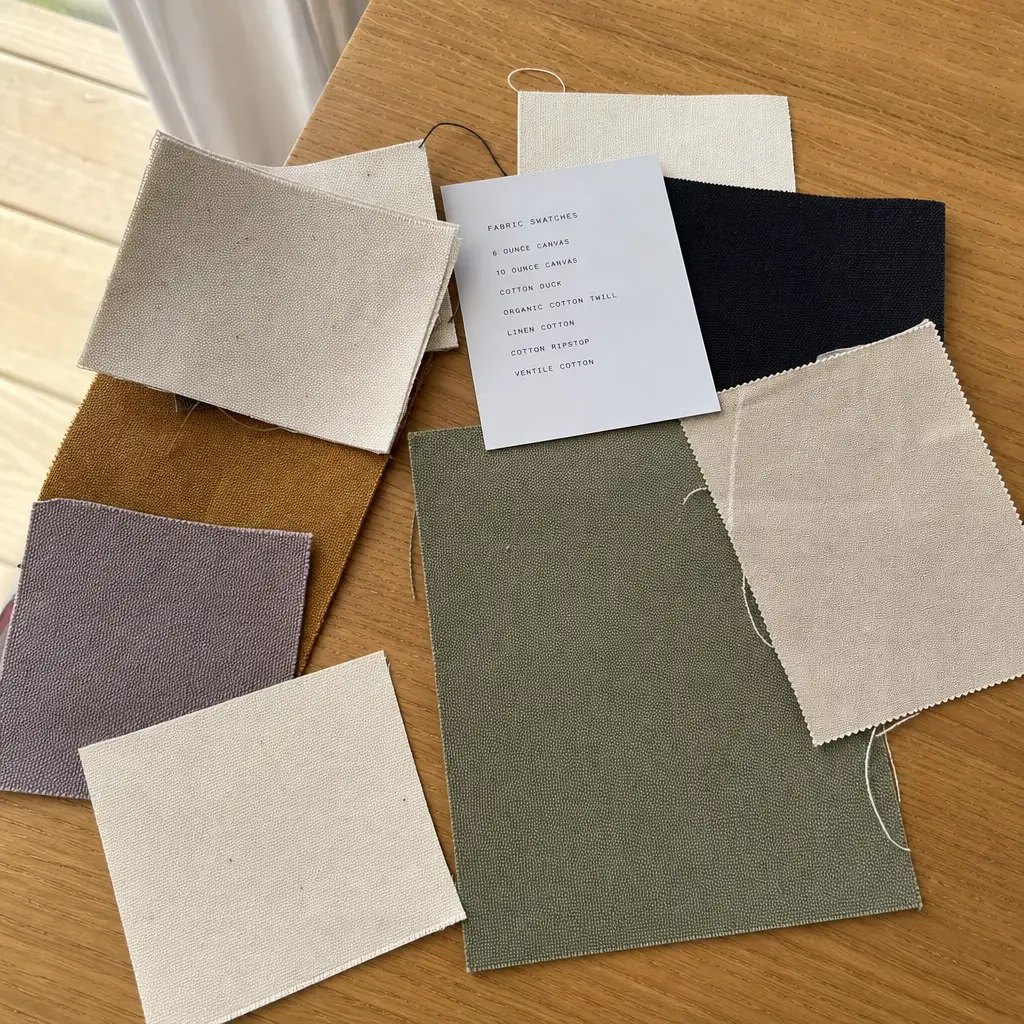
Cotton GSM affects more than weight. It changes opacity, drape, seam bulk, drawstring closing behavior, print appearance, and freight cost. For many bakery pouches, 120 GSM natural cotton is acceptable for light wrapped items and price-sensitive promotions. A 140-160 GSM fabric gives a stronger retail feel and better coverage when the pouch contains darker packaging or irregular product shapes.
Heavier cotton, such as 180 GSM and above, can be useful for premium gift sets but may not close as softly on small pouches. It also increases carton weight and may require more careful pressing after sewing. Buyers should avoid specifying the highest GSM automatically. The right GSM is the one that protects presentation, meets reuse expectations, and still packs efficiently.
- 100-110 GSM: only for very light promotional pouches where opacity and durability are not critical.
- 120 GSM: practical entry point for wrapped cookies, small bakery gifts, and simple branded packaging.
- 140-160 GSM: stronger hand-feel for retail shelves, gifting, and reusable bakery pouches.
- 180 GSM: premium appearance but higher cost, thicker seams, and less compact packing.
- Natural cotton may show seed specks; bleached cotton looks cleaner but may require tighter shade approval.
Control Print Method and Ink Risk
Most bakery buyers choose a one-color or two-color logo on cotton drawstring pouches. Water-based screen printing is usually the most stable choice for simple logos, clear brand marks, and repeat orders. It gives a softer hand-feel than thick plastisol-style printing and can look appropriate on natural cotton. However, curing must be controlled, especially when the artwork has solid ink coverage.
Heat transfer can reproduce fine details and multiple colors, but it should not be selected only because the artwork is complicated. Transfers can feel less natural, may show a film edge, and need testing for peeling or cracking when the pouch is flexed. Embroidery is durable but can distort lightweight pouch fabric and increase cost. For bakery packaging, clean, odor-free, well-cured printing is usually more important than decorative complexity.
- Use screen print for simple logos, short slogans, and repeat bakery retail orders.
- Use heat transfer only after testing film edge, hand-feel, peeling, and rub resistance.
- Avoid heavy ink coverage near the drawstring channel because fabric movement can stress the print.
- Specify print placement from the bottom edge or side seam, not by visual estimate.
- Require the sample to dry and air out before approval so ink odor is not hidden.
Qualify the Supplier, Not Just the Product
The keyword in this purchase is supplier. A bakery brand or distributor is not only buying a pouch; it is buying production control. A direct factory can normally explain fabric sourcing, cutting yield, sewing line capacity, print curing, inspection points, and packing method. A trading company may still be useful, but the buyer needs clear responsibility if the sample and mass production come from different workshops.
Supplier evidence does not need to be complicated, but it must be specific. Generic factory photos and broad claims are not enough. For cotton drawstring pouches, buyers should request evidence tied to the order: fabric GSM check, sample print photos, stitching close-ups, carton packing plan, and inspection records. This is especially important for bakery programs that repeat seasonally, because uncontrolled substitutions can appear in the second or third order.
- Confirm whether cutting, sewing, printing, and packing are controlled directly or subcontracted.
- Request supplier experience with cotton pouches, not only tote bags or general textile items.
- Require the same supplier entity on quotation, invoice, packing list, and export documents where possible.
- For distributors, clarify who handles claims if retailers reject goods for odor, stains, or wrong packing.
Understand MOQ Logic Before Negotiating
MOQ is often misunderstood because buyers ask for one number while factories calculate several constraints. For cotton drawstring pouches, MOQ may depend on fabric availability, dye lot, print setup, cutting efficiency, sewing line scheduling, and carton packing. A supplier may accept a low total quantity if the pouch uses stock natural cotton and one-color printing, but require a higher MOQ for custom dyed fabric or multiple sizes.
A practical negotiation does not simply demand a lower MOQ. It simplifies the order so the factory can run it efficiently. Combine sizes only when they use the same fabric and print setup. Reduce print colors. Accept stock fabric color. Keep the drawcord standard. If a bakery buyer needs three pouch sizes for a launch, it may be better to approve one core size first and add the others after retail demand is confirmed.
- Lower MOQ is more realistic with stock natural cotton, standard cord, and one print color.
- Higher MOQ is likely for custom dyed cotton, organic material claims, unusual cord colors, or many SKUs.
- Screen setup charges may apply even when the unit price looks low.
- Small orders can have higher defect sensitivity because replacement quantities are harder to absorb.
- MOQ should be stated per size and per artwork, not only as total pieces.
Use Samples as Production Contracts
A cotton pouch sample should not be treated as a photo prop. It is the physical reference for bulk production. The approved sample must show the final fabric weight, color, drawcord, seam construction, print method, print size, print placement, and closing behavior. If the supplier sends a sample from stock fabric while quoting custom bulk fabric, the sample has limited value.
Buyers should build an approval record around measurable points. Record flat size, weight per piece if useful, GSM, cord diameter or width, stitch density, drawstring channel height, print dimensions, and packaging method. For bakery use, also smell the sample after it has been sealed in a bag overnight. If odor builds up inside the bag, the issue may become worse when thousands of pieces are packed in export cartons.
- Approve one sealed physical sample and keep it for final inspection comparison.
- Photograph artwork placement with a ruler beside the pouch.
- Test loading with the real wrapped bakery product or retail box.
- Open and close the drawstring at least 20 times to expose cord or channel problems.
- Do a dry rub test on the print using a clean white cloth before approval.
Set QC Thresholds That Inspectors Can Use
Quality control must be written in terms that an inspector can apply at a table, not vague comments such as nice sewing or good printing. For cotton drawstring pouches, the most useful inspection points are finished dimensions, fabric defects, seam security, drawstring function, print quality, odor, cleanliness, and packing accuracy. The buyer should define which defects are critical, major, and minor before production starts.
Bakery packaging requires stricter treatment of contamination than ordinary giveaway bags. Oil marks, mildew odor, dirt, metal fragments, wet cartons, or strong chemical smell should be treated as serious issues. Loose threads may look minor, but inside a pouch used near bakery products they can become a hygiene and consumer complaint risk. The supplier should trim threads before final packing, not rely on the buyer to handle it after delivery.
- Critical defects: contamination, mildew, sharp foreign material, wrong material, severe odor, or unsafe packaging.
- Major defects: wrong size beyond tolerance, open seam, non-functioning drawstring, wrong artwork, or ink transfer.
- Minor defects: small slub, slight shade variation within approval, or trim thread that does not affect use.
- Use AQL only after defect definitions are agreed; otherwise inspection results become arguments.
- Compare final goods against the approved sample, not against a new verbal standard.
Plan Packing for Retail and Freight
Packing can change both compliance and landed cost. Bulk packing may be efficient for a distributor that will repack locally, but it can create creases and handling marks if the pouches are over-compressed. Individual polybags protect the pouch but add plastic, labor, and sometimes retail unpacking waste. Kraft paper bands can look better for bakery brands but must be tested for scuffing and moisture exposure.
Carton data is not an afterthought. Procurement teams should collect pieces per inner pack, pieces per carton, carton dimensions, gross weight, net weight, and carton marking details before confirming the order. This allows freight forwarders to estimate volume accurately. A pouch made from heavier GSM cotton may still have a low unit price but a higher landed cost if it increases carton volume or weight significantly.
- For direct-to-store programs, define barcode, SKU label, carton mark, and retail allocation by carton.
- For bulk distributor orders, use carton quantities that match warehouse picking needs.
- Avoid packing damp or warm printed pouches because trapped moisture and odor can develop in transit.
- Use moisture protection when shipping during humid seasons or through long ocean routes.
- Request carton drop resistance appropriate for the carton weight and export handling route.
Build a Lead Time With Real Production Gates
A supplier lead time such as 25 days after deposit is incomplete unless the buyer knows what starts the clock. For custom cotton drawstring pouches, the real start may depend on artwork approval, sample approval, deposit receipt, fabric availability, print screen confirmation, and final packing instructions. Delays often come from missing artwork details or late packing label data, not from sewing itself.
Bakery buyers often work around seasonal peaks, gift launches, or retailer planograms. That means schedule risk should be managed before the order is placed. A clean production schedule separates sample making, sample review, fabric booking, cutting, printing, sewing, inline inspection, final inspection, packing, and export handover. If the bakery needs a fixed retail delivery date, the RFQ should request the latest order confirmation date, not only the production duration.
- Allow extra time for custom dyed fabric, organic material documentation, or multi-color print approvals.
- Freeze artwork before bulk fabric cutting when print placement depends on pouch size.
- Schedule inspection before final balance payment and before goods leave the factory.
- Reserve time for carton mark approval, barcode verification, and forwarder booking.
- For holiday bakery packaging, build buffer for port congestion and warehouse receiving delays.
Specification comparison for buyers
| Supplier option | What to verify | Commercial advantage | Buyer risk to control |
|---|---|---|---|
| Direct sewing factory | cord material proof, reinforcement close-ups, load-test photos, approved sample tag, and bulk-line first-piece record | Better sample-to-bulk control and faster production feedback | May be weaker on export paperwork or branded packing unless checked early |
| Trading company | Factory name, production photos, trim-source proof, and who owns QC decisions | Can coordinate small mixed orders and extra services | Markup can hide real factory capability and slow defect decisions |
| Specialized bag workshop | cord diameter, eyelet or reinforced channel, bottom corner reinforcement, seam allowance, bar-tack position, and load target | More practical for detailed construction, trims, and repeat programs | Capacity may be limited during peak seasons |
| Low-price general supplier | 6-10 oz cotton canvas, 210D polyester, rPET, or blended cotton with shrinkage and colorfastness expectations set before sampling | Useful for simple promotional runs with loose specs | Material downgrades, weak packing, and vague inspection scope can erase savings |
| Retail-ready supplier | fold direction, cord protection, bundle count, carton compression, moisture bag, and retail label position | Can handle labels, SKU separation, carton marks, and receiving rules | Higher unit cost must be compared against reduced warehouse work |
| Compliance-focused supplier | Fabric records, labeling review, test plan, and production traceability | Safer for retail programs and repeat brand orders | Documentation claims need evidence, not only sales language |
| Local sample room plus bulk factory | Signed sample, bulk factory handoff, first-piece photos, and deviation owner | Good for complex branding before large production | Sample room quality may not match bulk line unless handoff is controlled |
Buyer checklist before sampling
- Define pouch use case: bread sleeve, cookie pouch, pastry gift bag, retail merchandise, or reusable promotional packaging.
- State finished size in width by height, plus allowed tolerance, not only approximate product size.
- Specify cotton type, fabric GSM, weave look, color, shrinkage expectation, and whether natural cotton seed specks are acceptable.
- Confirm whether the pouch has direct food contact or only holds wrapped bakery products.
- Provide artwork file, print dimensions, color reference, placement from seam or bottom edge, and acceptable print variation.
- Request the supplier MOQ by size, fabric color, print color, and shipment lot so quote comparisons are fair.
- Require a pre-production sample made with bulk fabric, bulk cord, and production print method before mass cutting.
- Define QC thresholds for size tolerance, seam strength, drawcord function, print rub resistance, stains, odor, and loose threads.
- Clarify packing method, carton quantity, carton dimensions, gross weight, labeling, barcode placement, and moisture protection.
- Collect quote data in the same format from every supplier: unit price, setup charge, sample cost, lead time, Incoterm, validity, and payment terms.
Factory quote questions to send
- Is your MOQ based on total quantity, each pouch size, each fabric color, each print design, or each shipment?
- Which cotton GSM options do you normally stock for drawstring pouches, and what is the GSM tolerance in bulk production?
- Can you make the sample using the same fabric roll quality, cord, stitching, and print method planned for mass production?
- What print methods are available in-house or through a controlled partner, and what tests do you run for curing, rub, and wash resistance?
- For natural cotton pouches, what level of seed specks, slubs, shade variation, and fabric odor should the buyer expect?
- What is the standard finished size tolerance after sewing, pressing, and packing?
- How many pieces are packed per inner bag and per export carton, and can cartons be marked by SKU, bakery chain, or retail destination?
- What production stages affect lead time most: fabric booking, dyeing or bleaching, print screen setup, sewing capacity, inspection, or export booking?
- Can you provide photos or records for fabric weight, cutting, print approval, inline inspection, final inspection, and carton packing?
- What changes will trigger a new price: GSM increase, custom dyed fabric, organic claim, extra print color, individual packing, barcode labeling, or lower carton quantity?
Quality-control points to confirm
- Finished pouch size within agreed tolerance, typically plus or minus 5 mm for small pouches and plus or minus 10 mm for larger bakery gift pouches.
- Fabric GSM verified against approved sample, with no unapproved substitution to thinner stock fabric.
- Side seams straight and secure, with no skipped stitches, open seams, twisted body panels, or loose thread clusters.
- Drawstring channel cleanly sewn, cord moves smoothly, and both cords are equal enough for practical closing.
- Print placement aligned to approved sample, with acceptable registration, no bleeding, no pinholes in large solid areas, and no sticky ink surface.
- Rub test and odor check passed before packing, especially for dark ink on natural or bleached cotton.
- Pouches free from oil marks, mildew odor, dirty handling marks, metal contamination, and heavy lint.
- Cartons packed to agreed quantity, with SKU labels, buyer PO number, gross weight, carton dimensions, and moisture protection where required.