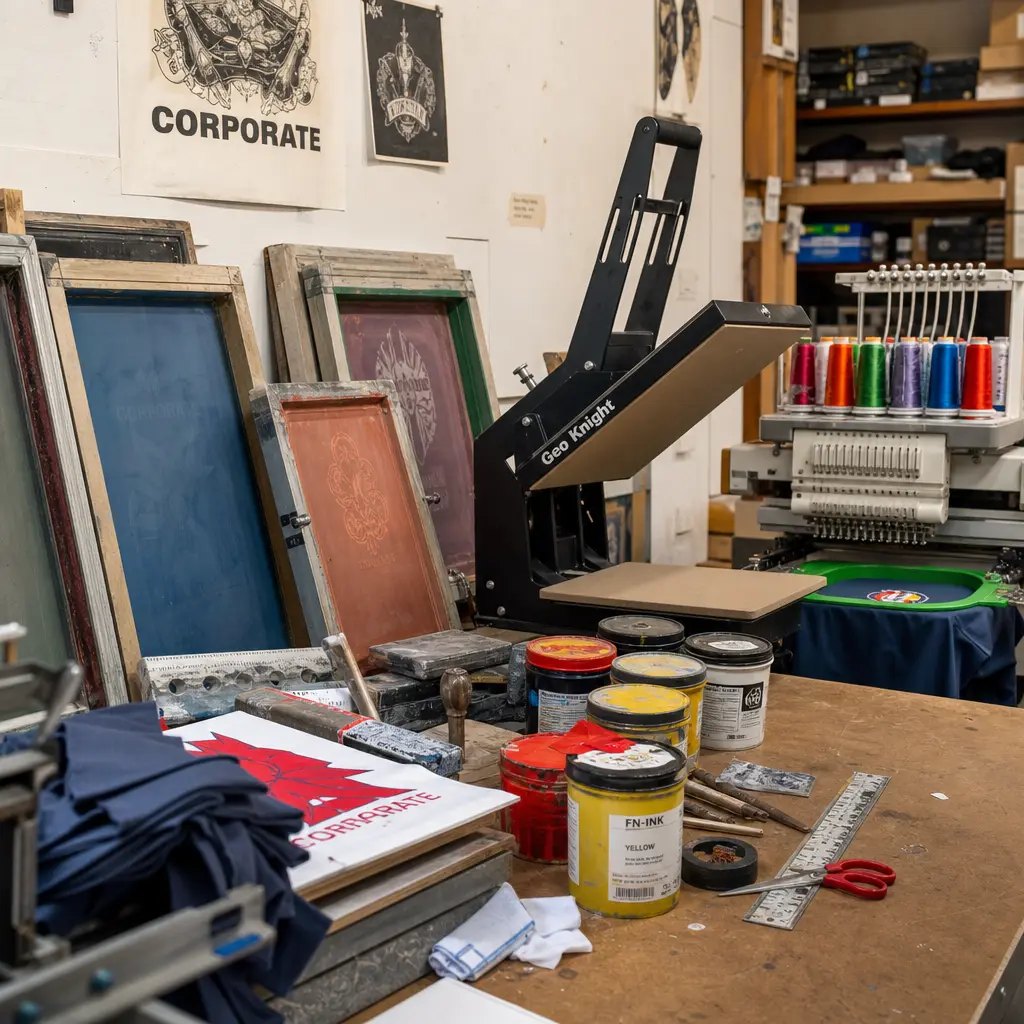
Why Print Proofing Matters for Natural Grocer Pouches
Wholesale cotton drawstring pouches for natural grocers look simple until the first order reaches the distribution center with a logo printed too close to the drawcord, a natural cotton shade that makes the green ink look muddy, or carton labels that do not match store allocation. The buying problem is not just finding a pouch supplier. It is controlling the proofing steps so the factory produces the pouch the brand approved, not a close interpretation of it.
For natural grocers, these pouches often sit near bulk foods, wellness counters, refill stations, gift sets, or promotional kits. They are touched by shoppers and store staff, so the print, fabric hand feel, and closure need to look intentional. A useful RFQ should give the factory enough production detail to quote correctly and enough acceptance criteria to prevent arguments after inspection.
- Use this guide when buying cotton drawstring pouches in bulk for private label, produce, wellness, gift, refill, or loyalty programs.
- Treat print proofing as a production control step, not a design approval formality.
- Make the supplier quote against measurable requirements: fabric GSM, print size, packing quantity, sample type, lead time, and inspection criteria.
Start With the Pouch Job, Not the Logo
The right pouch spec depends on what the store will put inside. A pouch for loose tea, herbs, or soap does not need the same fabric weight as a pouch for supplement bottles or a reusable produce kit. If the factory only receives a logo and a finished size, it will usually quote the cheapest workable construction. That quote may look attractive, but it may not survive retail handling or may feel too flimsy for the category.
Procurement should define the product load before approving fabric. For small dry items, 4 oz to 5 oz cotton can work if the pouch is meant to be lightweight and economical. For retail-facing grocery and wellness programs, 5 oz to 6 oz cotton canvas, roughly 170-200 GSM, is often a stronger starting point. For heavier items or premium gift kits, 7 oz or above may be justified, but the drawstring channel becomes bulkier and freight cost increases.
- For sachets, samples, tea, small soaps, and low-weight giveaways: consider 4 oz to 5 oz cotton, with print tested for ink spread.
- For natural grocer reusable pouches and wellness kits: start with 5 oz to 6 oz cotton canvas for better structure.
- For glass jars, bottle sets, or heavier retail kits: test 7 oz cotton or canvas, then confirm the mouth closes cleanly.
- Define whether the pouch must stand, fold flat, hang, fit a shelf tray, or fit inside another retail pack.
Set Fabric and Size Specs That Factories Can Quote
A common RFQ mistake is using only one size line, such as 6 x 8 inches natural cotton pouch. That does not tell the factory whether the buyer means flat finished size, usable internal size, or cut panel size. Cotton drawstring pouches lose usable space at the side seams, bottom seam, and drawstring channel. If the product must fit inside, the factory needs the product dimensions and expected fill height, not only the pouch target size.
Natural cotton also varies more than bleached or dyed fabric. Seed flecks, slubs, and slight shade movement are normal, but stains, mildew marks, oil spots, or inconsistent rolls are not. The purchase order should define the approved fabric range with a sample swatch or pre-production sample. If the brand wants a cleaner background for detailed artwork, bleached cotton or dyed cotton may print more consistently, although it changes the natural grocery look and may add cost.
- Write size as finished flat width x finished flat height, then add product fit requirements separately.
- Include drawstring channel height if the print must sit below the closure area.
- State fabric as natural cotton, bleached cotton, dyed cotton, recycled cotton blend, or certified organic cotton only when documentation is required.
- Request GSM and oz because suppliers in different regions may quote one unit but not the other.
- Approve a fabric swatch under normal light, not only a phone photo from the sample room.
Choose the Print Method Before Comparing Prices
Most wholesale cotton drawstring pouch orders for natural grocers are best suited to screen printing when the artwork uses one to three solid colors. Screen print is economical, durable enough for typical pouch use, and works well on cotton texture if the artwork is not too fine. It does require screens and setup, so the cost logic improves as quantity increases. For very small runs or many artwork versions, a supplier may suggest heat transfer, but the feel and durability should be tested on the actual fabric.
Embroidery can look premium, but it is not always practical on small drawstring pouches. Dense embroidery can pucker light cotton, distort small panels, and make the pouch less flat for packing. Woven labels or sewn side labels can be cleaner for brand identification when the main artwork is minimal. The buyer should not let the factory choose the method only based on a low quote; the proof must show how the method behaves on the real fabric.
- Screen print: best for solid logos, moderate detail, and bulk orders with repeat artwork.
- Heat transfer: useful for small multicolor artwork, but test edge adhesion, hand feel, and wash or rub resistance.
- Embroidery: better for premium low-detail marks, not fine grocery copy or small nutrition-style text.
- Woven label: useful for subtle branding or when the pouch body should remain mostly plain.
- Avoid very fine reversed-out text on natural cotton because ink gain and fabric texture can close the letters.
Build a Real Print Proofing Checklist
A digital proof is useful for layout, but it cannot prove ink absorption, cotton shade, seam distortion, or the way the drawcord gathers the top edge. For a first order, the buyer should approve a physical print strike-off or a full pre-production sample. A strike-off proves print color and edge quality on the chosen fabric. A full sample also proves size, sewing, cord, placement, and packing appearance.
The proofing checklist should use measurable acceptance criteria. Instead of saying logo centered, state the distance from the bottom edge, side seam, or drawstring channel. Instead of saying Pantone green, state the Pantone target and accept that natural cotton may shift the visual result; the strike-off becomes the production reference. If the logo sits near a seam, the buyer should approve how much distortion is acceptable after stitching and pressing.
- Artwork file: vector AI, EPS, or production PDF with fonts outlined and Pantone references.
- Print size: width and height in millimeters, including maximum allowed variation.
- Placement: measured from fixed edges, not estimated by eye.
- Ink quality: no heavy bleeding, missing coverage, visible cracking, offset marks, or dirty screen edges.
- Color approval: physical sample under agreed lighting, with a tolerance range for natural cotton shade.
- Repeat proof: required if fabric weight, ink color, print method, pouch size, or logo scale changes.
Understand MOQ and Cost Drivers
MOQ on cotton drawstring pouches is not only about the number of pieces. It is affected by fabric purchase, cutting efficiency, print screens, labor setup, label sourcing, cord color, packing style, and how many artwork versions are required. A distributor ordering five pouch sizes with five logos may think it is one bulk order, while the factory sees twenty-five small production lots. That is where quote comparisons become misleading.
The cleaner approach is to consolidate the base pouch wherever possible. Use the same fabric, same cord, same size, and same packing method across several logo versions if the program allows it. Then negotiate MOQ per print version separately. If each store department needs a different logo, the factory should show screen charges and print changeover cost clearly. A lower unit price that hides setup charges can become more expensive after artwork splits are added.
- Main cost drivers: fabric GSM, pouch size, print color count, print area, artwork versions, cord material, label type, packing labor, and carton volume.
- MOQ may apply per fabric color, per size, per logo, per print method, and per packing style.
- Screen print setup is easier to amortize at higher volume; many small logo versions raise unit cost.
- Individual polybags, barcode labels, hangtags, and store-specific carton sorting add labor and inspection time.
- For landed cost comparison, request carton CBM and gross weight, not only FOB unit price.
Compare Supplier Quotes on Evidence, Not Format
Two quotes can use the same words and still describe different products. One supplier may quote 5 oz cotton with bulk carton packing, while another quotes 5 oz lookalike fabric with lower GSM, thinner cord, smaller print area, and no screen charge included. Procurement teams should force quote data into the same structure before deciding. The goal is not to make every factory use the same template; it is to expose what each price includes.
For importers and retail buyers, supplier evidence matters. A reliable factory should be able to provide fabric swatches, previous production photos of similar pouches, sample room measurements, carton packing estimates, and a clear production schedule. They do not need to reveal confidential customer names. They do need to prove they understand cotton drawstring pouch construction and print limitations.
- Quote line should include finished size, fabric GSM, fabric color, cord type, print method, print colors, print size, packing method, MOQ, sample cost, tooling cost, and lead time.
- Request photos of comparable pouches showing seam, drawcord channel, print edge, and packing, not only a front beauty shot.
- Separate unit price from one-time costs so repeat order economics are visible.
- Require carton dimensions and estimated weight for freight calculation.
- Treat unclear fabric weight, vague print method, or missing packing data as commercial risk, not minor paperwork.
Sample Approval Should Cover Sewing and Packing
Many buyers approve only the printed front panel and later discover that the cord is too thin, the channel is tight, or the pouch opening does not fit the intended product. A full pre-production sample should be handled like a small production run. Pull the drawcord repeatedly, fill the pouch with the real product, place it in the retail tray or shipping carton, and check whether the print remains visible after the top gathers.
Packing should also be sampled when the order is going to a distribution center or store program. Bulk-packed cotton pouches can arrive wrinkled, but they should not arrive damp, dirty, heavily crushed, or mixed by artwork. If individual polybags are required, the buyer should approve bag thickness, warning text if needed, barcode position, and whether the pouch must be folded in a specific way. These details change labor time and carton size.
- Fit test the actual product or a weight-equivalent dummy inside the pouch.
- Measure finished size after sewing and pressing, not before drawcord insertion.
- Pull the cord several times to check channel friction and seam stress.
- Inspect inside seams for loose threads that can catch product corners.
- Review folding method and inner pack quantity before carton packing is finalized.
- Photograph approved sample details and attach them to the purchase order.
Set QC Thresholds Before Bulk Production
Cotton drawstring pouches are often low to medium unit value, so suppliers may assume broad tolerance unless the buyer defines otherwise. That assumption causes disputes. The PO should state what counts as critical, major, and minor defects. Critical defects may include wrong logo, wrong artwork version, unsafe contamination, mildew odor, or broken drawcords. Major defects may include visible stains, severe print skew, open seams, wrong size beyond tolerance, or mixed packing. Minor defects may include small thread ends or slight natural cotton slubs within the approved range.
Inspection should include both appearance and function. A pouch can look good in a flat photo but fail when opened and closed. Random samples from multiple cartons should be measured, filled, pulled, and rubbed. For printed pouches, a basic rub check helps identify under-cured ink or transfer risk. For natural cotton, odor and dampness checks are important because packed cotton can hold moisture if storage is poor.
- Size tolerance: define in millimeters by pouch size and make clear whether it applies to flat finished size.
- Print tolerance: define maximum skew, off-center distance, missing ink area, and unacceptable smudging.
- Sewing tolerance: reject open seams, skipped stitches at stress points, broken cord channel stitching, and loose cord ends.
- Fabric defects: reject oil stains, mildew, holes, heavy shade mismatch, and dirty panels outside the approved sample range.
- Packing defects: reject wrong inner quantity, mixed artwork, missing barcode, wet cartons, crushed cartons, and unreadable shipping marks.
Plan Lead Time Around Proofing Risk
Lead time should not start in the buyer's mind when the RFQ is sent. For the factory, bulk production usually starts after final artwork, fabric confirmation, sample approval, deposit or payment arrangement, and packing instructions are complete. If the program has a launch date, procurement should build the schedule backward from required delivery and include proof revision time. Natural grocer campaigns often align with seasonal promotions, store openings, Earth Month, or holiday gifting, so late sample approval can quickly become an air freight problem.
A practical timeline separates sample making, sample transit, sample review, revision, bulk material preparation, cutting, printing, sewing, QC, packing, export documentation, and freight handover. For repeat orders with unchanged artwork, the timeline can be shorter. For new fabric, new logo color, special packing, or multiple store versions, build in extra review days. The cheapest quote is not useful if the supplier schedule assumes perfect first-time approval.
- Do not release bulk printing until the approved proof is documented with photos, measurements, and signature or written approval.
- Allow time for one sample revision on first orders, especially when logo color is important.
- Lock barcode, carton marks, and packing lists before packing materials are printed.
- Schedule inspection before final payment or shipment handover when possible.
- For urgent replenishment, reduce risk by repeating the last approved construction instead of changing fabric, cord, or print method.
Specification comparison for buyers
| Spec decision | Recommended option | When it fits | Buyer risk to check |
|---|---|---|---|
| Fabric weight | 5 oz to 6 oz cotton canvas, about 170-200 GSM | Retail bulk bins, wellness gifts, small grocery accessories, tea, soap, supplements, and reusable produce programs | Too light can show contents and wrinkle badly; too heavy may raise freight cost and make the drawstring mouth stiff on small sizes |
| Fabric finish | Natural unbleached cotton with controlled shrinkage allowance | Natural grocers that want a lower-processed look and do not need a bright white print base | Seed flecks and shade variation are normal; approve tolerance in the proof instead of rejecting normal natural cotton character |
| Print method | Screen print for 1-3 solid colors; heat transfer only for small multicolor detail; embroidery only for premium low-detail logos | Most wholesale cotton drawstring pouches where the logo must stay economical and readable | Fine type below about 1.5 mm stroke can fill in on textured cotton; require a strike-off before mass printing |
| Drawcord | Cotton cord for natural look; polyester cord only when color consistency or higher abrasion resistance matters | Grocery, organic, wellness, and refill programs where the pouch should feel consistent with natural packaging | Cord color can differ from body fabric; test pulling strength and mouth closure after washing or steaming |
| MOQ logic | Consolidate by pouch size and fabric, then split logo versions where possible | Multi-store chains or distributors ordering several department designs | Factories may quote each artwork as a separate MOQ if print screens, labels, or packing marks change |
| Proof approval | Approve a physical pre-production sample plus print placement diagram | Any order with retail-facing logo, barcode, care label, or strict brand color | Digital proofs do not show ink absorption, seam distortion, drawcord obstruction, or natural cotton shade |
| Packing format | Bulk pack 50-100 pieces per inner polybag or carton liner; individual polybags only when retail or fulfillment requires it | Wholesale replenishment, store kits, event distribution, or in-store merchandising programs | Individual packing adds labor, plastic, carton volume, and lead time; barcode labels must be verified before sealing |
| QC threshold | Use AQL inspection with defined critical checks for print, seam, size, cord, carton marks, and odor | Importers and distributors shipping to DCs or retail customers | A pretty top sample does not protect the order; define rejectable print skew, stains, loose threads, and wrong packing before production |
| Lead time buffer | Allow sample revision time before counting bulk production days | Seasonal launches, Earth Month campaigns, new private label programs, and first orders with a factory | Artwork delay, lab dip delay, or late barcode approval can consume the whole schedule before cutting starts |
Buyer checklist before sampling
- Confirm pouch size as usable internal size, not flat cut panel size, and define tolerance for width, height, and mouth opening.
- Specify fabric weight in oz and GSM, including whether natural unbleached cotton shade variation is acceptable.
- State drawcord material, diameter, color, knot method, and whether cord ends must be finished, knotted, or heat sealed.
- Send vector artwork with Pantone references and minimum line thickness, not only a JPG or PDF screenshot.
- Define print method, logo size, print location from top edge or seam, maximum skew tolerance, and acceptable ink hand feel.
- Approve a physical print strike-off or pre-production sample before bulk printing, especially for natural cotton and dark inks.
- List all pack-out requirements, including inner pack quantity, carton quantity, carton marks, barcode labels, polybag restrictions, and retail ticketing.
- Require the quote to separate pouch cost, print cost, sample cost, tooling or screen cost, packing cost, and estimated carton dimensions.
- Reserve time for sample transit, comments, revision, bulk production, inspection, export documents, and freight handover.
- Set QC acceptance criteria for stains, holes, broken stitches, loose drawstrings, print cracking, print offset, odor, and mixed artwork.
Factory quote questions to send
- What fabric weight in oz and GSM is included in the quote, and can you provide a cutting swatch from the same fabric lot before production?
- Is the quoted size the flat finished size or the usable packed size after seam allowance and drawcord closure?
- Which print method is quoted, how many colors are included, and what is the maximum recommended artwork size for this pouch size?
- Are screen charges, setup charges, print strike-off cost, and pre-production sample cost included or listed separately?
- What MOQ applies per pouch size, per fabric color, per print artwork, and per packing style?
- Can you show previous factory production photos of similar cotton drawstring pouches with the same fabric weight and print method, without claiming customer names?
- What are the expected carton quantity, carton size, gross weight, and cubic meters for the proposed packing method?
- What inspection standard will you support, and which defects are treated as critical, major, and minor?
- How many days are needed for sample making, sample revision, bulk production, inspection, and export packing after final artwork approval?
- If the logo color shifts on natural cotton, will you revise ink mixing before mass production or only note it as fabric variation?
Quality-control points to confirm
- Finished pouch size should stay within the agreed tolerance, commonly plus or minus 5 mm for small pouches and plus or minus 10 mm for larger pouches unless a tighter tolerance is purchased.
- Print placement should be measured from fixed edges, with skew and off-center limits defined before production.
- Ink coverage should be even, with no obvious pinholes, blurred edges, ghosting, cracking, or transfer marks on the reverse side.
- Drawcord must slide smoothly through the channel and close the pouch without seam tearing or cord breakage under normal hand pull.
- Seams should have consistent stitch density, no open seams, no skipped stitches at stress points, and trimmed thread ends.
- Natural cotton shade, seed flecks, and small slubs should match the approved sample range and not include oil stains, mildew, or strong odor.
- Carton packing must match the purchase order by artwork, size, quantity, inner pack count, barcode, and shipping mark.
- Random opened cartons should be checked for mixed logos, mixed sizes, dampness, crushed pouches, and incorrect inner bag quantities.