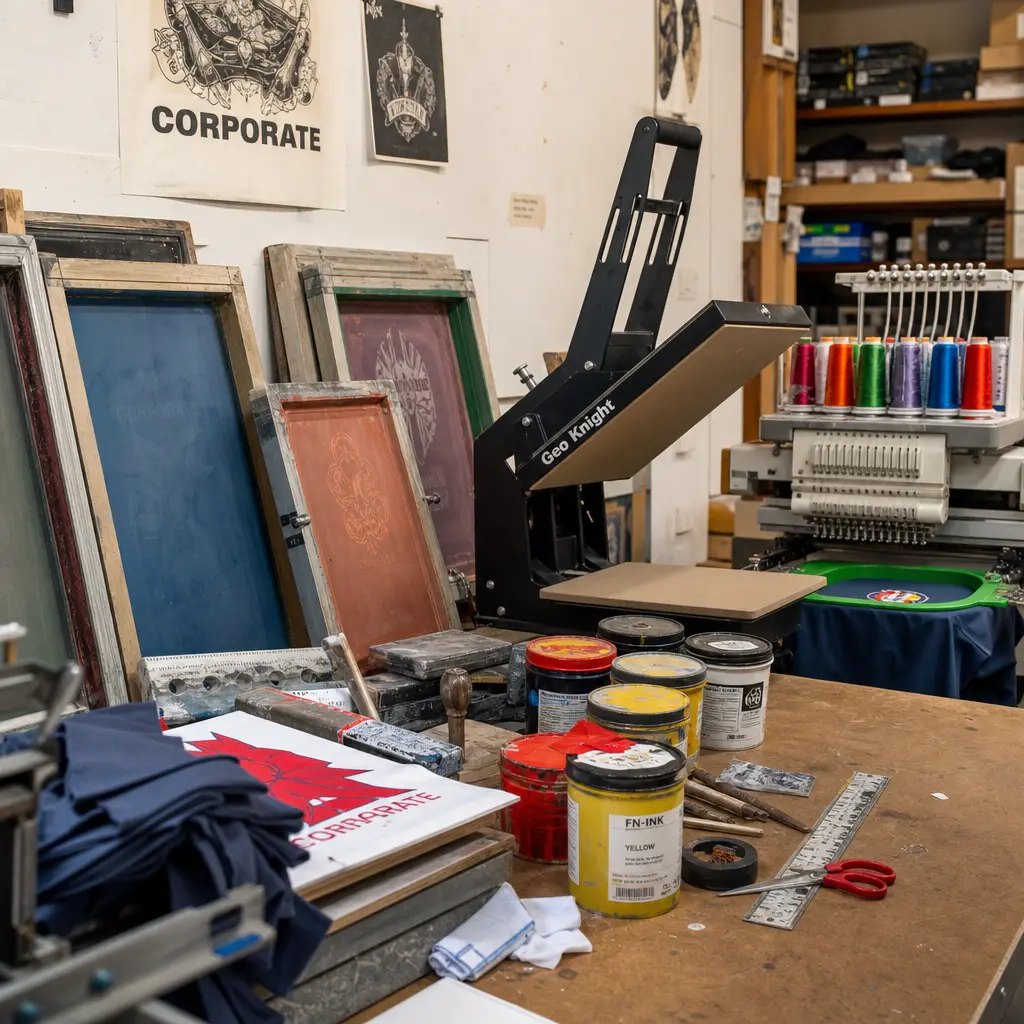
Start With the Proofing Problem, Not the Pouch Name
For wellness studios, cotton drawstring pouches are usually part of a branded experience: a yoga welcome kit, a spa treatment amenity, a product refill pouch, a retreat gift, or a small retail bundle. The buying problem is not simply finding a cheap cotton pouch. The real risk is approving a logo proof that looks acceptable on a screen but prints weakly, crooked, too high, too small, or in the wrong shade on textured cotton.
A useful RFQ should describe the contents, the retail or service setting, the handling frequency, and the visual standard expected at delivery. A pouch for a single bath salt sachet does not need the same GSM, cord strength, or print durability as a pouch holding a glass roller bottle, a small candle, and a printed class card. Give the factory the product dimensions and packed weight, then specify how the pouch will be displayed or handed to customers.
- For retail shelf use, prioritize print consistency, clean packing, and front-facing logo placement.
- For in-studio amenity use, prioritize washable feel, drawcord function, and carton efficiency.
- For retreat gifting, prioritize tactile cotton weight, neat seams, and enough pouch volume for multi-item kits.
- For refill packaging, prioritize repeat handling, label accuracy, and low defect rate across reorder batches.
Choose Cotton GSM Around the Product Load
Cotton pouch quotes can look similar while using very different fabric. Many buyers compare only length, width, and logo print, then discover during sampling that the pouch is too thin for the product or too stiff for the brand feel. For small wellness items, 4 oz to 5 oz cotton can be enough if the contents are light and flat. For retail kits with bottles, candles, jars, gua sha tools, soap sets, or several small items, 6 oz to 7 oz cotton usually gives a more stable hand feel and better perceived value.
GSM affects cost, sewing behavior, print result, packing volume, and freight weight. Heavier cotton may hold shape better and reduce transparency, but it can crease more strongly when packed under pressure. Lighter cotton gives a relaxed natural look and lower landed cost, but the logo may show less crisply if the weave is open. The best specification is not the highest GSM; it is the lowest GSM that still protects the product, supports the print, and matches the studio’s retail positioning.
- Small sachets or cards: about 120-140 GSM can work if a soft lightweight feel is acceptable.
- Skincare minis or soap bars: about 140-180 GSM gives better coverage and sewing stability.
- Glass jars, candles, or multi-item kits: about 180-220 GSM is often safer for retail presentation.
- Premium reusable pouch programs: consider heavier cotton only after checking drawcord pull and carton CBM.
Build the Print Proof Around Real Cotton Behavior
Natural cotton is not coated paper. It has yarn texture, small shade variation, lint, weave direction, and absorbency. A clean vector logo can lose sharpness when printed too small, especially if it uses thin lines, small serif text, delicate mandala details, or pale ink on natural cotton. Wellness brands often prefer muted sage, clay, sand, cream, charcoal, and soft lavender colors, but these tones can shift depending on cotton shade and ink opacity.
For proofing, the artwork should be checked at actual print size and on the actual fabric weight. A digital proof is useful for placement and spelling, but it cannot confirm ink coverage, hand feel, edge sharpness, or color reaction on cotton. If the order uses more than one pouch size, do not assume one logo scale fits all sizes. A logo that looks balanced on a medium pouch may look oversized on a small aromatherapy pouch or too weak on a larger retreat kit pouch.
- Keep fine text above the factory’s printable line limit, especially on coarse natural cotton.
- Avoid placing the logo inside the drawstring channel area or too close to side seam bulk.
- Use Pantone references, but allow a practical tolerance when printing on unbleached cotton.
- Request a print strike-off if the logo color is brand-critical before approving the full pouch sample.
Select the Right Print Method Before Comparing Prices
Screen printing is usually the most practical choice for cotton drawstring pouches when the artwork is a solid logo, one to three colors, and the order quantity is high enough to absorb setup cost. It offers a clean commercial result and predictable pricing. The factory must still check mesh, ink type, curing, and registration, especially if the design includes fine lines or multiple colors.
Heat transfer can be suitable for full-color graphics or gradients, but it may create a different hand feel from direct screen print. Embroidery gives a premium look but adds cost, thread density, and puckering risk on lightweight cotton. Woven labels or side labels are useful when buyers want subtle branding or a low-risk reorder method, but label placement and sewing alignment need their own approval. A quote is not comparable until the print method, number of colors, setup charges, and artwork size are fixed.
- Screen print: best for solid logos, good bulk value, needs actual-size proofing.
- Heat transfer: useful for full color, but test wash resistance and edge feel.
- Embroidery: premium, but avoid dense designs on thin pouches.
- Woven label: consistent for repeat orders, but less visible than front print.
- Debossing is generally not suitable for plain cotton pouches unless combined with a separate patch or label.
Use MOQ Logic That Matches Factory Setup
MOQ is not only a sales policy. It is tied to fabric purchasing, cutting layout, sewing line setup, screen setup, ink mixing, label preparation, and packing labor. Buyers often create unnecessary cost by splitting a modest order into several pouch sizes, multiple fabric colors, different logo colors, and separate packing styles. Each variation can act like a small production run with its own waste and setup time.
A practical sourcing plan groups demand around common fabric, common drawcord, and common print colors. For example, a studio chain may need three pouch sizes, but all can use natural 6 oz cotton and one sage green logo. That is easier to quote and produce than three dyed fabrics with three logo colors. If a buyer needs several sub-brands or retreat dates, the artwork schedule should be locked early so screens, labels, and packing marks do not delay the main production run.
- Treat each pouch size, fabric color, logo design, and packing format as a possible MOQ driver.
- Ask whether the MOQ is per total order, per size, per color, or per artwork.
- Reduce cost by keeping one fabric and one cord type across related wellness programs.
- For trial orders, consider a standard size and standard cotton before developing a custom-dyed pouch.
Approve Samples With Measured Acceptance Criteria
A pre-production sample should be more than a visual reference. It should become the control sample for bulk production. The buyer should measure flat size, usable inside space, drawcord length, seam position, print size, print placement, fabric feel, and packing method. The sample should also be loaded with the actual product set to confirm fit. Many pouch issues appear only when a real bottle, jar, candle, or boxed soap is inserted.
When approving the sample, record what is acceptable and what must change. Phrases such as make it nicer, improve print, or stronger fabric do not protect the buyer. The approval should state the final fabric GSM, finished size tolerance, logo dimensions, Pantone target, print placement from top and side reference points, cord specification, and packaging. If the sample has a small defect that is accepted only for sample timing, mark that defect as not acceptable for bulk.
- Load test: insert the full product set and close the drawstring without fabric strain.
- Print test: rub the logo lightly after curing and inspect for smearing or tackiness.
- Placement test: measure logo centerline against the pouch centerline, not only by eye.
- Capacity test: confirm the product can be removed easily without tearing seams or jamming the cord.
- Packing test: fold one approved pouch the same way bulk units will be packed.
Control Print Position, Color, and Defect Tolerance
Print proofing should include clear rejection rules. Without tolerance, disputes become subjective: the factory sees a normal production variation, while the buyer sees a brand presentation problem. A good purchase order defines acceptable size tolerance, print shift tolerance, major defects, minor defects, and whether mixed shade lots can ship together. For wellness studios, visible dirt, odor, misprinted logos, and heavy creases across the logo usually matter more than tiny hidden sewing marks inside the pouch.
Color tolerance also needs realistic handling. Pantone ink on natural cotton will not look identical to coated paper. If exact brand color is critical, request a strike-off on the actual cotton and approve it under consistent lighting. For muted wellness palettes, a small shift can be acceptable if all cartons are consistent. What should not be accepted is carton-to-carton variation where some pouches look sage and others look gray, or where ink coverage changes from solid to patchy.
- Major defects: wrong artwork, wrong color family, broken cord, open seam, stain on front panel, unreadable logo.
- Minor defects: small loose thread, slight natural cotton speck, small internal sewing irregularity away from logo.
- Print shift: define allowed movement in millimeters from top edge and centerline.
- Shade variation: compare units from different cartons, not only pieces from one bundle.
- Odor: reject strong chemical or mildew smell, especially for skincare and spa-related packaging.
Specify Packing Before the Pouch Enters Production
Packing is often treated as an afterthought, but it affects presentation, inspection speed, carton volume, and final landed cost. A pouch used for direct retail may need individual folding, barcode sticker, hang tag, kraft paper band, or clean inner bag. A pouch used only by studio staff may be better packed in counted bundles with one inner polybag per carton layer. The right choice depends on how the buyer receives, stores, and distributes the pouches.
Cotton drawstring pouches can crease if over-compressed, and natural cotton can collect dust if exposed during warehouse handling. Light-colored pouches should not touch dirty outer cartons or wet pallets. If the logo must face outward in a retail set, packing orientation should be photographed and approved. Buyers should also request carton quantity, carton size, gross weight, net weight, and CBM during quoting, not after production, because freight and storage can change the real cost per unit.
- Retail-ready packing increases labor and material cost but reduces handling at destination.
- Bulk packing lowers unit packing cost but may require buyer-side sorting or relabeling.
- Flat packing protects print better than random compression, especially for larger logos.
- Carton marks should match purchase order, SKU, pouch size, color, and destination instructions.
- Desiccant or moisture control may be useful for long sea freight in humid seasons.
Build a Lead Time That Includes Proofing, Not Just Sewing
Lead time for cotton drawstring pouches is usually affected by artwork proofing, fabric availability, printing setup, sample approval, bulk sewing, curing time, inspection, and packing. The common mistake is counting only the sewing days. If the buyer takes five days to approve artwork, then requests a revised sample, then changes the logo color, the shipment date moves even if the sewing line is ready.
A safer schedule separates each decision gate. The factory should provide artwork proof timing, sample production timing, bulk material preparation, production days, inspection window, and packing days. Buyers should add buffer for holidays, fabric dyeing, carton printing, barcode approval, and freight booking. For launch kits, retreat dates, or seasonal retail programs, a late pouch can hold up the whole bundle even when the main product is ready.
- Artwork proof: allow time for file cleanup, placement confirmation, and Pantone review.
- Sample stage: include shipping time if the physical sample must reach a remote approval team.
- Bulk production: start only after written sample approval and final artwork lock.
- Inspection: reserve time to rework packing or replace defective units if needed.
- Freight booking: confirm carton CBM early to avoid last-minute shipping surprises.
Compare Quotes by Landed Cost and Evidence
The lowest ex-factory unit price may not be the best sourcing result. A quote with lighter cotton, smaller print, bulk packing, and no physical sample can look attractive but create extra cost at destination. A stronger quote will show fabric GSM, print method, setup charges, sample cost, MOQ basis, packing details, carton data, production lead time, and inspection standard. These details allow procurement teams to compare actual delivered value, not only unit price.
Importers and distributors should request enough quote data to calculate landed cost per usable pouch. Include inland freight, export carton volume, duty basis if applicable, inspection cost, barcode or retail labeling, and replacement risk. For wellness retail programs, also consider the cost of brand damage from poor print quality or dirty packing. A pouch is a small item, but when it sits in a customer’s hand during a class, treatment, or product unboxing, defects are highly visible.
- Compare GSM and finished size before comparing unit prices.
- Separate print setup, sample, packing, labeling, and carton charges.
- Request carton CBM and gross weight to estimate freight cost.
- Confirm whether quoted lead time starts from deposit, artwork approval, or sample approval.
- Use the approved sample as the commercial baseline for any reorder or supplier comparison.
Specification comparison for buyers
| Spec decision | Recommended option | When it fits | Buyer risk to check |
|---|---|---|---|
| Cotton fabric weight | 5 oz to 7 oz cotton, about 140-220 GSM depending on pouch size | Retail-ready wellness kits, refill pouches, candle or soap packaging where the bag must feel natural but not stiff | Very light cotton can show product corners and print-through; heavier cotton increases freight weight and may need a stronger drawcord |
| Fabric color | Natural unbleached cotton for earthy brands; dyed cotton only with lab dip approval | Yoga, spa, herbal, skincare, aromatherapy, and retreat packaging where a soft organic look matters | Natural cotton shade varies by lot; dyed fabric can shift logo color and may require colorfastness testing |
| Logo print method | Screen print for solid studio logos; heat transfer only for full-color small graphics | Screen print fits most 1-3 color wellness logos and gives good cost control at bulk quantity | Thin typography, low-contrast ink, and textured cotton can reduce legibility; always proof at actual size |
| Artwork size | Keep main logo within a safe print area with at least 15-20 mm seam and drawstring clearance | Front-center branding for membership kits, product bundles, spa amenities, and retail shelf packaging | Artwork placed too high can distort under the drawstring channel; artwork too close to side seams may print unevenly |
| Drawcord material | Matching cotton cord for natural feel; polyester cord only when smoother operation is more important | Premium wellness presentation where the pouch is handled often by retail customers or studio members | Cotton cord can shed slightly; overly thin cord weakens the perceived value and may slip into the channel |
| MOQ logic | Consolidate sizes and print colors where possible to reach efficient cutting and printing batches | Studios or distributors ordering several service lines such as yoga accessories, spa kits, and retail refills | Splitting a small order across many sizes, ink colors, and labels raises setup cost and slows sampling |
| Packing format | Individual flat packing for retail sets; bulk inner polybag packing for studio back-room use | Retail channels need clean presentation, while studio operations may prioritize carton efficiency | Over-compressed cartons crease the print area; unprotected light cotton can pick up dust during inland transport |
| Proof approval route | Digital proof plus physical pre-production sample before bulk production | Any order where logo alignment, Pantone color, fabric handle, and pouch size affect brand presentation | Approving only a screen photo can hide ink thickness, cotton shade variation, cord tension, and final seam tolerance |
Buyer checklist before sampling
- Define final use: retail product pouch, membership welcome kit, spa amenity bag, retreat gift, or refill packaging.
- Specify pouch dimensions as usable inside size, not only flat outside size, especially if bottles, candles, rollers, soap bars, or cards must fit.
- Select cotton GSM by product weight: lighter for small flat items, heavier for glass jars, candles, or multi-item kits.
- Set print artwork size in millimeters and include clearance from side seams, bottom seam, and drawstring channel.
- Provide vector artwork with Pantone references and state whether color matching is required on natural cotton or dyed fabric.
- Approve print method before sampling: screen print, heat transfer, embroidery, woven label, or mixed branding.
- Request a physical pre-production sample using actual fabric, actual cord, actual size, and actual print method.
- Check sample under daylight and indoor studio lighting because muted wellness colors can shift on natural cotton.
- Measure seam tolerance, drawcord function, print position, ink coverage, and pouch capacity using the real product set.
- Confirm packing method, carton quantity, carton marks, barcode or retail label needs, and whether each pouch must stay crease-free.
Factory quote questions to send
- What cotton fabric weight in GSM or ounces is included in the quoted price, and is it greige, bleached, natural, or dyed cotton?
- Is the quoted pouch size measured flat outside, usable inside, or after sewing tolerance, and what tolerance applies?
- Which print method is quoted, how many colors are included, and what is the setup charge per logo, size, or colorway?
- Can you print the logo at the requested size without ink bleeding, poor edge definition, or distortion near the drawstring channel?
- What MOQ applies per pouch size, per fabric color, per print design, and per packing method?
- Will the pre-production sample use the same fabric, cord, ink, sewing construction, and packing as the bulk order?
- How many days are needed for artwork proof, material preparation, sample making, buyer approval, bulk production, inspection, and packing?
- What is the standard carton size, gross weight, quantity per carton, and estimated CBM for the quoted order quantity?
- Are inner bags, hang tags, barcodes, retail stickers, recycled paper bands, or custom carton marks included or charged separately?
- What inspection standard will be used for print defects, size tolerance, seam defects, stains, odor, broken cords, and packing mistakes?
Quality-control points to confirm
- Fabric weight should match the approved sample within a practical production tolerance, typically checked by GSM cutting or supplier fabric report.
- Finished pouch size should stay within the agreed tolerance, commonly plus or minus 5 mm for small pouches and plus or minus 10 mm for larger pouches.
- Print position should be measured from fixed reference points such as top edge, side seam, and bottom seam, not judged by eye only.
- Pantone matching on natural cotton should allow a realistic fabric-substrate tolerance; reject obvious shade drift between cartons or production lots.
- Ink coverage should be even with no pinholes, smudges, ghosting, excessive hand feel, cracking, or blurred fine text.
- Drawcords should pull smoothly, stay even on both sides, and not fray, snap, shed heavily, or disappear into the channel.
- Side seams and bottom seams should be secure with no skipped stitches, open seams, loose threads, or twisting that changes pouch shape.
- Pouches should be clean and odor-free, especially for wellness products that sit near skincare, aromatherapy, herbal goods, or retail gifts.
- Packing should prevent heavy creasing across the logo area and separate light-colored cotton from dirty cartons or printed carton surfaces.