Why durability testing matters for bakery pouches
Cotton drawstring pouches used by artisan bakeries are handled more aggressively than many buyers expect. Staff fill them quickly, pull the cords with flour or butter on their hands, stack them in cartons, and sometimes re-use them for refill programs or seasonal gift packs. A pouch that looks acceptable on a desk sample can fail after a week of counter use if the drawcord channel is narrow, the seam is under-reinforced, or the fabric is too light for the product weight.
Durability testing should be written into the RFQ before prices are compared. If one supplier quotes 140 GSM cotton with a simple seam and another quotes 250 GSM canvas with reinforced channel stitching, the cheaper quote is not a like-for-like offer. For procurement teams, the goal is to define what the pouch must survive: filling speed, product load, cord pull, print rubbing, carton compression, and possible washing by the end consumer.
- Use a functional test plan when pouches will be reused, sold as part of a gift set, or used for refill packaging.
- Use a simpler inspection plan only when the pouch is a low-load presentation bag for wrapped bakery items.
- Separate cosmetic defects from durability defects; a minor slub is different from a channel seam that opens.
- Put the test requirements into the quote request so factories include the correct material and labor from the beginning.
Match fabric weight to the bakery product
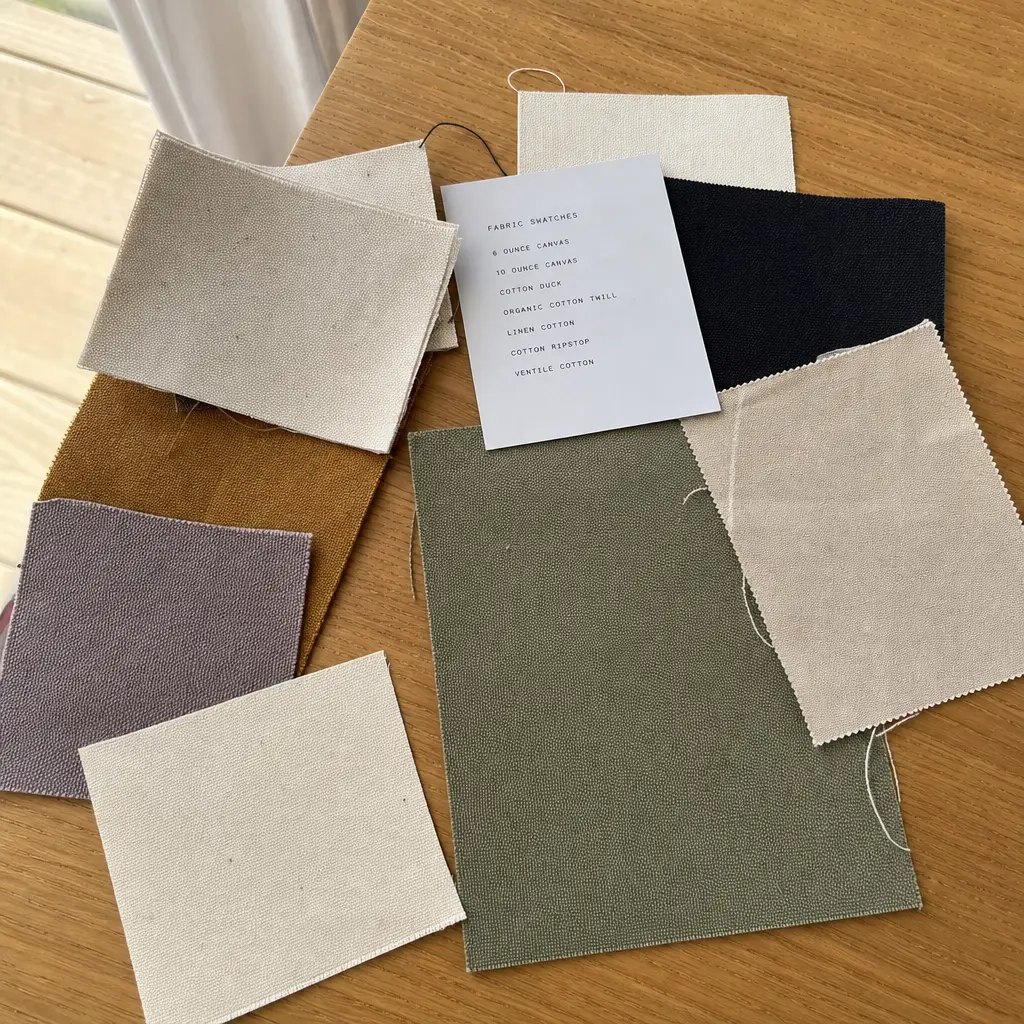
For cotton drawstring pouches, fabric weight is one of the first durability decisions. Lightweight cotton around 120-160 GSM can work for small wrapped cookies, tea bags, or single-use promotional packaging, but it is usually weak for reusable bakery pouches. For artisan bakeries, a more practical range is often 200-270 GSM, roughly 6 oz to 8 oz cotton canvas, because it gives better seam holding, better drawcord channel structure, and a more substantial retail feel.
Higher GSM is not automatically better. A 10 oz canvas pouch can feel premium, but it costs more, increases carton volume, and may close poorly if the drawstring channel is not designed for the fabric thickness. For bread rolls, dry baking mixes, coffee, or gift packaging, buyers should test the real product inside the pouch. The fabric must support the load without sagging badly, but it must still cinch closed quickly during packing.
- 120-160 GSM: suitable for light promotional or very small wrapped items, not ideal for repeated reuse.
- 180-220 GSM: balanced option for small bakery retail items and moderate reuse expectations.
- 230-270 GSM: stronger choice for gift sets, refill programs, or pouches that need a premium hand feel.
- Above 300 GSM: consider only when the pouch size, cord diameter, and closure friction have been tested.
Build strength into seams and drawcord channels
Most pouch durability failures happen at the top channel and side seams, not in the middle of the fabric. When the user pulls both cords, the force concentrates at the channel openings and upper side seam. A low quote may use fewer stitches per inch, no back-tack, or a narrow folded channel that saves fabric but increases failure risk. Buyers should specify stitch density, reinforcement, and channel height instead of relying on the phrase standard sewing.
For common cotton bakery pouches, 8-10 stitches per inch is a practical range. Too few stitches reduce seam strength and look rough; too many can perforate lighter cotton and weaken the seam line. The channel should be wide enough for the selected cord diameter to move smoothly. If the cord is 5 mm, a finished channel height of about 2.5 cm or more usually packs faster and reduces friction.
- Require back-tack at side seam ends and channel stress points.
- Avoid very narrow channels when using thick cotton cord or heavy canvas.
- Inspect for skipped stitches, loose thread tails, and uneven folded edges at the pouch mouth.
- Run a pull test by cinching the pouch repeatedly with the intended product weight inside.
Choose print methods that survive handling
Bakery pouches are often handled with flour, oil, water vapor, and repeated friction from shelves or cartons. The print method should match both the brand artwork and the use condition. Water-based screen printing is a good default for simple bakery logos because it keeps a softer hand feel on cotton. Pigment printing can improve opacity, especially on natural or darker cotton, but the buyer should review the final hand feel and rub resistance.
Fine typography is a common artwork problem. Cotton canvas has texture, and small serif text or thin lines can fill in during printing. For a logo printed on a drawstring pouch, artwork should be proofed at actual size, not only on a PDF. If the pouch will be folded, bundled, or rubbed during distribution, the approval sample should include a fold test and dry rub test on the printed area.
- Use screen print for simple spot-color bakery branding and repeatable bulk production.
- Use heat transfer only after testing adhesion and edge lifting on the selected cotton fabric.
- Avoid very small text below roughly 1.5 mm stroke width on coarse fabric unless sampled successfully.
- Set a tolerance for print position, because pouch sewing and fabric shrinkage can move the printable area.
Write durability tests as acceptance criteria
A useful durability checklist needs acceptance criteria, not only test names. For example, cord pull testing should define how many pulls, how much load, and what counts as failure. A practical factory test may fill the pouch with the intended product weight or an equivalent load, close and open it repeatedly, then inspect the channel seam, cord ends, and side seam for tearing or loosening. This is more useful than simply saying good drawstring strength.
For importers, acceptance criteria also protect quote comparison. If all suppliers must pass the same size, seam, print, and packing standards, the buyer can see which quote includes the right production work. For many bakery pouch programs, the main failure categories are seam opening, cord fraying, print rubbing, shrinkage beyond fit tolerance, odor, and carton damage. Each category should have a pass or reject rule before production starts.
- Cord pull: no channel tearing, no seam opening, and no cord breakage after repeated opening and closing.
- Seam strength: no loose stitches or splitting at corners after loaded handling.
- Print rub: no obvious logo transfer to a clean cloth during dry rub and light wet rub checks.
- Shrinkage: finished pouch must still fit the target bakery product after the agreed wash or steam test.
- Odor and cleanliness: no mildew smell, oil marks, loose fibers, or visible contamination.
Use samples to prevent bulk production mistakes
The first sample often proves the concept, but it may not prove bulk quality. A serious bakery pouch order should move from design sample to pre-production sample. The design sample confirms size, fabric feel, logo placement, and cord style. The pre-production sample should use the same bulk fabric, final cord, final print screens, and sewing method planned for mass production. This step prevents surprises after material is already cut.
Sample approval should include the real bakery item whenever possible. Bread, cookies, coffee bags, and dry mix pouches create different pressure points. A pouch that fits a flat cookie pack may not close properly around a round sourdough roll or a tall retail bag of granola. Buyers should send product dimensions, target fill weight, and photos of how the pouch will be displayed or handed to the consumer.
- Measure finished width, finished height, bottom shape if any, and drawcord channel height.
- Test filling speed with the real product or a dummy load with the same dimensions.
- Approve cord length after tying or cinching, not only by measuring it flat.
- Keep one signed sample at the factory and one with the buyer for final inspection reference.
Understand MOQ and cost drivers before comparing quotes
Cotton drawstring pouch pricing is driven by more than size. Fabric GSM, fabric color, dyeing requirements, print colors, print area, cord material, seam complexity, packing method, and inspection scope all change cost. MOQ also changes by component. A factory may accept a lower MOQ for natural cotton fabric because it is commonly stocked, while dyed fabric, custom cord color, or special woven labels may require higher minimums.
Buyers should avoid comparing a low quote that excludes important details against a higher quote that includes them. A complete quote should show fabric specification, finished size, print method, number of colors, cord type, packing quantity per carton, sample cost if any, bulk lead time, and export carton data. For distributors, carton CBM matters because bulky pouches can raise landed cost even when the unit price looks attractive.
- Lower MOQ is easier with natural cotton, standard cord, and one-color screen print.
- Higher MOQ is common with custom dyed fabric, special cord color, woven labels, or complex multi-color prints.
- Print setup charges may apply per color, per artwork, or per size; clarify this before artwork expansion.
- Packing labor increases when each pouch needs an individual polybag, hangtag, barcode, or retail-ready bundle.
Packing controls for warehouse and retail handling
Packing is part of durability because poor carton planning can damage pouches before they reach the bakery. Over-compressed cartons create hard creases across printed logos and can flatten the drawcord channel. Loose packing can let bundles shift during transport, causing abrasion and mixed counts. A practical export packing plan usually uses flat-packed bundles of 50 or 100 pieces inside a master carton, with carton marks that match the purchase order and SKU.
For bakery distributors, the packing plan should support receiving and allocation. If stores receive 75 pouches per location, bundle counts of 50 may slow repacking. If the pouches are sold in retail gift kits, the buyer may need individual barcode labels or inner cartons. These requirements should be quoted early because packing style affects labor, carton size, CBM, and inspection time.
- Define pieces per inner bundle and pieces per export carton.
- Request carton dimensions, gross weight, net weight, and estimated CBM before confirming the order.
- Use moisture protection when shipping natural cotton through humid routes or long sea transit.
- Avoid excessive compression on printed pouches, especially with darker ink or large front logos.
Lead time risks in bakery pouch programs
Lead time should be calculated from approval steps, not only from sewing days. Artwork confirmation, sample making, fabric booking, print screen preparation, production, trimming, inspection, packing, and export handover each take time. Seasonal bakery promotions often have fixed launch dates, so a missed sample approval can create more risk than the sewing process itself. Buyers should lock technical details before asking for the fastest delivery date.
The largest schedule risks usually come from custom dyed fabric, late artwork changes, repeated sample revisions, and unclear packing requirements. If the pouch is needed for Christmas, Easter, store openings, or a limited bakery collaboration, the RFQ should include the in-warehouse deadline and the latest acceptable inspection date. This allows the supplier to recommend realistic production and shipping options.
- Separate sample lead time from bulk production lead time.
- Confirm whether production time starts after deposit, artwork approval, or pre-production sample approval.
- Freeze artwork before bulk material is cut to avoid print position and screen remake delays.
- Reserve extra time for custom fabric color, lab dip approval, or branded labels.
How to compare landed cost and supplier evidence
A buyer-focused comparison should include landed cost and evidence, not only FOB unit price. Two pouches may look similar in photos, but one may have heavier cotton, stronger cord, better packing, and documented inspection. For importers and retail buyers, the best supplier is usually the one that can explain the construction, provide a measurable sample, and quote carton data clearly. Vague answers create risk when orders scale across multiple bakery locations.
Supplier evidence can be simple but specific: fabric GSM record, sample measurement sheet, print test photo, stitch density photo, carton packing photo, and pre-shipment inspection report. These documents help procurement teams defend the selected quote internally. They also reduce disputes because the approved sample and test criteria are visible before mass production begins.
- Compare FOB price together with carton CBM, gross weight, and packing labor.
- Request photos of seam reinforcement, drawcord channel, and print test on the actual sample.
- Reject quotes that do not state fabric weight, cord material, print method, and packing method.
- Keep a quote comparison sheet showing what is included, excluded, optional, and still unknown.
Specification comparison for buyers
| Spec decision | Recommended option | When it fits | Buyer risk to check |
|---|---|---|---|
| Fabric weight for bread, cookies, or gift sets | 6 oz to 8 oz cotton canvas, approximately 200-270 GSM, pre-shrunk if washing is expected | Best for reusable bakery pouches that carry wrapped pastries, dry mixes, or seasonal gift items | Below 180 GSM may feel weak after printing and can tear at the drawcord channel under repeated use |
| Seam construction | Lockstitch side seams with 8-10 stitches per inch and back-tack at top channel stress points | Useful when pouches are opened and closed daily in retail counters or refill programs | Loose stitch density or skipped back-tack can cause seam opening during drawcord pull testing |
| Drawcord material | Cotton cord 4-6 mm for premium feel; polyester cord if stronger abrasion resistance is needed | Cotton cord fits natural bakery branding; polyester fits heavier repeated cinching or humid handling | Cord ends may fray if not knotted, tipped, heat sealed, or specified clearly in the sample approval |
| Print method | Water-based screen print for simple bakery logos; pigment print for stronger opacity on natural cotton | Works for one to three spot colors and avoids thick plastic hand feel on soft pouches | Fine text below 1.5 mm stroke width can fill in on coarse cotton and should be proofed at actual size |
| Mouth and channel design | Minimum 2.5 cm finished channel height with clean folded top edge and enough cord clearance | Needed for smooth closing when the pouch contains rounded bread rolls, cookies, or coffee bags | A narrow channel creates high friction, slow packing at the bakery, and cord breakage complaints |
| Shrinkage control | Require fabric shrinkage test after washing or steam exposure, target within 3-5% depending on fabric | Important for reusable bakery programs, consumer wash instructions, and size-sensitive gift packaging | Uncontrolled shrinkage can make the pouch too small for standard bakery SKUs after first wash |
| Packing method | Flat packed in export cartons with inner polybag bundles of 50 or 100 pieces and moisture control | Fits wholesale distribution, brand warehouse receiving, and retail allocation by store count | Over-compressed cartons can crease printed logos and distort drawcord channels before merchandising |
| Inspection level | AQL inspection with added functional tests for cord pull, seam strength, print rub, and size tolerance | Suitable for importers and distributors who need predictable quality across multiple bakery locations | Standard visual inspection alone may miss functional failures that appear only during repeated cinching |
Buyer checklist before sampling
- Define the pouch load: product weight, product shape, grease barrier used, and whether the pouch is consumer-reusable or only presentation packaging.
- Specify cotton fabric weight in GSM or ounces, not only as light, medium, or heavy cotton.
- Set finished size tolerance separately for width, height, and drawcord channel because shrinkage and sewing can affect each area differently.
- Approve a physical pre-production sample with the final cord, final print size, final seam construction, and actual bakery product fit test.
- Require drawcord pull testing on both cord directions, including repeated open-close cycles and a seam stress check at the channel ends.
- Check print performance by dry rub, light wet rub, fold test, and abrasion at the pouch mouth where staff handling is frequent.
- Confirm whether pouches will contact unwrapped food; if yes, define lining, barrier, or food-contact compliance requirements before sampling.
- Request carton packing details including pieces per bundle, carton dimensions, gross weight, moisture protection, and barcode or carton mark format.
- Build lead time around artwork approval, material booking, sample approval, production, inspection, and export handover instead of only asking for production days.
- Compare supplier quotes using fabric GSM, print area, stitch standard, inspection scope, packing method, and freight volume, not only unit price.
Factory quote questions to send
- What exact cotton fabric weight will be used, in GSM and ounces, and is the fabric greige, bleached, dyed, or pre-shrunk?
- What is the expected shrinkage after washing or steam exposure, and can the factory provide a test result from the same fabric batch?
- What seam type, stitch density, and reinforcement will be used at the drawcord channel and side seam ends?
- What drawcord diameter and material are included in the quote, and how will the cord ends be finished?
- Which print method is quoted, what is the maximum print area, and how many colors are included before extra screen or setup charges apply?
- Can the factory run a pre-production sample using bulk fabric, bulk cord, and final print screens before mass production?
- What functional tests are included before shipment: cord pull, seam strength, print rub, size tolerance, metal detection, or carton drop check?
- What MOQ applies to the fabric color, pouch size, print setup, and packing style separately?
- What are the carton dimensions, pieces per carton, gross weight, and estimated CBM for the quoted quantity?
- What lead time starts after deposit, artwork approval, or sample approval, and which step is the longest risk point?
Quality-control points to confirm
- Finished size should usually stay within plus or minus 5 mm for small pouches and plus or minus 10 mm for larger bakery gift pouches unless a tighter tolerance is agreed.
- Stitch density should be consistent at 8-10 stitches per inch for common cotton pouch construction, with no skipped stitches at the mouth, corners, or channel ends.
- Drawcord pull should not tear the channel, loosen the top seam, or deform the cord opening after repeated opening and closing cycles.
- Print should pass dry rub and light wet rub testing without obvious ink transfer, cracking, or logo distortion after folding.
- Fabric should show no serious slubs, holes, oil marks, mildew odor, dye stains, or contamination that could affect bakery presentation.
- Cord length should be consistent enough for staff to tie or cinch quickly, with no short cords that disappear inside the channel.
- Cartons should protect against moisture, compression marks, and mixed-SKU confusion, with clear carton marks and bundle counts.
- Final inspection should include functional sampling, not only cosmetic inspection, because bakery pouches fail most often at cord, seam, and print wear points.