Use the buyer guide to define the buying decision
A strong buyer guide for cotton drawstring pouch bulk quote guide for spa retailers starts with the decision it must support: supplier comparison, sample approval, production release, or claim prevention. The document should turn a broad product request into measurable notes that a factory merchandiser, QC inspector, and buyer can all follow.
For drawstring pouch, the key is to connect bulk for spa retailers with fabric, construction, logo method, MOQ, packing, and inspection. When the file only repeats the product name, suppliers guess. When it records RFQ evidence, they can quote and produce against the same standard.
For acceptance, add one line that defines the target, tolerance, proof photo, and approver for this step. That makes the buyer guide usable under production pressure instead of becoming a long note that nobody can verify.
- Write decisions in measurable language, not only descriptive wording.
- Ask for sample photos plus one physical approval sample for important orders.
- Keep quotation, sample approval, and inspection notes tied to the same spec version.
- Mark every open item as buyer-approved, supplier-proposed, or QC-required.
Material and construction notes
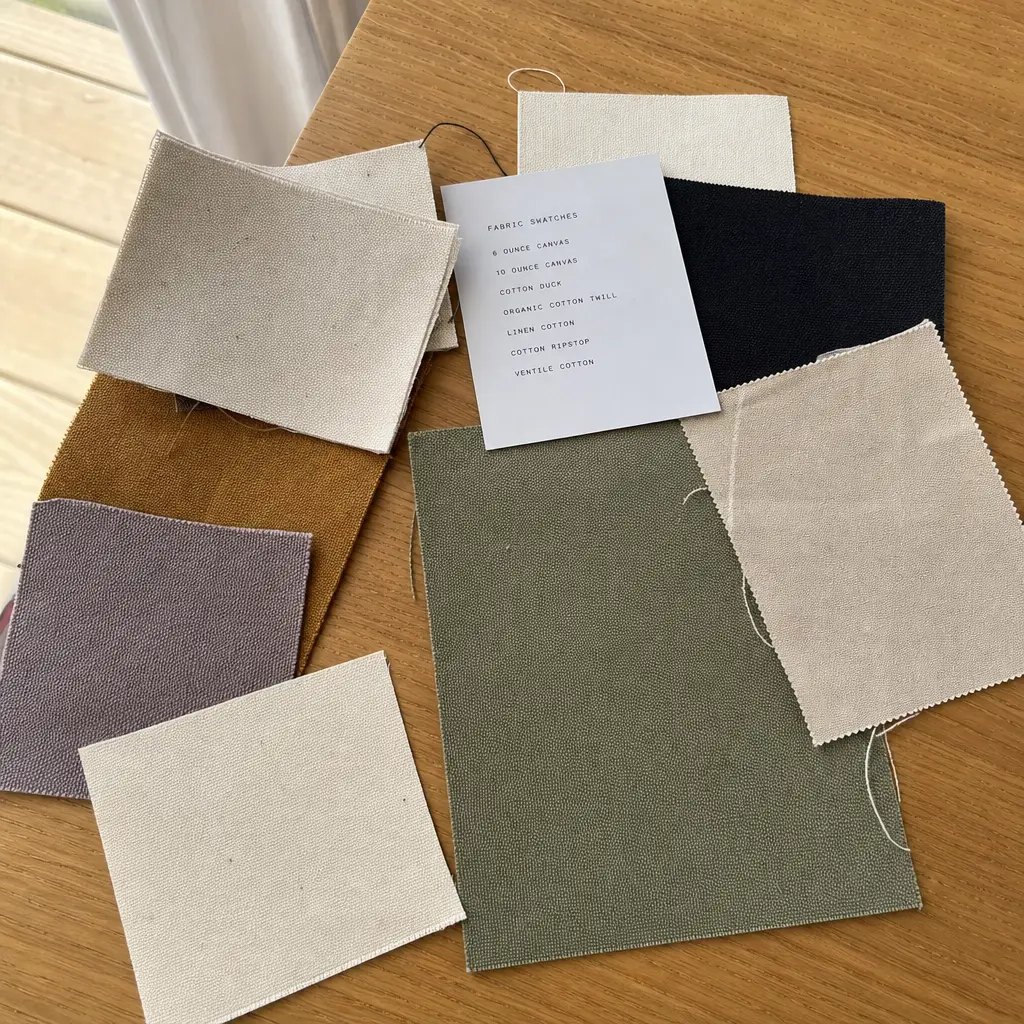
Specify 6-10 oz cotton canvas, 210D polyester, rPET, or blended cotton with shrinkage and colorfastness expectations set before sampling. Then connect those material choices to cord diameter, eyelet or reinforced channel, bottom corner reinforcement, seam allowance, bar-tack position, and load target for the expected loading condition of the drawstring pouch.
The quote should state what is included in the sample and what changes in bulk production. A cheaper quote may simply use a lighter cloth, weaker trim, fewer stitches, or a less controlled packing method.
For acceptance, add one line that defines the target, tolerance, proof photo, and approver for this step. That makes the buyer guide usable under production pressure instead of becoming a long note that nobody can verify.
- Write decisions in measurable language, not only descriptive wording.
- Ask for sample photos plus one physical approval sample for important orders.
- Keep quotation, sample approval, and inspection notes tied to the same spec version.
- Mark every open item as buyer-approved, supplier-proposed, or QC-required.
Decoration and brand placement
Logo work should be described as a production method, not just artwork. For this topic, compare screen print, transfer, embroidery, woven label, or drawstring tag tested against folding and abrasion.
The buyer guide should ask what can go wrong with the chosen method on this material. Useful supplier answers mention ink bleed, cracking, puckering, registration drift, weak label edges, hardware pressure, or poor adhesion.
For acceptance, add one line that defines the target, tolerance, proof photo, and approver for this step. That makes the buyer guide usable under production pressure instead of becoming a long note that nobody can verify.
- Write decisions in measurable language, not only descriptive wording.
- Ask for sample photos plus one physical approval sample for important orders.
- Keep quotation, sample approval, and inspection notes tied to the same spec version.
- Mark every open item as buyer-approved, supplier-proposed, or QC-required.
MOQ, price breaks, and quote comparison
Make suppliers separate base unit price, setup fee, sample fee, label or packing cost, and freight handover term. MOQ should be tied to real drivers such as fabric dye lot, print setup, trim sourcing, carton rules, or inspection depth.
This structure protects buyers from false savings. If one quote excludes sample approval or carton labeling, it is not cheaper in a practical purchasing sense; it is just incomplete.
For acceptance, add one line that defines the target, tolerance, proof photo, and approver for this step. That makes the buyer guide usable under production pressure instead of becoming a long note that nobody can verify.
- Write decisions in measurable language, not only descriptive wording.
- Ask for sample photos plus one physical approval sample for important orders.
- Keep quotation, sample approval, and inspection notes tied to the same spec version.
- Mark every open item as buyer-approved, supplier-proposed, or QC-required.
Sample approval evidence
The sample record for cotton drawstring pouch bulk quote guide for spa retailers should include front, back, side, seam, logo, label, inside, and packed-carton photos. For important programs, keep one signed physical sample and record the sample version in the approval file.
Approval should include the known deviations. A small accepted deviation is manageable when written down; an unwritten deviation becomes a dispute during final inspection.
For acceptance, add one line that defines the target, tolerance, proof photo, and approver for this step. That makes the buyer guide usable under production pressure instead of becoming a long note that nobody can verify.
- Write decisions in measurable language, not only descriptive wording.
- Ask for sample photos plus one physical approval sample for important orders.
- Keep quotation, sample approval, and inspection notes tied to the same spec version.
- Mark every open item as buyer-approved, supplier-proposed, or QC-required.
Inspection method and tolerance
Define the measurable checks around cord pull test, seam strength check, logo rub test, size tolerance, color shade check, and loaded hang review. Add tolerance ranges only where the buyer truly cares, and ask for photos that show the measurement point, not just a finished product overview.
For procurement decisions, the inspection note should say who checks, when they check, and what evidence is required. Photos without measurements are often not enough for remote approval.
For acceptance, add one line that defines the target, tolerance, proof photo, and approver for this step. That makes the buyer guide usable under production pressure instead of becoming a long note that nobody can verify.
- Write decisions in measurable language, not only descriptive wording.
- Ask for sample photos plus one physical approval sample for important orders.
- Keep quotation, sample approval, and inspection notes tied to the same spec version.
- Mark every open item as buyer-approved, supplier-proposed, or QC-required.
Packing and warehouse handling
Packing rules should cover fold direction, cord protection, bundle count, carton compression, moisture bag, and retail label position. These details affect cost, damage rate, receiving speed, and whether the goods can move directly into retail or distribution.
A drawstring pouch can pass product QC and still create claims if cartons are mislabeled, overpacked, crushed, damp, or mixed. Treat packing as part of the specification, not an afterthought.
For acceptance, add one line that defines the target, tolerance, proof photo, and approver for this step. That makes the buyer guide usable under production pressure instead of becoming a long note that nobody can verify.
- Write decisions in measurable language, not only descriptive wording.
- Ask for sample photos plus one physical approval sample for important orders.
- Keep quotation, sample approval, and inspection notes tied to the same spec version.
- Mark every open item as buyer-approved, supplier-proposed, or QC-required.
Supplier evidence that separates real factories from brokers
Ask for cord material proof, reinforcement close-ups, load-test photos, approved sample tag, and bulk-line first-piece record. The point is not to collect paperwork for its own sake; it is to see whether the supplier can connect the approved sample to the bulk production line.
A stronger supplier can explain which step controls fabric, cutting, sewing, decoration, packing, and final release. A weaker supplier usually replies with only a price and a broad promise that quality will be checked.
For acceptance, add one line that defines the target, tolerance, proof photo, and approver for this step. That makes the buyer guide usable under production pressure instead of becoming a long note that nobody can verify.
- Write decisions in measurable language, not only descriptive wording.
- Ask for sample photos plus one physical approval sample for important orders.
- Keep quotation, sample approval, and inspection notes tied to the same spec version.
- Mark every open item as buyer-approved, supplier-proposed, or QC-required.
Supplier communication and owner actions
Every open item in the buyer guide should have an owner: buyer to approve, supplier to confirm, or QC to verify. This keeps bulk for spa retailers from becoming a vague note buried in an email thread.
Use short decision language: approved, rejected, revise sample, rework, sort, hold shipment, or accept with deviation. Clear action words help the factory respond without guessing.
For acceptance, add one line that defines the target, tolerance, proof photo, and approver for this step. That makes the buyer guide usable under production pressure instead of becoming a long note that nobody can verify.
- Write decisions in measurable language, not only descriptive wording.
- Ask for sample photos plus one physical approval sample for important orders.
- Keep quotation, sample approval, and inspection notes tied to the same spec version.
- Mark every open item as buyer-approved, supplier-proposed, or QC-required.
Release, shipment, and claim prevention
Before shipment, collect the final inspection result, carton photos, packing list, label photos, and any deviation approvals. If a claim appears later, the buyer needs evidence that connects the defect to the approved spec and shipped cartons.
For cotton drawstring pouch bulk quote guide for spa retailers, this final record is what makes the order repeatable. The next RFQ can start from the same file instead of rebuilding requirements from memory.
For acceptance, add one line that defines the target, tolerance, proof photo, and approver for this step. That makes the buyer guide usable under production pressure instead of becoming a long note that nobody can verify.
- Write decisions in measurable language, not only descriptive wording.
- Ask for sample photos plus one physical approval sample for important orders.
- Keep quotation, sample approval, and inspection notes tied to the same spec version.
- Mark every open item as buyer-approved, supplier-proposed, or QC-required.
Specification comparison for buyers
| Spec decision | Recommended option | When it fits | Buyer risk to check |
|---|---|---|---|
| Fabric weight and weave | 140-160 GSM cotton plain weave | Sample kits, sachets, guest gifts, lighter jars or tubes | Below about 130 GSM can feel thin and show print-through; ask for actual finished GSM tolerance and seam construction |
| Fabric weight and weave | 180-220 GSM cotton twill or canvas | Retail pouch sold as part of a premium set, heavier bottles, longer reuse cycle | Heavier cloth raises unit cost, carton weight, and bulk; confirm whether added stiffness is needed for your pack format |
| Fabric composition | 100% cotton, natural or dyed | Best for spas that want a natural hand feel and easy brand positioning | Cotton shade varies by batch; natural fabric is not a precise white, so request a shade reference if appearance matters |
| Print method | Screen print, 1-2 spot colors | Most bulk orders above 500 pcs with simple logos | Confirm print area, Pantone approximation, ink coverage, and acceptable registration tolerance |
| Branding method | Woven side label or inside label | Low-profile branding, premium look, long-term reuse | Label placement errors are common; include exact position from side seam and top edge on artwork |
| Closure type | Single-side flat cotton tape, 6-8 mm | Economical spa pouch for smaller items | Ends may fray; require sealed or folded-and-stitched ends |
| Closure type | Double-pull round cotton cord, 4-5 mm | Premium retail presentation, easier closure for larger pouch openings | Cord length errors affect usability; define cut length per size and whether knots are included in measurement |
| Construction | Flat pouch, no gusset | Flat items such as soap samples, eye masks, sachets, cards | Poor fit for jars or bottle kits; confirm internal usable width after seam allowance |
| Construction | Bottom gusset, 30-50 mm | Soap bars, jars, bottle sets, shelf display | Ask for finished gusset tolerance and whether the quoted size is flat size or finished usable size |
Buyer checklist before sampling
- State finished pouch size in millimeters as width x height, and specify whether dimensions are measured flat or with gusset expanded
- Specify fabric composition, weave, target finished GSM, color, and whether fabric must be pre-washed or pre-shrunk before cutting
- Define intended product load: item type, approximate weight, and whether the pouch is for one-time packaging, retail resale, or repeated reuse
- List branding method in full: screen print, woven label, heat transfer, embroidery, or blank; include logo position and print area in millimeters
- Set usable tolerances in writing: dimensions, GSM, print placement, seam allowance, and acceptable loose-thread standard
- Confirm drawstring material, width or diameter, color, cut length, closure style, and end finish
- Request a pre-production sample made on production-intent fabric and trim, not a substitute stock sample
- Clarify MOQ by size, color, artwork, and fabric color; ask whether combined quantities across sizes count toward MOQ
- Ask for quote validity period, sampling charge, sample refund policy, and revision charge if artwork or size changes after sampling
- Request packing specification: pieces per polybag, polybag thickness if relevant, cartons per shipment, carton marks, barcode labels, and carton weight limit
Factory quote questions to send
- Please quote by size and quantity break at 500, 1000, 3000, and 5000 pcs, and state the exact Incoterm for each price.
- Is the quoted fabric 100% cotton? State weave type, target finished GSM, GSM tolerance, and whether the cloth is pre-shrunk before cutting.
- What are the finished size tolerances for width, height, and gusset? Are dimensions measured before or after washing and after sewing?
- What seam construction do you use on the side seam and bottom seam, and what stitch density is standard for this pouch style?
- For screen print, what is the maximum print area on each pouch size, how many colors are included in the quote, and what is the extra charge per additional color?
- If using woven labels, what are the label size options, fold type, placement tolerance, and MOQ per design?
- What drawstring options do you offer in cotton tape and cotton cord? Please state width or diameter, cut length, color options, and end finishing method.
- Can you provide a production sample on actual bulk fabric, with final print and final drawstring, before bulk sewing starts? What is sample lead time and sample fee?
- What is your standard defect classification for this product, and what AQL level do you work to for final random inspection?
- Do you allow third-party inspection before shipment and release of balance payment? If yes, at what production stage should the inspection be booked?
Quality-control points to confirm
- Finished fabric GSM tolerance: target plus or minus 5% unless otherwise agreed; check on conditioned fabric and record the test method used by the supplier
- Finished dimensions: width and height tolerance plus or minus 5 mm for small pouches and plus or minus 7 mm for larger sizes; gusset tolerance plus or minus 5 mm
- Print placement tolerance: plus or minus 3 mm from approved artwork position; obvious tilt, off-center print, or image distortion should be treated as a defect
- Print quality: edges reasonably clean, no pinholes in solid areas that are visible at normal inspection distance, and no major color contamination or ghosting
- Color match: if Pantone reference is provided, approve against a physical or signed reference; natural cotton base can shift perceived ink shade, so evaluate on actual fabric
- Stitch density: define target SPI or stitches per 3 cm with supplier; require no skipped stitches, open seams, broken threads, or unsecured back-tacking at stress points
- Seam allowance consistency: verify side and bottom seams are even and adequate for the pouch size so usable internal width is not materially reduced
- Drawstring function: cord or tape must run freely through the channel and close the opening without snagging; knots and end finishing must be consistent
- Drawstring length tolerance: plus or minus 10 mm per side unless otherwise specified; too-short strings are a functional defect on larger pouches
- Fabric defects: reject holes, major slubs, stains, oil marks, misweaves, and obvious shade variation within the same shipment beyond agreed sample standard