Start With The Campus Deadline, Not The Factory Lead Time
For university bookstore orders, the real deadline is usually the receiving date at the campus store or distribution center, not the factory ex-works date. Cotton drawstring backpacks may be needed for orientation kits, bookstore shelves, admissions events, alumni weekends, or department giveaways. Each use has a hard date, and missed delivery can turn a useful retail item into leftover inventory.
A workable lead time plan separates decision time, sample time, production time, inspection time, export handling, international freight, customs clearance, and domestic delivery. Buyers often focus only on the supplier’s quoted bulk production days, but a late artwork approval or missing barcode file can consume the same number of days as a sewing delay.
- Use the required campus receiving date as the backward-planning anchor.
- Reserve time for university logo approval before the pre-production sample is frozen.
- Treat sea freight, customs, and domestic trucking as separate schedule lines.
- For August and September programs, place RFQs earlier because factories and forwarders face seasonal pressure.
Choose Fabric Weight Before Comparing Quotes
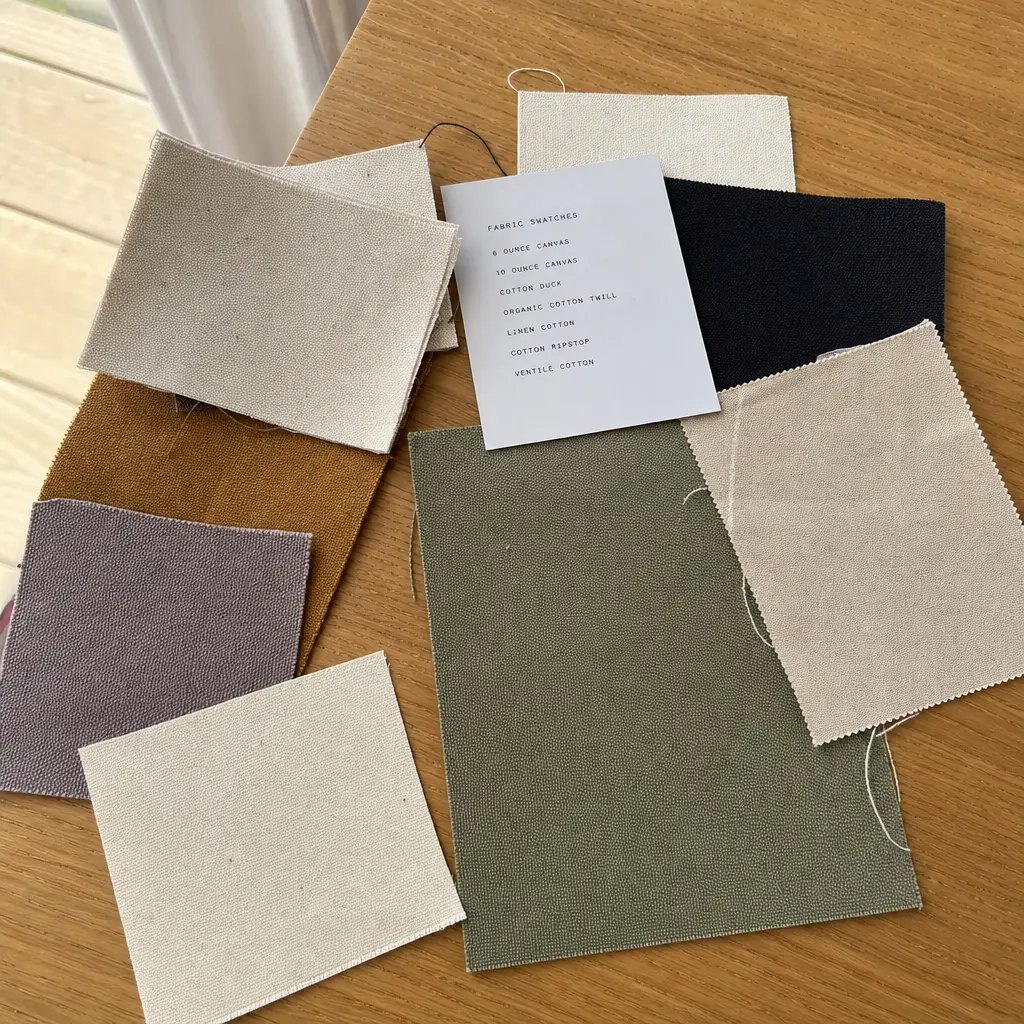
The phrase cotton drawstring backpack is too broad for accurate quoting. A 5 oz cotton promotional sack and a 10 oz cotton canvas backpack may look similar in a small photo, but they differ in hand feel, load capacity, print result, carton weight, and retail value. Procurement teams should define fabric weight in ounces or GSM before asking several factories to quote.
For university bookstores, 8 oz to 10 oz cotton canvas is a practical starting point when the item will be sold or reused. Lighter 6 oz to 7 oz cotton can work for orientation giveaways where budget and quantity matter most. Heavier 12 oz canvas feels stronger but may not be necessary unless the backpack carries heavier merchandise or needs a premium retail position.
- 6 oz to 7 oz cotton: lower cost, faster handling, suitable for one-event giveaways.
- 8 oz to 10 oz cotton canvas: balanced durability, print surface, and bookstore retail feel.
- 12 oz cotton canvas: stronger hand feel but higher material cost and freight weight.
- Natural cotton: popular campus look but shade variation must be controlled by fabric lot.
Match Construction To Real Student Use
Drawstring backpacks fail most often at the bottom cord attachment, side seam, or mouth opening. A bookstore item may be loaded with a hoodie, notebook, water bottle, and promotional inserts. If the construction is quoted like a light drawstring pouch, the price may look attractive but the product will not survive campus use.
The RFQ should define finished size, seam type, cord material, cord diameter, and bottom reinforcement. Eyelets, triangle tabs, bartacked fabric loops, and reinforced corner channels all change sewing time and durability. A factory can quote faster and more accurately when the buyer states the expected carrying load and intended channel, such as resale, orientation kit, or paid merchandise bundle.
- Common size range: about 35 x 45 cm for general campus use, adjusted for bookstore shelf plans.
- Cord material: cotton rope gives a natural look; polyester cord is smoother and often more abrasion-resistant.
- Bottom reinforcement: stitched tabs or reinforced eyelets reduce pull-out risk.
- Mouth finish: folded hem should close cleanly without heavy friction when both cords are pulled.
Select A Print Method That Fits The Artwork Approval Process
Most university bookstore cotton drawstring backpacks use screen printing because spot-color logos are common, repeat orders are possible, and Pantone control is easier than with some digital methods. Screen printing is also efficient for medium and large runs, but setup cost and screen preparation time should be listed in the quote rather than hidden inside the unit price.
For full-color mascot artwork or detailed event graphics, heat transfer or DTG may be considered, but both need testing on the exact fabric. Natural cotton is not a pure white base, so colors can appear warmer or duller than on a digital proof. Large ink coverage can stiffen the front panel, while thick transfers can crack if the bag is folded tightly during packing.
- Screen print: best for 1 to 4 spot colors, clean logos, and repeat production.
- Heat transfer: useful for detailed artwork but requires wash, fold, and adhesion testing.
- DTG: flexible for small design runs but color control depends on fabric shade and pretreatment.
- Embroidery: possible for premium orders, but it adds cost and can pucker lighter cotton panels.
Use MOQ Logic To Control Cost And Schedule
MOQ is not only a factory preference; it is tied to fabric purchasing, dye lot control, print setup, cutting efficiency, and packing labor. A supplier may accept a low quantity, but the unit price can rise sharply if the order requires a custom fabric color, several artwork versions, and individual retail labeling. Buyers should separate base bag MOQ from artwork MOQ.
A practical bookstore program often uses one standard bag size and fabric, then varies the print for departments or events. This keeps cutting and sewing efficient while allowing design flexibility. However, every additional logo version can create extra screens, strike-offs, inspection sorting, and carton marking work. The lowest risk plan groups designs by production batch and keeps packing instructions simple.
- One fabric, one size, one print: lowest setup risk and fastest production flow.
- One fabric, multiple prints: manageable if each artwork quantity is clearly listed.
- Multiple fabric colors: adds dye lot or stock availability risk.
- Small split quantities: may carry higher unit price because setup labor is spread across fewer pieces.
Build A Sample Approval Path That Prevents Rework
A photo sample is not enough for a bookstore program with licensed artwork or retail quality expectations. The pre-production sample should use the same fabric weight, same drawcord, same reinforcement method, same print process, and same packing style planned for bulk production. If the sample is made from substitute fabric, the buyer cannot judge print absorption, shrinkage, hand feel, or seam strength.
Sample approval should produce a clear signed standard: finished size, fabric shade, print position, Pantone target, cord length, label placement, and packing method. When university brand teams are involved, add approval days before the production clock starts. Factories can prepare materials, but they should not cut bulk fabric until artwork placement and sample comments are closed.
- Approve physical fabric swatch before approving print color on natural cotton.
- Measure the sample after it is packed and reopened to see whether folds damage the print.
- Keep one approved sample with the buyer and one sealed reference sample with the factory.
- Write approval comments in measurable terms, such as move logo 2 cm upward, not make it look better.
Plan The Lead Time By Production Stage
A realistic lead time plan for cotton drawstring backpacks usually contains several short stages rather than one simple production number. Material confirmation, fabric cutting, printing, curing, sewing, trimming, QC, packing, and export carton preparation all have dependencies. Printing cannot start until artwork screens or transfer films are ready, and sewing may be scheduled around print curing time.
For planning purposes, buyers should request a stage-by-stage schedule from the supplier. The numbers will vary by season, quantity, fabric availability, and decoration method, but the structure of the schedule matters. It helps the buyer see where approval delays will affect shipment and where parallel work is possible.
- Artwork and spec confirmation: often the first bottleneck when university brand approval is required.
- Sample development: depends on fabric availability and whether printing is done in-house or outsourced.
- Bulk production: includes cutting, printing, curing, sewing, trimming, and internal inspection.
- Final inspection and packing: should not be compressed if multiple artwork versions are involved.
- Export handling: carton marking, booking, warehouse delivery, and document preparation need their own time.
Control Packing Before Freight Is Quoted
Packing choices affect landed cost more than many buyers expect. A flat-packed cotton drawstring backpack can be efficient in cartons, but individual polybags, hangtags, price stickers, barcode labels, and retail-ready assortments add handling time and carton volume. If freight is quoted before packing is finalized, the landed cost estimate may be wrong.
University bookstores may require clean receiving labels, carton contents by design, and barcode accuracy for point-of-sale systems. These details should be part of the factory quote, not a late instruction after production. The supplier should provide pieces per carton, carton dimensions, gross weight, net weight, and carton marking layout before the buyer books freight.
- Bulk flat packing: efficient for distributor handling and lower material use.
- Individual polybag packing: cleaner for retail but adds labor, plastic, and inspection steps.
- Hangtag and barcode packing: useful for bookstores but requires data accuracy checks.
- Mixed-design cartons: convenient for some buyers, risky for receiving if carton labels are unclear.
Define QC Thresholds Before Bulk Sewing Starts
Quality control for cotton drawstring backpacks should not rely on general comments such as good stitching or clean printing. Buyers need acceptance criteria that can be inspected at the factory. For bookstore merchandise, visible logo quality, seam security, fabric cleanliness, cord function, and carton accuracy are usually more important than minor internal thread trimming.
AQL inspection can be used for final shipment control, but the defect list should match the product. Critical defects may include wrong logo, unsafe sharp metal eyelets, severe stains, mold, or mixed artwork in cartons. Major defects may include open seams, broken drawcords, badly tilted prints, obvious color mismatch, or incorrect label placement.
- Print position tolerance: define allowable movement from the approved sample.
- Measurement tolerance: define width, height, and cord length ranges.
- Seam strength: test bottom cord attachment and side seams under practical load.
- Appearance: reject oil stains, mold smell, heavy fabric slubs across the logo, and ink smears.
- Carton accuracy: verify quantity, design, barcode, and shipping marks before release.
Compare Quotes By Total Landed Risk, Not Unit Price Alone
The cheapest unit price may come from lighter fabric, weaker cord reinforcement, excluded screen charges, or vague packing. For university bookstore orders, a quote should be compared by total landed risk: material quality, setup fees, sample cost, production schedule, freight impact, labeling labor, inspection support, and supplier communication speed.
A useful quote lists the base product cost, fabric specification, decoration method, setup charges, MOQ rules, sample timing, bulk lead time, packing details, carton data, payment terms, and shipment terms. If these items are missing, the buyer cannot properly compare suppliers. A slightly higher quote with clear carton data and sample procedure may be lower risk than a cheap quote that leaves key items open.
- Separate unit price from screen charges, sample fees, label charges, and special packing costs.
- Compare carton volume and gross weight because freight can change the landed cost result.
- Review whether the supplier controls printing in-house or uses an outside print workshop.
- Request production photos or inline inspection updates for schedule-sensitive bookstore orders.
- Use Incoterms consistently when comparing EXW, FOB, CIF, DDP, or courier-based quotes.
Specification comparison for buyers
| Spec decision | Recommended option | When it fits | Buyer risk to check |
|---|---|---|---|
| Fabric weight for bookstore daily use | 8 oz to 10 oz cotton canvas, roughly 270 to 340 GSM | Campus welcome kits, alumni events, bookstore resale, and repeated student use | Below 6 oz can feel like a giveaway pouch rather than a backpack; above 12 oz may increase carton weight and freight cost |
| Budget fabric for large orientation orders | 6 oz to 7 oz cotton, roughly 200 to 240 GSM | High-volume one-season programs where price and fast sewing speed matter more than long wear life | Logo print may show more fabric texture and the bag may not hold shape well in retail display |
| Print method for university logos | Screen print for 1 to 4 spot colors with approved Pantone references | Bookstore graphics, club logos, and repeat replenishment where color consistency matters | Large solid ink coverage can stiffen the panel; require a strike-off before bulk printing |
| Print method for full-color artwork | Heat transfer or DTG only after testing on the selected cotton shade | Mascot artwork, photographic graphics, or small-batch department designs | Transfers can crack or feel heavy if the film is too thick; DTG color can shift on natural cotton |
| Cord and closure construction | Cotton rope or polyester cord with reinforced bottom eyelets or stitched tabs | Products expected to carry books, apparel, bottles, or campus event materials | Thin cords can cut into shoulders; weak bottom tabs are a common failure point in pull testing |
| MOQ planning | Use one base fabric and size, then split colors or artwork only if print setup cost is acceptable | University bookstores handling multiple departments, clubs, or seasonal programs | Too many small artwork splits create extra screens, longer approval cycles, and higher defect sorting risk |
| Sample approval route | Pre-production sample using bulk fabric, final cord, final print, and final packing label | Orders tied to semester start, orientation week, bookstore launch dates, or licensed logo approval | A generic fabric sample does not prove logo scale, print hand feel, seam strength, or carton packing |
| Packing format | Flat packed 50 to 100 pieces per export carton with inner polybag only when required | Wholesale distribution, campus stores, and programs needing clean inventory receiving | Individual polybags add labor, material, volume, and sustainability concerns; carton size must be quoted |
Buyer checklist before sampling
- Define the required in-store date, not only the purchase order date, because production, inspection, sailing, customs, and domestic delivery all consume time.
- Lock one target fabric weight in GSM or ounces before comparing quotes; otherwise suppliers may quote different materials under the same product name.
- Provide finished size, bottom corner construction, cord material, cord thickness, and expected carrying load so the factory can quote the right sewing method.
- Send vector artwork with Pantone colors, print position, logo size, and whether the design is licensed or must pass university brand approval.
- Separate sample approval time from bulk production lead time in the schedule; brand review delays are usually outside factory control.
- Request carton dimensions, gross weight, pieces per carton, and packing method before choosing air, sea, or courier freight.
- State whether individual barcodes, hangtags, price stickers, or bookstore receiving labels are required because these steps add labor and checking time.
- Set acceptance criteria for print color tolerance, seam strength, measurement tolerance, and visible stains before production starts.
- Avoid placing multiple artwork splits into one vague line item; list each design, quantity, print colors, and packing requirement separately.
- Build a buffer for campus peak seasons, especially orders shipping before August orientation, homecoming, graduation, or holiday retail periods.
Factory quote questions to send
- What fabric weight, yarn type, and shrinkage expectation are included in your quote for the cotton drawstring backpack?
- Is the quoted fabric greige, dyed, bleached, or natural cotton, and does the price include any color matching charge?
- What MOQ applies to the base bag, and what MOQ applies to each fabric color, print design, or Pantone ink color?
- Which print method are you quoting, how many colors are included, and are screen charges, setup charges, and strike-offs listed separately?
- Can the pre-production sample be made with bulk fabric, final cord, final logo print, and final packing components?
- What is the estimated timeline for material sourcing, sample production, artwork approval, bulk cutting, printing, sewing, inspection, and packing?
- What seam reinforcement is used at the bottom cord points, and what internal pull test standard do you use before shipment?
- What are the carton dimensions, gross weight, pieces per carton, and pallet loading suggestion for this backpack size?
- Are hangtags, barcodes, price stickers, suffocation warnings, recycled-content claims, or country-of-origin labels included in the quote?
- What inspection level, AQL standard, and defect definitions will be used for final QC before balance payment or shipment release?
Quality-control points to confirm
- Fabric weight should match the approved standard within a practical tolerance, commonly plus or minus 5 percent unless a tighter range is agreed.
- Finished size should stay within agreed tolerance, commonly plus or minus 1 cm for body width and height on simple drawstring backpacks.
- Logo position should be centered within the approved placement tolerance and should not tilt, bleed, crack, or show pinholes in normal light.
- Cord length should be consistent across the lot so the backpack sits evenly when worn and closes fully without forcing the fabric mouth.
- Bottom cord tabs, eyelets, or corner seams should pass a pull test suitable for the intended load, especially for bookstore resale items.
- Seams should have no skipped stitches, loose threads, broken bartacks, open seams, or puckering that distorts the logo panel.
- Natural cotton shade variation should be controlled by fabric lot; mixed lots can make the same logo appear different across cartons.
- Cartons should be dry, clean, correctly marked, and packed to avoid crushing, moisture transfer, and random mixing of artwork versions.