Start the RFQ from the bakery use case
Wholesale cotton drawstring backpacks for artisan bakeries are usually not purchased as generic promo sacks. They are used as bread class kits, staff welcome packs, farmers market merchandise, bakery subscription gifts, festival giveaways, or distributor resale items. Each use case changes the right fabric weight, print durability, packing method, and acceptable unit cost. A bag that looks fine for a one-day event may feel too thin for paid retail, while a heavy canvas backpack may be wasteful for a short seasonal giveaway.
Before sending an RFQ, define what the bag must carry and how the end customer will judge it. A bakery buyer often wants a natural cotton look, but natural cotton comes with shade variation, cotton seed specks, and a more textured print surface. Those details are acceptable if they are intentional; they become disputes if the RFQ only says cotton drawstring backpack with logo. The factory quote should be built around the product role, not around a vague keyword.
- For free event giveaways, prioritize clean print, stable sizing, and economical 6-8 oz fabric.
- For paid bakery retail, move toward 8-10 oz fabric, better cord, stronger reinforcement, and cleaner finishing.
- For class kits, confirm the bag fits apron, recipe cards, scraper, and boxed ingredients without stressing the seams.
- For distributor programs, standardize one base bag body and change only artwork or label to control MOQ.
- For food-adjacent handling, avoid loose lint, strong odor, and dusty packing materials.
Specify fabric by performance, not only by name
The most common RFQ mistake is writing 100% cotton backpack without GSM, ounce, weave, or finish. Cotton plain weave, cotton twill, and cotton canvas can all be technically correct, but they do not carry the same weight, stiffness, print surface, or cost. For bakery programs, 140-180 GSM cotton is usually too light for a backpack unless the bag is a very low-cost giveaway. A better commercial range is often 220-260 GSM, or around 8 oz cotton canvas, for a reusable but still foldable bag.
Heavier fabric improves perceived value and seam strength, but it also increases fabric consumption, carton weight, freight cost, and sewing difficulty. Natural unbleached cotton supports a flour sack style brand image, while dyed cotton gives a cleaner color system but adds dye lot MOQ and colorfastness risk. If the bag will be sold in a bakery shop, do not rely on a tiny swatch only. Request a full-size sample because drawstring backpacks change appearance once the fabric gathers at the top channel.
- State fabric as finished GSM or ounce, not only cotton canvas.
- Define weave: plain cotton, twill, or canvas, because print and hand feel differ.
- Set acceptable GSM tolerance, commonly plus or minus 5 percent unless otherwise agreed.
- For natural cotton, accept small cotton seed specks but reject oil marks, mildew, and large slubs on the print panel.
- For dyed fabric, request color reference and colorfastness expectation before bulk dyeing.
Size and construction determine real usability
A bakery drawstring backpack must balance usable capacity with cost control. A common finished size around 35 x 43 cm works for many bakery programs because it can hold a folded apron, recipe booklet, branded tea towel, small packaged items, or event handouts. If the bag needs to carry a boxed cake or tall bread loaf, a backpack format may not be the right product; a tote or gusseted bag may perform better. The RFQ should prevent the factory from guessing the size based on a promotional template.
Construction details matter more than they appear in photos. The stress points are the bottom cord exits, side seams, top channel, and cord ends. A low quote may remove reinforcement, use thinner cord, reduce seam allowance, or skip bar tacks. These changes are not always visible in a flat product photo, but they show up when a customer loads the bag. Bakery buyers should specify the intended load range and ask the factory to confirm construction suitable for that range.
- Use finished dimensions after sewing, not fabric panel size before stitching.
- Include seam allowance expectation if matching a previous bag is important.
- Require reinforced bottom corners or cord tabs for reusable programs.
- Define cord material, such as cotton cord or polyester cord, and diameter in millimeters.
- Set a basic loading expectation, for example light retail items under 3 kg, if relevant.
Print choices for bakery branding
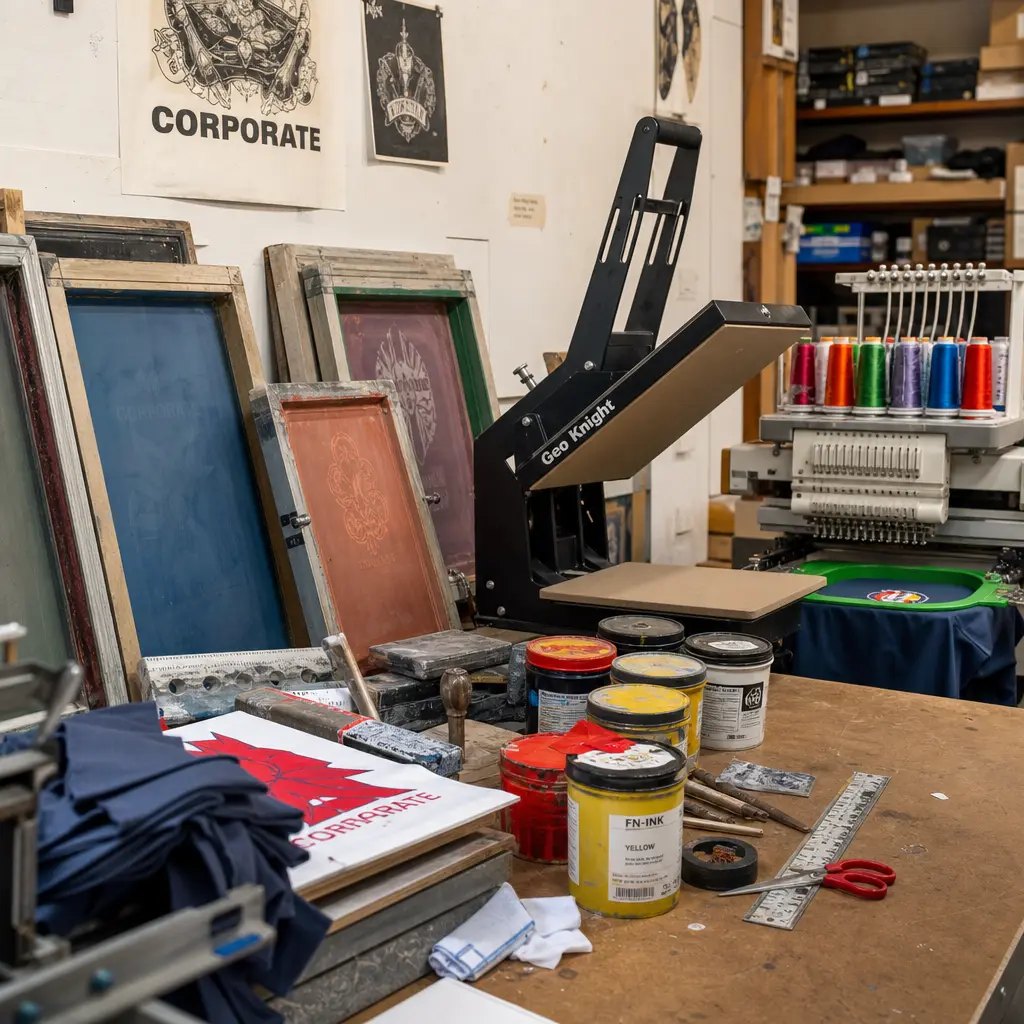
Most artisan bakery logos work well with water-based screen printing on natural cotton. It gives a softer hand feel than thick plastisol and suits one-color or two-color artwork such as wordmarks, wheat icons, oven marks, or neighborhood bakery graphics. For simple black, brown, cream, or deep green artwork, screen print is usually the most stable choice for wholesale production. Digital printing can handle more colors, but it may not be the lowest-risk option on textured cotton when the buyer expects crisp fine lines.
The RFQ should include vector artwork, print size, placement, ink color reference, and any restriction on hand feel. A front logo that looks centered on a flat bag may shift visually once the drawcord channel gathers, so placement should be measured from the bottom seam or side seam as well as from the top edge. If the bakery plans seasonal artwork changes, separate the fixed bag body from the variable print in the quote. This helps the buyer understand whether future reorders will need new screens, new samples, or only artwork confirmation.
- Use vector artwork in AI, EPS, or PDF format for screen printing.
- Define print area, for example 22 x 26 cm maximum on the front panel if the bag size allows.
- Set print placement tolerance, commonly plus or minus 5 mm for normal bulk production.
- Avoid very small reversed text on rough natural cotton unless the factory confirms line clarity.
- Request rub test and wash test expectations if the backpack is sold as reusable retail merchandise.
MOQ logic behind a realistic quote
MOQ for cotton drawstring backpacks is not one number. It is built from fabric availability, cutting efficiency, sewing line setup, print setup, label production, packing configuration, and export handling. A factory may accept a smaller order when using stock natural cotton and one-color print, but the MOQ rises if the buyer requests custom dyed fabric, several artwork versions, private woven labels, or individual retail packaging. This is why two suppliers can quote very different MOQ for what appears to be the same bag.
Procurement teams should ask suppliers to break MOQ into components. For example, base natural fabric may be available at a lower quantity, while custom Pantone dyed cotton may need a larger fabric lot. A woven side label may have its own minimum even if the bag quantity is smaller. If the buyer has multiple bakery locations or distributor customers, one efficient route is to standardize fabric, size, and cord, then split artwork by print screen or transfer batch. That approach can reduce fabric waste and keep the reorder path cleaner.
- Separate MOQ for stock fabric, custom dyed fabric, print, label, and packing.
- Ask whether mixed artworks can share one base bag production lot.
- Confirm whether carton split by store, SKU, or distributor adds labor cost.
- Do not compare MOQ without checking whether setup charges are included.
- For first orders, consider a controlled launch quantity before committing to many colorways.
Quote data that prevents apples-to-oranges comparisons
A useful supplier quote should read like a production offer, not only a unit price. It should include fabric specification, finished size, print method, print colors, cord material, reinforcement method, sample charge, setup charge, MOQ, packing, carton data, lead time, payment terms, and trade term. Without these details, the lowest price may simply be a thinner fabric, smaller bag, weaker cord, or cheaper packing. Buyers should push all suppliers into the same quote format before making a sourcing decision.
For importers and distributors, carton data is part of cost, not an afterthought. A bag quoted at a lower unit price can become more expensive after sea freight, warehouse handling, and repacking. Request pieces per carton, carton dimensions, gross weight, and whether the bags are flat packed, bundled, or individually polybagged. If the final destination requires retail barcode labels, inner carton labels, or pallet height limits, include them in the RFQ so the factory can quote the labor and materials properly.
- Request EXW, FOB, or delivered terms clearly instead of mixing trade terms between suppliers.
- List sample cost, screen cost, label setup, and courier cost outside the unit price.
- Require carton dimensions and gross weight for landed-cost comparison.
- Ask whether price changes at quantity breaks such as 500, 1000, 3000, and 5000 pcs.
- Confirm validity period because cotton fabric and freight-related inputs can change.
Sample approval should simulate bulk production
A polished showroom sample is not enough for approval. The pre-production sample should use the same fabric weight, same cord, same print ink, same label, and same sewing method planned for bulk. For bakery buyers, the most important sample checks are fabric hand feel, print clarity, print odor, seam strength, cord smoothness, finished size, and overall brand appearance. If the product will be sold, inspect the sample as a retail customer would: touch it, open and close it, load it, and look at the logo from normal viewing distance.
Sample approval should also define what cannot change in bulk. If natural cotton shade variation is acceptable, keep a signed reference sample and define the acceptable range. If the logo must sit below the drawstring channel, record exact placement measurements. If the cord feels too thin, correct it before mass cutting, because changing cord diameter after production can affect channel fit and sewing output. A clear sample approval sheet reduces disputes later when production is under deadline pressure.
- Measure finished width and height flat, after pulling the top channel closed and reopened.
- Load the sample with expected contents and inspect bottom corners for stress.
- Rub the printed logo with a dry white cloth after curing to detect weak ink bonding.
- Check whether the print cracks when the bag is folded for packing.
- Photograph approved details: logo placement, label, cord exit, seam, carton bundle, and color.
Packing and carton planning affect bakery distribution
Packing choices depend on whether the backpacks ship to one warehouse, multiple bakery stores, a distributor, or a retail fulfillment center. Bulk flat packing is usually efficient for wholesale. Inner bundles of 25 or 50 pieces help counting and reduce handling time. Individual polybags may protect printed surfaces but add cost, plastic use, and unpacking labor. For many bakery brands, a paper belly band or simple inner bundle is enough unless the item is sold directly on a retail shelf.
Cotton products need moisture control during long transit. Export cartons should be dry, strong enough for stacking, and not overloaded beyond practical handling weight. Over-compressed cartons can create hard creases across the printed logo, especially when the print is thick or not fully cured before packing. The RFQ should ask for carton size and weight before production approval, because warehouse teams and freight forwarders need that data for pallet planning and landed-cost estimates.
- Use flat pack with inner bundles for most wholesale bakery distribution.
- Specify no direct tape contact with printed fabric surfaces.
- Keep carton gross weight practical, often below 18-20 kg unless the buyer approves otherwise.
- Add moisture barrier or desiccant only when appropriate for route, season, and carton design.
- Define carton marks with PO number, SKU, color, quantity, gross weight, net weight, and destination.
Lead time risk is usually hidden in approvals
The production calendar should be counted from the correct approval point. A supplier may quote a short lead time, but that timing may start only after deposit, final artwork, confirmed fabric, approved pre-production sample, and packing instructions. Bakery campaigns often connect to openings, workshops, holidays, or farmers market seasons, so losing a week during artwork correction or label approval can create real commercial damage. The RFQ should separate sample time, buyer approval time, bulk production time, inspection time, and export booking time.
Custom dyed cotton and woven labels add schedule risk because they require separate upstream production before cutting and sewing. Multi-color screen print can also require more setup and curing control. A practical sourcing workflow is to approve fabric and construction first, then lock artwork and packaging. If the buyer keeps changing logo size after the sample is made, the factory may need a new screen and new approval sample. That delay is preventable when the RFQ includes a clear artwork file and placement drawing from the start.
- Request lead time after deposit and after all approvals, not only one production estimate.
- Reserve extra time for custom dyeing, woven labels, and multi-location carton sorting.
- Set a deadline for artwork freeze to avoid new screen charges and sample delays.
- Plan inspection before final balance payment and before vessel or courier pickup.
- For holiday bakery programs, build a buffer for customs, port congestion, and warehouse receiving.
Acceptance criteria protect both buyer and factory
Acceptance criteria should be written before production, not negotiated after defects appear. For cotton drawstring backpacks, important criteria include dimensions, fabric weight, print position, print quality, seam strength, cord function, cleanliness, odor, and carton accuracy. A reasonable inspection plan allows natural cotton variation but rejects defects that harm function, appearance, or resale value. The buyer should state which defects are major and which are minor, especially for logo-facing areas.
For example, an open seam at the bottom corner is a major defect because it affects function. A slight natural cotton seed speck away from the logo may be acceptable if natural fabric was approved. A smeared logo, strong chemical odor, missing label, wrong carton quantity, or mixed artwork in the same carton can disrupt retail distribution and should not be treated as minor. When the supplier understands the acceptance rules, the factory QC team can control the line earlier instead of waiting for final inspection.
- Treat wrong fabric, wrong size, wrong artwork, and missing reinforcement as major defects.
- Reject print smearing, heavy ink cracking, obvious registration shift, and stains on the logo panel.
- Accept normal natural cotton character only when it matches the approved sample range.
- Require carton count accuracy because shortages are difficult to trace after distribution.
- Keep one approved sample at the factory and one with the buyer for comparison.
Specification comparison for buyers
| Spec decision | Recommended option | When it fits | Buyer risk to check |
|---|---|---|---|
| Fabric weight | 8 oz cotton canvas or 220-260 GSM cotton twill | Bakery retail bundles, bread class giveaways, farmers market loyalty gifts, and reusable customer bags that need a better hand feel than thin promo cotton | Do not compare only by ounce wording; request GSM, weave, finished weight tolerance, and whether the fabric is washed or unwashed before cutting |
| Entry construction | Double drawcord backpack with reinforced bottom corners and bar tack at cord exits | Bags carrying aprons, small flour packs, recipe cards, packaged cookies, or light retail merchandise | Weak cord exits split first; require reinforcement photos and a pull test instead of accepting a sample with decorative but thin stitching |
| Bag size | Around 35 x 43 cm with size tolerance of plus or minus 1 cm | General bakery merchandising where the bag must hold a folded apron, boxed pastry, small sourdough kit, or event materials | Oversized bags increase fabric usage and carton volume; undersized bags may not fit retail kits after seam allowance and shrinkage |
| Print method | Water-based screen print for one to three spot colors on natural or dyed cotton | Rustic bakery branding, simple logos, flour sack style artwork, seasonal promotions, and medium to large wholesale runs | Fine lines can fill on textured cotton; specify minimum line width, ink color code, curing method, and print rub resistance |
| Branding detail | Main front print plus optional woven side label for retail programs | Buyers needing consistent bakery identity without printing every colorway or seasonal artwork on the whole front panel | Side labels add cutting and sewing control points; approve label size, fold type, placement from seam, and colorfastness |
| MOQ structure | One base MOQ per fabric color plus print MOQ per artwork | Importers or distributors managing several bakery customers under similar neutral bag bodies | A low advertised MOQ may apply only to stock fabric and one-color print; confirm color dye MOQ, label MOQ, and carton split charges |
| Packing method | Flat packed 25 or 50 pcs per inner bundle, export carton with moisture barrier if sea freight | Efficient pallet loading, distributor warehousing, and retail backroom handling | Over-compressed packing can crease prints and distort cords; require carton size, gross weight, and max carton weight before approving |
| Supplier route | Direct cut-and-sew factory for custom GSM, cords, labels, and print control | Bulk wholesale orders where bakery buyers need stable repeat specs and accountable QC records | Trading-only suppliers may quote fast but hide subcontracting; request factory process photos, sample room capacity, and pre-shipment inspection access |
Buyer checklist before sampling
- Define final use: giveaway, paid retail item, staff kit, class kit, subscription add-on, or distributor resale.
- State finished bag size, fabric GSM or ounce, weave, color, shrinkage tolerance, and size tolerance.
- Attach logo artwork as vector file and define print size, placement from top edge, ink colors, and acceptable registration tolerance.
- Specify cord material, cord diameter, cord color, corner reinforcement, and required pull strength at cord exits.
- Separate base bag MOQ, fabric color MOQ, print MOQ, woven label MOQ, and carton split requirements in the RFQ.
- Request one plain material sample and one printed pre-production sample before bulk approval.
- Set sample approval points for fabric hand feel, print curing, seam strength, odor, dimensions, and packing method.
- Require carton dimensions, pieces per carton, gross weight, inner bundle method, barcode or carton mark format, and pallet preference.
- Ask for production lead time after deposit, after artwork approval, and after pre-production sample approval, not one single optimistic date.
- Confirm inspection standard, AQL level, major defects, minor defects, and who pays for rework or replacement if the batch fails.
Factory quote questions to send
- What exact fabric construction are you quoting: cotton canvas, cotton twill, or plain cotton, and what is the finished GSM tolerance?
- Is the fabric greige, bleached, natural, dyed, or washed, and will color or shrinkage vary between lots?
- What is the minimum order quantity for stock natural fabric, custom dyed fabric, one-color print, multi-color print, and woven side label?
- What cord type and diameter are included in the price, and are reinforced corner patches or metal eyelets quoted separately?
- Which print method is included, what is the maximum print area, and how do you control curing, rub resistance, and registration?
- Can you provide a pre-production sample from the actual bulk fabric and actual print ink before mass cutting?
- What carton quantity, carton size, carton gross weight, and packing method are used for the quoted price?
- What is the lead time for sample, bulk production, inspection, and export packing after each approval milestone?
- Which quote items are excluded: mold charge, screen charge, label setup, courier cost, export carton upgrade, fumigation, palletizing, or documentation?
- Can a third-party inspection be performed before shipment, and what defect criteria will your factory accept in writing?
Quality-control points to confirm
- Finished bag dimensions within plus or minus 1 cm unless the approved sample defines a tighter tolerance.
- Fabric weight within agreed GSM tolerance, with no mixed fabric lots unless approved in writing.
- Print position within plus or minus 5 mm from the approved placement drawing for front logo artwork.
- Print surface with no obvious pinholes, smearing, cracking, under-cured ink, or color mismatch against approved sample under normal light.
- Seams straight and secure, with no skipped stitches longer than 2 cm, broken threads, open seams, or loose reinforcement at stress points.
- Drawcords matched in length, running smoothly through the channel, with no frayed ends or missing knots where knots are specified.
- Cord exit corners reinforced as approved, with no tearing after a reasonable manual pull test during inspection.
- Bags free from strong chemical odor, oil marks, mildew, dirt, needle stains, or visible weaving defects on the logo-facing panel.
- Inner bundles counted correctly, cartons dry and clean, carton marks matching purchase order, SKU, quantity, and destination requirements.