Define the Retail Use Before the Supplier Quotes
A cotton drawstring backpack for hotel retail is not the same product as a conference giveaway bag. Hotel retail buyers usually need a backpack that looks clean on a shelf, survives guest use during a stay, and carries a brand mark without looking cheap. The first sourcing mistake is sending suppliers only a logo and quantity. That creates quotes based on different fabrics, drawcords, corner details, and packing standards, so the lowest price often hides a thinner bag.
Start the RFQ by stating the exact commercial use: resort gift shop, spa retail, kids club merchandise, beach activity bag, welcome package, or loyalty program item. Each use changes the acceptable fabric weight, decoration, and packing. A beach resort may prioritize washable natural cotton and stronger cords. A luxury hotel boutique may need heavier canvas, a woven side label, and neater retail folding. A distributor supplying many properties may value repeatability and carton efficiency more than one special decoration.
- For light amenity or event use, 5 oz to 6 oz cotton can work if the buyer accepts a softer, less structured hand feel.
- For normal hotel retail, 8 oz cotton canvas is a practical middle point because it prints well and feels more saleable.
- For premium resort boutiques, 10 oz to 12 oz canvas gives better structure but increases cost, carton weight, and drying time after dyeing.
- For kids programs, avoid sharp metal tips and oversized cords; review safety expectations for the destination market.
- For beach or pool retail, natural cotton can show sunscreen and water marks more easily, so darker dyed cotton may be worth testing.
Fabric Weight, Construction, and Hand Feel
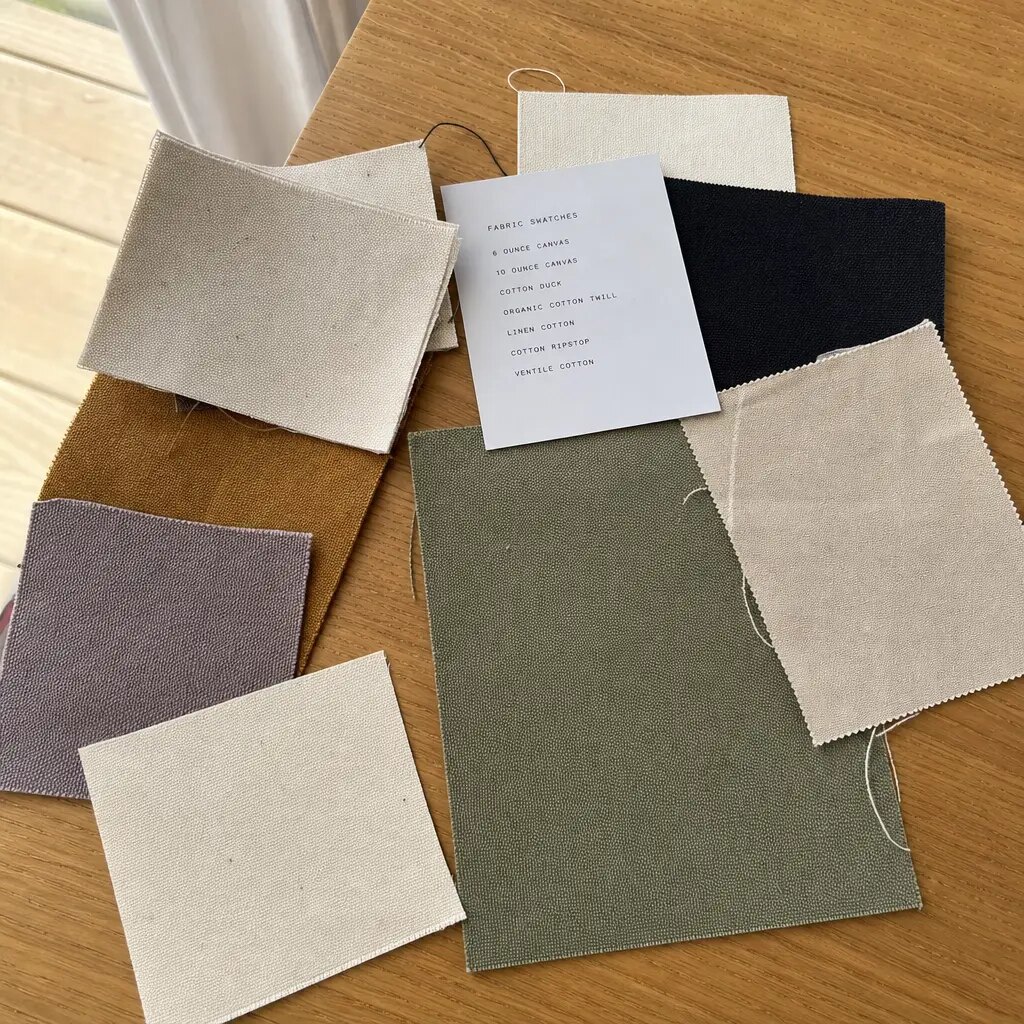
Cotton backpack quotes should identify fabric weight in oz or GSM, not just say cotton canvas. As a working conversion, 6 oz cotton is often around 200 gsm, 8 oz around 270 gsm, 10 oz around 340 gsm, and 12 oz around 400 gsm, but actual values vary by weave and finishing. A supplier that quotes 8 oz should be willing to state the expected GSM range and provide a cutting or swatch for approval.
Fabric construction affects both cost and appearance. Plain cotton sheeting is softer and cheaper but can look less substantial. Cotton canvas has a tighter, heavier appearance and is more suitable for retail backpacks. Twill cotton gives a smoother diagonal texture and can be attractive for premium designs, though not every factory stocks it. Dyed cotton adds color control issues, especially for beige, navy, black, olive, and muted hotel palette colors, so Pantone matching should be tied to lab dip approval rather than a screen photo.
- Use 6 oz cotton when the bag is a low-weight promotional add-on and the selling price is modest.
- Use 8 oz canvas when the backpack needs a retail feel without pushing freight weight too high.
- Use 10 oz canvas when the logo area must stay flatter and the bag should hang better on retail fixtures.
- Use natural cotton only after approving fabric specks, seed marks, and shade variation because natural color is not perfectly uniform.
- Use dyed cotton when brand color matters, but allow extra time for lab dips, bulk fabric approval, and colorfastness review.
Supplier Route and Compliance Evidence
For hotel retail programs, supplier compliance is practical, not paperwork theater. The supplier must be able to show what material is used, where decoration is done, how packing is controlled, and how inspection will be supported. A clean quote from a capable supplier normally includes a spec sheet, material description, decoration method, packing method, lead time assumptions, and a clear Incoterm. If those details are missing, the buyer is not comparing factory capability; the buyer is comparing guesses.
The sourcing route matters because hotel retail often has many stakeholders: brand team, property operations, importer, distributor, retail buyer, and sometimes a compliance department. A direct cotton bag factory can control sewing and material better, while a trading company may help consolidate multiple hotel items. Neither route is automatically right. The important point is whether the supplier can trace the actual production, support testing, accept inspection, and correct defects before shipment.
- Request factory profile, production photos, and main equipment list for cutting, sewing, printing, and packing.
- Separate material certificates from finished product test reports; one does not replace the other.
- For imported retail goods, confirm whether the buyer needs fiber content labeling, country of origin marking, barcode labels, or warning statements.
- For branded hotel groups, require written approval before subcontracting printing or embroidery.
- For distributors, request repeat-order recordkeeping so later properties receive the same fabric, cord, and print standard.
Decoration Method and Logo Durability
Most cotton drawstring backpacks for hotel retail use screen printing because it is cost efficient, durable when properly cured, and suitable for solid hotel logos. A one-color logo on natural or dyed canvas is usually the simplest route. Two to four spot colors are manageable if the artwork has clear separations and the print area is not too large. For detailed resort illustrations, gradients, or photographic artwork, heat transfer or digital print may be considered, but the buyer should test hand feel, cracking, and wash response.
Embroidery can make the backpack feel more premium, especially for a small crest or property mark, but it adds cost and may pucker lightweight cotton. Woven labels are often a good compromise for hotel retail because they look refined and keep the front panel clean. The RFQ should state whether the logo is printed directly on the front panel, sewn as a side label, placed on a patch, or added to a hangtag only. Each method changes sampling, lead time, and inspection criteria.
- For screen print, define print size in centimeters, Pantone color, artwork position, and whether ink should be matte, soft-hand, or high-opacity.
- For natural cotton, expect minor fabric texture to show through fine print details; avoid very small reversed text.
- For dark dyed cotton, high-opacity ink or an underbase may be needed, which changes hand feel and cost.
- For embroidery, approve stitch count, thread color, backing material, and acceptable puckering before bulk production.
- For woven labels, approve label size, fold type, sewing position, and whether the label edge may touch the side seam.
MOQ Logic and Cost Drivers
MOQ is rarely only a factory preference. It is tied to fabric sourcing, dyeing minimums, print setup, cutting efficiency, and packing labor. A natural cotton backpack in a standard size can often run at a lower MOQ than a dyed cotton backpack with custom cords, metal tips, woven labels, individual retail packing, and barcode labels. If the buyer needs a low starting quantity, the cleanest path is to standardize the size and fabric, then customize the print and hangtag.
Cost should be broken into visible parts. The unit price may include fabric, cutting, sewing, drawcord, decoration, trimming, normal packing, and export carton. It may not include sample fees, screen charges, special hangtags, barcode stickers, lab testing, inspection, palletizing, or inland freight. A quote that is one single number can still be usable, but the buyer should request enough detail to understand what changes the price. This is especially important when comparing a low-cost supplier against a compliance-ready supplier.
- Fabric weight increase from 6 oz to 8 oz raises material cost and carton weight but usually improves perceived retail value.
- Dyed cotton usually costs more than natural cotton because of dyeing, color matching, minimum lot size, and possible colorfastness testing.
- Large print areas consume more ink, slow production, and increase the chance of uneven print on textured cotton.
- Individual polybags, hangtags, and barcode labels add labor time; they should be quoted separately for retail programs.
- Small orders carry higher setup cost per piece, especially when the artwork needs screens, strike-offs, or custom labels.
Sample Approval That Prevents Bulk Problems
A pre-production sample is the buyer's control point. It should not be treated as a nice photo for approval. For cotton drawstring backpacks, the sample must show final fabric or approved substitute, actual drawcord, actual reinforcement, actual logo method, and proposed packing. If the sample is made with available fabric while bulk will use a different fabric lot, the supplier must label that clearly. Otherwise the buyer may approve a hand feel, color, and print result that will not appear in mass production.
Hotel retail buyers should keep a sealed approved sample at the supplier and one sample with the buyer or inspection team. The purchase order should state that bulk production must match the approved sample within written tolerances. Photos are useful for speed, but they do not replace physical review when fabric weight, print opacity, or cord strength matters. For urgent orders, a print strike-off and fabric swatch can be approved first, then the full sample can follow before bulk cutting.
- Measure finished size flat and record tolerance, such as plus or minus 1 cm for width and height.
- Confirm logo placement tolerance, such as plus or minus 0.5 cm for position on the front panel.
- Rub the print with a dry white cloth and a slightly damp white cloth after curing to see obvious crocking.
- Open and close the drawstring channel at least 20 times to catch tight channels, twisting cords, or weak stitching.
- Load the sample with a realistic retail weight, such as towel, sandals, and small bottle, then inspect bottom corners and eyelets.
Packing Standards for Hotel Retail
Packing is part of the product for hotel retail. A backpack delivered loose in a large carton may be acceptable for an internal event, but it is often wrong for retail shelves. Buyers may need individual polybags, paper belly bands, hangtags, barcode stickers, price labels, size labels, or property-specific carton marks. These requirements affect both cost and production time because packing teams must fold the bag consistently and apply labels in the correct place.
Carton planning also matters. Cotton backpacks are bulky when packed with cords and tags, and heavy canvas can push cartons above comfortable warehouse handling limits. A supplier should provide estimated carton dimensions, pieces per carton, gross weight, net weight, and carton quantity before the buyer finalizes freight planning. For distributors shipping to multiple hotels, master carton marks and inner carton labels should identify property, SKU, color, and quantity without requiring cartons to be opened.
- For retail display, define fold size and whether the front logo must remain visible through the polybag.
- For sustainability policies, consider paper bands or recyclable bags, but confirm they protect the cotton from dust during transit.
- For barcode control, provide final barcode artwork and placement file rather than asking the factory to choose placement.
- For mixed-color orders, state whether cartons can be mixed or must be single color per carton.
- For humid routes, discuss desiccant use, carton strength, and dry storage before shipment.
Quality Control Thresholds and Inspection Plan
Cotton drawstring backpacks look simple, but common defects are easy to miss until cartons reach the hotel warehouse. Typical problems include uneven logo position, poor print curing, dirty natural cotton, skipped stitches, loose drawcord channels, weak bottom corners, wrong hangtags, and carton count errors. The inspection plan should classify defects before production starts. A major defect is anything that affects retail saleability, brand appearance, function, or compliance labeling.
Many buyers use AQL inspection for finished goods, but the important part is defining what the inspector must measure and test. Visual inspection alone is not enough. The inspector should measure size, review print placement, pull-test reinforcement points, test drawcord movement, check packing count, and compare labels against the approved packing file. For large orders, an in-line inspection can catch print and sewing issues before the full batch is packed.
- Reject severe stains, oil marks, mold smell, wrong fabric color, wrong print color, and incorrect logo artwork as major defects.
- Treat open seams, broken eyelets, missing bar tacks, stuck drawcords, and torn channels as major functional defects.
- Set a thread trimming standard; a few short loose threads may be minor, but long untrimmed threads on retail goods reduce shelf quality.
- Measure print placement from the same reference point on every inspected piece to avoid subjective approval.
- Inspect first packed cartons before full packing continues, especially when hangtags and barcode stickers are involved.
Lead Time Risks and Schedule Control
Lead time for cotton drawstring backpacks depends on fabric availability, dyeing, decoration, sample approval, packing materials, and factory capacity. A simple natural cotton backpack with one-color screen print may move quickly when fabric is in stock. A dyed canvas backpack with woven labels, custom hangtags, and testing needs more calendar time. The risk is not only production days; it is waiting time between artwork approval, lab dips, sample review, and buyer comments.
Hotel retail deadlines are often tied to property openings, holiday seasons, resort peak periods, or campaign launches. A missed date can turn a profitable retail product into excess inventory. The PO should include milestone dates: artwork received, lab dip approval if needed, print strike-off approval, pre-production sample approval, material ready date, bulk production start, final inspection, cargo ready date, and required ship date. Each missed approval should show how the ship date changes.
- Add time for fabric dyeing when using custom colors; do not base the schedule on natural cotton lead time.
- Do not release bulk fabric cutting before the size, drawcord, reinforcement, and logo placement are approved.
- Book inspection early if the order ships before a holiday closure or peak export period.
- Freeze packaging files before mass packing starts; late barcode or hangtag changes create rework and carton confusion.
- For repeat orders, ask the supplier to reserve or identify fabric lots if exact shade matching matters.
Quote Data Needed for Landed-Cost Comparison
A useful supplier quote lets the buyer calculate landed cost, not only ex-factory price. For hotel retail, landed cost must include unit cost, decoration, packing, testing, inspection, inland freight, export handling, international freight, duty, customs brokerage, warehousing, and final distribution to properties. A heavier fabric may improve retail value but increase freight cost. A larger carton may reduce packing labor but hurt pallet efficiency or warehouse handling.
Request quote data in a consistent format from every supplier. If one quote is FOB and another is EXW, they are not directly comparable. If one includes individual packing and another includes only bulk packing, the cheaper quote may be incomplete. Buyers should also request estimated carton CBM because cotton backpacks can be volume-sensitive. For air freight, dimensional weight can become painful; for ocean freight, carton efficiency and consolidation timing matter more.
- Require Incoterm, currency, validity period, payment terms, and production lead time on every quote.
- Request carton dimensions, gross weight, net weight, pieces per carton, and total CBM for the quoted quantity.
- Separate tooling, screen, sample, testing, inspection, and special packing costs from the unit price.
- Ask whether quoted pricing is based on current fabric stock or new material purchase, because validity may change after stock runs out.
- Compare landed cost per sellable unit, not only factory unit price.
Specification comparison for buyers
| Supplier option | What to verify | Commercial advantage | Buyer risk to control |
|---|---|---|---|
| Direct sewing factory | cord material proof, reinforcement close-ups, load-test photos, approved sample tag, and bulk-line first-piece record | Better sample-to-bulk control and faster production feedback | May be weaker on export paperwork or branded packing unless checked early |
| Trading company | Factory name, production photos, trim-source proof, and who owns QC decisions | Can coordinate small mixed orders and extra services | Markup can hide real factory capability and slow defect decisions |
| Specialized bag workshop | cord diameter, eyelet or reinforced channel, bottom corner reinforcement, seam allowance, bar-tack position, and load target | More practical for detailed construction, trims, and repeat programs | Capacity may be limited during peak seasons |
| Low-price general supplier | 6-10 oz cotton canvas, 210D polyester, rPET, or blended cotton with shrinkage and colorfastness expectations set before sampling | Useful for simple promotional runs with loose specs | Material downgrades, weak packing, and vague inspection scope can erase savings |
| Retail-ready supplier | fold direction, cord protection, bundle count, carton compression, moisture bag, and retail label position | Can handle labels, SKU separation, carton marks, and receiving rules | Higher unit cost must be compared against reduced warehouse work |
| Compliance-focused supplier | Fabric records, labeling review, test plan, and production traceability | Safer for retail programs and repeat brand orders | Documentation claims need evidence, not only sales language |
| Local sample room plus bulk factory | Signed sample, bulk factory handoff, first-piece photos, and deviation owner | Good for complex branding before large production | Sample room quality may not match bulk line unless handoff is controlled |
Buyer checklist before sampling
- Define the selling channel: hotel gift shop, in-room retail item, resort boutique, event merchandise, or loyalty program gift.
- Lock finished size with tolerance, not only approximate dimensions; common retail sizes are around 34 x 42 cm or 36 x 45 cm.
- Specify fabric construction and weight, such as 6 oz cotton, 8 oz cotton canvas, or 10 oz canvas, with expected GSM range.
- State whether the cotton must be natural, bleached white, dyed solid color, washed finish, organic cotton, or recycled cotton blend.
- Confirm drawcord material, thickness, color, and whether cord ends need knots, metal tips, plastic tips, or no tips.
- Decide corner construction: sewn cord channel only, reinforced fabric triangle, metal eyelet, or bar-tacked cotton loop.
- Provide logo artwork in vector format and define print size, print position, Pantone colors, and acceptable placement tolerance.
- Choose print method based on artwork and fabric: screen print for simple solid logos, heat transfer for detailed graphics, embroidery for premium positioning.
- List packaging requirements including individual polybag, paper belly band, hangtag, barcode sticker, retail price sticker, and master carton marks.
- Set carton limits for hotel retail handling, such as target gross weight below 15 kg where warehouse teams require lighter cartons.
Factory quote questions to send
- What exact cotton fabric weight and construction are included in the quotation, and what GSM tolerance will be used for bulk fabric?
- Is the price based on natural cotton, bleached cotton, dyed cotton, washed cotton, organic cotton, or another material grade?
- What finished size tolerance and sewing tolerance are included, and how will shrinkage after printing or pressing be controlled?
- Which print method is quoted, how many colors are included, and are screen charges or setup charges listed separately?
- Can you provide a print strike-off on the selected bulk fabric before the full pre-production sample?
- Are drawcords cotton, polyester, or blended cord, and what diameter, color, and tensile strength are included?
- How are the bottom corners reinforced, and are metal eyelets, bar tacks, or fabric triangles included in the quoted price?
- What is the MOQ for this exact specification, and what changes would lower the MOQ without weakening retail quality?
- How many pieces are packed per inner carton and master carton, and what are the estimated carton dimensions and gross weight?
- Which compliance documents can be provided for the material, ink, accessory, and packing components used in this order?
Quality-control points to confirm
- Measure finished backpack size flat, including width, height, drawstring channel height, and logo placement from top and side edges.
- Weigh random fabric cuttings or finished panels to verify the quoted fabric GSM or ounce weight has not been downgraded.
- Check cotton fabric for stains, weaving slubs beyond agreed standard, color variation, oil marks, needle holes, and excessive lint.
- Test drawcord sliding performance by opening and closing the bag repeatedly; cords should move smoothly without tearing the channel.
- Pull-test bottom corners, eyelets, loops, and bar tacks to catch weak reinforcement before retail packing.
- Inspect print color, opacity, registration, edge sharpness, curing, cracking, peeling, and crocking after rubbing.
- Verify that the logo is centered or intentionally offset according to artwork, with placement tolerance written into the inspection plan.
- Review seam strength, skipped stitches, loose threads, seam allowance, thread color, and reverse-side cleanliness.
- Confirm all hangtags, barcodes, price labels, suffocation warnings, and carton marks match the buyer's packing file.
- Open packed cartons to confirm count, color ratio, size ratio, polybag orientation, moisture control, and carton strength.