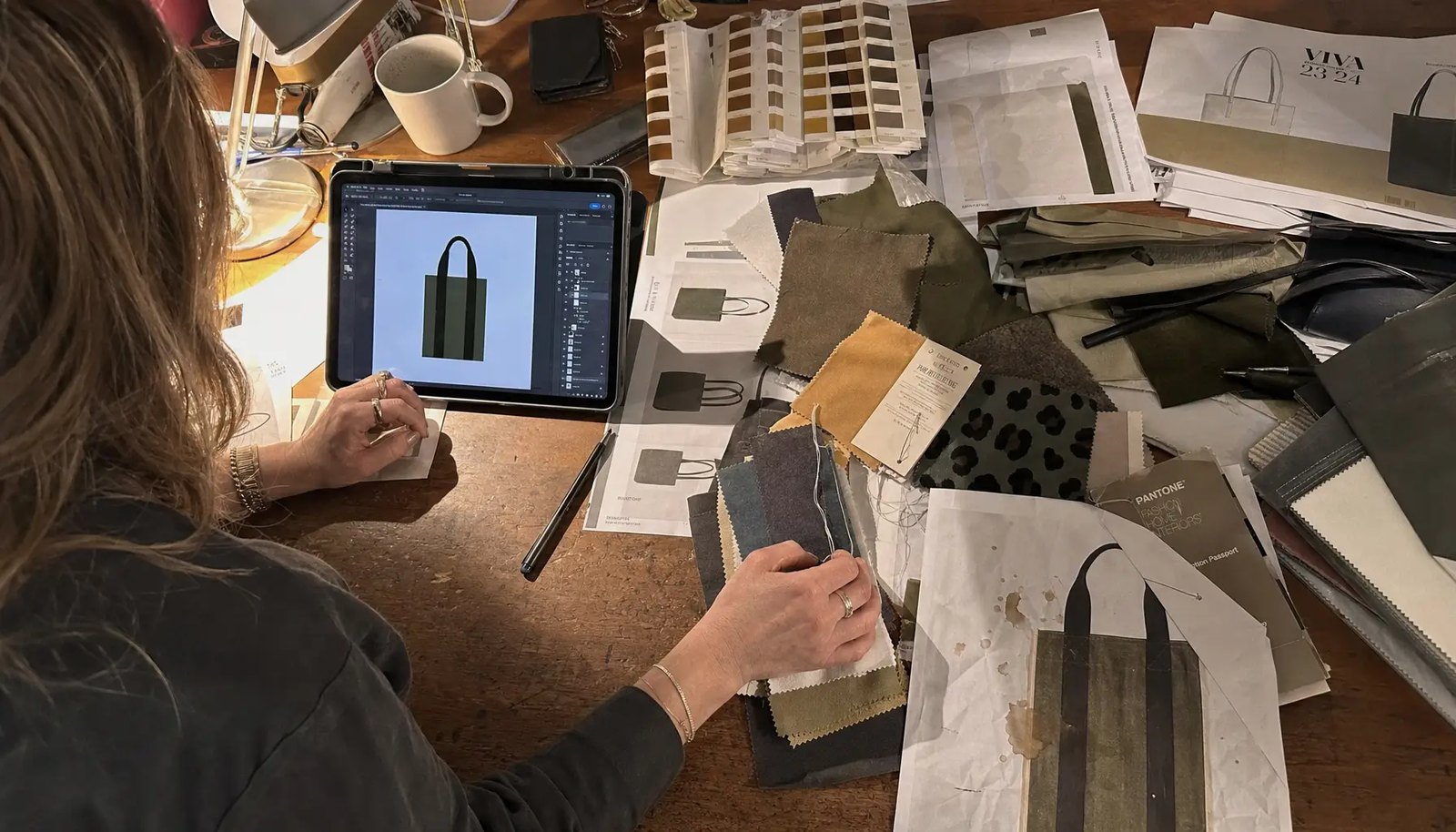
Start With The Store Use Case
The right fabric weight for cotton drawstring backpacks depends less on the catalog photo and more on how the university bookstore will sell or distribute the bag. A free admissions giveaway can use a lighter cotton because the buyer is optimizing cost, carton cube, and event quantity. A bookstore retail SKU has a different job: it must feel sturdy enough for a student or alumni buyer to pay for it, carry apparel or notebooks, and survive normal campus use without looking cheap after one week.
Before requesting quotes, define the use case in the RFQ. Suppliers can quote almost any cotton weight, but without the use case they will often default to the lowest price construction. That makes quote comparison messy because one factory may quote 5 oz promotional cotton while another quotes 8 oz canvas with reinforced corners. Both are technically cotton drawstring backpacks, but they are not the same product.
- Giveaway target: 5 oz to 6 oz cotton, simple screen print, larger quantity, basic packing.
- Retail bookstore target: 7 oz to 8 oz cotton canvas, stronger cord, cleaner sewing, retail-ready packing.
- Premium campus target: 10 oz cotton canvas, reinforced bottom corners, upgraded label or hangtag.
- Department or club order target: moderate fabric weight with artwork flexibility and manageable MOQ.
How GSM Changes Handfeel And Cost
Cotton drawstring backpacks are commonly quoted by ounce weight in some markets and GSM in others. For buying work, use both. A practical range is 5 oz to 10 oz, roughly 170 GSM to 340 GSM, depending on weave and finishing. Lighter cotton folds easily and ships efficiently, but it has less body. Heavier canvas stands flatter, prints more solidly, and feels more retail, but it increases fabric cost, sewing difficulty, carton weight, and sometimes lead time.
Do not assume that every supplier uses the same conversion or measures fabric at the same production stage. Greige fabric, dyed fabric, washed fabric, and finished fabric can measure differently. For bookstore programs, the safest wording is to request finished fabric GSM with an acceptable tolerance. If the backpack will be sold as merchandise, ask for a fabric swatch and finished sample before approving the bulk fabric order.
- 5 oz cotton: lowest cost option for light giveaways, but limited structure and more print show-through.
- 6 oz cotton: common promotional balance when the bag is still expected to look decent in photos.
- 8 oz canvas: better retail handfeel and stronger perceived value for bookstore shelves.
- 10 oz canvas: premium feel, but higher sewing stress at corners and more freight weight.
- GSM tolerance: agree on a practical range, often around plus or minus 5 percent unless testing standards require tighter control.
Match Fabric Weight To Load
University bookstore buyers sometimes overestimate how much a drawstring backpack should carry. This product is not a framed backpack. It is a soft bag with cords acting as both closure and shoulder straps. The correct question is not only fabric strength, but whether the fabric, seams, cord channel, and lower attachment points work together for the expected load.
For light apparel, brochures, notebooks, and event packs, 6 oz cotton can be acceptable if the sewing is clean and the cord attachments are reinforced. For books, water bottles, tech accessories, or retail use where students may overload the bag, 8 oz canvas is a safer baseline. At 10 oz, the fabric may be strong enough, but construction details become more important because thick seams and tight corners can create needle holes or bulky stitching.
- Use 6 oz for orientation kits, apparel inserts, light campus promotions, and large event quantities.
- Use 8 oz for regular bookstore merchandise, alumni gifts, and designs expected to carry mixed items.
- Use 10 oz for premium retail or gift programs where handfeel matters more than minimum unit price.
- Avoid upgrading fabric while leaving thin cord and weak bottom stitching unchanged; the bag will still fail at the hardware or seam point.
Printing On Cotton Backpacks
Screen printing remains the most practical method for university logos on cotton drawstring backpacks. It is cost-effective for solid spot colors, works well on natural cotton and dyed canvas, and gives buyers better control over Pantone matching than many digital methods. The main issue is ink behavior on different fabric weights. A print that looks sharp on 8 oz canvas may look less solid on loose 5 oz cotton because the weave absorbs ink differently.
For full-color mascot artwork or small mixed designs, DTF or heat transfer can be useful, but it should not be approved only from a digital mockup. Transfers can feel stiff on soft cotton, and poor pressing can cause edge lifting, shine marks, or cracking after washing. For bookstore retail, a physical strike-off on the final fabric weight is worth the extra sample step because university marks are usually sensitive to color, placement, and durability.
- Screen print: best for one to four spot colors, larger quantities, and official logo color control.
- DTF or transfer: useful for detailed art or small batch design variation, but needs adhesion testing.
- Embroidery: possible on heavier canvas, but less common because drawstring backpacks are soft and can pucker.
- Woven label: good for premium branding when the main graphic stays simple.
- Print placement tolerance: define measurement from the top edge or side seam, commonly plus or minus 5 mm to 10 mm depending on artwork size.
Construction Details That Decide Durability
Fabric weight gets most of the attention, but many backpack failures come from construction. The drawcord channel must be wide enough for smooth movement, the top hem should be even, and the lower cord attachments need reinforcement. If the cord is stitched directly into a weak side seam, the bag may tear even when the fabric itself is heavy. A better construction uses folded corner tabs, bartacks, reinforced stitching, or metal eyelets where suitable.
Cord choice should match the fabric. A thin synthetic cord on an 8 oz natural cotton bag may reduce cost, but it weakens the product story and can feel uncomfortable on the shoulder. Cotton rope looks more natural, while polyester cord may be stronger and easier to color match. The buyer should decide whether the priority is all-cotton appearance, durability, color matching, or lowest cost.
- Top channel: should allow smooth drawcord movement without twisting or tight friction.
- Lower attachment: use reinforced corner stitching, tabs, eyelets, or bartacks for retail programs.
- Cord diameter: heavier fabric needs a cord that looks proportionate and holds up under pulling.
- Side seams: inspect for skipped stitches, uneven tension, and loose thread at stress points.
- Metal eyelets: add strength and appearance, but increase cost and require rust and setting checks.
MOQ Logic For Bookstore Programs
MOQ is not only a factory policy; it is tied to fabric sourcing, dyeing, printing setup, and packing complexity. Natural cotton usually allows the lowest practical MOQ because fabric is easier to source. Custom dyed cotton, organic cotton, recycled cotton, special cord colors, and multiple artwork versions can push MOQ higher or create surcharges. A bookstore buyer trying to support many departments should avoid splitting a small order into too many fabric colors unless the budget can absorb the setup cost.
A sensible RFQ can request one base bag specification with several artwork versions. For example, one natural 8 oz cotton backpack with different department screen prints is easier to manage than five different dyed fabric colors, five cord colors, and five label types. If the bookstore wants a school-color fabric, plan extra time for lab dip approval and shade control. Dark dyed cotton can also affect print opacity, especially for white or light logo colors.
- Lowest MOQ path: natural cotton, stock cord, one print position, limited artwork versions.
- Moderate MOQ path: same fabric and cord with several screen print designs.
- Higher MOQ path: custom dyed fabric, custom cord color, retail labeling, and multiple SKUs.
- Potential surcharge items: lab dips, small dye lots, print screens, hangtags, UPC stickers, and inner carton sorting.
- Quote comparison tip: require suppliers to state which setup charges are included and which are billed separately.
Sample Approval Before Bulk Cutting
For cotton drawstring backpacks, the approval sample should represent the final production method, not just the shape. A sample made from substitute fabric can confirm size, but it cannot confirm handfeel, print absorption, seam bulk, or cord behavior. If fabric weight is the main buying decision, the pre-production sample must use the final GSM, final cord, final reinforcement method, and final print process.
Keep one signed or sealed approval sample for the buyer and one for the factory production line. This prevents arguments later about whether the bulk goods are too thin, the print is too high, or the cord is different. Photos are useful for communication, but they cannot replace a physical sample when the difference between 6 oz and 8 oz is part of the commercial decision.
- Measure finished size flat, including body width, body height, and drawcord channel height.
- Weigh and calculate GSM from a fabric cutting if the supplier provides a bulk fabric swatch.
- Pull the cords repeatedly with a light load inside to test channel movement and lower attachment points.
- Compare print color and coverage under neutral light, not only under warm office lighting.
- Check whether the packed sample matches the required polybag, hangtag, barcode, or carton marking plan.
Packing For Campus Retail Receiving
Packing decisions affect both landed cost and receiving accuracy. A giveaway order may only need bulk packing by carton. A bookstore retail order usually needs more control: individual polybags or paper bands, SKU separation, carton labels, and sometimes barcode stickers. If the order contains multiple department logos or colorways, mixed cartons can create expensive receiving problems unless the carton label and packing list are clear.
Carton weight also changes with fabric weight. Moving from 6 oz to 10 oz cotton may improve product feel, but it can increase gross weight enough to affect freight and warehouse handling. Buyers should ask for estimated carton size, pieces per carton, gross weight, and net weight at quote stage. This makes landed-cost comparison more realistic than comparing unit price alone.
- Bulk event packing: lowest packing cost, best for single design distribution.
- Individual polybag: cleaner for retail shelves and warehouse counting, but adds cost and packaging material.
- Kraft band or belly band: useful when reducing plastic while keeping units organized.
- Carton labels: include PO number, SKU, design name, color, quantity, carton number, and destination if needed.
- Inner packs: useful for distributor warehouses that allocate goods to several campus locations.
Lead Time And Schedule Risk
Lead time depends on more than sewing capacity. Fabric availability, dyeing, artwork approval, print strike-offs, university trademark review, packing material, and inspection booking can all control the schedule. Natural cotton with a simple one-color screen print is usually the shortest route. Custom dyed canvas with multiple printed designs and retail stickers needs more calendar space because each approval step can stop production.
For bookstore seasonal programs, build the schedule backward from the required in-store date. Orientation, homecoming, graduation, and holiday retail periods often have fixed receiving windows. The factory should provide a timeline that separates sample production, sample transit, approval, bulk fabric preparation, cutting, sewing, printing, packing, inspection, and shipping. A single total lead time number is not enough when artwork approval or lab dip approval sits with the buyer.
- Fastest route: natural fabric, available cord, existing print method, simple packing.
- Slower route: dyed fabric, lab dip approval, multiple designs, special labels, or third-party testing.
- Common delay point: university trademark office feedback after the factory has already prepared screens.
- Buyer-side risk: late artwork files, missing Pantone references, unclear SKU list, or changing packing rules after quote.
- Factory-side risk: fabric shade variance, print rework, overloaded sewing line, or late carton label confirmation.
Compare Quotes By Landed Value
A low unit price can be misleading if the fabric is lighter, the cord is weaker, packing is bulk instead of retail-ready, or setup charges are excluded. For university bookstore programs, compare quotes in a simple matrix that includes fabric weight, finished size, cord type, reinforcement, print method, number of colors, packing, carton quantity, sample fees, setup fees, and shipping terms. This gives procurement a cleaner view of real landed value.
The most useful quote is not always the cheapest. It is the one that matches the store use case with fewer downstream problems. A retail buyer may prefer an 8 oz canvas bag that costs more per piece but arrives sorted by SKU, with clean print placement and a stronger handfeel. A distributor handling large event quantities may reasonably choose 6 oz cotton if the bag is not expected to carry heavy items and the cost target is strict.
- Separate product cost from print setup, sample cost, labeling, packing, and freight.
- Request carton cube and gross weight so freight estimates are based on the quoted specification.
- Compare the same Incoterms across suppliers, such as FOB port, CIF, DDP, or delivered warehouse pricing.
- Include rejection and rework risk when evaluating very low quotes with vague fabric descriptions.
- Keep quote revisions under version control so artwork, GSM, packing, and MOQ changes are traceable.
Specification comparison for buyers
| Spec decision | Recommended option | When it fits | Buyer risk to check |
|---|---|---|---|
| Fabric weight for low-price campus giveaways | 5 oz to 6 oz cotton, about 170 to 200 GSM | Orientation week, admissions events, student club promotions where light contents are expected | Bag may feel thin beside retail merchandise; require approval sample under actual print color and check drawcord pull strength |
| Fabric weight for bookstore retail sales | 7 oz to 8 oz cotton canvas, about 240 to 270 GSM | Mainline bookstore SKU, alumni shop, spirit wear bundle, or paid merchandise | Higher unit cost and carton weight; verify retail handfeel, shrinkage, and print coverage before bulk cutting |
| Fabric weight for premium campus collections | 10 oz cotton canvas, about 340 GSM | Limited-edition bookstore drops, department gifts, alumni packs, or higher retail price points | Thicker seams can bulk at bottom corners; inspect needle holes, corner reinforcement, and drawcord channel sewing |
| Print method for university logos | Screen print for solid spot colors and Pantone-matched marks | Most bookstore logos, mascot graphics, department names, and one to four color artwork | Heavy fabric absorbs differently than light cotton; request strike-off on final fabric weight, not on substitute cloth |
| Print method for detailed artwork | DTF or heat transfer only after wash and rub testing | Full-color mascot art, event graphics, short runs with many designs, or personalization | Transfers can feel plastic on soft cotton and may crack if overpressed; require adhesion and laundering checks |
| Drawcord and closure choice | Cotton rope or flat cotton cord matched to bag weight | Retail-focused cotton backpacks where natural material story matters | Thin cord on heavy canvas feels mismatched and cuts into the eyelet area; test loaded opening and closing for abrasion |
| MOQ and color planning | Start with natural cotton for lower MOQ; dye-to-match colors need larger batch logic | Bookstores testing demand, mixing department logos, or placing first seasonal orders | Small dyed lots can carry high surcharge and shade variation; approve lab dip and bulk shade under daylight |
| Packing for bookstore receiving | Individual polybag or kraft band by SKU, export carton with size and design markings | Multi-design orders going to central receiving, campus stores, or distributor warehouses | Mixed designs without clear carton marks create receiving errors; define inner pack count and carton label format |
| Sample approval route | Pre-production sample using final GSM, cord, print, and packing method | Any paid retail item or bookstore order with trademark artwork | A photo sample is not enough for fabric weight decisions; measure GSM, finished size, print position, and loaded bag performance |
Buyer checklist before sampling
- Define the intended use first: free event giveaway, paid bookstore SKU, alumni gift, department merchandise, or bundled apparel accessory.
- Specify fabric by both ounce and GSM, and state whether the weight is greige, dyed, or finished fabric weight.
- Record finished bag size, drawcord material, cord thickness, corner reinforcement method, and whether the bag needs metal eyelets.
- Send vector artwork with Pantone references, print size, placement tolerance, and whether the university trademark office requires pre-approval.
- Request a fabric swatch or sample in the final weight before approving bulk if moving from 6 oz to 8 oz or 10 oz.
- Compare quotes using the same packing method, carton quantity, inner pack rule, and destination terms.
- Set acceptance criteria for finished size tolerance, GSM tolerance, seam strength, print registration, color shade, and carton labeling.
- Confirm whether the supplier will provide a pre-production sample after artwork approval and before bulk cutting.
- Check whether dyed cotton, organic cotton, recycled cotton, or special labels change MOQ, lead time, and shade consistency.
- Keep one sealed approved sample for incoming inspection at the bookstore, distributor warehouse, or third-party QC point.
Factory quote questions to send
- What fabric weight are you quoting in oz and GSM, and is it finished weight after dyeing, washing, or calendaring?
- Can you quote 6 oz, 8 oz, and 10 oz cotton options using the same finished size and print artwork so we can compare cost and retail feel?
- What is your MOQ for natural cotton, dyed cotton, and custom Pantone-dyed fabric for this backpack style?
- Which print method do you recommend for our artwork, and can you provide a strike-off on the final fabric before mass production?
- What drawcord material and diameter are included in the quote, and can it support normal student use with books, apparel, or water bottles?
- How do you reinforce the lower cord attachment points, and are eyelets, bartacks, or folded corner tabs included?
- What finished size tolerance, GSM tolerance, and print placement tolerance do you use for inspection?
- How many pieces per carton, what is the estimated carton size and gross weight, and can cartons be labeled by design, SKU, and purchase order?
- What is the sample lead time after artwork confirmation, and what is the bulk lead time after pre-production sample approval?
- Which quote items are excluded, such as mold fees, artwork setup, lab dips, testing, hangtags, retail stickers, inland freight, or export documents?
Quality-control points to confirm
- Fabric GSM should be checked with a cutting sample from bulk fabric, not estimated from supplier description alone.
- Finished bag size should stay within the agreed tolerance after sewing and pressing; common tolerance is plus or minus 1 cm unless a tighter retail standard is agreed.
- Drawcord channel must open and close smoothly without twisting, skipped stitches, or fabric bunching at the top corners.
- Lower cord attachment points should survive repeated pulling with a realistic loaded bag; weak single stitching is a common failure point.
- Print color should be compared against approved Pantone or physical strike-off under neutral light, especially on natural cotton.
- Print position should be measured from top edge and side seam, not judged only by eye in production photos.
- Dark prints on light cotton should be checked for pinholes, uneven ink deposit, and fabric show-through.
- Transfers or DTF prints should pass rub, peel, and basic wash checks before being approved for bookstore retail.
- Carton labels should match the purchase order, design name, SKU, quantity, and destination routing requirement.
- Random finished pieces should be opened from packed cartons to confirm no mixed artwork, wrong cord color, or packing count errors.