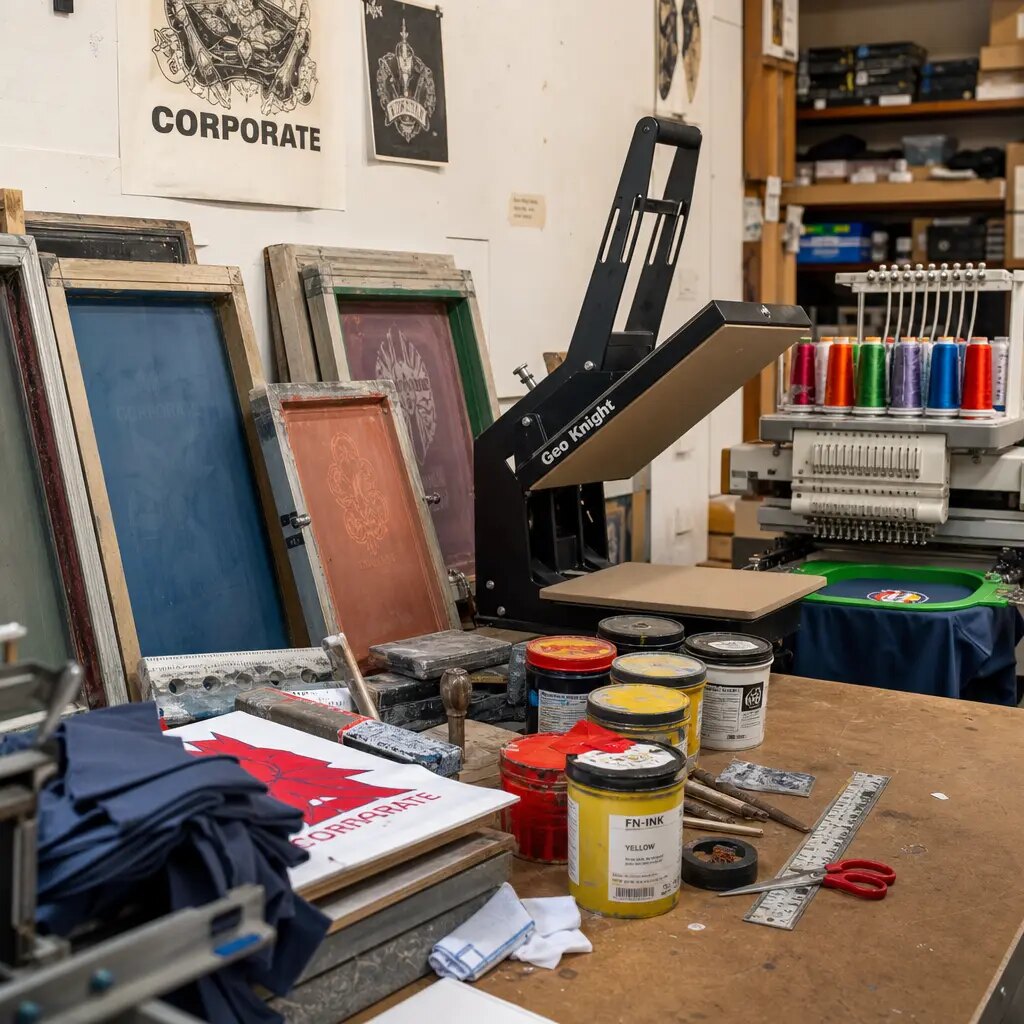
Why coffee roasters need a different inspection standard
A cotton drawstring backpack for a coffee roaster is not just another promo bag. It often carries dense product weight, usually one or more coffee packs, and it also functions as a brand item sold in retail or included in subscription, event, and seasonal gift programs. That combination creates a common sourcing mistake: buyers compare prices based on a generic drawstring bag spec, then discover too late that the fabric is too thin, the bottom corners distort under weight, or the print looks cheap next to premium coffee packaging.
Inspection criteria should reflect the real use case. A bag used to carry a 250 g sample pouch at a trade event can tolerate lighter fabric and simpler seams than a retail backpack packed with a 1 kg coffee bag, mug, brochure, and brewing accessory. The best quality checklist starts with load, presentation, and sales channel. Once those are clear, the factory can quote the right construction instead of hiding weak points inside a low piece price.
- Retail merchandise bag: prioritize fabric body, print finish, and shelf presentation
- Gift-with-purchase bag: prioritize cost control but keep enough strength for one-time consumer use
- Subscription or event pack: prioritize packing efficiency and dimensional consistency
- Coffee accessory bundle: prioritize bottom corner reinforcement and cord comfort under load
The base spec that avoids most low-price quote traps
For coffee roasters, a practical starting point is 8 oz to 10 oz cotton canvas, roughly 270 to 340 GSM, in a double-cord drawstring backpack construction. This weight gives better opacity, cleaner print holdout, and enough body so the bag does not collapse into a wrinkled, low-value-looking pack at retail. Lighter fabrics around 140 to 180 GSM may suit budget events, but they often disappoint when the buyer expects a premium coffee brand feel.
Size should be written against actual pack dimensions, not guessed from a photo. Many buyers default to around 38 x 42 cm, but once a coffee bag has a block bottom and degassing valve, plus swing tag or insert card, internal volume changes quickly. If the roaster wants the backpack to hold a 1 kg coffee bag and small merchandise items, the width and opening channel need extra room. A bag that is technically the right size on paper can still feel tight during packing and distort the front print when filled.
- Typical practical size range: 35 x 40 cm to 40 x 45 cm depending on coffee pack size
- Useful weight band for premium feel: 270 to 340 GSM
- Budget promo range: 140 to 220 GSM, but inspect carefully for transparency and print bleed
- Recommended seam tolerance note: plus or minus 1 cm on finished size unless tighter control is commercially justified
Fabric inspection points that matter more than the mill swatch
Buyers often approve a small fabric cutting and assume bulk fabric will behave the same. That is risky with cotton. Natural cotton lots can vary in shade, slub level, neps, and handfeel. For coffee roasters using earthy branding, natural cotton can work well, but only if the buyer accepts a realistic variance range. If the brand needs a clean light base for dark logo print, heavy specking or yellow cast may become a claim issue at receipt.
Bulk inspection should focus on finished GSM, weave tightness, visible contamination, and fabric skew. GSM affects bag body and print appearance, but weave consistency affects seam stability and print edge clarity. A loose weave may technically hit the target weight yet still print poorly and distort near the channel seam. Request actual bulk-lot swatches or a pre-production sample made from the intended roll stock, not only leftover development material.
- Inspect for seed specks, oil spots, weaving bars, pinholes, and heavy slub concentration
- Confirm whether GSM tolerance is within about plus or minus 5% or another agreed range
- Review natural cotton base under daylight, not only office warm lighting
- If dyed fabric is required, approve lab dip and note acceptable shade variation between cartons
- If washed effect is requested, write shrinkage expectation into the spec before sampling
Construction details that determine whether the backpack survives real use
A drawstring backpack fails most often at the lower corners, cord exits, and top channel. These are not cosmetic details. Dense coffee packs create concentrated stress at the corners when the bag is carried on the shoulders. If the factory uses plain seam construction without reinforcement, returns can happen even when the bag passed a basic visual final inspection. Buyers should require either bartacks or a box-stitch style reinforcement where cords anchor into the body.
The top channel also needs inspection because poor seam trimming and narrow turning width cause the cords to drag. This slows packing and creates a bad consumer experience. A 20 mm to 25 mm finished channel width is a practical target for many standard cotton cords. Cord material should be selected for both look and performance. Cotton cord feels more natural and premium, but thin low-twist cord can fray and vary in thickness. A cotton-poly blend may quote lower and run more consistently, but the material choice should match the brand story.
- Bottom corners: require reinforcement visible on sealed sample
- Cord exits: inspect for stitch density and thread tension, not just appearance
- Top channel: confirm smooth draw movement after full bag loading
- Cord diameter: 8 mm to 10 mm is usually more comfortable than thin string for coffee load
- Thread color: matching thread hides inconsistency; contrast thread needs tighter workmanship control
Print quality for coffee branding: what should be approved before bulk
Coffee roasters usually care about packaging aesthetics, so print quality on the backpack is rarely an afterthought. The best print method depends on artwork and fabric shade. For simple logos and one to two color branding, water-based screen print is usually the most balanced option for cost, handfeel, and durability. It sits more naturally on cotton than heavy plastisol and better supports a craft brand image. However, large dark fills on natural cotton can look uneven if the fabric surface has slubs or if the printer does not control deposit consistently.
Do not approve artwork only from a digital layout. Bulk approval should include a strike-off or pre-production sample showing actual print size, placement, edge definition, and rub behavior on the intended fabric. If the bag is dyed dark and the buyer wants a softer print look, discharge may be proposed, but discharge results vary by dye chemistry and can shift from approved sample if the bulk fabric lot changes. For coffee roasters with fine line origin maps or small text, screen mesh and ink penetration matter more than the sales sample sometimes reveals.
- Record exact print position from side and bottom seam, not just centered visually
- Define allowable print offset tolerance, for example plus or minus 5 mm to 8 mm depending on bag size
- Review heavy ink coverage areas for cracking or tackiness after drying
- Check print smell if bags will be packed soon after printing
- If both sides are printed, specify face side orientation to avoid mixed packing
Sample approval workflow that reduces remake risk
A good sampling path is more than one approval step. For this product, buyers usually need at least a fit sample or proto, then a printed pre-production sample made using bulk-intended fabric, bulk thread, and the final cord. The proto confirms dimensions and carrying function. The pre-production sample confirms the part that creates the most disputes later: fabric appearance, print result, and sewing finish in near-bulk conditions.
The key point is to separate development approval from production approval. Factories often use whatever fabric is available to speed an early sample. That is fine for shape review, but not for final sign-off. Procurement teams should document what each sample stage approves and what remains open. Otherwise, a supplier may treat an early sample as complete approval and move to bulk with different handfeel, lighter fabric, or altered cord quality.
- Proto sample approves size, silhouette, and fit for the intended coffee pack
- Print strike-off approves color and edge definition on actual fabric base
- PPS approves construction, print placement, and final trim combination
- Retain one sealed approved sample for inspection reference before shipment
- If schedule is tight, review photos for speed but do not skip physical PPS for first order
MOQ logic and quote comparison: why the cheapest offer often moves cost elsewhere
MOQ for cotton drawstring backpacks depends less on the bag shape and more on fabric color, print setup, and whether cords or labels are custom. A supplier may advertise a low MOQ, but the actual commercial break point for a useful price often starts when one fabric color and one print setup can run efficiently. If a coffee roaster wants split quantities across several roast-inspired colors, each with different print ink, the nominal MOQ may still be met while the unit price rises sharply due to setup fragmentation.
When comparing quotes, buyers should isolate the hidden variables. One factory may quote 270 GSM natural cotton with water-based print and reinforced corners. Another may quote 180 GSM fabric, plain seams, and basic cord, making the headline price look attractive but shifting cost into quality claims, slower packing, or poor sell-through. The quote sheet should be normalized line by line before any decision is made.
- Separate fabric cost from print cost when possible
- Note whether price includes bottom reinforcement and custom cord color
- Flag sample charges and whether they are refundable against bulk order
- Check if carton, barcode sticker, or polybag costs are excluded
- Review overrun tolerance and billing method for excess produced quantity
- For mixed-color orders, compare setup charges as well as unit price
Packing standards for coffee roaster programs and retail distribution
Packing is often treated as routine, but for cotton bags it has direct quality impact. If printed bags are stacked too soon or compressed too hard, print blocking, transfer marks, and deep fold lines can appear by the time cartons arrive. If natural cotton goods ship in humid conditions without adequate barrier protection, mildew odor can become a receiving issue, especially in long ocean transit or when cartons sit in a destination warehouse.
The right packing format depends on channel. Retail fulfillment operations may want flat-packed units in exact carton counts for fast allocation. Promotional campaigns may prefer bulk carton packing to save cost. Either way, specify maximum carton weight and compression level. An oversized carton packed too tightly may reduce freight efficiency less than expected because damage risk and warehouse handling issues increase.
- Typical carton count should balance handling weight and cube, not only maximize quantity
- Use moisture barrier liner when shipping in wet season or sensitive mixed loads
- Avoid over-tight bale compression for printed cotton bags
- If individual polybags are not desired, write that clearly to prevent automatic packing charges
- Specify outer carton marks, SKU labels, and destination carton numbering in advance
Lead time control and where coffee campaign schedules usually slip
Lead time problems usually begin before production starts. Artwork changes, delayed sample comments, and unclear print approvals often consume the buffer that buyers thought they had. For coffee roasters working toward harvest launches, seasonal promotions, or trade events, the risky assumption is that a simple bag should move quickly. In reality, dyed fabric, custom labels, or print strike-off approval can each add days or weeks if not planned early.
A practical timeline should split development, material booking, production, inspection, and vessel booking into separate gates. This makes slippage visible. If the factory receives final artwork but still lacks approved cord color or carton mark details, they may proceed partially and then stop. That partial progress is not real lead time security. Buyers should request a milestone schedule tied to approval dates, not only a single total lead time promise.
- Development sample: often 5 to 10 days depending on print and trim availability
- PPS after final approval inputs: often 5 to 7 days
- Bulk production: varies by quantity, color count, and print loading
- Inspection booking should be reserved before bulk completion if launch timing is tight
- Ocean booking delays can matter more than sewing time during peak seasons
Final inspection criteria and practical acceptance thresholds
For this product, a useful final inspection should cover visual quality, dimensional accuracy, construction, print result, and packing compliance. AQL can be applied, but the buyer should still define critical fail points clearly. For coffee roaster merchandise, mold, major stains, wrong fabric weight, severe shade mix, missing reinforcement, and incorrect print artwork are usually critical or major defects because they affect either brand presentation or product safety in use.
Acceptance thresholds should match commercial reality. Slight natural cotton shade variation may be acceptable within one style if recorded in the approval standard, while visibly different bag sizes inside the same carton usually are not. Likewise, a few loose threads may be trim-quality issues, but fraying cords, skewed print, and blocked channels directly affect consumer use. The inspection report should measure actual performance points, not only list cosmetic observations.
- Critical fail examples: mildew, holes, wrong artwork, unsafe tearing at cord anchor
- Major defect examples: print off-position beyond tolerance, missing reinforcement, size out of tolerance, severe stains
- Minor defect examples: loose thread tails, slight shade variation within approved range, minor fold creasing
- Measure random samples for width, height, channel width, and cord length
- Perform simple load and draw tests during inspection on sampled units
Specification comparison for buyers
| Spec decision | Recommended option | When it fits | Buyer risk to check |
|---|---|---|---|
| Fabric weight | 8 oz to 10 oz cotton canvas, about 270 to 340 GSM | Best for retail coffee merchandise, gift-with-purchase programs, and repeat-use packs that should not feel flimsy | Quotes based on 140 to 180 GSM plain cotton may look cheaper but often fail shape, opacity, and print holdout expectations |
| Cotton type | Conventional combed or semi-combed cotton canvas with yarn consistency suitable for printing | Fits most branded coffee roaster promotions where print clarity matters more than organic claims | Open-end yarn fabrics can create slubs, pinholes, and uneven print edges if not approved from actual production lot |
| Bag construction | Double drawcord backpack style with reinforced bottom corners and bartack or box stitch at cord exits | Suitable when bags will carry coffee packs, brewing accessories, or retail merchandise over 2 kg | Single stitch corner joins and unreinforced eyelet zones can tear after short use even if pre-shipment inspection looks acceptable |
| Cord material | 8 mm to 10 mm braided cotton cord or cotton-poly blend with heat-cut sealed ends if hidden | Works for practical carrying comfort and smoother production feeding | Too-thin cotton rope twists and sheds; untreated ends fray in transit and create reject claims at receiving |
| Print method | Water-based screen print for simple 1 to 2 color artwork; discharge only on dark cotton after lab dip approval | Ideal for coffee roaster logos, origin graphics, or event merchandise with medium coverage | Large solid fills can crack or feel tacky if ink deposit is too high; discharge shade variation on dyed lots must be approved in advance |
| Closure channel spec | Fold-over top channel with 20 mm to 25 mm finished width and clean inner seam trimming | Needed when fast packing speed and smooth cord movement matter | Narrow channels slow packing, bind cords, and create inconsistent opening width from bag to bag |
| Packing format | Individual flat pack in master carton with moisture barrier liner only if shipping in humid season or mixed ocean freight | Best for importers balancing labor efficiency and carton cube | Over-compressed packing causes print blocking and crease marks; no liner increases mildew and odor risk in wet transit lanes |
| Inspection stage | Approve PPS from bulk fabric and print setup, then conduct inline plus final AQL inspection | Best when launch date matters and buyer cannot absorb a full remake | Skipping inline review means cord length, print position drift, and seam defects are found too late to correct cheaply |
Buyer checklist before sampling
- Approve the bag's end use in writing: coffee beans, merch bundle, event giveaway, or retail accessory pack, because load expectation changes fabric and seam requirements
- State finished bag size with tolerance, for example 38 x 42 cm plus or minus 1 cm, measured flat before packing
- Specify fabric construction by material and weight, such as 100% cotton canvas, 8 oz to 10 oz, about 270 to 340 GSM, not only 'cotton'
- Define whether natural cotton shade variation is acceptable or whether a dyed Pantone match is required with tolerance standard
- List print method and artwork coverage, including maximum print area, number of colors, and whether print is one side or both sides
- Require a pre-production sample made from bulk-intended fabric, not only a digital mockup or development swatch
- Set seam and reinforcement expectations at drawcord exit points and bottom corners for bags carrying 250 g, 500 g, or 1 kg coffee packs
- Approve drawcord material, diameter, color, knot style, and finished exposed length tolerance
- Specify odor, mildew, and moisture expectations for goods shipping by sea in mixed containers
- Define packing pack-out clearly: pieces per polybag if any, pieces per export carton, carton max weight, carton dimensions, and barcode placement
Factory quote questions to send
- What exact fabric specification are you pricing: weave, yarn count if available, finished GSM tolerance, and whether weight is measured before or after washing?
- Is the quoted cotton natural, bleached, or dyed, and what shade variation should we expect across one bulk lot?
- What stitching construction is included at the lower corners and cord exit points: bartack, box stitch, rivet, eyelet, or plain seam only?
- What cord material and diameter are included, and are ends knotted, taped, heat cut, or capped?
- Which print method is included in the quote, what is the artwork size allowance, and what extra charge applies for heavy ink coverage or second-side print?
- What is the MOQ by fabric color, by print color count, and by size, and can colors be mixed within one order quantity?
- Does your sample charge cover a blank fit sample, printed pre-production sample, and revision round, or only one stage?
- What lead time is realistic for lab dip, strike-off, pre-production sample, bulk production, and booking, counted from final artwork approval?
- How many extra units should we expect for production overrun or under-run, and how will those be invoiced?
- What inspection standard do you work to in final inspection, and can you support inline inspection before half of the order is completed?
Quality-control points to confirm
- Fabric GSM within agreed tolerance and handfeel consistent across random cartons
- Finished size measured flat within approved tolerance after stitching
- Print position centered and aligned within agreed offset tolerance from side and bottom seams
- Print color shade matches approved strike-off under standard light source within practical production tolerance
- Print surface dry, non-tacky, and resistant to light rub without visible flaking
- No needle cuts, broken yarns, holes, or obvious fabric contamination on front-facing panels
- Top channel width consistent and cords slide freely without binding
- Cord length matched in pairs and knots secure with no frayed ends
- Bottom corner reinforcement complete and stitches back-tacked cleanly
- Internal seam allowance trimmed neatly with no loose thread nests