The Buying Problem Bookstores Need to Control
A cotton drawstring backpack looks simple, but university bookstore orders usually combine three risk areas: a visible school mark, a tight campus event date, and mixed retail handling. A weak quote that only says cotton bag with logo leaves too much open. The supplier can choose a lighter fabric, change the cord, pack too many pieces per carton, or treat the print as a basic promotional job instead of licensed merchandise.
The practical goal is not to over-engineer the bag. The goal is to define the points that affect appearance, durability, compliance files, and delivery. If the backpack is sold in the bookstore, the buyer should treat it as a retail product. If it is used for orientation kits, it still needs strength and carton control because failure happens when heavy inserts are packed and moved quickly.
- Separate retail resale orders from event giveaway orders in the RFQ.
- Give the supplier expected contents, such as apparel, notebooks, bottles, or paper inserts.
- State whether the university logo is licensed and whether color approval is mandatory.
- Require one approved reference sample to control fabric, cord, print, and packing.
Fabric GSM and Construction Choices
Most cotton drawstring backpacks for bookstore programs fall between about 5 oz and 10 oz cotton. A 5 oz fabric can work for budget giveaways but may feel thin on a retail shelf. A 6 oz to 8 oz natural cotton body is a common balance for campus stores because it has enough structure for screen printing and still keeps freight weight reasonable. Heavier 10 oz cotton or canvas gives a better retail hand feel, but it increases unit cost, carton weight, and sewing time.
The buyer should write fabric weight in one measurable format and allow the supplier to show the equivalent if needed. For example, 8 oz cotton is roughly in the 270 GSM range, depending on the fabric basis and finishing. Natural cotton can include seed flecks and shade variation; that is normal, but it must be approved in the sample. Dyed cotton needs more control because school colors can shift after dyeing, pressing, and print curing.
- Budget orientation pack: 5 oz to 6 oz cotton, simple one-color print, limited load expectation.
- Standard bookstore product: 6 oz to 8 oz cotton, reinforced cord tabs, controlled print placement.
- Premium retail item: 10 oz cotton canvas, heavier cord, stronger stitching, higher freight allowance.
- Avoid vague wording such as thick cotton or eco cotton without GSM, color, and finishing details.
Supplier Route and Compliance Evidence
For university bookstore procurement, the supplier route matters because compliance documents often need to match the commercial paperwork. A direct factory can usually answer construction questions faster and provide production photos, material declarations, and inspection support. A trading company may still be useful when the order includes several categories, but the buyer should know whether the backpacks are produced in one facility or passed through multiple vendors.
Compliance evidence should be requested before the order is awarded, not after the goods are finished. At minimum, the file should include supplier business details, material composition, country of origin, restricted substance statement where required, and final inspection records. If the logo is licensed, the university or licensing agent may also require artwork approval records, hangtag rules, and vendor registration. The backpack supplier must understand these steps before quoting lead time.
- Use the same supplier name consistently on quote, invoice, packing list, and compliance documents.
- Request recent production photos only as supporting evidence, not as a replacement for inspection.
- Clarify whether printing is in-house or outsourced to a print workshop.
- Require written permission before the supplier changes fabric mill, cord material, or print process.
Print Method Selection for Campus Logos
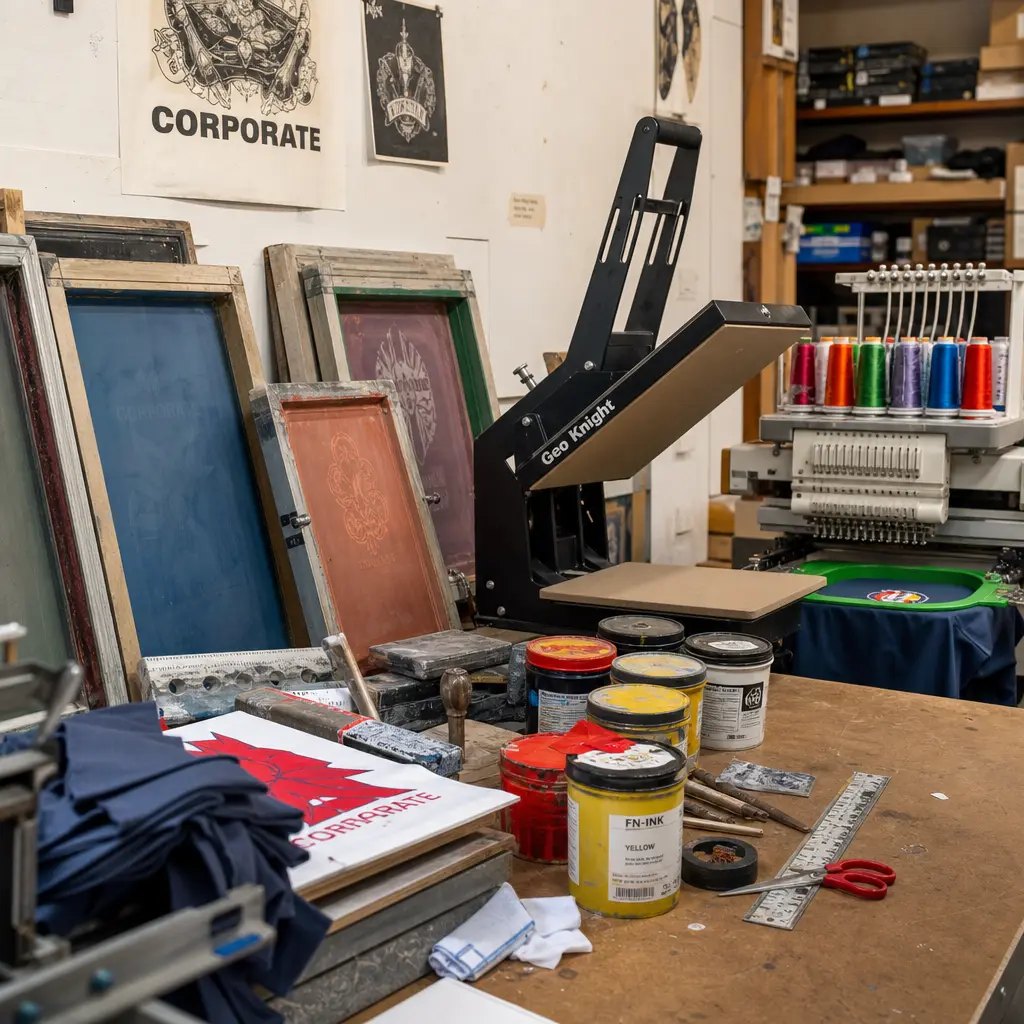
Screen printing is usually the most practical method for cotton drawstring backpacks with one to four solid logo colors. It gives good cost control in bulk and works well on flat cotton panels. For distressed marks, gradients, small text, or full-color artwork, heat transfer may be proposed, but the buyer should test hand feel, edge durability, and adhesion on the actual cotton surface. Embroidery can look premium but may pull light cotton fabric and can distort larger logo areas.
The RFQ should include artwork size, print position, color count, Pantone references, and whether the same logo appears on one side or both sides. A common mistake is quoting a one-color logo and later uploading a licensed mark with outlines, small registration text, and multiple spot colors. That changes screen count, setup cost, approval time, and defect risk. A print strike-off on bulk fabric is a small step that prevents many disputes.
- Screen print: best for solid school marks, slogans, and bookstore branding.
- Heat transfer: useful for detailed graphics, but test cracking and edge lift.
- Embroidery: suitable for small premium marks on heavier cotton, not large thin panels.
- Woven side label: good for subtle branding, but needs seam planning before cutting.
MOQ Logic and Cost Drivers
The true minimum order quantity is not only the sewing line MOQ. It can be controlled by fabric purchasing, dyeing, cord color, print setup, label weaving, or carton label requirements. A natural cotton backpack with black cord and one-color screen print can often run at a lower MOQ than a dyed school-color backpack with custom cord, woven label, hangtag, and individual barcode sticker. Buyers get cleaner quotes when each MOQ driver is visible.
Cost also changes with panel size and cutting yield. A slightly larger backpack may increase fabric consumption more than expected because the factory loses nesting efficiency on the cutting table. Print size changes ink use and drying rack space. Packing can also add cost if each piece needs an individual polybag, UPC sticker, hangtag, or bookstore shelf-ready carton. The best RFQ asks for price tiers and the reason each tier changes.
- Quantity tier: request pricing at the expected order quantity plus one lower and one higher tier.
- Fabric driver: natural stock fabric is usually easier than custom dyed fabric.
- Decoration driver: every print color may add screen setup, alignment risk, and approval time.
- Packing driver: retail barcode and individual bagging add labor beyond normal bulk pack.
- Freight driver: heavier GSM improves feel but increases carton gross weight and landed cost.
Sample Approval That Prevents Bulk Mistakes
A photo sample is not enough for a bookstore order. The buyer should approve a physical pre-production sample made with the correct fabric weight, cord, stitch method, and print process. If the bulk fabric is not ready, the factory can first provide a development sample for shape and construction, but final mass production should wait for a PP sample or approved strike-off using production materials.
The sample approval record should be written like a control document. It should list the sample date, sample version, artwork file name, fabric weight, finished size, cord color, print colors, packing method, and any comments that are accepted as exceptions. If natural cotton shade or seed flecks are approved, say so. If the print is slightly softer than the digital artwork because it is printed on cotton, record the acceptable range.
- Measure finished width and height after sewing, not before hemming.
- Load the sample with expected contents and pull the cords several times.
- Rub the print after curing to check ink adhesion and surface cracking.
- Compare logo placement against a marked approval sheet.
- Keep one signed sample with the buyer and one sealed reference sample at the factory.
Acceptance Criteria for Final Inspection
Final inspection should focus on defects that affect resale, brand protection, and use. Minor loose threads can often be trimmed, but stains, incorrect logo color, poor seam strength, wrong carton labels, or mixed artwork versions can create chargebacks or campus approval problems. The supplier should know the inspection criteria before production, otherwise the factory may classify visible issues as normal handmade tolerance.
For cotton drawstring backpacks, common checkpoints include fabric holes, weaving slubs beyond approved range, dirty marks, uneven top channels, broken stitches, cord length mismatch, weak bottom tabs, print pinholes, print offset, and odor. If the order is inspected by AQL, define which defects are critical, major, and minor. A practical bookstore standard treats incorrect logo, unsafe sharp material, severe stain, and wrong product as critical or major issues.
- Critical: wrong logo, wrong university mark, unsafe metal burrs, mold, severe contamination.
- Major: open seam, weak cord tab, incorrect size, heavy print cracking, wrong colorway.
- Minor: trimable thread end, small approved cotton fleck, slight crease from packing.
- Measurement: inspect samples from multiple cartons and color lots, not only top cartons.
- Release rule: do not ship until failed major issues are reworked and re-inspected.
Packing and Bookstore Receiving Requirements
Packing is often treated as an afterthought, but bookstore receiving teams care about carton weight, SKU separation, label clarity, and shelf preparation. A normal export bulk pack may be acceptable for event giveaways, while retail resale may need individual polybags, hangtags, UPC stickers, size-free item labels, and cartons separated by artwork or color. These requirements must be quoted upfront because they add labor and materials.
Carton design should protect the print from abrasion and moisture during transit. Overpacking heavy cotton backpacks into large cartons can crush prints, increase handling damage, and create receiving complaints. Underpacking wastes freight. The supplier should provide pieces per carton, carton dimensions, gross weight, net weight, and total CBM before the buyer finalizes the landed cost comparison.
- Event pack: bulk pack by 50 or 100 pieces if the receiving team can handle repacking.
- Retail pack: individual bag, barcode sticker, hangtag, and SKU carton label if required.
- Mixed artwork: pack each logo version separately and mark cartons clearly.
- Moisture control: use dry cartons and avoid packing goods before print is fully cured.
- Receiving label: include PO number, SKU, color, quantity, carton number, and country of origin.
Lead Time Risks in University Programs
Lead time should be counted from complete approval, not from the first inquiry. For cotton drawstring backpacks, the timeline can include artwork review, fabric sourcing, lab dip if dyed, sample making, print strike-off, PP sample shipment, buyer approval, bulk cutting, sewing, printing, curing, trimming, packing, inspection, and export booking. If the bookstore has a campus launch date, the backward schedule must include approval buffers.
The most common delay is late artwork correction. Licensed logos often require exact spacing, trademark symbols, and Pantone matching. Another delay comes from changing fabric weight or cord color after sampling. Buyers can reduce schedule risk by approving a standard construction first, then controlling artwork through a print strike-off. For repeat programs, keeping an approved fabric and cord library with the supplier shortens the next order.
- Fastest route: stock natural cotton, stock cord, one-color screen print, simple bulk packing.
- Slower route: custom dyed fabric, custom cord, woven label, multiple logo placements.
- Approval buffer: allow time for physical sample transit and internal university sign-off.
- Production buffer: avoid booking launch events based only on estimated sewing days.
- Shipping buffer: check carton CBM early to compare air, courier, LCL, or FCL options.
Quote Data Needed for Landed-Cost Comparison
A low FOB unit price can become expensive after packing, inspection, freight, duties, and receiving labor. The buyer should compare quotes using the same finished size, fabric GSM, print method, packing format, and carton quantity. If one supplier quotes 6 oz cotton bulk packed and another quotes 8 oz cotton individually bagged with barcode stickers, the unit prices are not comparable.
A complete quote should show unit price by quantity, sample cost, setup or screen charge, label or hangtag cost, packing cost, lead time, payment terms, incoterm, carton information, and validity date. For importers and distributors, carton CBM and gross weight are not optional details; they are needed to estimate landed cost and warehouse handling. Quote gaps usually become cost changes after the PO is placed.
- Commercial terms: FOB, EXW, CIF, DDP, or other incoterm with named port or destination.
- Product basis: size, fabric GSM, color, cord, print area, print colors, and packing.
- One-time charges: screen, sample, mold, woven label setup, barcode setup if applicable.
- Logistics data: carton size, pieces per carton, gross weight, net weight, and CBM.
- Validity: quote expiry date and conditions that trigger requote, such as artwork change.
Specification comparison for buyers
| Supplier option | What to verify | Commercial advantage | Buyer risk to control |
|---|---|---|---|
| Direct sewing factory | cord material proof, reinforcement close-ups, load-test photos, approved sample tag, and bulk-line first-piece record | Better sample-to-bulk control and faster production feedback | May be weaker on export paperwork or branded packing unless checked early |
| Trading company | Factory name, production photos, trim-source proof, and who owns QC decisions | Can coordinate small mixed orders and extra services | Markup can hide real factory capability and slow defect decisions |
| Specialized bag workshop | cord diameter, eyelet or reinforced channel, bottom corner reinforcement, seam allowance, bar-tack position, and load target | More practical for detailed construction, trims, and repeat programs | Capacity may be limited during peak seasons |
| Low-price general supplier | 6-10 oz cotton canvas, 210D polyester, rPET, or blended cotton with shrinkage and colorfastness expectations set before sampling | Useful for simple promotional runs with loose specs | Material downgrades, weak packing, and vague inspection scope can erase savings |
| Retail-ready supplier | fold direction, cord protection, bundle count, carton compression, moisture bag, and retail label position | Can handle labels, SKU separation, carton marks, and receiving rules | Higher unit cost must be compared against reduced warehouse work |
| Compliance-focused supplier | Fabric records, labeling review, test plan, and production traceability | Safer for retail programs and repeat brand orders | Documentation claims need evidence, not only sales language |
| Local sample room plus bulk factory | Signed sample, bulk factory handoff, first-piece photos, and deviation owner | Good for complex branding before large production | Sample room quality may not match bulk line unless handoff is controlled |
Buyer checklist before sampling
- Define whether the backpack is retail merchandise, orientation giveaway, event kit packaging, or licensed apparel accessory because the acceptable fabric, print, and inspection level will differ.
- State finished size with tolerance, not only flat fabric size; common bookstore sizes are around 14 x 17 inches or 15 x 18 inches depending on intended contents.
- Specify fabric weight in GSM or oz per square yard, including whether natural cotton seed flecks and shade variation are acceptable.
- Confirm drawcord material, cord diameter, color, knot method, and whether bottom corner tabs require bartack reinforcement.
- Provide vector artwork with Pantone references and licensed logo rules before the supplier quotes final print cost.
- Require a pre-production sample using bulk fabric, bulk cord, and the intended print method before mass cutting.
- List carton packing, inner polybag policy, hangtag or barcode needs, and bookstore receiving label format in the RFQ.
- Request quote breakdown by quantity tier, print color count, sample cost, tooling or screen charge, packing cost, and estimated carton CBM.
- Set inspection criteria for fabric defects, seam strength, print placement, print adhesion, stains, odor, and carton marking.
- Lock approval responsibilities: who approves lab dips, print strike-off, PP sample, carton labels, and pre-shipment inspection release.
Factory quote questions to send
- Is the quoted fabric 6 oz, 8 oz, 10 oz, or a GSM equivalent, and is the weight measured before or after washing, dyeing, or finishing?
- Will the bulk fabric be natural, bleached, dyed, or enzyme-washed, and what shade tolerance will be used against the approved sample?
- What is the minimum order quantity for the backpack body, the drawcord color, and the print method separately?
- Is the logo cost based on screen printing, heat transfer, embroidery, or another method, and how does the price change by number of print colors?
- Can you make a print strike-off on the actual cotton fabric before the full PP sample?
- What seam allowance, stitch density, and reinforcement method will be used at the bottom cord entry points?
- What is the packed carton size, carton quantity, gross weight, net weight, and estimated CBM for each quantity tier?
- Which compliance documents can be supplied with the order, and will they show the same supplier or factory name used on the invoice?
- What production lead time starts after PP sample approval, and what items can delay that clock, such as lab dips, cord dyeing, or licensed artwork approval?
- What defects are considered major or minor during final inspection, and what AQL or acceptance standard will be used?
Quality-control points to confirm
- Fabric weight should be checked against the approved spec with a GSM cutter or agreed swatch comparison, not judged by hand feel alone.
- Finished size tolerance should normally be controlled within about plus or minus 0.5 cm to 1 cm unless a different tolerance is approved.
- Print placement should be measured from top edge and side seams with a written tolerance, commonly within plus or minus 3 mm to 5 mm for simple logos.
- Screen print adhesion should pass reasonable rubbing and tape checks on the approved cotton surface before bulk packing.
- Bottom corner cord tabs should be pull-tested because this is a common failure point when students carry books or apparel.
- Drawcord ends should be cleanly knotted, tipped, or heat-finished depending on material so they do not fray during retail handling.
- Cartons should be clean, dry, export-grade, and marked with SKU, color, quantity, PO number, country of origin, and carton sequence.
- Random units should be opened from different cartons to check odor, stains, loose threads, shade variation, print cracking, and mixed logo versions.