1. Start With the Buying Objective, Not the Product Name
A useful RFQ for cotton drawstring backpacks should not begin and end with “cotton drawstring bag with logo.” That phrase sounds clear, but it leaves too much for the supplier to guess. Is the bag a low-cost event giveaway? A branded packaging piece for apparel bundles? A retail accessory that customers will buy on its own? A kit bag for footwear, catalogs, or staff uniforms? Each use case changes the right fabric weight, cord quality, reinforcement, logo method, packing format, and inspection plan.
For eco apparel brands, the opening brief also needs to translate sustainability language into purchaseable specifications. “Eco cotton” is not enough. Natural unbleached cotton may give the right low-processing look, but it can show seed flecks, slubs, and shade variation. Organic cotton may support a stronger claim, but it can change MOQ, lead time, cost, and document requirements. Recycled cotton blends can be appealing, yet color and hand feel may vary more than virgin cotton. Put these routes into separate quote lines instead of asking factories to decide what “eco” means.
The first paragraph of the RFQ should tell the supplier what business problem the backpack solves. Include the sales channel, intended quality tier, target quantity, reorder expectation, required delivery window, and any non-negotiables. A factory can then quote to the same target, and your procurement team can compare total value rather than chasing the lowest unit price. It also invites sensible value engineering. A supplier may suggest a stock 180 GSM fabric instead of custom dyeing, for example, while keeping the cord, logo placement, and reinforcement intact.
- State the use case: resale accessory, event giveaway, wholesale add-on, ecommerce bundle, staff program, influencer kit, gift-with-purchase, or apparel packaging.
- Define the intended quality level: economy promotional, mid-tier branded merchandise, retail-ready accessory, or certified sustainability-led product.
- Identify the buying priority: lowest price, faster delivery, stronger hand feel, verified material claim, decoration durability, or repeatable reorder control.
- Mention order profile: one-time campaign, seasonal graphics, multiple body colors, annual reorder, or split shipments by region.
- Tell suppliers which elements are fixed and which are open to value engineering, such as GSM, cord type, decoration method, label, and packing.
2. Specify Fabric by Fiber, Weave, GSM, Finish, and Tolerance
Fabric is usually the biggest driver of both cost and perceived quality. A procurement-ready RFQ should name the fiber content, weave, GSM target, GSM tolerance, finish, color route, and acceptable variation. For cotton drawstring backpacks, buyers often compare options around 140, 180, and 220 GSM. A lighter 140 GSM construction can work for promotional use or as an apparel insert. Around 180 GSM is a practical middle ground for many branded merchandise programs. A 220 GSM canvas or duck fabric feels more substantial and retail-ready, though it will usually add fabric cost, carton weight, and freight impact.
Do not skip the weave. Plain weave, canvas, duck, and twill do not look or print the same way. Plain weave may give an economical, natural feel. Canvas or duck usually gives a firmer surface and a more structured body. Twill has a diagonal texture and may drape differently. If your brand wants a raw natural look, say whether seed flecks and slubs are acceptable. If the bag must look clean in retail photography, set stricter limits around stains, holes, heavy slubs through the logo area, oil marks, and uneven panels.
Ask the supplier how GSM will be controlled in bulk. A clear line might read: “100% cotton canvas, 180 GSM target, acceptable ±5% roll average unless approved in writing.” For higher-risk orders, request fabric weight checks from multiple rolls, especially when several fabric rolls or dye lots are used. Shrinkage also deserves a decision. If the backpack is not intended for repeated laundering, do not imply wash performance. If the brand plans to make wash or care claims, build testing and shrinkage limits into the RFQ before sampling.
- Example fabric line: 100% cotton canvas, 180 GSM target, acceptable ±5%, natural unbleached, soft washed finish not required, visible natural flecks acceptable outside logo area.
- Quote alternatives separately: conventional cotton, organic cotton, recycled cotton blend, unbleached cotton, undyed cotton, and custom dyed cotton.
- Specify weave: plain weave, canvas, duck, or twill; do not use only “cotton cloth.”
- Ask for fabric source route: stock fabric, greige fabric dyed to order, custom woven, or certified material procurement.
- Define unacceptable fabric defects: holes, oil stains, heavy slubs crossing print area, strong odor, severe shade panels, or fabric skew affecting shape.
3. Turn the Bag Shape Into Finished Measurements
Photos help, but they do not create comparable quotes. A sample from another program, a sketch, or a mood board may show the look you want, yet the supplier still needs finished dimensions and measurement rules. A few centimeters in width or height can change fabric consumption, usable print area, carton count, and the way the bag feels when worn. If every bidder assumes a different standard size, the cheapest quote may simply be the smallest bag.
Use finished measurements rather than pattern measurements. For example: “Finished bag size 38 cm W x 45 cm H, measured relaxed flat. Width measured seam-to-seam across body panel. Height measured from finished top edge to bottom seam. Tolerance ±1 cm.” Add top channel depth, gusset size, pocket dimensions, label location, and bottom-corner shape if those details matter. If the logo needs to sit below the drawcord channel, mark the usable print area. If cord length affects comfort, measure it separately from the body.
Tolerances should be realistic for sewn cotton goods. Fabric relaxes, seams take up slightly different amounts, and finishing can change the hand feel. A logo placement tolerance of ±5 mm may be achievable for many prints, while ±0.5 cm on a large sewn panel may be unnecessarily tight unless the factory confirms it. Common starting points are finished body dimensions ±1 cm, cord length ±2 cm, and print placement ±5 mm to ±10 mm. Put the final agreed tolerances into the purchase order and inspection criteria, not only into early email threads.
- List finished width, finished height, top channel depth, bottom gusset if any, corner shape, pocket size if any, and label location.
- Define measurement method: relaxed flat, no stretching, measured after sewing and finishing, using finished edges or seams.
- Use separate tolerances for body size, cord length, print placement, and label placement.
- Confirm whether the sample is the master size reference or whether the written tech sheet overrides sample variation.
- Ask the supplier to flag cost changes if size increases affect fabric consumption or carton cube.
4. Treat the Cord System as a Load-Bearing Feature
The drawstring is not just trim. On a backpack, it closes the bag and becomes the shoulder strap. That means weak cord exits, narrow channels, sharp eyelets, or thin cord can turn into the first customer complaint. A low-twist cord may fray. A cord that is too thin can dig into the shoulder. A channel that is too tight can bind, twist, or pull the fabric out of shape. These problems are hard to fix once thousands of bags are sewn and packed.
Your RFQ should name the cord material, diameter, color, length, end finish, and knot or tipping method. Cotton cord fits a natural positioning, but the ends need control because cotton can fray. Polyester or blended cord may be more stable, though it may not suit every natural-material claim. Buyers often discuss 5 mm, 6 mm, or 8 mm cord diameters, but the right choice depends on the bag size, expected load, and comfort target. Ask the factory to confirm its recommended cord and send a component sample or close-up photo before final approval.
Reinforcement belongs in the construction specification. For retail or repeated-use programs, request bar-tacks or reinforced stitching at cord exits and bottom corners. If eyelets are used, define metal color, inside diameter, placement, and the requirement for smooth edges with no burrs. If you avoid metal, ask for a folded and stitched fabric exit or another clean reinforcement method. Add a simple functional check to the QC plan: open and close the bag several times, load it to the agreed test weight, carry it briefly, and inspect the channel, cord, eyelets, exits, and bottom corners.
- Specify cord material: cotton, recycled cotton blend if available, polyester, rPET polyester if claimed, or other approved material.
- State cord diameter and tolerance where needed, such as 6 mm target, supplier to confirm actual finished diameter.
- Define finished cord length from exit to end and tolerance, such as ±2 cm after knot or tip finishing.
- Choose end finish: knot only, stitched end, heat-sealed synthetic end, metal aglet, plastic tip, or no visible tip.
- Confirm eyelet/no-eyelet design, reinforcement method, bar-tack positions, and channel width before approving the sample.
5. Match the Decoration Method to the Artwork and Cloth
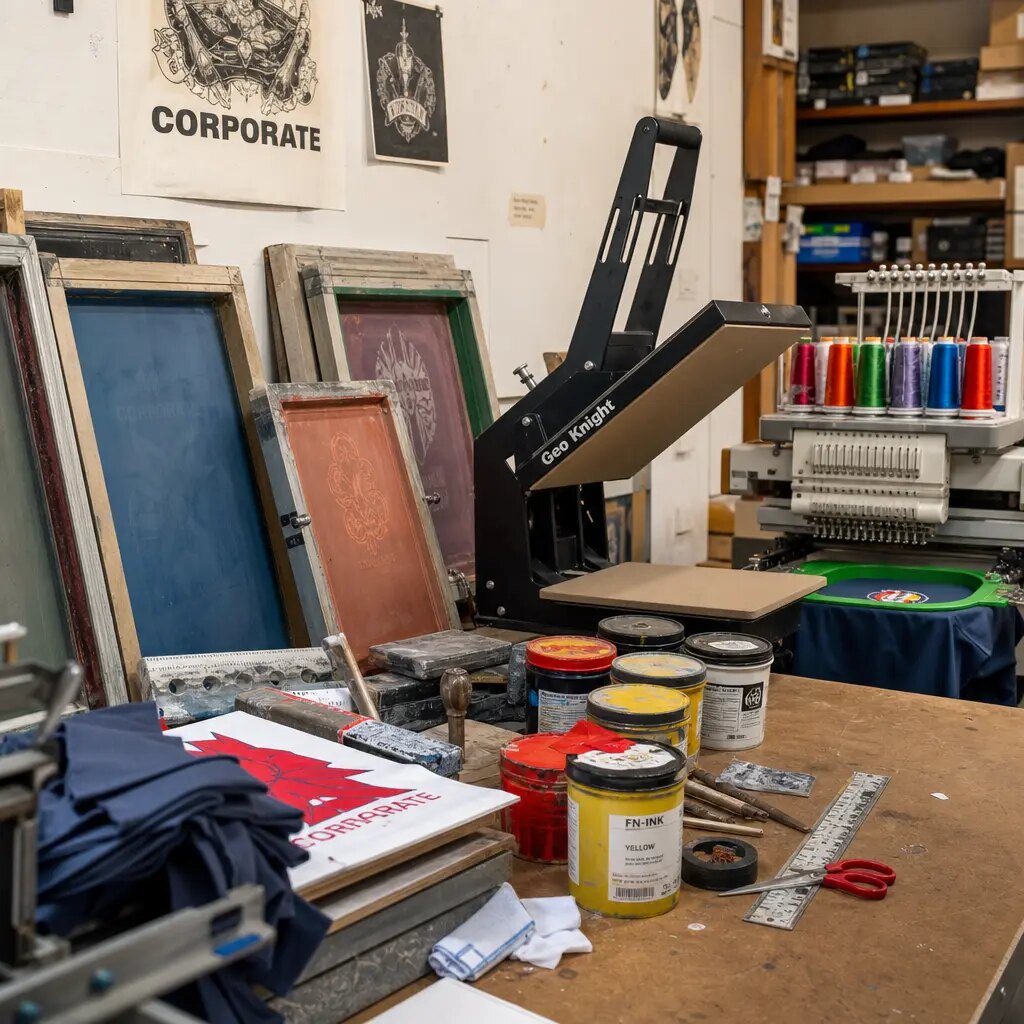
Decoration is where many cotton drawstring backpack quotes stop being comparable. A logo file alone does not tell the supplier enough. The RFQ should state decoration method, print size, placement, color count, Pantone or brand color target, opacity expectation, registration tolerance, and durability checks. Screen printing is often a practical choice for simple one- or two-color logos, especially when the order repeats. It can be clean and efficient, but the result still depends on fabric texture, ink selection, screen preparation, and proper curing.
Other decoration methods can be right for specific reasons. Digital print may help with complex artwork or shorter runs, but color depth and rub performance on cotton need approval. Heat transfers can reproduce detail, yet adhesion, cracking, and edge lift must be checked on the actual bulk fabric. Embroidery can look premium, but lighter cotton may pucker and the backing may be visible inside the bag. If the artwork is small and the fabric is midweight or heavier, embroidery may work well; if the cloth is light, test first.
Placement should be written in measurements, not left to visual judgment. A clear instruction could be: “Logo 180 mm wide, centered left-to-right, top of logo 120 mm below finished top edge, placement tolerance ±5 mm.” Keep artwork away from the drawcord channel unless the design intentionally uses that area. Fine lines, small text, and reversed details may fill in on coarse canvas, so require a strike-off on the final or approved equivalent cloth. For dark dyed cotton, state whether the print needs a base layer or solid opacity after one pass.
- For screen print: state Pantone target, ink type if specified, color count, print size, print position, opacity requirement, and cure/rub checks.
- For heat transfer: require adhesion, edge-lift, cracking, and hand-feel approval on the final fabric.
- For digital print: approve color depth, resolution, fabric absorption, and rub performance before bulk.
- For embroidery: define stitch size, thread colors, backing treatment, puckering tolerance, and inside appearance.
- Ask whether decoration is in-house or outsourced, and who pays for rework if color, placement, registration, or curing fails.
6. Ask for Quote Lines That Reveal the Real Cost Drivers
A single all-in price is easy to read, but it often hides the details procurement needs. Cotton drawstring backpack pricing can shift because of GSM, fabric route, dyeing, cord diameter, reinforcement, print setup, label type, hangtag, barcode sticker, carton count, inspection support, and documentation. You do not need a factory’s confidential cost sheet. You do need enough line items and option deltas to know whether two suppliers are quoting the same product.
MOQ also needs to be unpacked. A supplier may offer a low MOQ for blank natural cotton bags but require a much higher minimum for custom dyed fabric. Another may allow mixed body colors but charge separate screens for each artwork. Organic cotton, recycled content, custom woven labels, printed hangtags, and special packing formats can each have their own minimum. If your program includes multiple seasonal graphics or colorways, ask whether MOQ applies per total order, per body color, per artwork, per print color count, per label, or per packing configuration.
Request price breaks only at quantities you might actually buy. If 500, 1,000, 3,000, and 5,000 units are realistic, ask for those tiers and require suppliers to say what changes at each level. Is setup being amortized? Does fabric procurement become more efficient? Does carton count improve? Also set overage and shortage rules before production starts. For custom cut-and-sew, small variances can occur, but procurement should decide whether +/−3%, 0/+3%, or exact quantity is acceptable.
- Request line items for blank bag, fabric upgrade, custom dye, print setup, extra print color, second print position, label, hangtag, barcode, inner packing, master carton, and inspection support.
- Ask for MOQ by style, body color, fabric type, artwork, print color count, label, hangtag, packing method, and delivery destination.
- Request quote validity date, currency, Incoterm, payment terms, sample charges, tooling/setup charges, and refund policy if applicable.
- Ask suppliers to show price deltas for GSM alternatives and decoration alternatives rather than hiding them in one number.
- State overage/shortage tolerance and whether surplus units can be invoiced without written buyer approval.
7. Evaluate Supplier Capability Separately From Price
The lowest quote may be efficient. It may also be missing something. One bidder might exclude packing, another might assume a lighter fabric, and another may leave inspection responsibility vague. Before choosing a supplier, compare capability as well as unit cost. A direct cut-and-sew factory can be strong for repeatable sewing, sample control, and fabric purchasing. A trading company or sourcing agent may be useful when the order includes bags, labels, hangtags, inserts, cartons, and consolidation. A local decorator may be fast for small urgent runs, but may not control the blank bag source.
Outsourcing is normal in bag production. Dyeing, printing, embroidery, labels, cords, eyelets, cartons, and even final inspection may be handled by specialist partners. The important question is not whether a process is outsourced; it is who owns the result. If the print fails a dry rub check, who replaces or reworks the goods? If carton marks are wrong, who repacks? If fabric shade varies beyond the approved standard, who decides whether the lot is acceptable? These points should be settled before the PO, not during shipment week.
Ask for practical evidence of process control. Useful items include a sample approval form, blank inspection report format, packing photo example, carton mark template, and a short explanation of how approved samples are stored. Version control matters too. If artwork changes after the first strike-off, there should be a file name, revision date, and written approval. Bulk production should not rely on scattered phone photos with no measurement reference or version number.
- Direct factory route: useful for repeat orders, consistent sewing, controlled samples, and clearer production ownership.
- Trading company route: useful for multi-component kits, but require transparent scope, line items, and subcontractor accountability.
- Decorator-led route: useful for urgent branding, but check fabric consistency, MOQ, reorder pricing, and blank inventory control.
- Ask who controls final approval for fabric, dyeing, print, labels, packing, and carton marks.
- Require version control for tech pack, artwork, sample approval, and packing specification.
8. Control Samples in Stages Before Bulk Production
One attractive prototype does not prove the order is ready for bulk. Sampling should test the order in layers. A fabric swatch confirms color, texture, GSM range, finish, and acceptable flecks or slubs. A blank construction sample checks size, sewing, cord movement, reinforcement, shape, and hand feel. A decoration strike-off confirms logo color, opacity, scale, placement, registration, and cure on the actual fabric. A pre-production sample brings everything together: final fabric, cord, label, hangtag, barcode, fold method, inner packing, and carton marks.
The RFQ should state sample charges, sample lead times, approval authority, and whether charges are refundable after a bulk order. It should also define when production lead time starts. Some suppliers count from deposit. Others count from final artwork approval, fabric approval, or pre-production sample approval. If you have a launch date or event date, this distinction matters. Put the timing trigger in the RFQ and purchase order so the schedule is not debated after approvals are already late.
Sample approval should be physical and measurable. Lay the bag flat and measure it. Check cord length. Open and close the channel several times. Inspect the stress points. Measure logo placement with a ruler, not by eye. Fold the bag the way it will be packed and see whether the logo creases in an unacceptable place. For repeated-use or retail programs, add simple handling checks: dry rub the print with a white cloth, carry the bag with a realistic load, and inspect the bottom corners, cord exits, and seams afterward. These checks do not replace formal lab tests when those are required, but they catch many avoidable issues before bulk cutting and decoration.
- Swatch approval: fabric content, color, weave, GSM range, finish, natural flecks, and hand feel.
- Blank sample approval: dimensions, seam construction, channel movement, cord length, reinforcement, and overall workmanship.
- Strike-off approval: logo scale, Pantone target, print opacity, edge quality, registration, placement, cure, and rub result.
- Pre-production sample approval: final fabric, cord, label, hangtag, barcode, packing, carton mark, and all approved revisions.
- Record sample version, date, approver name, approved deviations, and photos linked to the PO.
9. Build QC Around the Defects That Actually Cause Trouble
Quality control should be tied to real failure modes, not vague language. For cotton drawstring backpacks, the common issues are wrong GSM, fabric shade mismatch, stains, strong odor, inaccurate dimensions, weak seams, poor cord function, print defects, wrong labels, barcode problems, and carton count errors. “Good quality required” does not help the sewing line, the printer, or the inspector. Measurable criteria do.
Many buyers classify defects as critical, major, and minor, sometimes using a sampling plan such as ANSI/ASQ Z1.4 or ISO 2859-1 where appropriate. If your company uses AQL, write the levels into the RFQ. For example, a program may require no critical defects, major defects at AQL 2.5, and minor defects at AQL 4.0, depending on the buyer’s channel and risk tolerance. If you are not using formal AQL, still list the checks and acceptance limits. The worst time to decide what is rejectable is after finished goods are already packed.
Useful QC criteria include fabric weight checks, shade comparison under agreed lighting, finished measurements, stitch quality, cord draw function, logo placement, print adhesion, dry rub result, label accuracy, barcode scan, carton marks, and packing count. State tolerances such as body size ±1 cm, cord length ±2 cm, print placement ±5 mm to ±10 mm, and label placement ±5 mm if those numbers fit your program. Ask the factory to confirm feasibility before the PO. If restricted-substance compliance, certification documents, or lab tests are required, treat those as separate deliverables with clear due dates before shipment.
- Fabric QC: GSM readings, shade comparison, odor, stains, holes, slubs affecting logo area, oil marks, and fabric skew.
- Measurement QC: finished width, height, channel depth, cord length, label placement, and logo placement against written tolerances.
- Sewing QC: stitch density, skipped stitches, loose threads, seam slippage, bottom-corner strength, and bar-tack security.
- Function QC: draw closed, reopen, carry with agreed load, inspect cord exits, channel, eyelets, seams, and bottom corners.
- Decoration QC: color, opacity, edge sharpness, registration, placement, curing, dry rub, cracking, transfer edge lift, or embroidery puckering.
- Packing QC: fold method, units per inner pack, carton count, SKU/color mix, carton marks, barcode scan, gross weight reasonableness, and packing list match.
10. Lock Packing, Lead Time, and Shipment Handover Early
Packing is not an afterthought. It affects freight cost, warehouse receiving, retail presentation, and how clean the bags look when cartons are opened. Cotton drawstring backpacks may be packed flat, folded, bundled, individually polybagged, belly-banded, tissue wrapped, kraft sleeved, or placed directly into cartons. Retail-ready orders may need hangtags and barcodes. Ecommerce bundles may need clean unit separation. Wholesale shipments may care more about fixed carton quantities and clear SKU identification. If you do not specify packing, the factory will usually choose its default.
Eco apparel brands often want to reduce plastic, which is reasonable, but the goods still need protection from dust, lint, moisture, and handling dirt. If individual polybags are not allowed, specify the approved alternative: paper belly band, kraft sleeve, tissue wrap, carton liner, or direct carton packing with a defined fold. If polybags are required by a retailer or warehouse, define size, warning text if applicable, barcode location, and recycled-content preference where relevant. Carton marks should include PO, SKU, color, quantity, carton number, destination, and country-of-origin information when required.
Lead time should be broken into process steps. Ask the supplier to list swatch lead time, blank sample lead time, strike-off lead time, pre-production sample lead time, material procurement, dyeing or finishing, cutting, sewing, decoration, trimming, inspection, packing, and export handover. A single “30 days” promise hides the critical path. Also define when the production clock begins: after deposit, after artwork approval, after fabric approval, or after pre-production sample approval. For event or launch orders, give the required arrival date and ask the supplier for the last safe approval date.
- Choose packing method: flat pack, folded pack, inner bundle, individual polybag, tissue wrap, paper belly band, kraft sleeve, or retail hangtag pack.
- Specify units per inner pack, units per master carton, maximum gross weight, carton dimensions if constrained, carton marks, and barcode placement.
- State plastic packaging rules and approved plastic-reduction alternatives before bulk packing starts.
- Ask for a lead-time breakdown by sample, material, dyeing, decoration, sewing, inspection, packing, and shipment handover.
- Define Incoterm, export documents, country-of-origin marking where applicable, packing list format, and whether third-party inspection must occur before shipment.
Specification comparison for buyers
| RFQ decision | Recommended buyer instruction | When it fits best | Procurement risk to verify |
|---|---|---|---|
| Fabric weight | Quote 100% cotton canvas, duck, or twill as separate 140, 180, and 220 GSM options; state acceptable GSM tolerance, such as target ±5% or agreed roll average | Comparing economy promotional, mid-tier merchandise, and retail-ready versions before locking the BOM | If GSM is not measured, bulk may be thinner than the approved sample or vary between fabric rolls |
| Fabric route | Specify stock natural cotton, custom dyed cotton, organic cotton, recycled cotton blend, or unbleached/undyed cotton as separate quote lines | Eco apparel brands balancing material claim, hand feel, delivery time, MOQ, and cost | Do not treat “eco cotton” as a specification; require fiber content, certificate scope where applicable, and dye/finish details |
| Finished size | Provide finished dimensions with measurement points and tolerances, for example 38 cm W x 45 cm H, tolerance ±1 cm; cord length tolerance ±2 cm | Retail, wholesale, and ecommerce programs needing consistent presentation and carton packing | Factories may quote pattern size or approximate photo size unless finished measurement rules are stated |
| Construction | Define top channel depth, seam type, stitch density target, bar-tacks, bottom corner reinforcement, and eyelet/no-eyelet construction | Bags expected to carry apparel, kits, footwear, catalog inserts, or repeated consumer use | Weak cord exits and bottom corners are common failure points when construction is value-engineered without approval |
| Cord system | Specify cord material, diameter, finished length, color, knot/tip/aglet finish, and draw function requirement | Any bag where drawstring also acts as shoulder strap | Thin or low-twist cord can fray, slip, stretch, or feel uncomfortable when loaded |
| Decoration | Quote decoration by method, print size, color count, Pantone target, placement tolerance, and durability checks | Branded retail bags, gift-with-purchase, event merchandise, and apparel bundle packaging | Logo disputes usually come from missing placement dimensions, opacity expectations, cure checks, or outsourced print responsibility |
| MOQ logic | Request MOQ by total order, body color, fabric type, artwork, print color count, label, hangtag, and packing format | Multi-color assortments, seasonal drops, or programs with shared base bags and different graphics | A low bag MOQ can hide high custom dye, print screen, label, or packing MOQ charges |
| Sample control | Require swatch, blank prototype, decoration strike-off, and pre-production sample with version control | First-time suppliers, certified material claims, custom colors, or new logo applications | One attractive sales sample does not confirm bulk fabric, artwork, packing, or carton marking accuracy |
| QC plan | State inspection level, defect categories, measurement tolerances, AQL if used, and functional load/rub checks | Retail, wholesale, and launch-critical orders where rework after shipment is expensive | Without agreed acceptance criteria, rejection decisions become subjective after goods are packed |
Buyer checklist before sampling
- State the commercial use case: resale accessory, event giveaway, apparel bundle, ecommerce insert, gift-with-purchase, influencer kit, employee program, or wholesale add-on.
- Provide target retail or program quality level: economy promotional, mid-tier branded merchandise, retail-ready accessory, or certified sustainability-led product.
- List finished bag dimensions with measurement points and tolerances, such as width measured seam-to-seam, height measured top edge to bottom seam, and cord length measured from exit to cord end.
- Specify fabric content, weave, GSM target and tolerance, color route, pre-shrink requirement if any, hand feel, finish, and acceptable natural fleck/slub level.
- Clarify sustainability requirements: conventional cotton, organic cotton, recycled cotton blend, unbleached cotton, undyed cotton, low-impact dye request, restricted substance compliance, or certificate/document requirements.
- Define cord material, diameter, finished length, color, cord-end finish, knot method, aglet/tipping requirement, eyelet or no-eyelet construction, and reinforcement at stress points.
- Attach final vector artwork and mark logo size, print position, safe area, color target, decoration method, opacity requirement, and acceptable placement tolerance.
- Request itemized quote lines for base blank bag, fabric upgrades, dyeing, print setup, extra print color, second print position, label, hangtag, barcode, inner packing, master carton, inspection support, and documentation.
- Identify MOQ by total quantity, body color, fabric type, artwork, print color count, label type, hangtag, packing configuration, and shipment destination if applicable.
- Define sample stages: material swatch, blank prototype, print strike-off or decoration test, salesman sample if needed, and pre-production sample before bulk cutting or decoration.
Factory quote questions to send
- What exact fabric composition, weave, GSM target, GSM tolerance, finish, and shrinkage expectation are included in the quoted body cloth?
- Is the fabric stock, greige to be dyed, custom woven, organic certified, recycled blend, unbleached natural cotton, or undyed cotton?
- Can you quote the same construction in 140 GSM, 180 GSM, and 220 GSM or your closest available stock weights, with cost and carton-weight impact shown separately?
- What finished size, channel width, seam allowance, stitch density, and construction method are included in your quote?
- What cord material, diameter, finished length, color, knot/tip/aglet finish, and reinforcement are included?
- Is the quoted price for blank bags only, or does it include decoration, woven label, hangtag, barcode sticker, inner packing, master carton, carton marks, and export packing?
- What is the MOQ per style, per body color, per fabric type, per artwork, per print color count, per label, and per packing configuration?
- How many print colors and print positions are included in the base quote, and what is the setup charge or incremental cost for each extra color or position?
- Which decoration process are you quoting, and what checks do you perform for ink curing, adhesion, dry rub, opacity, edge lift, embroidery puckering, or thread breaks?
- Are dyeing, printing, embroidery, labels, cords, eyelets, cartons, or final inspection outsourced? If yes, who owns approval, rework cost, and schedule risk?
Quality-control points to confirm
- Fabric weight should be checked against the approved GSM target and tolerance, with readings taken from multiple rolls when more than one fabric roll or dye lot is used.
- Bulk fabric should match the approved color standard, hand feel, weave, finish, and acceptable natural fleck/slub level under agreed lighting, not only by phone photos.
- Finished width and height should be measured after the bag is relaxed flat, with typical tolerances such as ±1 cm unless the PO states otherwise.
- Cord length should be measured from exit point to cord end after knot or tip finishing, with a separate tolerance such as ±2 cm where appropriate.
- Top channel depth, side seams, bottom seams, and label placement should match the approved pre-production sample and technical sheet.
- Stitching should be checked for consistent stitch density, skipped stitches, broken thread, loose ends, seam slippage, distorted corners, and secure back-tacking or bar-tacking at stress points.
- Cord channels must draw smoothly without twisting, binding, uneven exit holes, sharp eyelet edges, or fabric distortion after repeated opening and closing.
- Cord material, diameter, color, length, knotting, heat seal, tipping, or metal aglet finish must match the approved component sample.
- Print registration, placement, scale, opacity, edge sharpness, and color should match the approved strike-off within the agreed tolerance, such as print position ±5 mm if specified.
- Screen print or transfer decoration should be checked for curing, adhesion, dry rub, visible cracking, edge lift, and basic abrasion after handling.