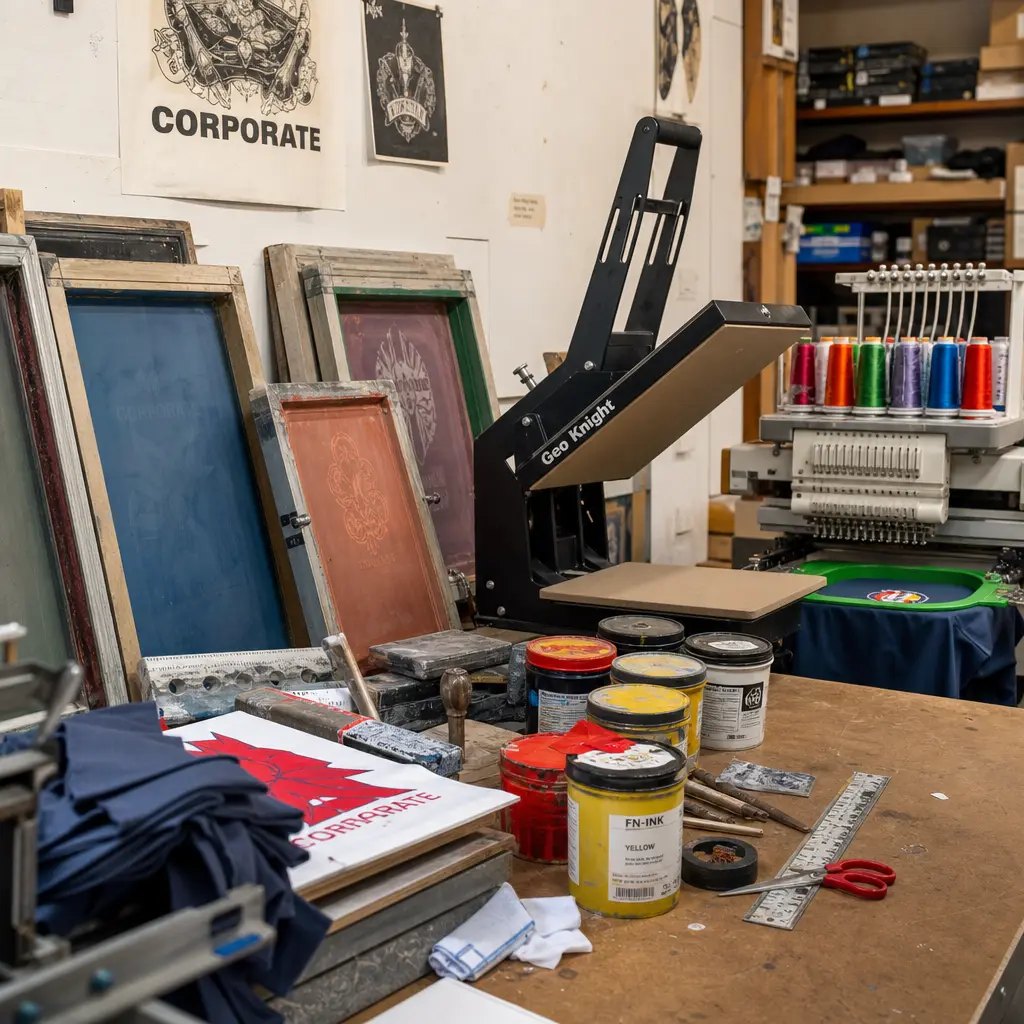
Make the proof the production standard
A cotton drawstring backpack looks simple in a digital mockup, but the physical proof decides whether the bulk order will match the spa retail standard. These bags often carry skincare samples, slippers, treatment cards, robe accessories, launch gifts, or boutique merchandise. The bag may be a low-cost component, yet the printed logo is visible at the counter, in a treatment room, inside a gift set, or in a guest's room.
Procurement needs the proof to lock more than artwork. It must confirm the fabric, print method, logo dimensions, logo position, ink color, seam relationship, drawcord, label position, fold method, and packed appearance. A PDF confirms layout intent. A physical strike-off or pre-production sample shows ink opacity, cotton texture, edge sharpness, hand feel, and whether the print still looks controlled on the finished bag.
The approved proof also gives the supplier, buyer, warehouse, and inspector a common reference. Without it, teams argue about subjective terms such as close enough, slightly off center, or standard packing. With a signed sample and written tolerances, inspection becomes measurable.
- Mark the approved proof with PO number, artwork revision, fabric spec, print method, date, and approver name.
- Measure finished bag size, logo size, placement, and drawcord function before approval.
- Keep one signed physical sample with the buyer and one with the supplier where possible.
- Treat digital mockups as layout references, not bulk production approval.
- Release bulk printing only after artwork, fabric, packing, and tolerance comments are closed.
Specify fabric before artwork approval
A strong RFQ starts with the cloth. Many spa retail cotton drawstring backpacks are quoted in the 140-180 GSM range, but this is a common commercial range rather than a universal standard. The right weight depends on contents, retail positioning, fabric weave, print coverage, and freight budget. A 140-150 GSM cotton sheeting may suit light samples or event handouts. A 160-180 GSM drill or light canvas gives more body for boutique presentation and gift-set use.
GSM alone does not define quality. Two fabrics with the same nominal weight can print differently if one is tightly woven and smooth while the other is loose or uneven. Natural cotton can show flecks and warmer shade variation. Bleached or dyed cotton may give a cleaner base for brand colors, but dyed fabric can add dye-lot approval, longer lead time, higher minimums, and fresh print testing.
Approve the proof on the actual production fabric. If the buyer approves a smooth white strike-off and later switches to natural cotton, the logo may become softer, darker, or less readable. Any change in fabric color, weave, GSM, finish, or supplier lot can justify a new proof when retail presentation matters.
- Specify composition, weave, GSM, color, finish, and tolerance; do not rely on GSM alone.
- Ask whether the cloth is stock fabric, nominated fabric, or dyed to order.
- Confirm whether the fabric is natural, bleached, dyed, washed, pre-shrunk, or untreated.
- Check fabric strength and transparency against the intended contents before approving size.
- Require a new proof when fabric color, weave, GSM, or finish changes.
Match print method to spa artwork
Screen printing is often the practical choice for spa branding: one to three solid colors, a wordmark, monogram, treatment icon, or clean campaign graphic. It works well for repeat programs because the approved print size, color recipe, and position can be repeated. Buyers still need setup cost, screen charge, color separation, screen storage, and reorder color-check terms in writing.
DTG and heat transfer can be useful for short runs or complex artwork. DTG may handle many colors, but the result depends on cotton surface, pretreatment, ink settings, and curing. Heat transfer can reproduce gradients and small details, yet it may add a film edge, sheen, or heavier hand. For a spa product that should feel soft and calm, the hand feel matters as much as the image.
Spa artwork often includes fine serif type, botanical linework, pale neutrals, metallic-looking tones, or low-contrast palettes. Those details can be elegant in a brand file and weak on cotton. Before proofing, ask the supplier to identify risky details and recommend minimum line width, minimum text height, underbase use, and print area limits.
- Use screen print for clean logos, solid colors, repeat orders, and predictable bulk control.
- Use DTG or transfer only after approving hand feel, opacity, edge quality, sheen, and rub behavior.
- Avoid hairline icons, tiny legal text, and pale-on-natural combinations unless the proof confirms readability.
- Confirm print area limits before screens or transfer films are made.
- Request a new strike-off after any change to artwork scale, print method, ink color, or fabric color.
Set tolerances buyers can inspect
Vague approval language creates avoidable claims. Terms such as centered logo, premium cotton, normal packing, or brand color do not give an inspector enough to work with. A buyer-ready proof package converts visual expectations into points that can be checked with a ruler, signed sample, neutral lighting, barcode scanner, carton scale, and packing list.
Finished dimensions need target measurements and agreed tolerances. The right tolerance depends on bag size, fabric, sewing method, and washing or pressing process, so it belongs in the supplier discussion before cutting starts. Logo placement is best measured from fixed finished-bag points such as side seams, top edge, channel seam, or bottom seam. Photos help, but they are not a substitute for measurement.
Color control also needs realism. Pantone references help communicate the target, but ink on cotton is not the same as ink on coated paper. Natural cotton texture and shade can soften a color. For most spa packaging orders, the signed physical proof should be the controlling color reference, supported by Pantone or buyer swatch notes.
- State finished flat size tolerance in millimeters and define when measurement happens: after sewing, pressing, or packing.
- State logo placement tolerance from fixed points, not visual centering.
- Define rejectable print defects: smears, bleeding, heavy pinholes, blurred edges, wrong scale, and registration shift.
- Use the signed proof as the color reference when cotton texture changes Pantone appearance.
- Put tolerances in the PO or inspection checklist, not only in email comments.
Review the proof in a fixed sequence
A fixed review sequence prevents teams from approving a good-looking sample that is not ready for production. Start with identity: supplier name, PO, artwork file, revision number, fabric description, print method, color reference, sample date, and sample status. Missing identity data can cause the wrong version to enter bulk production.
Next, measure the bag. Check finished width and height, usable opening, top channel depth, drawcord length, logo width and height, logo position, and label placement. Then review appearance: edge clarity, color, opacity, ink coverage, fabric defects, seam quality, cord function, and whether the logo remains balanced when the bag is filled.
Review the sample in the conditions the customer will see. A flat bag shows construction and print control. A filled bag shows distortion, logo position, channel behavior, and capacity. A folded or packed bag shows whether creases cross the logo, whether hangtags cover the front panel, and whether the bag is ready for store or assembly use.
- Check identity details before judging design preference.
- Measure logo size and placement before approving the visual layout.
- Review the bag flat, filled, closed, open, folded, and packed when those states matter.
- Ask for ruler photos if remote review is needed before the physical sample arrives.
- Record the result as approved, rejected, or approved only after listed corrections are completed.
Compare quotes on equal terms
Cotton drawstring backpack quotes can look close while pricing different products. One supplier may quote thin stock cotton, one-color digital print, and bulk packing. Another may include heavier cotton drill, screen print, a woven side label, individual polybag, barcode label, export carton, and a pre-production sample. The lower unit price may simply be a less complete specification.
A clean RFQ makes each supplier price the same bag. Include finished size, fabric composition, weave, GSM, color, construction, drawcord material, label details, print method, number of colors, print size, artwork version, packing method, carton requirements, inspection requirement, quantity by version, and trade terms. Ask suppliers to list assumptions and exclusions directly in the quote.
MOQ also needs context. Custom printed orders may be efficient from a few hundred pieces upward with stock fabric and simple printing, while custom dye, many artwork versions, individual retail packing, or split deliveries can raise the practical minimum. Treat any MOQ as supplier-specific, not an industry rule.
- Normalize GSM, weave, size, print method, color count, packing, labels, carton data, and trade terms before comparing prices.
- Request price breaks by artwork version and quantity, not only one total order number.
- Separate unit cost from sample fees, setup charges, packing costs, inspection support, and freight basis.
- Ask whether screen charges are one-time, recurring, or charged again after artwork revisions.
- Require suppliers to state exclusions such as duties, destination charges, barcode labels, relabeling, and sample freight.
Control packing as part of the product
Packing is a product requirement for spa retail programs, not an afterthought. The same bag may pass through a distribution center, gift-set assembly line, resort storeroom, boutique counter, or customer-facing display. Each handoff needs clean presentation, predictable counts, and correct SKU data.
The RFQ should state whether bags are bulk flat packed, folded, individually polybagged, bundled by inner count, tagged, labeled, or prepared for product insertion. If the bags must fit into gift boxes or amenity kits, approve the fold size and orientation. Avoid fold lines through the main logo unless the proof shows the result and the buyer accepts it.
Carton details belong in the order file before production. Ask for inner count, master carton quantity, carton dimensions, gross weight, net weight, carton mark layout, SKU label, and barcode requirements. If the buyer has warehouse routing rules, send them with the RFQ so the factory does not choose a carton format that creates receiving problems.
- Specify bulk flat pack, folded retail pack, individual polybag, inner bundle, or insert-ready orientation.
- Confirm carton quantity, dimensions, gross weight, net weight, carton marks, SKU labels, and barcode format.
- Check that folding does not crease the logo or distort the side label.
- Confirm hangtag placement, barcode placement, care information, and country-of-origin marking before carton sealing.
- Request final packing photos and packing list confirmation before shipment release.
Plan lead time from approval milestones
Lead time starts when the supplier has everything needed to make the approved product: final artwork, approved proof, confirmed fabric, approved packing specification, released PO, and agreed payment or deposit status. The inquiry date is not the production start date.
A custom printed cotton drawstring backpack schedule may include artwork review, strike-off preparation, sample shipment, buyer review, fabric booking, screen making, printing, sewing, trimming, packing, inspection, and export handling. Changes after proof approval can reset part of that schedule. A logo scale change may require a new screen. A fabric color change may require a new ink check. A packing change may alter carton dimensions and labels.
Internal timing matters too. Spa retailers may need input from brand, merchandising, operations, legal, and procurement. The supplier needs one consolidated response, not separate markups from several teams. Assign one decision owner and maintain a revision log.
- Count bulk lead time after final sample approval, not after the first inquiry.
- Freeze fabric, logo size, print method, ink color, packing, and carton marks before production release.
- Build time for sample shipping, internal review, and one correction cycle when launch timing is fixed.
- Use one consolidated comment sheet and one buyer approver for supplier communication.
- Ask which step is on the critical path: fabric, screens, printing, sewing, packing materials, inspection, or export booking.
Define inspection before production
Final inspection works best when the standard is written before goods are made. The inspection plan should reference the signed proof, PO, artwork file, packing specification, and tolerance list. Many consumer-goods buyers use AQL-style sampling, but the inspection level, acceptance numbers, and defect categories need to be agreed with the supplier or inspection provider for the order type.
Defect categories should match the bag. Critical defects may include wrong artwork, wrong SKU labeling, unsafe contamination, or missing required markings. Major defects may include off-position logos, open seams, severe stains, wrong size, nonfunctional drawcords, or incorrect packing counts. Minor defects may include small loose threads or slight cosmetic variation within the approved standard.
Inline checks reduce the chance of finding a systemic error after everything is packed. Request photos of first bulk printed panels or first finished bags when artwork is large, color is sensitive, or several versions are running. Inline photos do not replace inspection, but they can catch wrong logo size, wrong fabric, wrong print color, or wrong placement early enough to correct.
- Define critical, major, and minor defects with examples tied to the bag, print, labels, and packing.
- Inspect against the signed proof and latest revision documents, not informal comments.
- Measure sampled finished bags for size, logo placement, print size, and drawcord length.
- Include seam quality, cord function, label accuracy, barcode readability, carton count, and carton marks in inspection.
- Require corrective action and buyer approval when bulk goods exceed the agreed tolerance.
Use clear approval language
Sample approval language must be specific enough for production to follow without interpretation. Avoid comments such as make logo better, improve color, or standard packing. State exactly what is approved, what must change, and whether another proof is required before bulk production.
A clear approval note might read: approved for bulk production using 160 GSM natural cotton drill, screen print in approved sage ink, logo width 145 mm, logo top edge 95 mm below top finished edge, individual folded polybag packing as sampled, carton mark per attached file. A rejection note might read: rejected for bulk because logo is 12 mm too low and drawcord length is 60 mm shorter than specification; submit revised pre-production sample before printing.
For repeat programs, keep the signed sample reference, ink formula, screen size, and packing record. Natural cotton can vary by lot, so reorders still need fabric shade and print color confirmation against the retained reference before bulk production.
- Use approval, rejection, or conditional approval language with measurable corrections.
- State whether bulk production may begin or whether a revised proof is required.
- Reference exact artwork revision, fabric spec, print method, packing method, and PO number.
- Keep approval notes with the PO, not only in chat or image comments.
- For reorders, reconfirm fabric shade, ink color, screen size, and packing before production.
Specification comparison for buyers
| Decision area | Option to compare | Best fit for spa retail buyers | Tradeoff or acceptance point |
|---|---|---|---|
| Screen print vs DTG | Screen print for 1-3 solid colors; DTG for short runs or many-color artwork | Repeat spa programs, clean logos, launch gift bags, boutique add-ons | Screen print has setup cost but is easier to repeat at quantity. DTG may work for lower quantities, but approve opacity, edge clarity, and rub behavior on the selected cotton. |
| Screen print vs heat transfer | Screen print for soft direct ink feel; transfer for gradients, small batches, or complex art | Wordmarks, treatment icons, seasonal graphics, fine multi-color art | Transfers can show a film edge, sheen, or heavier hand. Reject lifting, cracking, cloudy edges, or a finish that feels out of place for a spa retail item. |
| 140-150 GSM vs 160-180 GSM cotton | Lighter cotton for handouts; heavier drill or light canvas for retail sets | Amenity bags, skincare samples, slippers, robe accessories, gift sets | GSM ranges vary by supplier and fabric type. Heavier cloth feels more substantial but raises carton weight. Lighter fabric folds well but may show contents or print less crisply if the weave is loose. |
| Natural vs dyed cotton | Natural cotton for a wellness look; dyed or bleached cotton for a cleaner color base | Resort, apothecary, organic, and private-label spa ranges | Natural cotton may include flecks and shade variation. Dyed fabric improves brand-color control but can add MOQ, lead time, dye-lot approval, and a new ink proof. |
| Bulk flat pack vs individual retail pack | Bulk pack for assembly; individual polybag or folded pack for store distribution | Gift-set assembly, warehouse receiving, multi-location rollout, boutique display | Bulk packing reduces material and handling cost. Individual packing improves cleanliness and SKU control but adds labor, carton volume, barcode checks, and plastic-policy questions. |
| Small logo vs large front print | Moderate front logo with seam clearance; large print only after strike-off | Premium spa presentation where the bag should feel calm and reusable | Large ink areas can feel stiff, show pinholes, or crease when folded. Keep artwork away from seams, bottom folds, drawcord channels, and approved fold lines. |
| Stock fabric vs custom fabric | Stock fabric for speed; custom dye or custom GSM for controlled programs | Fast campaigns, replenishment orders, resort openings, regional spa chains | Stock fabric shortens lead time but may vary by lot. Custom fabric improves control, yet usually needs shade approval, GSM confirmation, and a fresh proof before bulk production. |
| Supplier quote format | Line-item quote with sample, setup, packing, carton, and freight basis separated | Procurement teams comparing factories, importers, or trading companies | A low unit price may exclude screens, sample freight, barcode labels, carton marks, inspection support, or destination charges. Compare the same specification, not only the unit cost. |
Buyer checklist before sampling
- Define the use case: retail gift set, resort amenity, skincare sample kit, boutique resale, launch giveaway, or internal spa event.
- Specify finished flat size, usable opening, top channel depth, seam construction, bottom construction, drawcord material, and drawcord length.
- Define fabric by composition, weave, GSM, color, finish, stock or custom status, and agreed tolerance.
- Send final vector artwork with file name, revision number, logo size, placement target, Pantone or swatch reference, and non-print zones.
- Ask the supplier to flag risks for fine lines, small text, pale ink, gradients, metallic effects, large solid panels, or dyed fabric.
- Require a physical strike-off or pre-production sample on the approved fabric before bulk printing or bulk cutting.
- Set written acceptance tolerances for finished size, logo size, logo placement, fabric shade, print color, print defects, seam defects, and carton count.
- State packing format: bulk flat pack, folded pack, individual polybag, hangtag, barcode label, inner bundle, insert-ready orientation, or retail-ready pack.
- Request line-item costs for sample, screen or setup, unit price, label, packing, carton, inspection support, freight basis, and re-sampling after artwork changes.
- Use the same revision number across RFQ, quote, PO, artwork, approved sample comments, packing specification, and inspection checklist.
Factory quote questions to send
- What exact fabric are you quoting: composition, weave, GSM, color, finish, stock or dyed-to-order status, and expected tolerance?
- What finished bag size, usable opening, top channel depth, drawcord length, and measurement method are included in the quote?
- Which print method do you recommend for this artwork, and what risk points do you see on the selected cotton surface?
- What minimum line width, minimum text height, and minimum distance from seams or channel do you recommend for clean production?
- Will the pre-production sample use the actual fabric, cord, label, print method, fold method, and packing materials?
- What setup charges, screen charges, artwork adjustment fees, sample charges, sample freight costs, and revised-proof charges apply?
- What MOQ applies by fabric color, artwork version, print color count, packing format, and delivery split?
- Can you quote practical price breaks, such as 300, 500, 1,000, 2,000, and 5,000 pieces, if those quantities fit your production model?
- What packing is included: fold method, inner count, master carton count, carton dimensions, net weight, gross weight, barcode label, and carton marks?
- What lead time applies after final sample approval, and which steps depend on fabric availability, screen making, print queue, sewing capacity, packing materials, inspection, or export booking?
Quality-control points to confirm
- Check fabric GSM against the agreed tolerance using a consistent method, and reject visible stains, holes, oil marks, heavy slubs, shade panels, or print-zone defects outside the approved standard.
- Measure finished bags flat after sewing and pressing; compare width, height, opening, top channel depth, and drawcord length against the PO and signed sample.
- Measure logo placement from fixed finished-bag points such as side seams, top edge, channel seam, or bottom seam; do not rely on visual centering alone.
- Confirm print size matches the approved artwork dimensions and that the logo is not stretched, rotated, compressed, or unintentionally scaled.
- Check registration, edge clarity, pinholes, bleeding, scumming, smearing, double image, opacity, unintended gloss, and visible film edge where transfers are used.
- Compare ink color against the signed proof or approved sample under consistent neutral lighting, allowing only the written tolerance for cotton texture and shade variation.
- Review print adhesion and rub behavior through normal handling and light dry-rub checks before shipment release; reject cracking, flaking, powdering, or transfer onto adjacent bags.
- Inspect stitching for even seam allowance, skipped stitches, broken threads, open seams, puckering near the logo, exposed raw edges where not intended, and secure top-channel construction.
- Test drawcord operation by opening and closing sampled bags and applying a practical pull check at cord exits and knots.
- Verify labels, hangtags, barcodes, care information, country-of-origin marking, SKU data, carton marks, inner counts, and master carton counts against the PO before shipment.