The buying problem: a logo that looks good flat may fail in hotel retail
Cotton drawstring backpacks are simple products, but logo placement is not a simple copy-paste from a tote bag layout. The top of the bag gathers when the cords are pulled. The lower corners carry stress from the cords. The front panel changes shape when guests put slippers, towels, brochures, wine accessories, or local souvenirs inside. A logo approved on a flat digital proof can move into a wrinkled zone or look off-center once the bag is sewn and closed.
For hotel retail, the bag is often displayed folded, hanging, or filled on a shelf. It may also be sold as part of a spa kit or welcome package. The logo must read clearly in those real positions. The safest approach is to define the usable print zone on the finished bag, not on the cut fabric panel. Procurement teams should treat logo placement as a production specification with tolerances, not as a visual preference left to the printer.
- Use finished bag dimensions for artwork layout, not raw panel dimensions.
- Leave a non-print zone near the drawstring tunnel because fabric gathers there.
- Keep logos away from lower cord exits where stress and wrinkles are concentrated.
- Approve the logo while the sample is flat, filled, hanging, and closed.
Recommended logo zones for cotton drawstring backpacks
For a common adult cotton drawstring backpack around 38 x 42 cm, the most reliable logo position is centered on the front panel with the top of the artwork about 70 to 90 mm below the drawstring tunnel. This keeps the logo visible after the bag closes and avoids the uneven top section. A logo width of 180 to 240 mm usually gives enough retail presence without dominating the bag. For smaller children’s or amenity sizes, scale down proportionally and keep the same clearance logic.
Hotel brands often prefer clean, quiet branding. A large central print works for resort merchandise, beach club bags, and promotional retail. A smaller lower corner print or woven side label works better for luxury hotel boutiques where the bag should feel like merchandise, not advertising. If the backpack will be co-branded with a hotel logo and destination artwork, decide which mark is primary before the factory prepares screens. Two competing logos can make the front panel look crowded and increase registration risk.
- Standard front logo: centered, 180-240 mm wide on a 38 x 42 cm adult bag.
- Top clearance: generally 70-90 mm below the drawstring tunnel.
- Lower clearance: keep artwork above cord exits and bottom stress points.
- Subtle option: woven side label, small lower print, or cotton patch label.
- Co-branding option: hotel logo small at top or side, destination artwork centered.
Fabric weight changes the print result and the retail impression
The phrase cotton drawstring backpack is too broad for a quote. A 5 oz cotton bag and a 10 oz cotton canvas backpack can both be described that way, but they will not feel, print, pack, or sell the same. For hotel retail, 8 oz to 10 oz cotton canvas, roughly 270 to 340 GSM, is a practical range. It holds shape better on display, supports a cleaner print surface, and feels closer to a retail item than a disposable giveaway.
Lighter fabric can still work for in-room welcome gifts, one-time events, or high-volume promotions where freight and unit cost are under pressure. The risk is that the logo may show more waviness, the bag may wrinkle strongly in cartons, and the construction may not support heavier contents. Heavier fabric improves perceived value but increases material cost, sewing resistance, carton weight, and sometimes lead time if the exact fabric is not in stock.
- 5 oz to 6 oz cotton: budget programs, lighter contents, more promotional feel.
- 8 oz cotton canvas: balanced choice for hotel shops and amenity retail.
- 10 oz cotton canvas: stronger hand feel, better shelf appearance, higher landed weight.
- 12 oz canvas: premium but may be too stiff for a drawstring closure unless pattern is adjusted.
- Always request both oz and GSM because suppliers may describe fabric differently.
Print method selection for hotel logos and destination artwork
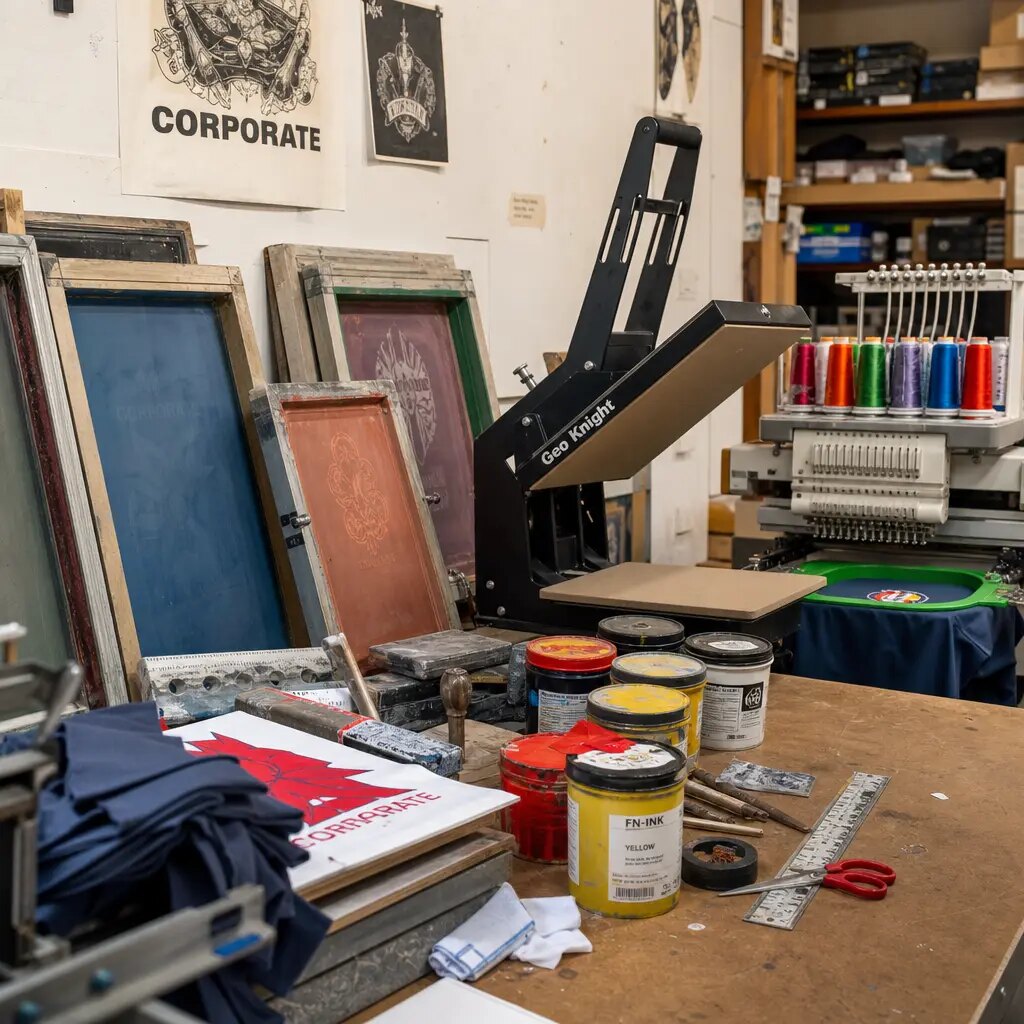
Screen printing is usually the safest method for solid hotel logos, simple icons, line art, and one to three color designs. It gives a clean surface, predictable color, and good repeatability when the artwork is prepared correctly. The buyer should define print size, number of colors, Pantone references, and whether underbase printing is needed on dyed fabric. On natural cotton, many hotel logos print well without a heavy underbase, but light colors on dark cotton need extra planning.
Heat transfer can handle gradients, photographs, small multi-color destination illustrations, and lower MOQ artwork without making several screens. It can also create problems if the transfer film feels plastic, cracks, shines too much, or blocks the natural cotton texture. Digital direct printing may be suitable for complex artwork on lighter fabrics, but the hand feel and wash performance must be approved on the exact fabric. Embroidery is durable and premium, but it can pull or pucker lighter cotton and is better for patches, small marks, or heavier canvas.
- Screen print: best for clean logos, repeat orders, and stable brand colors.
- Heat transfer: useful for complex images, but test hand feel and cracking.
- Digital print: suitable for detailed artwork on light cotton, with sample testing.
- Embroidery: premium for small logos or patches, not ideal for large thin fabric panels.
- Woven label: understated, consistent, and useful when the main bag should stay unprinted.
Cost drivers behind logo placement and decoration choices
The cheapest quoted unit price is often built from a lightweight fabric, basic cord, single-side print, bulk packing, and loose color tolerance. That may be acceptable for some programs, but it is not the same product as a retail-ready cotton backpack. For hotel retail, the cost structure usually comes from fabric weight, print complexity, reinforcement, cord material, label or hangtag requirements, and packing method. Logo placement itself is not expensive, but difficult placement can increase rejection risk and slow production.
Large logos use more ink and may need longer curing time. Multi-color logos need more screens, more registration work, and more approval checks. A small woven side label can reduce print risk but adds label MOQ and sewing operation. If the hotel group needs barcodes, retail hangtags, individual bags, or assortment packing by property, packing labor can become a meaningful part of the quote. Buyers comparing offers should line up the same assumptions before deciding that one factory is cheaper.
- Material cost rises quickly from 6 oz to 10 oz cotton because fabric consumption is the main cost.
- Each screen print color may add setup cost and registration time.
- Custom dyed fabric or custom cord color usually needs higher MOQ than standard natural cotton.
- Reinforced corners add sewing steps but reduce functional complaints.
- Retail packing, barcode labels, and inner cartons affect both labor and freight volume.
MOQ logic: why the logo method and materials change the minimum
A supplier may accept a lower MOQ for a standard natural cotton body with one-color screen print because fabric, cord, and sewing thread are already available. MOQ rises when the buyer requests custom dyed cotton, special cord color, woven labels, metal tips, branded hangtags, or multi-SKU packing. For importers and distributors, it is better to separate the base bag MOQ from the decoration MOQ in the RFQ. This shows where the real minimum is coming from.
If a hotel brand wants several property logos on the same backpack base, one sourcing strategy is to produce a larger quantity of blank bags and print by property in batches. This can work if the fabric stock, color consistency, and storage plan are controlled. The risk is that blank inventory ties up cash and later print batches may not match the first approval exactly. For seasonal retail, confirm whether partial shipments or split artwork runs are realistic before committing to a low headline unit price.
- Lowest MOQ: stock natural cotton fabric, stock cord, one-color print.
- Medium MOQ: custom logo plus woven label or hangtag.
- Higher MOQ: dyed fabric, dyed cord, custom lining, or multiple accessories.
- Split artwork runs may add screen setup charges per logo.
- Blank stock plus later printing can save time but needs storage and shade control.
Sample approval should include more than the printed front view
A proper pre-production sample for cotton drawstring backpacks should use the final fabric weight, final cord type, final reinforcement, final print method, and final packing direction. A sample made from similar fabric is useful for early sizing, but it should not be treated as final approval for retail goods. Cotton texture, shrinkage, print absorption, and seam behavior can change from one fabric lot to another.
Procurement teams should evaluate the sample in the same way the hotel guest or retail buyer will see it. Fill the bag with typical contents, pull the cords closed, hang it from a display hook, fold it into the proposed retail pack, and rub the printed area lightly against another bag. Many placement problems appear only after these practical checks. A print strike-off is also valuable when brand color matters, because photos rarely show the true ink shade on natural cotton.
- Measure logo center from side seams and bottom seam on the finished sample.
- Photograph the sample flat, filled, hanging, and closed for approval records.
- Check whether the drawstring tunnel causes wrinkles over the artwork.
- Rub the print surface after curing to detect poor adhesion or offset risk.
- Keep one signed sample with the buyer and one sealed sample at the factory.
Quality thresholds that prevent retail complaints
For hotel retail, quality complaints usually come from visible issues: crooked logos, dirty natural cotton, uneven stitching, weak cord corners, color mismatch, and poor packing marks. The purchase order should define measurable acceptance criteria. A logo that is off-center by 12 mm may be unacceptable on a clean front panel even if the bag is functional. A cord corner that tears under normal use damages the brand more than a small sewing thread end.
Common tolerances need to be realistic for sewn cotton goods. Finished size tolerance may be around plus or minus 1 cm, depending on fabric and construction. Logo position tolerance often needs to be tighter, such as plus or minus 5 mm from approved placement, because the eye catches misalignment easily. Print defects should be classified clearly: minor pinholes inside a textured cotton surface are different from smears, double images, or ink transfer marks visible at arm’s length.
- Logo position: define tolerance from center line and lower reference point.
- Print appearance: no smearing, ghosting, cracking, major pinholes, or offset marks.
- Seams: no skipped stitches, open seams, or broken bartacks at cord exits.
- Cleanliness: natural cotton should be free from oil marks, colored yarn contamination, and dirty handling stains.
- Function: cords should slide smoothly and carry normal filled-bag weight without tearing corners.
Packing choices for hotel shops, room drops, and distributor cartons
Packing should be decided before the quote, not after production. A hotel shop may need each backpack folded neatly with a hangtag, barcode sticker, and recyclable polybag or paper band. A room drop program may prefer bulk packing by property, with inner cartons counted for housekeeping distribution. A distributor may need master carton labels, mixed SKU packing, and carton weights that match warehouse handling rules.
Cotton drawstring backpacks with printed logos need enough curing and cooling time before packing. If bags are stacked too tightly after printing, ink can offset onto the back of another bag or create shiny pressure marks. Natural cotton also absorbs moisture, so export cartons should be protected from damp storage and over-compression. Buyers should specify carton quantity and folding direction when the printed logo must appear clean after unpacking.
- Bulk pack: lowest cost, suitable for internal distribution or repacking.
- Individual polybag: protects print and fabric, useful for retail but may conflict with plastic reduction policies.
- Paper belly band: better presentation, less protection against moisture and rubbing.
- Hangtag and barcode: needed for retail POS but requires artwork and placement approval.
- Inner cartons: helpful when hotel properties or distributors need controlled allocation.
Lead time risks specific to logo placement and cotton backpack production
Lead time is not only sewing time. The schedule includes artwork checking, fabric availability, sample making, sample shipment, buyer comments, print screen preparation, cutting, printing, curing, sewing, trimming, inspection, packing, and export documentation. If the logo placement is not approved early, the factory may not be able to cut and print efficiently. Printed panels are often decorated before final sewing, so a late logo change can create waste or force a restart.
The biggest schedule risks are custom dyed fabric, slow artwork approval, unclear Pantone targets, revised logo sizes, and packing changes after goods are finished. For hotel retail programs tied to opening dates, seasonal tourism, conferences, or holiday gifting, buyers should freeze the logo layout before bulk materials are cut. A realistic RFQ should request lead time by stage, not only one final shipment date.
- Artwork review: confirm vector file, Pantone colors, and placement drawing.
- Sample stage: allow time for print strike-off and full pre-production sample approval.
- Bulk production: printing and curing must fit the sewing schedule.
- Packing approval: hangtags, barcodes, and carton labels can delay finished goods.
- Shipment planning: heavier canvas increases carton weight and may change freight decisions.
Specification comparison for buyers
| Spec decision | Recommended option | When it fits | Buyer risk to check |
|---|---|---|---|
| Main logo position | Centered on front panel, 70-90 mm below drawstring tunnel | Hotel retail, spa shops, resort welcome bags, and gift-with-purchase programs where the bag hangs or folds upright | Logo placed too high can be hidden by gathered fabric when cords are pulled closed |
| Logo size on standard adult bag | 180-240 mm wide for single front logo on a 38 x 42 cm bag | Readable branding without making the bag look like a billboard in boutique retail | Oversized artwork may distort over seam movement or lose sharpness on textured cotton |
| Fabric weight | 8 oz to 10 oz cotton canvas, roughly 270-340 GSM | Retail sales, hotel amenity kits, and repeated guest use | Thin 5 oz fabric may reduce unit cost but can look promotional rather than retail-ready |
| Print method | Screen print for solid hotel logos; heat transfer only for complex gradients or small MOQ artwork | Clean one to three color branding with stable repeat orders | Transfers can feel heavy on cotton and may require wash/rub testing before approval |
| Cord type and color | Natural cotton cord or flat cotton tape matched to body or logo color | Premium hotel retail where touch and appearance matter more than lowest cost | Polyester cord can be cheaper but may look mismatched against natural cotton body fabric |
| Logo location alternative | Woven side label or lower corner print for understated luxury programs | High-end hotel shops, spa merchandise, and co-branded retail where subtle branding sells better | Small labels need exact artwork size; thin text may not weave clearly below 1.5 mm stroke |
| Bottom reinforcement | Bartacked cord exit points with fabric patch or metal eyelet | Bags expected to carry towels, slippers, retail items, or local souvenirs | Weak corner construction causes returns faster than print defects in real guest use |
| Packing method | Individually folded in recyclable polybag or paper belly band by retail requirement | Hotel shop shelf display, amenity room delivery, or distributor carton picking | Tight packing before ink cure can cause offset marks, especially on dark print over natural cotton |
Buyer checklist before sampling
- Define the final selling or use scenario: hotel shop retail item, guest welcome bag, spa kit, event merchandise, or distributor stock.
- Select the body size before approving logo size; do not scale artwork from a tote bag without checking the drawstring closure area.
- Specify fabric weight in oz and GSM range, not only the word cotton or canvas.
- Confirm whether the logo should remain visible when the backpack is full, flat, hanging, and pulled closed.
- Provide vector artwork with Pantone references and minimum acceptable logo width in millimeters.
- Approve a physical pre-production sample with real fabric, real cords, and the final print method.
- Set print position tolerance, color tolerance, and acceptable registration limits in the purchase order.
- Require cord exit reinforcement details, such as bartack, fabric patch, or eyelet, for backpacks intended for repeated use.
- Decide retail packing before quotation: bulk pack, individual polybag, paper band, barcode sticker, hangtag, or inner carton packing.
- Include carton marking, carton quantity, and target carton weight if the shipment will go through hotel group distribution centers.
Factory quote questions to send
- What cotton fabric options do you recommend for this bag size, and can you quote both 8 oz and 10 oz versions with GSM range?
- What is the maximum clean print area on the front panel after allowing for drawstring tunnel, side seams, and bottom cord exits?
- Which print method are you quoting, and how many colors, screens, setup charges, and artwork separations are included?
- Can the logo remain centered after sewing and cord installation, and what placement tolerance do you use in mass production?
- What reinforcement method is included at the lower cord corners: bartack only, patch plus bartack, metal eyelet, or another construction?
- What is your MOQ for custom fabric color, custom cord color, woven label, screen print, and individual retail packing?
- What sample stages are included: blank size sample, print strike-off, full pre-production sample, or only one approval sample?
- What test can you provide for print rubbing, wash fastness, seam strength, and cord pull strength?
- How many pieces per export carton, what is the estimated carton size and gross weight, and can you keep cartons under our warehouse handling limit?
- What is the estimated lead time after artwork approval, sample approval, deposit, and final packing confirmation?
Quality-control points to confirm
- Front logo center position should be measured from both side seams and the bottom seam; tolerance commonly needs to stay within plus or minus 5 mm for retail appearance.
- Top logo clearance should allow at least 70 mm below the drawstring tunnel on a standard 38 x 42 cm bag so the design is not swallowed by gathered fabric.
- Print color should be matched against approved Pantone or approved physical strike-off under consistent light, not only by phone photo.
- Screen print surface should show no pinholes, cracking, smearing, ghosting, offset transfer, or heavy ink build-up that stiffens the bag face.
- Drawstrings should move smoothly through the tunnel without tearing the seam or twisting excessively after repeated opening and closing.
- Lower cord exits should withstand pulling without fabric tearing; check bartack density, patch alignment, and eyelet setting if used.
- Finished size should be checked after sewing and pressing, with practical tolerance stated in the PO, often plus or minus 1 cm for cotton bags.
- Carton packing should prevent logo rubbing, moisture exposure, and over-compression that creates permanent creases across the print.