Start With The Hotel Retail Launch Date, Not The Factory Sewing Date
For cotton drawstring backpacks sold through hotel retail, the useful planning date is the in-store date, not the date the factory says production can finish. Procurement teams often receive a quote showing 20 to 30 days production, then discover that artwork approval, sampling, fabric preparation, inspection, vessel departure, customs clearance, and warehouse receiving add another month or more. A realistic plan works backward from the date the hotel gift shop, resort boutique, spa desk, or opening event needs sellable stock on hand.
A standard cotton drawstring backpack project should usually be planned as a 45 to 70 day workflow from approved artwork to hotel warehouse when sea freight is involved. Air freight can shorten the shipping section but does not remove the need for sample approval, fabric booking, printing setup, or final inspection. For launch-sensitive hotel retail, the biggest mistake is treating the supplier’s production lead time as the whole calendar.
- Use the hotel retail arrival date as the master deadline.
- Add a buffer for sample revisions if the logo color, cord style, or bag size is new.
- Reserve time for hotel buyer approval, not only factory sample production.
- Treat freight and customs as schedule items, not afterthoughts.
- Lock artwork before bulk fabric cutting when print placement affects panel layout.
Choose Cotton Fabric Weight Based On Retail Use
Cotton drawstring backpacks for hotel retail sit between promotional bags and heavier canvas day bags. A 5 oz or 140 gsm cotton bag may work for a low-cost giveaway, but it often looks too thin for a paid retail item. For most hotel shops, 8 oz to 10 oz cotton canvas, roughly 270 to 340 gsm, gives a better balance of price, structure, print coverage, and perceived value. If the bag is expected to carry beach towels, sandals, spa products, or packaged souvenirs, the fabric should not collapse like a laundry pouch.
Heavier fabric is not always better. A 12 oz canvas backpack looks premium, but it increases material cost, carton weight, sewing time, and sometimes cord strain because the top channel becomes bulkier. It may also require stronger needles and slower sewing speed. The RFQ should state the fabric target in GSM or oz, whether the cotton should be natural, bleached, dyed, organic, recycled blend, or conventional, and whether the surface should be suitable for detailed printing.
- 5 oz to 6 oz: suitable for budget amenity or event giveaway use, not ideal for paid retail.
- 8 oz: good entry retail weight for natural cotton backpacks with simple screen print.
- 10 oz: stronger retail feel, better for resort shops and reusable guest merchandise.
- 12 oz: premium look but higher cost, weight, and sewing complexity.
- Natural cotton may show seed specks; bleached cotton gives cleaner print contrast.
Build The Schedule Around Printing, Not Only Sewing
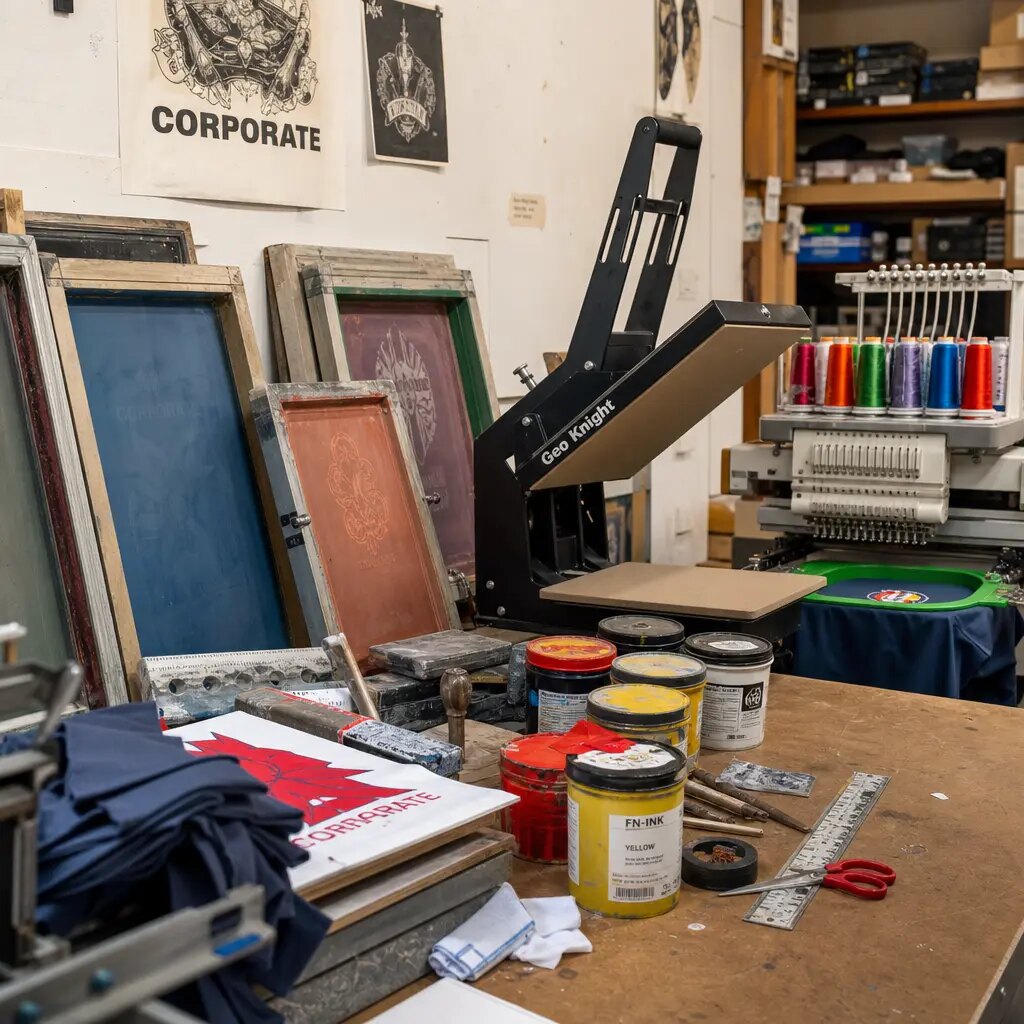
Printing is often the part that creates hidden lead time. A one-color screen print on natural cotton is straightforward when the buyer supplies vector artwork and Pantone references. A multi-color destination illustration, gradient sunset, small text, or full-color hotel property graphic may need heat transfer, digital print, or a hybrid method. Each method changes proofing time, cost, hand-feel, wash resistance, and rejection risk.
For hotel retail, the print must look clean on a shelf and survive normal guest use. Screen printing is usually the practical choice for solid logos, property names, and simple line artwork. Heat transfer can reproduce detailed graphics but may feel less natural on cotton and can crease if packed too tightly. Digital printing can be useful for lower volumes or detailed artwork, but buyers should confirm color fastness, fabric pretreatment, and whether the print area changes the fabric hand.
- Screen print: economical for 1 to 3 solid colors and stable repeat orders.
- Heat transfer: useful for gradients and detailed art, but packing pressure must be controlled.
- Digital print: good for complex images and smaller runs, but confirm color and wash performance.
- Embroidery: premium but slower, heavier, and less suitable for large front graphics.
- Woven label: useful for subtle branding when front panel artwork changes by property.
Make MOQ Logic Visible Before Comparing Quotes
MOQ problems usually appear when a hotel group wants several property logos or colorways under one purchase order. A supplier may quote based on 3,000 pieces total, but the real production logic may require a minimum per fabric color, per logo artwork, per print setup, or per delivery destination. If the RFQ only says “3,000 cotton drawstring backpacks,” the quotes may look comparable while the assumptions are completely different.
A better RFQ breaks the quantity into production units. For example, 1,000 natural cotton bags with a blue resort logo, 800 black cotton bags with a white city hotel logo, and 1,200 ecru bags with a spa logo are not the same as 3,000 identical bags. Each artwork needs setup, proofing, color matching, and packing separation. MOQ flexibility may be possible, but the buyer should expect unit price changes when splitting runs.
- List quantity by fabric color, artwork, size, and packing style.
- Request the price impact for 500, 1,000, 3,000, and 5,000 pieces when demand is uncertain.
- Separate one-time print setup or screen charges from repeat-order unit price.
- Confirm whether leftover fabric or stock fabric can reduce MOQ.
- Avoid approving a total MOQ without knowing the minimum per SKU.
Approve Samples In The Right Order
A printed sample is not always the first sample a buyer needs. If the backpack size, fabric weight, cord type, or seam construction is new, a plain construction sample can prevent expensive corrections later. This sample should verify the finished dimensions, shoulder comfort, cord length, top channel width, side seam strength, and bottom corner reinforcement. Once construction is approved, the printed sample can focus on artwork, color, position, and print hand-feel.
Hotel retail teams often need internal approval from merchandising, brand, operations, and sometimes the property general manager. Build that approval time into the schedule. A factory may produce a sample in five to seven days, but the buyer’s internal review can take another week if the sample must travel between offices or properties. The sample approval email should be specific enough to become the production reference.
- Measure finished width and height after sample sewing.
- Load the sample with realistic contents such as towel, bottle, sandals, or retail product.
- Pull the cords at shoulder-carry angle, not only straight upward.
- Rub the print surface after curing to check poor adhesion.
- Photograph and sign off the approved sample with date, revision, and artwork file name.
Define Construction Details That Affect Both Lead Time And Returns
Cotton drawstring backpacks look simple, but small construction choices decide whether the bag survives retail use. The common weak points are the cord exits, lower corners, top channel seam, and side seam near the opening. If the buyer wants the backpack to carry real resort items, the RFQ should specify double stitching, reinforcement patches or bar tacks, suitable stitch density, and cord diameter. A low quote may remove these details without showing them clearly.
Drawcord style also affects comfort and appearance. Cotton cord gives a natural look that matches canvas, while polyester cord may slide more smoothly and resist moisture better. Flat cotton tape can feel more comfortable on shoulders but changes the look and requires a wider channel. Metal eyelets can look clean, but they may pull through thin fabric if not reinforced. Stitched buttonholes or fabric loops may be more appropriate for natural cotton retail bags.
- Side seams should be double stitched or overlocked plus top stitched for stronger retail use.
- Bottom cord anchor points should use reinforcement stitching or fabric tabs.
- Top channel width should match cord diameter without bunching.
- Cord ends should be knotted, tipped, or finished consistently.
- Stitching should not pucker the print panel or distort the bag shape.
Use Quote Data To Find Hidden Cost Drivers
The lowest unit price is not always the lowest landed cost. Cotton drawstring backpack quotes should show enough detail to reveal what the factory included. Fabric weight, print method, number of colors, sample charges, packing method, carton quantity, inspection standard, and freight term all affect the final cost. If one supplier includes individual polybags, hangtags, barcode labels, and export cartons while another quotes bulk loose packing, the unit prices are not comparable.
For hotel retail buyers, landed cost should include the cost of making the product sellable at the destination. A bag that arrives without the correct barcode, hangtag, carton marks, or inner packing may require repacking at the hotel warehouse or distributor facility. That labor can erase the savings from a cheaper factory quote. RFQs should request the assumptions behind the price, not only the headline unit cost.
- Separate bag unit cost from print setup, sample cost, packing cost, and freight estimate.
- State whether the price is EXW, FOB, CIF, DDP, or another agreed freight term.
- Request carton dimensions, gross weight, and quantity per carton for freight comparison.
- Clarify whether retail labels, hangtags, barcode stickers, and inserts are included.
- Compare the cost of air freight only for urgent top-up quantities, not the whole order by default.
Plan Packing For Hotel Warehouses And Retail Shelves
Packing is part of the product experience in hotel retail. Natural cotton backpacks can wrinkle, absorb moisture, and show dirt if packed carelessly. Printed panels can stick, crease, or mark if the ink is not fully cured or if cartons are over-compressed. A simple bulk pack may be acceptable for back-of-house amenity distribution, but paid retail items often need cleaner folding, consistent presentation, and barcode-ready units.
The best packing method depends on the selling channel. A resort boutique may want each backpack folded with a belly band or hangtag. A distributor may prefer inner cartons by SKU for easier receiving. A hotel group sending product to multiple properties may need carton marks showing property name, SKU, quantity, and purchase order. These packing details must be specified before quotation because they affect labor, carton size, and lead time.
- Flat pack 50 to 100 pieces per carton for standard cotton drawstring backpacks.
- Use moisture protection for natural cotton during sea freight and humid storage.
- Avoid over-compression when using heat transfer or heavy ink coverage.
- Separate SKUs by carton unless the buyer approves mixed cartons.
- Include carton marks that match the hotel receiving and distribution plan.
Set QC Thresholds Before Bulk Production Starts
Quality control is easier when the supplier and buyer agree on measurable limits before production. Cotton fabric can have minor natural slubs, seed specks, and shade differences, especially in unbleached fabric. These may be acceptable if the hotel retail concept is natural and eco-oriented, but oil stains, mildew odor, broken yarns, severe shade panels, crooked print, and weak seams should not pass. The approved sample should become the visual reference for both sides.
Inspection should cover material, measurement, printing, sewing, packing, and carton condition. For retail buyers, the practical question is whether the product can be placed on the shelf without rework. AQL levels may be used by third-party inspectors, but the buyer should also define product-specific defects such as twisted cords, uneven top channels, print offset beyond tolerance, loose threads on the front panel, and incorrect barcode labels.
- Finished size tolerance: commonly plus or minus 1 cm unless otherwise agreed.
- Print position tolerance: define acceptable deviation from top edge and side seam.
- Cord pull strength: test repeated pulling at the actual shoulder-carry angle.
- Color standard: compare against Pantone or approved physical sample.
- Packing audit: verify SKU separation, carton marks, barcode accuracy, and carton strength.
Protect The Calendar Against Common Schedule Risks
Most late cotton drawstring backpack orders are not late because sewing is difficult. They are late because decisions arrive in the wrong order. Artwork changes after screen making, fabric color changes after dyeing, late barcode files, unclear packing instructions, and delayed sample approval all push the shipment. During peak seasons, factories also allocate production lines to orders with complete approvals and deposits first.
A reliable schedule uses decision gates. Before sample production, the buyer should freeze size, fabric, cord, and artwork direction. Before bulk cutting, the buyer should approve the physical sample and final artwork. Before packing, the buyer should release carton marks, barcode files, hangtag artwork, and shipping instructions. This workflow gives the factory a clean production file and gives the buyer better control over delays.
- Freeze fabric and size before the construction sample.
- Freeze Pantone colors and artwork dimensions before print proofing.
- Approve the pre-production sample before bulk cutting or printing.
- Release packing files before production reaches the folding stage.
- Book inspection before the factory completes all cartons, so defects can still be corrected.
Specification comparison for buyers
| Spec decision | Recommended option | When it fits | Buyer risk to check |
|---|---|---|---|
| Fabric weight | 8 oz to 10 oz cotton canvas for most hotel retail backpacks | Gift shops, resort retail, welcome kits, spa merchandise, and light souvenir use | Too-light 5 oz cotton can look like a promo giveaway and may fail at cord exit points under retail use |
| Bag construction | Double-stitched side seams with reinforced bottom corners or bar tacks | Retail products expected to carry towels, sandals, brochures, light apparel, or amenity items | Single stitching may quote cheaper but can split after filling, especially if the bag is packed tightly in cartons |
| Drawcord material | 5 mm to 7 mm cotton cord or flat cotton tape matched to bag weight | Hotel retail buyers wanting a natural look and comfortable shoulder feel | Thin rope saves cost but digs into shoulders and can fray at metal or stitched eyelets |
| Printing method | Screen print for 1 to 3 solid colors; heat transfer only for gradients or fine full-color art | Resort logos, property names, simple line artwork, seasonal icons, or destination graphics | Complex artwork can add proofing days and increase rejection risk if Pantone colors are not defined |
| MOQ planning | Separate MOQ by fabric color, print artwork, and size instead of total order only | Multi-property hotel groups ordering similar bags with different logos | A supplier may accept the total volume but price each logo/colorway as a separate production setup |
| Sample route | Plain construction sample first, then printed pre-production sample when schedule allows | New bag size, new cord style, new fabric GSM, or first order with a factory | Skipping construction approval can cause late disputes over bag size, drawcord length, or seam strength |
| Packing format | Flat packed 50 to 100 pcs per export carton with moisture control for natural cotton | Retail distribution where cartons move through hotel warehouses or third-party logistics | Over-compressed cartons can crease prints, deform cords, and create uneven retail presentation |
| Lead time buffer | Plan 45 to 70 days from approved artwork to hotel warehouse for standard sea freight projects | Seasonal hotel retail launches, opening programs, and destination merchandise drops | Counting only sewing days ignores fabric booking, print proofing, inspection, vessel schedule, and customs clearance |
Buyer checklist before sampling
- Define the selling use: souvenir retail, welcome amenity, spa kit, event merchandise, or in-room purchase item.
- Specify finished size, fabric GSM or oz, cotton type, shrinkage tolerance, drawcord material, cord diameter, and reinforcement points.
- Separate quantities by property logo, fabric color, print color, and delivery destination so the MOQ and setup charges are visible.
- Provide vector artwork with Pantone references, print size in centimeters, print position from bag edge, and whether the design must survive washing.
- Approve a physical sample for size, seam strength, cord comfort, print color, print hand-feel, and carton presentation before bulk production.
- Reserve schedule time for fabric dyeing or greige fabric booking, printing screens or transfers, production queue, QC inspection, packing, freight, and customs.
- State carton limits, polybag policy, barcode or hangtag requirements, carton marks, and whether units must arrive retail-ready.
- Require quote data that separates unit price, printing setup, sample cost, carton packing, inner packing, freight term, and estimated production lead time.
Factory quote questions to send
- What fabric weight are you quoting in GSM and oz, and is it stock fabric or made-to-order fabric?
- Is the quoted MOQ based on total order quantity, each fabric color, each print artwork, or each delivery destination?
- Which print method is included, how many colors are included, and what is the maximum print size before price changes?
- How many days are required for plain sample, printed sample, bulk material preparation, sewing, printing, packing, and final inspection?
- What seam construction, stitch density, reinforcement method, and drawcord diameter are included in the quoted price?
- What shrinkage, size tolerance, print position tolerance, and color tolerance will be used for final QC?
- What carton size, gross weight, pieces per carton, moisture protection, and retail packing method are assumed?
- Can you provide photos or videos of similar cotton drawstring backpack production, print testing, and packed cartons before shipment?
- What changes would trigger a revised price or lead time after sample approval?
- Which freight term is quoted, and what export documents, HS code guidance, and carton mark information are included?
Quality-control points to confirm
- Finished size tolerance should normally be controlled within plus or minus 1 cm for standard backpack dimensions unless the design requires tighter retail display consistency.
- Fabric weight should be verified by GSM or oz before cutting, not estimated from hand-feel after bags are sewn.
- Print color should be compared against approved Pantone or signed physical sample under consistent lighting.
- Print placement should be checked from the top edge and side seam, with misalignment limits agreed before bulk inspection.
- Cord exits, bottom corners, side seams, and top channel stitching should be pull-tested because these are the most common failure points.
- Drawcord length should allow comfortable shoulder carry without excessive loose ends that create a messy retail appearance.
- Natural cotton bags should be checked for stains, oil marks, weaving slubs, broken yarns, odor, and moisture before packing.
- Carton drop resistance, carton weight, and stacking stability should be suitable for hotel warehouse handling and onward retail distribution.