Start With Retail Use, Not GSM
Cotton drawstring backpacks for hotel retail sit in a narrow space between souvenir merchandise, guest convenience, and repeat-use travel gear. A backpack sold beside spa products or resort apparel needs to feel better than a giveaway pouch, but it still has to hit a retail price that allows the hotel, distributor, or importer to keep margin. Fabric weight is one of the first decisions because it affects handfeel, durability, print result, carton volume, and landed cost.
The common buying mistake is treating GSM as a simple quality ladder. Heavier is not automatically better. A 10 oz cotton canvas backpack may look premium, but it can be too bulky for compact hotel retail shelves and more expensive to ship. A 5 oz or 6 oz cotton bag may meet a low target price, but it can collapse on the shelf, show contents through natural fabric, and create complaints if guests use it for towels, water bottles, or small purchases. The right specification starts with the expected use and retail price, then works backward to fabric, construction, print, and packing.
- For light amenity or promotional retail: consider 5 oz to 6 oz cotton, but reinforce the cord exits.
- For normal hotel boutique resale: 8 oz cotton canvas is usually the balanced starting point.
- For premium resort or outdoor use: 10 oz cotton canvas can work if the price point and freight budget support it.
- For soft lifestyle retail: washed 8 oz canvas often sells better than stiff unwashed heavier fabric.
How Fabric Weight Changes the Bag
Fabric weight for cotton drawstring backpacks is usually quoted in ounces per square yard or GSM. Importers should request both, because suppliers in different regions may use different habits and some quotations use rounded marketing descriptions. As a practical reference, 5 oz is around 170 GSM, 6 oz is around 200 GSM, 8 oz is around 270 GSM, and 10 oz is around 340 GSM. Actual values vary by weave and finishing, so the purchase order should state the acceptable tolerance.
The weight affects more than material cost. Lighter fabric is faster to cut and sew, folds smaller, and usually reduces carton volume. Heavier canvas creates a stronger body and better shelf presence, but it slows sewing, uses stronger needles, and may require upgraded cord, tabs, and seams. If the factory keeps the same thin cord and simple bottom corner on a heavier body, the bag may still fail at the drawcord exit instead of the fabric panel.
- 5 oz to 6 oz: lower cost, suitable for light contents, but weaker shelf structure and more transparency in natural color.
- 7 oz to 8 oz: better balance for hotel retail, easier to print, and still manageable for folding and freight.
- 10 oz: stronger retail feel, good for premium positioning, but needs stronger construction and careful freight calculation.
- 12 oz and above: usually unnecessary for simple drawstring backpacks unless the design is closer to a canvas day bag.
Match Fabric Weight to Hotel Retail Tier
Hotel retail programs are not all the same. A beach resort selling a branded cotton backpack near the pool shop has different requirements from a city hotel placing small merchandise beside the reception desk. Procurement teams should define the product tier before the RFQ goes out. Without that tier, suppliers will quote different fabric weights and the lowest price may simply be the thinnest bag.
For entry retail, a 6 oz natural cotton drawstring backpack can be acceptable if the branding is simple and the use is light. For a core retail SKU, 8 oz cotton canvas is often the safer commercial option because it has enough body to look like merchandise rather than packaging. For boutique hotel or resort collections, 10 oz cotton canvas, washed canvas, contrast cords, woven labels, or inside finishing can justify a higher selling price. The key is to align every detail, not upgrade the fabric while leaving the rest of the bag at promotional grade.
- Entry tier: 6 oz cotton, one-color screen print, simple fold packing, low SKU count.
- Core tier: 8 oz canvas, reinforced cord exits, retail barcode label, controlled carton packing.
- Premium tier: 10 oz or washed 8 oz canvas, upgraded cords, woven side label, better finishing, stricter inspection.
- Multi-property tier: one shared body construction with property-specific print or label changes to protect MOQ efficiency.
Construction Details That Matter
A drawstring backpack looks simple, but the weak points are predictable. Failures usually appear at the drawcord channel, bottom cord exit, side seam, and print panel. The heavier the expected load, the more important these details become. Buyers should specify the construction in words and photos, not only approve a front-view product image.
For hotel retail, bottom reinforcement is especially important because guests often use the bag casually after purchase. A metal eyelet can look neat, but it must be properly set and matched to the fabric thickness. A sewn fabric tab can be stronger and quieter, especially on natural cotton styles, but it adds labor and changes the look. The drawcord should also match the product tier. A thin polyester cord may be fine on a light promotional bag, while cotton rope or thicker polyester cord gives a better shoulder feel on an 8 oz or 10 oz retail backpack.
- Specify drawcord diameter and material instead of accepting a generic 'matching cord'.
- Use reinforced tabs or well-set eyelets for 8 oz and 10 oz bags.
- Keep the drawcord channel seam straight and wide enough for smooth closing.
- Avoid placing large prints too close to drawcord channels or side seams where distortion is likely.
- Set stitch density and seam allowance expectations if the bag will carry towels, bottles, or retail purchases.
Print Method by Fabric Weight
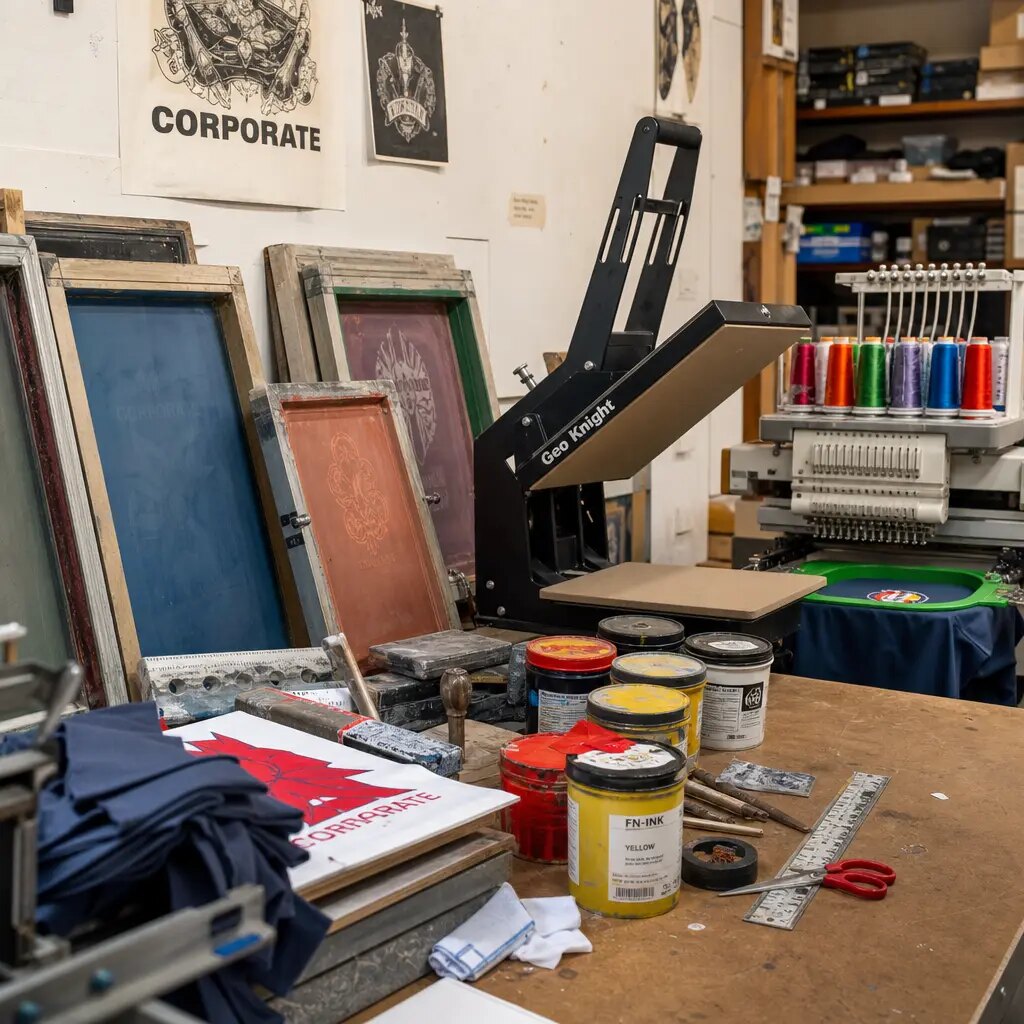
Screen printing is usually the most practical print method for cotton drawstring backpacks in hotel retail. It works well for solid hotel logos, destination graphics, simple line art, and one to three color branding. On 6 oz cotton, ink coverage should be controlled so the fabric does not feel stiff or distorted. On 8 oz and 10 oz canvas, the texture is more visible, so fine lines and small type may lose sharpness unless the artwork is adjusted.
Heat transfer can solve multi-color artwork or detailed illustrations, but it may feel less natural on cotton and can create a plastic patch effect if the design is large. Embroidery suits small premium marks, initials, or property logos, but it adds cost and may pucker lightweight fabric. Woven labels or side labels are useful when multiple hotel properties share one bag body because the main fabric can remain common while the label changes by program.
- Use screen print for clean logos, bold graphics, and strong unit cost control.
- Use embroidery only on stable fabric weights, usually 8 oz and above, and keep the design compact.
- Use heat transfer for detailed multi-color artwork, but test handfeel and edge durability.
- Use woven side labels for subtle branding, premium positioning, or multi-property flexibility.
- Approve print size on the actual bag shape, not only on a flat artwork proof.
MOQ Logic and Cost Drivers
MOQ is often misunderstood because buyers focus on finished bag quantity while factories manage fabric, dyeing, printing, accessories, and packing materials. A factory may accept 500 pieces for a stock natural cotton bag with a one-color print, but a custom dyed 8 oz canvas body may need a much higher fabric MOQ. Multiple bag colors, many small hotel logos, and different cords can make the order inefficient even when total quantity looks reasonable.
The cleanest way to control MOQ is to standardize the body fabric and vary only the branding. For example, a hotel group can use the same 8 oz natural cotton backpack across several properties, then change the screen print color, woven side label, or hangtag. This keeps fabric purchasing efficient while allowing retail differentiation. Buyers should also separate one-time setup costs from unit prices when comparing quotes. Screen charges, sample fees, packing label artwork, barcode setup, and inland freight can change the real cost of a small order.
- Stock natural cotton usually gives the lowest MOQ and fastest sampling.
- Custom dyed fabric increases MOQ, lead time, and shade approval work.
- Multiple print artworks may be manageable if the body fabric and packing stay the same.
- Small quantity embroidery can carry high setup cost per unit.
- Retail packing materials may have their own MOQ separate from the bag factory MOQ.
Sampling and Approval Standards
A fabric swatch is not enough for approving cotton drawstring backpacks. The buyer needs a complete sample that uses the intended fabric weight, cord, reinforcement, print method, labels, folding, and packing. Many sample rooms use available fabric to save time, but that can create false confidence. If the bulk fabric will be 8 oz washed canvas, the pre-production sample should be made from that material or clearly marked as a construction-only sample.
Approval should include both appearance and function. Put realistic contents inside the sample: a towel, light apparel, a water bottle, or whatever the hotel expects guests to carry. Pull the drawcord open and closed repeatedly. Fold the bag the way it will be packed. Look at whether the print cracks on the fold line or whether the cord leaves marks on natural cotton. These simple checks catch problems before the order moves into cutting.
- Measure finished width, height, channel width, and cord length on the sample.
- Weigh a fabric cutting or request a GSM test from production fabric.
- Compare print color against Pantone or approved color target under normal lighting.
- Check whether natural cotton has unacceptable slubs, stains, or shade bands.
- Seal one approved sample for the buyer and one for the factory production team.
Packing for Hotel Retail
Packing is part of the product, especially when cotton drawstring backpacks are sold in hotel shops or distributed to multiple properties. Loose bulk packing may reduce cost, but it can crease the front logo, attract dust, and make receiving work harder. Natural cotton also picks up marks easily during handling. If the bag is retail-facing, the packing method should be specified in the RFQ and costed in the quote.
Common options include individual polybags, paper bands, belly bands, hangtags, barcode stickers, or folded bulk packs by SKU. A plastic-free presentation may fit some hotel brand standards, but buyers should still protect the print surface and keep the bag clean. Carton size matters because heavier canvas backpacks can increase shipping volume. Procurement teams should request pieces per carton, carton dimensions, gross weight, and carton marking details before comparing landed cost.
- Individual polybag: cleaner arrival and easier distribution, but may conflict with plastic reduction policies.
- Paper band: better retail look and less plastic, but offers less protection against dust and moisture.
- Hangtag plus barcode: useful for hotel shops using POS scanning and inventory control.
- Bulk folded by SKU: lower packing cost, suitable for back-of-house distribution, less ideal for direct retail display.
- Master carton labels: include item code, property code, color, quantity, and purchase order number.
Lead Time and Schedule Risk
Lead time depends on fabric availability, color, print complexity, sample approval, and packing materials. A natural cotton backpack using stock 8 oz canvas can move faster than a custom dyed washed canvas style with multi-color print and retail hangtags. Buyers should not treat the quoted production lead time as the full schedule. The real calendar starts with artwork preparation and ends when packed goods are ready for pickup or export.
Schedule risk usually appears in three places: fabric dyeing, artwork approval, and packing confirmation. If a hotel opening date or seasonal retail launch is fixed, the RFQ should state the required delivery window and the latest acceptable ex-factory date. The supplier can then confirm whether stock fabric, partial shipment, or simplified packing is needed. A well-written RFQ gives the factory enough information to protect the schedule before the order is placed.
- Allow time for artwork proofing before physical sampling.
- Do not start bulk fabric dyeing without approved lab dip or shade target.
- Confirm whether washing happens before or after sewing because it affects timing and measurements.
- Book inspection before carton sealing if retail packing and label accuracy are critical.
- For multi-property orders, approve all logo versions before production starts to avoid line stoppage.
Quote Data That Makes Comparison Fair
A low quote for cotton drawstring backpacks may be low because it uses thinner fabric, cheaper cord, weaker reinforcement, simpler packing, or a different print process. Procurement teams should force quotes into the same structure. The RFQ should state fabric weight, dimensions, print method, number of colors, cord type, reinforcement, labels, packing, carton data, inspection requirements, incoterm, and payment terms. Without this detail, comparing supplier offers becomes guesswork.
Landed cost should be reviewed alongside factory price. An 8 oz bag may cost more per unit than a 6 oz bag, but it may support a higher retail price and lower complaint risk. A 10 oz bag may have good margin on paper, then lose advantage through carton volume and freight. The best supplier is not always the lowest unit price; it is the supplier whose quote matches the agreed product and gives enough production evidence to reduce surprises.
- Request unit price with and without retail packing so the cost impact is visible.
- Request carton dimensions and gross weight for each fabric weight option.
- Separate screen charge, sample charge, label charge, and packing material charge.
- State the incoterm clearly, such as EXW, FOB, CIF, or DDP, so logistics costs are not mixed.
- Require the supplier to list any assumptions, substitute materials, or excluded charges in the quotation.
Specification comparison for buyers
| Spec decision | Recommended option | When it fits | Buyer risk to check |
|---|---|---|---|
| Fabric weight for entry hotel retail | 6 oz / 200 GSM plain cotton | Low-price gift shop items, amenity kits, beach towel carriers, or short seasonal programs where the bag is not expected to carry heavy goods | Can look thin under bright retail lighting; confirm opacity, seam strength, and whether dark contents show through natural fabric |
| Fabric weight for core retail SKU | 8 oz / 270 GSM cotton canvas | Most hotel boutiques, resort retail, spa merchandise, and branded guest-use backpacks needing a better handfeel without becoming bulky | If the supplier quotes only '8 oz cotton' without GSM and weave, compare actual sample weight and shrinkage after washing |
| Fabric weight for premium resort retail | 10 oz / 340 GSM cotton canvas | Higher retail price points, boutique hotel stores, outdoor resort use, or co-branded programs where durability is part of the selling point | Higher freight volume and slower sewing speed can raise total cost; check whether drawcords and eyelets are upgraded to match the heavier body |
| Fabric finish | Washed cotton canvas or soft enzyme wash after sewing | Lifestyle hotel retail where the buyer wants a relaxed, premium handfeel and less stiffness on the shelf | Washing can change shade, shrink dimensions, and soften print edges; approve a washed pre-production sample, not only a greige fabric swatch |
| Print method | Screen print for solid hotel logos; heat transfer only for small multi-color artwork; embroidery for premium small marks | Screen print is usually best for clean one to three color branding on cotton backpacks in retail quantities | Heavy ink on textured cotton can crack or feel stiff; confirm ink type, curing, washfastness, and whether print lands flat over seams |
| Drawcord and closure | Cotton rope or polyester cord with reinforced bottom tabs | Retail backpacks that guests may use for beachwear, spa items, or light shopping after purchase | Thin cord cuts into shoulders and cheap metal eyelets can pull out; test loaded wear and corner reinforcement before approving bulk |
| MOQ logic | Use one body fabric and change print colors or labels across hotel properties | Groups buying for multiple hotels, seasonal retail drops, or distributor programs needing SKU variety without high fabric waste | Too many fabric colors below fabric-dye MOQ creates surcharges, shade variation, and leftover material charges |
| Packing method | Individual recycled polybag or paper band plus master carton with size ratio labeling | Hotel retail where barcode, shelf presentation, and clean arrival matter more than lowest packing cost | Loose bulk packing can crease prints and soil natural cotton; verify carton weight, folding method, and retail label placement |
| Supplier evidence | Factory sample photos, fabric GSM test report, seam pull test record, and finished packed carton details | Importers comparing quotes from different routes and needing proof that cheaper offers match the same construction | A quote with only bag dimensions and logo price is not enough; missing construction data often hides downgraded fabric, cord, or packing |
Buyer checklist before sampling
- Define the retail selling price and expected use before selecting GSM; do not choose fabric weight only from a supplier price table.
- Specify cotton type, fabric weight in both oz and GSM, weave, color, shrinkage tolerance, and whether the fabric is washed or unwashed.
- Set finished bag dimensions with tolerance, drawcord length, cord material, bottom reinforcement method, and eyelet or tab construction.
- Send logo artwork with exact print size, Pantone references, print position, and whether the logo must remain flat after washing or folding.
- Require a physical pre-production sample using bulk fabric, bulk cord, actual print method, label, packing, and carton fold method.
- Compare quotes using the same carton quantity, packing method, incoterm, sample cost, mold or screen charge, and approval schedule.
- Add QC thresholds for GSM, fabric shade, seam strength, print adhesion, cord pull strength, measurement tolerance, and retail packing cleanliness.
- Review landed cost by volume as well as unit price; heavier cotton backpacks may cost more in freight even when factory price changes are modest.
- Reserve schedule time for fabric procurement, dyeing if applicable, print curing, sample approval, packing material printing, and final inspection.
- Keep one approved sealed sample with the buyer and one with the factory so production disputes can be judged against the same standard.
Factory quote questions to send
- What exact fabric are you quoting: cotton type, weave, oz, GSM, finished shrinkage, and whether the weight is before or after washing?
- Is the fabric stock fabric, greige fabric to be dyed, or custom woven? What MOQ applies to the fabric color, not only the finished bag?
- What construction is included at the bottom cord exit: metal eyelet, sewn tab, boxed reinforcement, or simple stitched corner?
- What drawcord material, diameter, and color are included, and can you provide a pull-strength result or loaded-use test method?
- Which print method is included in the unit price, how many colors, what print area, and are screen charges or setup costs separate?
- Will the pre-production sample use bulk fabric and bulk accessories, or will it be made from substitute sample-room materials?
- What is the measurement tolerance for width, height, and drawcord length after sewing, washing, and pressing?
- How are bags folded and packed for retail, and what carton dimensions, gross weight, and pieces per carton are expected?
- What is the production lead time after artwork approval, sample approval, deposit, and final packing confirmation?
- Which inspection points will be checked before shipment, and can failed goods be reworked before final carton sealing?
Quality-control points to confirm
- Fabric weight should be verified by cutting and weighing fabric from production, with tolerance agreed before order placement, commonly plus or minus 5 percent unless a tighter standard is specified.
- Finished dimensions should be measured after any washing or pressing process, not only after sewing.
- Side seams, drawcord channel seams, and bottom reinforcement must withstand realistic loaded use without skipped stitches, tearing, or cord pull-out.
- Print adhesion should be checked by rub test, tape pull where suitable, and fold test after curing; washed styles need extra review for print edge stability.
- Natural and dyed cotton should be inspected for shade variation, slubs, oil marks, needle holes, and color transfer risk.
- Cord length and balance should be checked on worn samples so the backpack sits correctly and does not hang unevenly.
- Retail packing should protect the front print surface and prevent cotton lint, dust, or carton rub marks from reaching the customer.
- Carton marks, barcode labels, SKU stickers, and hotel property codes should match the purchase order and packing list before shipment.