Why compliance matters for coffee roaster backpacks
For coffee roasters, a custom cotton drawstring backpack is often more than a simple promotional bag. It may be sold as branded merchandise, bundled with retail coffee, included in a subscription launch, shipped to wholesale partners, or handed out at events where the brand experience still matters. Procurement therefore has to control more than price. The order must be commercially usable on arrival, with the right fabric feel, logo execution, labeling, carton setup, and documentation for the channel where the bag will be used.
The practical compliance issue is alignment. A supplier can quote a low price and still leave important gaps: body fabric may be lighter than expected, the drawcord may be polyester when the buyer assumed cotton, printing may be subcontracted without ink evidence, or cartons may arrive without the marks required by a distributor. None of these problems is unusual when the RFQ says only natural cotton drawstring bag with logo. A custom cotton drawstring backpacks supplier compliance checklist for coffee roasters prevents those silent assumptions from turning into sample delays, rework, or unusable inventory.
This is especially important when coffee merchandise sits next to food packaging. The backpack itself is normally not food-contact packaging, but roasters still need to think about odor, loose fibers, ink transfer, damp cartons, and presentation. A bag that smells heavily of dye or solvent can create customer complaints even when the packed coffee is sealed. A bag with weak seams can damage the perceived value of the coffee bundle. Compliance, in this context, is not paperwork for its own sake. It is the discipline of making sure construction, claims, documents, and receiving requirements match the actual buying program.
- Core procurement risk: approving a price before defining fabric, cord, print, packing, and evidence requirements.
- Common supplier gap: sending certificates that do not match the production site, material set, or current order.
- Commercial impact: late re-quoting after sample review can add cost, delay shipment, and force internal teams to change launch plans.
Start the RFQ with end use and channel requirements
A strong RFQ begins with where the backpack will go, not with a generic bag description. A café giveaway, a retail merch item, a wholesale bundle, and a paid ecommerce accessory each need a different quality threshold. A low-cost event giveaway may tolerate lighter fabric and simpler packing if the bag carries only leaflets or one bag of coffee. A retail accessory sold beside premium beans needs cleaner stitching, more consistent fabric shade, better logo placement, and packaging that arrives ready for the roaster's warehouse or store teams.
Coffee roasters should also define the expected fill. A drawstring backpack that carries one 250 g coffee bag behaves differently from one carrying two coffee bags, a mug, a grinder brush, a shirt, and a brew guide. Fill weight affects bottom-corner stress, drawcord comfort, channel reinforcement, and fabric choice. If the bag will be photographed for ecommerce or displayed in-store, the buyer should also consider shape retention. Very light cotton may pack cheaply but look limp in product photography or feel disappointing when sold as merchandise.
Channel requirements should be written into the quote request before pricing. If a distributor requires carton labels, barcode stickers, individual polybags, recycled-content declarations, or social-compliance evidence, those requirements affect cost and lead time. If the brand wants to reduce plastic, the supplier needs to quote an alternative such as bulk packing with carton liners, paper belly bands, or recyclable paper sleeves. When these instructions arrive after sample approval, suppliers often treat them as change requests, and the first quote is no longer a reliable comparison.
- Identify the program type: retail merchandise, event giveaway, subscription accessory, wholesale bundle, corporate gift, or seasonal launch kit.
- State the realistic fill: coffee packs only, coffee plus mug, apparel, brewer accessories, or mixed merchandise.
- List receiving requirements early: barcode, carton mark, SKU separation, inner packing, plastic-reduction policy, and maximum carton weight.
Convert the bag idea into a measurable product spec
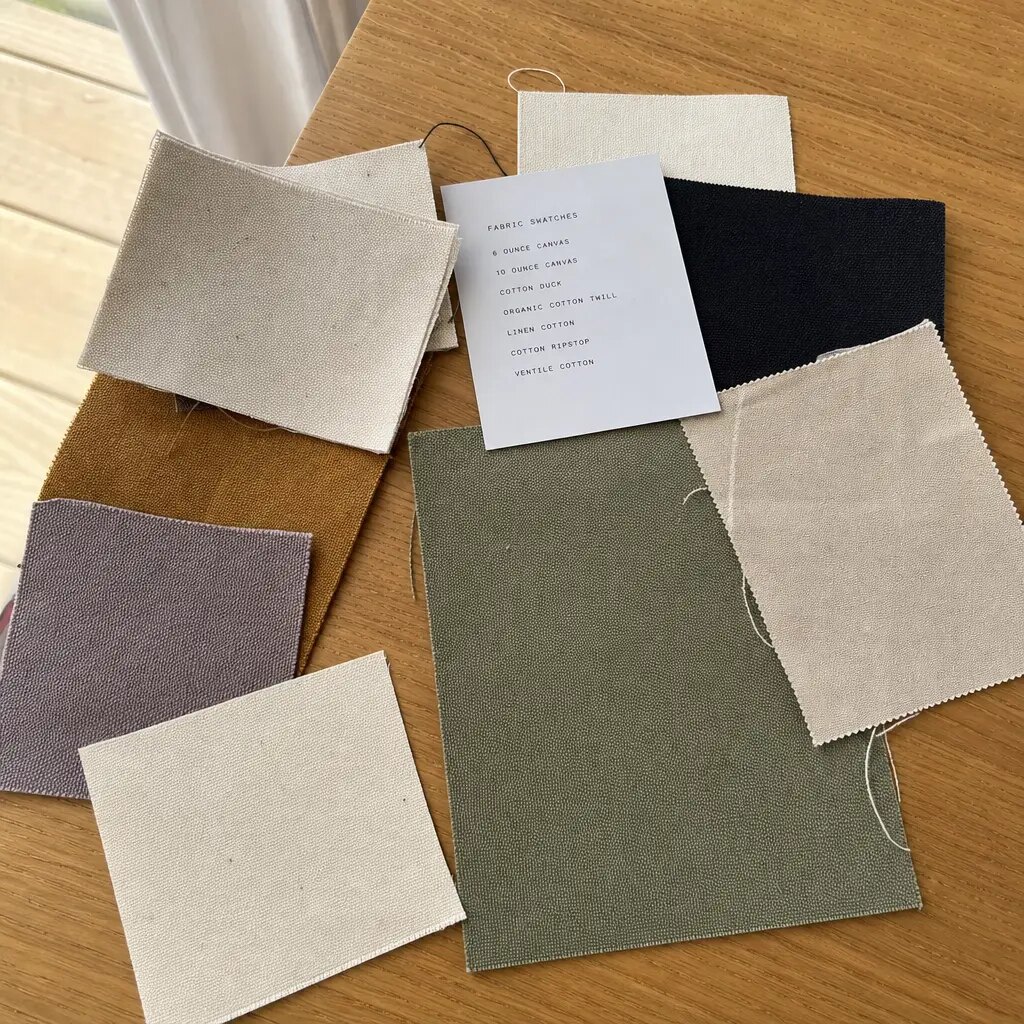
The most useful supplier comparison starts with a measurable specification sheet. For cotton drawstring backpacks, the body fabric is usually the largest cost and quality variable. Buyers should state the target GSM, construction, color, and tolerance instead of asking for cotton or canvas in general terms. In practical sourcing, 120 to 140 GSM cotton can work for light promotional use, but it often feels thin for coffee merch. A range of 180 to 240 GSM is more dependable for standard retail or gift programs. Heavier 260 to 320 GSM canvas can suit premium programs, but it increases unit cost, carton volume, and freight weight.
Size should also be defined as a finished measurement. A common backpack size might be around 38 x 42 cm, but the correct size depends on the products it will carry. Buyers should specify whether measurement is taken flat, empty, and before or after packing. The tolerance should be written plainly, such as plus or minus 1 cm for width and height. Without this, a supplier may consider a noticeably smaller bag acceptable because soft goods naturally vary.
Construction is where many apparently similar quotes separate. Procurement should decide whether the bag uses a folded top channel, reinforced channel ends, self-fabric corner loops, metal eyelets, or direct cord-through corners. Eyelets can look tidy and improve cord movement, but they introduce metal trim sourcing and inspection points. Self-fabric loops can support a cotton-only positioning, but they must be sewn strongly enough for realistic load. Seam allowance, stitch density, bottom-corner reinforcement, and cord length should be visible in the approved sample and listed in the PO.
- Promotional specification: 120 to 140 GSM cotton, simple screen print, basic cord, and wider cosmetic tolerance.
- Retail-balanced specification: 180 to 240 GSM cotton or light canvas, controlled print placement, reinforced stress points, and clean export packing.
- Premium specification: 260 to 320 GSM canvas, upgraded cord, label detail, stronger structure, and tighter visual standards.
- Useful PO tolerances: GSM plus or minus 5 percent, finished size plus or minus 1 cm, print placement plus or minus 5 mm to 10 mm depending on artwork.
Control material claims, trims, and labeling before artwork approval
Material claims are a frequent source of avoidable risk. If a roaster wants to call the backpack organic cotton, recycled cotton, undyed cotton, plastic-free, or sustainable, procurement needs to confirm exactly what the claim covers. The body fabric may qualify while the drawcord, side label, thread, ink, or packaging does not. That does not automatically make the product unusable, but it affects how the brand can describe it. Claims should be reviewed before artwork, hangtags, web copy, or distributor product data are finalized.
Even when no special fiber claim is being made, trims deserve attention. Cotton cord, polyester cord, braided cord, herringbone tape, metal eyelets, woven labels, printed care labels, and paper hangtags all create cost and compliance differences. Cord substitutions are especially common when suppliers run short of stock color. A sample may arrive with soft cotton cord, while bulk production uses a shinier polyester cord unless the PO forbids substitution. For coffee roasters that position merchandise around natural materials, that difference can be visible to customers.
Labeling should match the product's commercial channel. Retail-ready bags may need brand labels, country-of-origin markings, SKU stickers, or customer-specific carton labels. Promotional goods may need less, but the buyer still should confirm whether any sewn label, printed label, or hangtag is included. If the bag will be imported by the roaster or sold through a retail partner, legal labeling responsibilities should be checked by the buyer's compliance team. The supplier can support with placement and production, but the brand should not rely on informal supplier advice as the only legal review.
- Ask whether material claims cover the full finished backpack or only the body fabric.
- Freeze trim details: cord material, cord color, cord diameter, label type, label placement, eyelets if used, thread color, and packaging material.
- Do not approve marketing copy such as organic, recycled, plastic-free, or compostable until the evidence and scope are clear.
Choose print method by artwork, durability, and compliance evidence
Coffee roaster artwork often includes heritage marks, fine linework, badges, serif type, farm illustrations, or bold one-color logos. The print method should be chosen for the artwork and order size, not only for the lowest setup cost. For many bulk cotton drawstring backpacks, screen printing is the most predictable route for 1 to 3 solid colors. It usually gives good color density, stable cost at volume, and a direct print hand feel that suits cotton merchandise. Water-based inks can feel softer, while pigment systems may give stronger opacity on darker dyed fabric.
The supplier should state what is included in the print quote. A dark green or black cotton backpack may require a white underbase for a light logo; that adds cost, changes hand feel, and may affect drying time. A large print area across the lower half of the bag can behave differently from a small chest-position logo because drawstring backpacks wrinkle and fold during packing. Fine linework may fill in on coarse canvas. Buyers should request a strike-off on the intended fabric, not only a digital mockup or a print on unrelated stock cloth.
Compliance evidence changes with print method. If printing is subcontracted, procurement should ask where inks are mixed, who controls the color standard, and how rejected prints are handled. Heat transfer, DTF, or other transfer methods can help with small MOQs or detailed graphics, but they create a different texture and durability profile. Embroidery can look premium, but the needlework, backing, and stitch density should be reviewed so the front panel does not pucker or weaken. The best supplier is the one that explains these trade-offs clearly before bulk, not after defects appear.
- Best fit for many bulk orders: 1-color or 2-color screen print on 180 to 240 GSM cotton.
- Check before approving dark fabric: whether underbase is included, how opacity is judged, and whether the print hand feel is acceptable.
- Require print details in the quote: method, artwork size, number of colors, Pantone targets, placement tolerance, setup charges, and strike-off cost.
- For transfers or embroidery: ask for rub, peel, wash, pucker, and backing review appropriate to the product's expected use.
Build a supplier compliance evidence pack that matches the order
Procurement teams often receive a folder of certificates that looks reassuring but does not prove the right things. The first question is whether the documents match the actual production site. If a trading company quotes the order, the audit or compliance file should identify the factory that will cut, sew, print, or pack the backpack. A parent company certificate or unrelated facility record may be useful background, but it should not be treated as evidence for the current production site.
The second question is whether the documents match the product scope. A general textile test report may not cover the cotton fabric, dye, ink, cord, label, or metal eyelet used for this order. If the backpack will be sold through retailers, a buyer may need a more formal test plan covering restricted substances, colorfastness, print durability, labeling, or social compliance. If the program is a simple café giveaway, the evidence pack may be lighter, but it should still identify material specifications and workmanship controls. The aim is proportionate proof, not a paperwork pile.
A useful evidence pack for a coffee roaster usually includes the factory name and address, product specification, fabric or material declaration, print method confirmation, relevant recent test reports where required, social audit evidence if requested by the customer, sample approval records, and final inspection format. For special claims, the buyer should ask whether certification or traceability follows only the fabric roll or the finished bag. That distinction matters before a brand prints claim language on a hangtag or product page.
- Minimum useful evidence: factory name and address, production process map, fabric spec sheet, print method confirmation, trim list, and final inspection template.
- For retail or distributor orders: add social-compliance evidence, material test reports, label review, and product-scope compliance documents as required by the customer.
- Red flags: expired reports, mismatched company names, blank production addresses, documents that cover different materials, or refusal to disclose subcontracted processes.
Use staged samples to prove production readiness
A good-looking sample is not always a production-ready sample. Many sourcing issues appear because the buyer approves a backpack that was made from available sample-room fabric, then bulk production uses a different fabric lot, cord, label, or print process. The sample plan should be staged so each unknown is resolved in sequence. If size or construction is not final, start with a blank construction sample. If artwork is important, approve a print strike-off on the intended fabric. Then approve a pre-production sample made with the planned bulk fabric, cord, label, and packing method.
Coffee roasters should test samples with the actual products they intend to carry. Fill the backpack with the planned coffee bags, mug, apparel, or accessories. Close the drawcord, lift it repeatedly, and inspect bottom corners and channel ends. Check whether the cord feels comfortable, whether the printed panel creases badly, and whether the bag still looks presentable when filled. This practical review is often more useful than judging a flat sample on a desk.
Sample approval should be recorded in measurable terms. Instead of comments such as make it nicer or logo slightly higher, the buyer should record dimensions, print size, print location, cord length, label placement, and acceptable color standard. The signed sample, approved swatch card, and written approval notes should travel together into production. If the supplier sends first-piece photos from the bulk line, compare them against the same standards before full output accelerates.
- Recommended sequence: blank construction sample, fabric swatch or lab dip, print strike-off, pre-production sample, and first-piece photos from bulk.
- Approve measurable points: size, GSM, shade, print color, print placement, cord type, cord length, label position, stitch density, reinforcement, and packing fold.
- Do a real fill test with the coffee products or merchandise the backpack is expected to carry.
Compare MOQ, pricing, and supplier capacity with the same assumptions
MOQ is rarely one simple number. A supplier may offer 1,000 pcs for natural stock cotton but require 3,000 pcs for custom dyed fabric. A one-color logo may have one setup cost, while each additional artwork, print color, or SKU creates another minimum. A woven side label, custom cord color, or individual barcode sticker can also change the minimum. Buyers should ask suppliers to separate MOQ by body fabric, color, artwork, trim, and packing version, then compare the same scenario across suppliers.
A quote matrix is the cleanest way to see real value. Ask for pricing at 1,000, 3,000, 5,000, and 10,000 pcs with identical fabric, construction, print, labels, packing, and Incoterm. This shows where setup charges flatten and whether a supplier is genuinely efficient at the required volume. In cotton bag production, the move from a small order to a mid-size run can improve cutting efficiency, print setup allocation, and material purchasing. However, the lowest price at 10,000 pcs does not matter if the roaster only needs 1,500 pcs for a seasonal release.
Capacity also deserves review. A bag workshop may be excellent at construction but fully booked during holiday gift season. A low-price factory may accept the order but subcontract printing without warning. A trader may offer flexible MOQ but add communication delay when defects must be corrected. Procurement should ask for a milestone schedule and capacity confirmation after sample approval, not rely only on a headline lead time. If delivery timing is tied to a product launch, a slightly higher unit price may be justified by clearer production control.
- Request price breaks using identical assumptions at 1,000, 3,000, 5,000, and 10,000 pcs.
- Separate MOQ by fabric color, artwork, print color count, cord color, label, and packing version.
- Ask what capacity is reserved only after deposit, after sample approval, or after material purchase.
- Compare delivered usable cost, not just the first ex-factory unit price.
Write packing and logistics into the compliance checklist
Packing is often underestimated because cotton drawstring backpacks are soft goods. Yet packing choices affect freight, warehouse labor, presentation, and defect rates. Aggressive compression can reduce carton volume but may crease printed panels, distort cords, or create a poor first impression when the customer opens the carton. Loose bulk packing can reduce plastic but may increase dust, moisture, or counting issues if cartons are not controlled. Individual polybags can help retail receiving but may conflict with a brand's plastic-reduction policy. These choices should be quoted and approved, not improvised at the end.
For coffee roasters, packing may also need to fit mixed merchandise operations. If backpacks are going into subscription kits, warehouse teams may need consistent fold size and quick counting. If they are sold in retail stores, barcode stickers, hangtags, or SKU separation may be required. If goods ship to a distributor, carton labels and routing instructions may be non-negotiable. A supplier who does not understand these requirements may deliver technically acceptable backpacks that still create receiving delays or repacking costs.
Carton strength and moisture control matter for cotton goods. The buyer should define pieces per carton, carton dimensions, gross weight ceiling, carton board grade where relevant, and whether desiccant is needed. If goods travel by ocean freight or sit in humid warehouses, moisture protection should be discussed before shipment. Request packing photos before final balance payment: folded bag, inner packing, carton fill, shipping marks, and sealed cartons. These photos do not replace inspection, but they catch obvious packing mismatches before goods leave the factory.
- Common packing options: bulk packed in export carton, bundle packed, individual polybag, paper belly band, hangtag, barcode sticker, or retail-ready carton separation.
- Set handling limits: pieces per carton, carton size, gross weight ceiling, carton marks, SKU separation, and pallet instructions if needed.
- Ask for pre-shipment packing photos showing inner packing, carton fill, labels, desiccant if used, shipping marks, and sealed cartons.
Define final inspection standards before production starts
Final inspection is much more effective when the supplier knows the standard before production begins. For custom cotton drawstring backpacks, inspection should cover measurement, fabric appearance, print quality, sewing, cord function, reinforcement, labels, packing, and carton accuracy. If the buyer uses AQL, the acceptable quality level and defect categories should be listed in the PO or inspection booking. If the buyer does not use formal AQL, the inspection checklist should still define critical, major, and minor issues so disputes are not decided by opinion.
A practical QC plan includes both visual and functional checks. Inspectors should measure finished size flat, verify GSM against the approved swatch or material record, compare print color to the signed strike-off, check logo position, inspect seams and channel ends, pull on cords, and test filled samples from different cartons. They should also look for odor, oil marks, mildew, shade panels, loose threads, skipped stitches, exposed raw edges, broken eyelets, sharp trim edges, and incorrect labels. Late-stage sewing drift is real; the first 200 pieces may look better than production after the line speeds up.
Inspection should connect to corrective action. If defects are found, the supplier should sort, rework, replace, or negotiate a documented resolution before shipment. Buyers should avoid vague promises to fix next time when the current order is intended for a launch or retail program. For repeat orders, the final inspection report becomes the starting point for the next RFQ and sample approval. Over time, this creates a more stable supplier relationship because both sides know which defects matter commercially.
- Critical defects: unsafe trim, severe contamination, wrong artwork, wrong material, major odor, incorrect product identity, or unusable packing.
- Major defects: wrong size outside tolerance, weak seam, poor print adhesion, visibly off-center logo, wrong cord, missing label, or carton mispack.
- Minor defects: small thread tails, slight shade variation within approved range, minor fold creasing, or cosmetic issues that do not affect saleability.
- Require photo evidence for first-piece approval, inline findings if used, final inspection results, and packing verification.
Specification comparison for buyers
| Supplier option | What to verify | Commercial advantage | Buyer risk to control |
|---|---|---|---|
| Direct sewing factory | cord material proof, reinforcement close-ups, load-test photos, approved sample tag, and bulk-line first-piece record | Better sample-to-bulk control and faster production feedback | May be weaker on export paperwork or branded packing unless checked early |
| Trading company | Factory name, production photos, trim-source proof, and who owns QC decisions | Can coordinate small mixed orders and extra services | Markup can hide real factory capability and slow defect decisions |
| Specialized bag workshop | cord diameter, eyelet or reinforced channel, bottom corner reinforcement, seam allowance, bar-tack position, and load target | More practical for detailed construction, trims, and repeat programs | Capacity may be limited during peak seasons |
| Low-price general supplier | 6-10 oz cotton canvas, 210D polyester, rPET, or blended cotton with shrinkage and colorfastness expectations set before sampling | Useful for simple promotional runs with loose specs | Material downgrades, weak packing, and vague inspection scope can erase savings |
| Retail-ready supplier | fold direction, cord protection, bundle count, carton compression, moisture bag, and retail label position | Can handle labels, SKU separation, carton marks, and receiving rules | Higher unit cost must be compared against reduced warehouse work |
| Compliance-focused supplier | Fabric records, labeling review, test plan, and production traceability | Safer for retail programs and repeat brand orders | Documentation claims need evidence, not only sales language |
| Local sample room plus bulk factory | Signed sample, bulk factory handoff, first-piece photos, and deviation owner | Good for complex branding before large production | Sample room quality may not match bulk line unless handoff is controlled |
Buyer checklist before sampling
- Define the commercial use first: retail merchandise, gift-with-purchase, subscription accessory, distributor bundle, employee kit, trade show giveaway, or seasonal launch pack.
- State the sales channel and buyer requirements because a café giveaway, ecommerce merch item, and national-retail accessory may need different audit, labeling, and packing evidence.
- Specify cotton fabric construction in the RFQ, not just cotton bag. Include weave, target GSM, finished color, shrinkage expectation, and whether organic, recycled, or undyed claims are required.
- List finished dimensions with tolerance, for example 38 x 42 cm plus or minus 1 cm measured flat before packing, and specify channel width if cord comfort matters.
- Lock the drawcord material, color, diameter, and route. Cotton cord, polyester cord, herringbone tape, metal eyelets, and self-fabric corner loops create different cost and compliance paths.
- Define reinforcement details such as bottom corner bartacks, reinforced channel ends, backstitching, seam allowance, and whether exposed raw edges are acceptable inside the bag.
- Call out print method by artwork type: 1-color screen print, water-based print, pigment print, discharge print where suitable, heat transfer, DTF, or embroidery for premium programs.
- Send vector artwork, Pantone or brand color references, print size, print location, and acceptable placement tolerance before asking for final price.
- Request a full quote split by fabric, cutting and sewing, printing, trims, labels, packaging, sample fees, testing support, inspection cost, and shipping term.
- Ask for price breaks at 1,000, 3,000, 5,000, and 10,000 pcs using the same fabric, construction, artwork, packing, and Incoterm assumptions.
Factory quote questions to send
- Is your quote based on greige cotton dyed to shade, stock dyed fabric, natural unbleached cotton, or certified claim material, and what is the actual target GSM after finishing?
- Which processes are handled in-house and which are subcontracted: fabric sourcing, cutting, printing, embroidery, sewing, eyelet setting, metal detection if applicable, packing, and final inspection?
- What is the MOQ by body fabric color, drawcord color, artwork, print method, label type, and packing version?
- How does the unit price change at 1,000, 3,000, 5,000, and 10,000 pcs when construction and packing stay identical?
- What print method are you quoting, what is the maximum print area, how many colors are included, and is a white underbase included for dark fabric?
- What drawcord material, diameter, length, and color process are included in the base price, and do you reserve the right to substitute cord if stock changes?
- What sample stages are chargeable: blank construction sample, fabric swatch, lab dip, print strike-off, pre-production sample, counter sample, and shipping sample?
- What is your standard production lead time after deposit, artwork confirmation, material approval, and final sample approval, and which approval date starts the clock?
- What carton packing assumptions are included in the quote: pieces per carton, carton dimensions, inner bags, desiccant, carton board grade, compression limit, and shipping marks?
- Can you provide recent third-party audit or test reports relevant to cotton bags, dyes, inks, trims, and social compliance, with the factory name matching the production site?
Quality-control points to confirm
- Fabric GSM checked against the approved bulk swatch, commonly within plus or minus 5 percent unless the PO states a tighter tolerance.
- Finished size measured flat and empty, with width, height, top opening, bottom seam, and channel width checked separately against the measurement chart.
- Fabric shade compared against the approved standard under consistent light, with panels and cords reviewed for unacceptable lot-to-lot variation.
- Print position centered to approved artwork placement, with logo size, edge sharpness, opacity, registration, and color match judged against the signed strike-off.
- Print durability reviewed through rub, tape, or wash-related checks where relevant to the program, especially for darker dyed cotton or heavy ink coverage.
- Drawcord threading complete on both sides, cord length balanced, knots secure, closure smooth, and cord ends finished according to the approved sample.
- Bottom corners, side seams, and channel ends reinforced with backstitching, bartack, or specified construction method; no skipped stitches or loose thread tails in visible areas.
- No needle damage, oil marks, stains, odor, mildew risk, shade streaks, exposed raw edges in retail-visible areas, broken eyelets, sharp trim edges, or incorrect label placement.
- Random load or pull checks performed on packed or near-packed goods to catch late-stage sewing drift after production speed increases.
- Carton count, SKU separation, barcode labels, shipping marks, desiccant placement, inner packing, carton strength, and packing-list accuracy verified before seal-up.