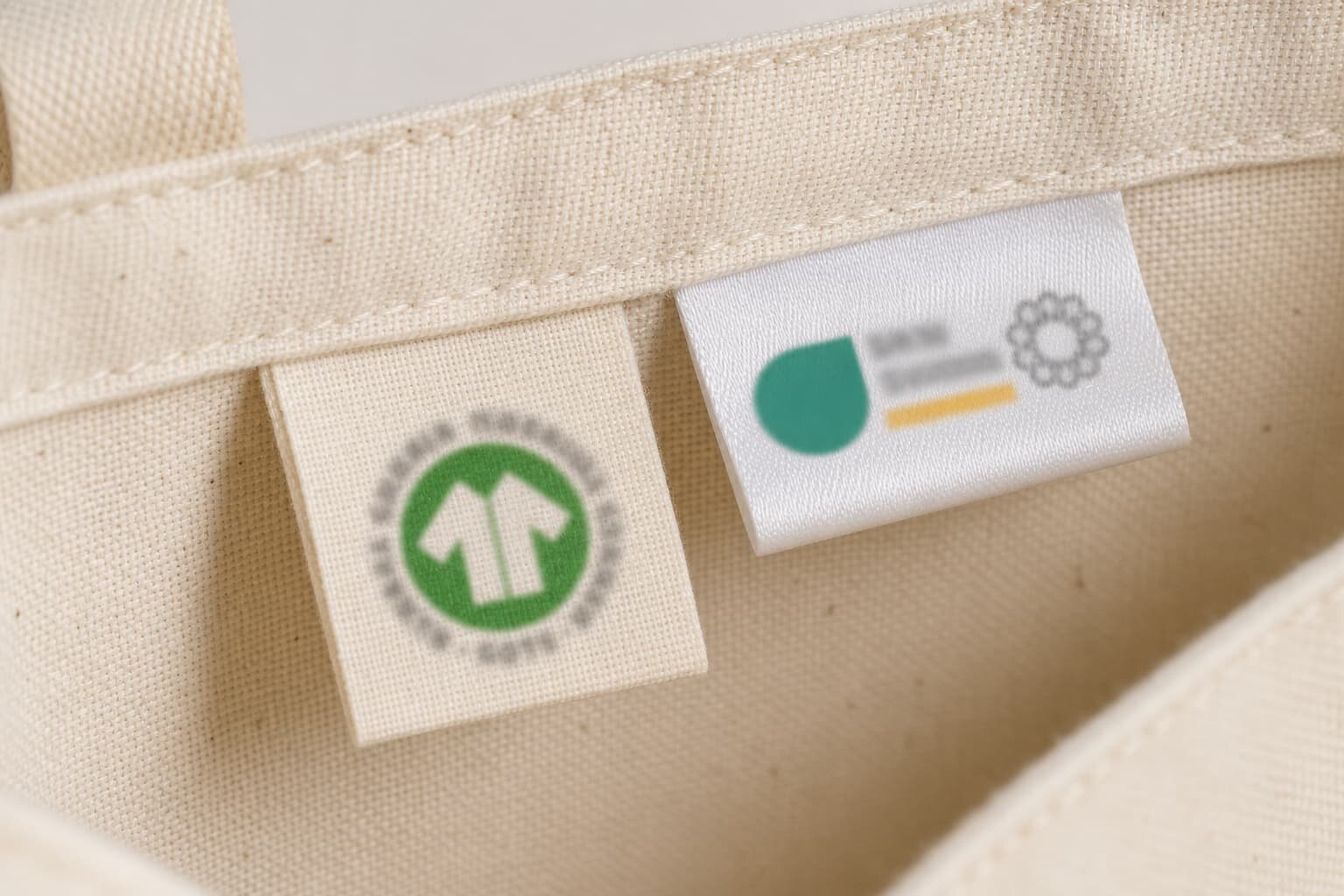
Why repeat orders of certified cotton shopping bags need a plan
A certified cotton shopping bag for procurement teams bulk reorder plan is not only about buying the same bag again. Repeat orders often fail because the first PO was handled as a campaign purchase, while the second PO is treated like a replenishment item. If the original buyer, merchandiser, or designer did not record the exact fabric, print, handle, packing, and certification details, the reorder can come back close but not identical.
For procurement teams, the real buying problem is consistency. A distributor needs the same bag to ship to multiple customers. A retail buyer needs the next store roll-out to match the previous one. A brand owner needs logo color and fabric handfeel to stay stable. The reorder plan should define which details are locked, which can be adjusted, and which changes require a new sample approval.
- Treat the approved bulk sample as a controlled item, not a casual reference.
- Keep the last PO, artwork file, packing photos, and inspection report in one sourcing folder.
- Ask the supplier to confirm whether the same fabric source and print process are still available.
- Do not approve a reorder only by unit price; compare the full specification behind the price.
Lock the product specification before asking for a reorder quote
Many reorder quotes look attractive because the supplier assumes a simpler bag than the buyer expects. A useful RFQ should start with the physical specification: finished width, finished height, bottom or side gusset, handle length, handle width, seam construction, fabric GSM, cotton color, print size, print position, and packing method. Photos help, but they cannot replace a measurement chart.
For certified cotton shopping bags, fabric weight is one of the biggest cost and performance drivers. A 140 GSM bag may be acceptable for light promotional distribution, but it may feel too thin for retail checkout. A 180-220 GSM certified cotton bag is a common middle range for shopping use. A 240-280 GSM bag feels more premium and carries more weight, but carton volume and freight cost increase. Procurement should decide the target use first, then ask the factory to quote around that use.
- Light campaign bag: 120-150 GSM, best for short-term promotional use and low carrying weight.
- Standard shopping bag: 180-220 GSM, suitable for most retail and brand programs.
- Premium reusable bag: 240-280 GSM, stronger handfeel and better structure, but higher unit and freight cost.
- Heavy canvas option: 10-12 oz canvas when the bag is a merchandise item rather than only packaging.
Define what certified cotton means in your purchase order
The word certified can mean different things depending on the buyer’s compliance requirement. Some buyers need certified organic cotton material. Some need a transaction certificate connected to the actual order. Some only need the factory to work with certified fabric from a documented source. Procurement should not assume that a factory’s general certificate automatically covers every finished bag order.
Before price comparison, write down the certification scope required by your company or retailer. If a chain of custody document is required, ask the supplier what information must appear on the PO and invoice. If the bag includes dyed fabric, printed ink, labels, or additional trims, ask whether those processes affect the certification claim you plan to make. This avoids the common problem of approving production first and discovering the documentation gap after shipment.
- State whether you need certified organic cotton, recycled content, social compliance documents, or a combination.
- Ask whether certification applies to fiber, fabric, processing, or finished goods transaction documentation.
- Confirm if logo printing, dyeing, washing, or trims are included within the certified production scope.
- Do not print sustainability claims on the bag until your compliance team confirms acceptable wording.
Use MOQ logic instead of asking only for the lowest quantity
MOQ is not a single number. For a certified cotton shopping bag, there can be a fabric MOQ, dyeing MOQ, printing setup MOQ, sewing line MOQ, and packing MOQ. A factory may accept a low bag quantity, but the price can rise sharply because fabric sourcing and print setup costs are spread over fewer pieces. This is why procurement teams should ask suppliers to break down MOQ logic, especially for a planned reorder program.
If the item will be reordered regularly, it may be better to set an annual forecast and release by shipment window. For example, a buyer might plan three quarterly shipments instead of one large shipment. The factory can then advise whether fabric can be purchased in one lot for shade consistency or whether each release will use a new fabric batch. This is a practical way to reduce price shocks and shade variation.
- Ask for MOQ at three levels: first order, repeat order, and mixed-SKU program.
- Check whether different print colors or artwork versions count as separate setups.
- Confirm whether natural cotton and dyed cotton have different MOQ requirements.
- If carton labeling changes by store or distributor, ask if there is a packing surcharge.
- For annual programs, request pricing for released shipments instead of isolated small POs.
Choose the print method around reorder consistency
For most certified cotton shopping bags, screen printing remains the most practical method for simple brand artwork. It is cost-effective for bulk quantities, stable for solid colors, and easy to repeat if screens and artwork files are controlled. Water-based inks are often preferred for a softer handfeel, but the exact ink system should be confirmed with the factory and compliance team.
Digital printing and heat transfer can be useful for complex artwork, gradients, or short campaign runs. However, procurement should test the print surface, handfeel, rubbing resistance, and wash behavior before using those methods for repeat retail programs. Natural cotton is not a pure white base, so Pantone colors may look warmer or duller than expected. A physical strike-off is more reliable than a screen proof on a monitor.
- Screen print: best for solid logos, standard bulk orders, and repeat color control.
- Heat transfer: useful for complex graphics but must be checked for cracking and edge feel.
- Digital print: flexible for detailed artwork, but not always the lowest cost for high volume.
- Embroidery: premium look, higher cost, slower production, and not ideal for very thin fabric.
- Woven side label: useful for subtle branding, but label MOQ and sewing position must be controlled.
Build sampling into the reorder workflow
A repeat order does not always need a full redesign sample, but it still needs confirmation. At minimum, procurement should request fabric confirmation, print strike-off, and a pre-production sample when there is any change in fabric lot, print color, bag size, packing, or certification source. If the supplier says everything is unchanged, ask them to send photos and measurements against the last approved sample.
The pre-production sample should be checked like a production control tool. Measure the finished size, handle drop, print position, and seam quality. Compare fabric handfeel and shade to the retained approved sample. If the bag will be used in stores, test it with the actual type of goods it will carry. This is especially important for long-handle shopping bags, because a comfortable shoulder drop on paper can feel wrong when the bag is loaded.
- Keep one approved sample at the buyer office and one at the factory.
- Record actual sample GSM if possible, because quoted GSM alone can be misleading.
- Check print color in daylight and under store-like lighting.
- Ask for the sample to be packed the same way as bulk if creasing or presentation matters.
- Sign off on sample deviations in writing before cutting bulk fabric.
Set acceptance criteria for sewing and carrying strength
The most visible defect is often print quality, but the most serious user complaint is handle failure. Certified cotton shopping bags are frequently reused, overloaded, folded, and pulled from different angles. Procurement should define reinforcement construction instead of simply saying strong handle. Common options include cross-stitch reinforcement, box-x stitching, bar tack, or additional fabric patching depending on bag design and GSM.
Measurement tolerance also needs to be realistic. Cotton fabric can shift during cutting and sewing. A typical tolerance may be different for small pouches than for large shopping bags. For a standard tote or shopping bag, buyers often define tolerance for width, height, gusset, handle drop, and print position separately. The factory should confirm what tolerance is practical for the fabric weight and sewing construction before production starts.
- Define handle drop tolerance, not just total handle length.
- Specify whether side seams are overlocked, folded, or bound.
- Check stitch density and thread color on the sample.
- Use a loaded hang test that reflects real product use, not an unrealistic claim.
- Classify open seams, broken handles, and major print misplacement as serious defects.
Plan packing for warehousing, retail allocation, and freight
Packing decisions affect cost, carton volume, receiving labor, and product appearance. A basic bulk pack may be 25 or 50 bags per inner bundle and several bundles per export carton. That is practical for distributors who will pick, repack, or resell. Retail programs may need cartons allocated by store, region, campaign code, or SKU. If this is not written in the RFQ, the quote may exclude the labor and materials required.
Carton dimensions matter for freight planning. A heavier 240 GSM bag can have a better customer feel but more carton volume. A folded bag saves carton size but may create creases across the print. Polybagging each unit can protect presentation but may conflict with a buyer’s packaging reduction policy. Procurement should request packing photos and carton data before shipment, not only after the forwarder asks for them.
- Ask for pieces per inner bundle and pieces per export carton.
- Request carton size, net weight, gross weight, and total carton count in the quote.
- Confirm whether bags are flat packed, half folded, or individually packed.
- Define carton label content: PO number, SKU, item description, quantity, destination, and barcode if needed.
- Check maximum carton weight allowed by your warehouse or retailer routing guide.
Compare quotes by total landed usefulness, not unit price alone
Two certified cotton shopping bag quotes can have the same unit price but very different commercial value. One may include certified fabric documentation, print setup, inner bundles, export cartons, carton labels, and pre-shipment photos. Another may quote only the sewn bag with basic packing. Procurement teams should normalize quotes before choosing a supplier.
A good quote should show the assumptions behind the price. Fabric GSM, fabric color, bag size, handle construction, print method, number of colors, print size, order quantity, packing method, lead time, sample cost, payment terms, and shipping term should all be visible. If any of these are missing, the buyer may be comparing a real production quote with a rough estimate.
- Separate product cost, print setup, sample cost, testing cost, and special packing cost.
- Ask whether repeat orders will use the same price if quantity and specs remain unchanged.
- Check if certification documents or transaction paperwork create extra cost or lead time.
- Ask whether the quote is valid only while current fabric stock is available.
- Compare carton volume because a cheaper thick bag may cost more to ship and store.
Build a reorder calendar that protects lead time
Lead time should be counted from the last approval, not from the day the buyer sends an inquiry. For a repeat order, the clock usually starts after deposit or payment confirmation, artwork confirmation, certification requirement confirmation, fabric availability confirmation, and packing approval. If any of these items is open, the factory cannot plan cutting, printing, and sewing accurately.
Procurement teams should work backward from the required warehouse arrival date. Include time for supplier quote, sample confirmation, document review, bulk production, inspection, export packing, shipment booking, transit, customs, and domestic delivery. If the bag supports a retail launch or seasonal campaign, add buffer for rework or document correction. A reorder plan is useful because it turns emergency buying into scheduled replenishment.
- Start reorder review before inventory reaches the emergency level.
- Use sales history and campaign calendar to forecast release quantities.
- Confirm whether national holidays, cotton supply changes, or peak export season affect capacity.
- Book inspection before goods are fully packed if print or sewing risk is high.
- Keep a reorder record showing last production date, last fabric lot if available, and approved deviations.
Specification comparison for buyers
| Spec decision | Recommended option | When it fits | Buyer risk to check |
|---|---|---|---|
| Fabric weight for repeat retail use | 180-220 GSM certified cotton, plain weave | Good balance for grocery, apparel, bookstore, gift, and event retail programs | Confirm finished bag strength after washing or pressing, not only fabric GSM on paper |
| Fabric weight for premium campaign bag | 240-280 GSM certified cotton or light canvas | When the bag is sold, reused often, or carries heavier boxed items | Higher fabric cost and bulkier packing can affect freight and warehouse space |
| Print method for 1-3 solid colors | Screen printing with water-based or low-impact ink | Best for simple brand logos, slogans, and reorder consistency | Pantone matching can shift on natural cotton; approve strike-off under real lighting |
| Print method for gradients or photos | Heat transfer or digital print after sample validation | Useful for limited campaigns with complex artwork | Check handfeel, wash resistance, cracking, and certification compatibility claims |
| Handle construction | Self-fabric handles with cross-stitch or box-x reinforcement | Standard for shopping bags used in retail checkout and giveaways | Weak handle stitching is a common reorder complaint; define stitch density and load test |
| Packing for distributor stock | Flat packed 25 or 50 pcs per inner bundle, export carton by size | Suitable for warehouse picking, repacking, and multi-customer resale | Carton weight and bag creasing must be controlled; request carton dimensions in quote |
| Packing for store roll-out | Bundle by store allocation with carton labels and PO/SKU data | Best for retailers shipping directly to regional stores or campaign sites | Wrong labeling causes more cost than bag defects; include label format before production |
| Reorder MOQ approach | Set MOQ by fabric dye/greige availability, print setup, and packing style | Works when buyers need predictable quarterly or seasonal replenishment | A low reorder quantity may still trigger full setup costs or shade variation |
Buyer checklist before sampling
- Confirm the certification scope needed: raw cotton, fabric, processing, finished product transaction certificate, or only supplier compliance document.
- Lock the finished bag size, handle length, gusset size, seam allowance, and tolerance instead of only sending a photo.
- State fabric construction and weight clearly, for example 200 GSM certified cotton plain weave, natural color, unbleached, no lamination.
- Request a pre-production sample from the same fabric weight, print method, handle construction, and packing method planned for bulk.
- Approve print color with Pantone reference plus physical strike-off, especially on natural or unbleached cotton where ink color can look duller.
- Define acceptable fabric defects: slubs, black specks, weaving lines, oil stains, and shade variation between panels.
- Set handle strength criteria based on real use, such as a loaded hang test or pull test agreed before production.
- Ask for carton dimensions, carton gross weight, pieces per carton, and packing photos before shipment booking.
- Separate first-order development cost from repeat-order reorder pricing so future POs are easier to compare.
- Keep an internal approved spec sheet with sample photos, measurement chart, artwork file name, and latest production date.
Factory quote questions to send
- Is the cotton certification applicable to the finished shopping bag order, and what document can be issued after shipment?
- What certified cotton fabric weights are currently available for repeat orders: 140, 180, 200, 220, 240, or 280 GSM?
- Is the quoted fabric greige, bleached, dyed, or natural unbleached cotton, and will shade vary between production lots?
- What is the MOQ for the fabric, the bag sewing line, the print setup, and the packing format separately?
- Does the unit price include pre-production sample, screen charge, print setup, inner bundle, export carton, and carton labeling?
- What is the standard production lead time after deposit, artwork approval, and fabric confirmation?
- Can the factory keep screens, cutting patterns, and approved sample records for the next reorder?
- What measurement tolerance is realistic for this bag size and fabric weight after cutting, sewing, and pressing?
- Which inspection standard will be used for bulk order checking, and what defects are considered major or minor?
- Can the supplier provide carton measurements, net weight, gross weight, and packing photos before final balance payment?
Quality-control points to confirm
- Fabric GSM must be checked from actual bulk fabric, not only from supplier quotation or previous sample.
- Finished size should be measured after sewing and pressing, including width, height, gusset, handle drop, and handle width.
- Print position should be checked against an approved artwork placement sheet, not judged by eye only.
- Print adhesion, rubbing, and color consistency should be tested before full packing begins.
- Handle reinforcement must be visually checked and load tested because handle failure is a high-complaint defect.
- Seams should be checked for skipped stitches, loose threads, broken thread, uneven seam allowance, and open seams.
- Natural cotton panels should be inspected for stains, weaving defects, heavy slubs, and color panels that do not match.
- Packing should be checked for correct quantity per bundle, correct carton label, dry cartons, no odor, and carton strength.
- Random finished bags should be unfolded from cartons to check creasing, contamination, and print transfer.
- Final inspection should include photos of product, carton, labels, packing method, and any accepted deviation.