Why subscription-box buyers need a tighter QC standard for zipper portfolios
A canvas zipper portfolio looks simple, but it is a hybrid of soft goods, presentation packaging, and functional stationery storage. In a subscription box, the buyer is not only paying for the bag itself; they are paying for the impression it creates when the customer opens the box, removes inserts, and reuses the product. That means a small defect in stitching, zipper alignment, or print placement becomes visible immediately and often gets credited back as a quality failure, not a cosmetic issue.
For procurement teams, the real problem is inconsistency. A portfolio can look acceptable on a supplier’s sample table and still fail in bulk because the canvas is too soft, the zipper opening is cut off-center, or the logo shifts after sewing. The checklist in this guide is designed to stop those avoidable misses before the goods are packed for a subscription run.
- Treat the product as both packaging and reusable merchandise.
- Build QC around opening experience, shelf appearance, and shipping durability.
- Focus on repeatability, because subscription programs punish batch variation.
Choose the fabric weight first: structure, print clarity, and freight all depend on it
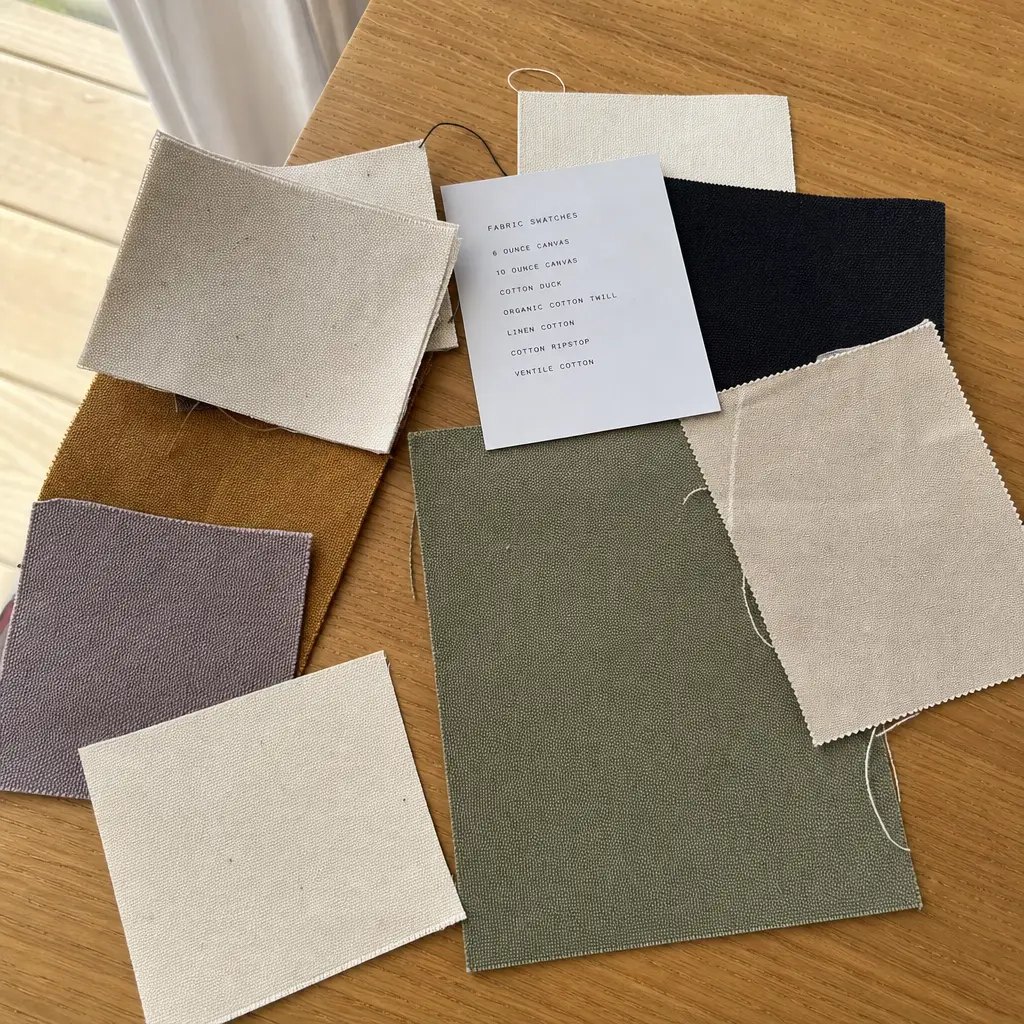
For canvas zipper portfolios for subscription boxes, fabric weight is one of the first decisions that changes the quote and the final customer experience. A 12 oz canvas can work for lighter presentation use, but if the portfolio needs to stand up in a box, hold brochures flat, or carry a slim gift set without collapsing, 14–16 oz is usually the safer buyer choice. Heavier canvas improves body and helps the print sit flatter, but it also increases material cost, sewing effort, and carton weight.
GSM should be stated in the RFQ, not just “canvas” or “heavy canvas.” If the supplier uses oz, make sure they specify whether the figure is based on finished fabric or mill nominal weight. For the same style, a difference of even one ounce can change drape, crease behavior, and how the zipper opening finishes after ironing and packing.
- 12 oz: lower cost, softer fold, acceptable for lightweight inserts.
- 14 oz: balanced option for most subscription-box portfolios.
- 16 oz: better shape retention and a more premium feel, especially for repeat reuse.
- Ask whether the canvas is enzyme-washed, dyed, or raw; each version behaves differently in sewing and print.
Comparison of sourcing routes: which supplier setup fits your order
Not every buyer needs the same sourcing route. A startup subscription brand with a test run of a few thousand units should not buy in the same way as a distributor replenishing a steady program across multiple box themes. The wrong route can create hidden costs: a low MOQ may look attractive, but you may end up paying more per unit for the same zipper, or losing control over the final color and stitch standard.
Use the table below to match the route to your buying situation. The key is not just price; it is how much control you need over fabric, zipper hardware, print repeatability, and delivery timing.
- Write decisions in measurable language, not only descriptive wording.
- Ask for sample photos plus one physical approval sample for important orders.
- Keep quotation, sample approval, and inspection notes tied to the same spec version.
What should be in the sample review before you approve bulk production?
A sample for a zipper portfolio is more than a visual reference. It should tell you whether the product will sew cleanly in bulk, whether the zipper tape will lie flat, and whether the printed area survives handling without distortion. The most useful approval sample is one that matches the production fabric, zipper style, print method, and packing method as closely as possible. A prettier sample made from different materials can give you false confidence and create disputes later.
During sample review, pay attention to the product in the same way your customer will receive it. Open and close the zipper several times, load it with the actual contents planned for the box, fold it as it will be packed, and check whether the logo remains readable after the canvas has creased. If the sample only looks good when empty and perfectly flat, it is not a reliable approval reference.
- Measure finished width, height, and any gusset or depth feature.
- Check zipper length against drawing, not the outer edge of the bag only.
- Verify print alignment after the bag is filled and closed.
- Inspect inside seams, thread trimming, and any lining attachment points.
- Photograph the approved sample with a ruler and retain it for production comparison.
Print method and logo placement: where bulk rejects usually start
On canvas zipper portfolios, print method must match both artwork complexity and the fabric surface. Screen print is usually the cleanest choice for bold, simple logos and one- or two-color designs. It gives good opacity on natural canvas, but the buyer must control registration and mesh coverage so the logo does not blur into the weave. For smaller quantities or more detailed artwork, heat transfer can be workable, but the buyer should understand the risk of cracking, edge lift, or a glossy look that feels out of place on a canvas product.
Logo placement is not a design-only decision; it is a production control point. Place the artwork too close to a seam, zipper line, or fold edge and the print can warp during sewing or packing. A good factory will mark a clear print box and show you the distance from centerline, seam allowance, and top edge. If the quote does not specify the placement reference, the factory may use its own interpretation, and that is how a batch of bags ends up with inconsistent logo height.
- Keep the artwork away from seam turns and zipper top-stops.
- Use a print window that survives folding without crossing major creases.
- For woven labels or side labels, confirm stitch count and label fold direction.
- For embossing or debossing, ask for a clarity sample on the actual canvas weight.
QC thresholds that matter in bulk inspection
When buyers inspect canvas zipper portfolios, they often focus on visible appearance and miss the functional defects that create customer complaints. The most common issues are zipper drag, crooked opening lines, uneven seam width, and print shift. The acceptance standard should be written in measurable terms wherever possible. For example, if the portfolio is supposed to be 11.8 inches wide, do not accept “about 12 inches”; define the allowable tolerance and apply it consistently across cartons.
An AQL inspection should include both visual and functional tests. Open and close the zipper at least a few cycles on sampled units, check seam tension at the corners, and compare the print placement to the approved master sample. If the portfolios will hold inserts, place the intended contents inside the bag during inspection so the shape, zipper tension, and print visibility reflect real use.
- Use a measurement sheet with width, height, and zipper opening reference points.
- Reject any zipper that catches, separates, or shows uneven tape insertion.
- Treat loose threads, skipped stitches, and corner puckers as nontrivial defects in presentation goods.
- Compare print color and placement under the same lighting used during approval, if possible.
Packing for subscription boxes: small details that change damage rates
Packing method matters more than many buyers expect. Canvas portfolios can arrive with crease memory, zipper pressure marks, or dust scuffs if they are packed loosely. On the other hand, overpacking each unit can raise labor cost and increase carton size, which affects freight and fulfillment. The right answer depends on how the subscription box is built, how much handling the portfolio will face, and whether the bag itself is supposed to look gift-ready when opened.
Most buyers should specify the fold direction, whether tissue paper is required, and whether each unit needs an individual polybag. If the portfolio is a clean retail-style piece inside the box, a thin polybag may protect the print and zipper finish. If the program is sustainability-led and the outer carton already controls dust, a loose insert with a simple bulk pack may be enough. What matters is that the supplier quotes the exact packing method, not a vague “standard packing” line.
- Define inner pack quantity per carton and whether dividers are needed.
- Specify whether labels must face the same direction for fulfillment speed.
- State if fold marks are acceptable or if the bag must be packed flat.
- Ask for a carton size estimate early if freight cube is sensitive.
MOQ logic, lead time, and what can silently delay the shipment
MOQ for canvas zipper portfolios is usually driven by fabric dye lots, print setup, zipper sourcing, and sewing line efficiency. A factory may quote a lower MOQ if it uses stock canvas and stock zippers, but the buyer may lose flexibility on exact color matching or custom puller style. If the order requires a special print version for each subscription tier, the MOQ may apply per artwork, not just per style. That point should be spelled out in the RFQ to avoid surprise minimums after sample approval.
Lead time also needs to be broken down into stages: material booking, sample or strike-off approval, bulk sewing, packing, and final inspection. A quote that only says “20–25 days” may exclude artwork approval or fabric waiting time. If your subscription schedule is fixed, build in a buffer for comments on the approval sample, carton label changes, and pre-shipment inspection rework. Those small revisions often move the date more than the sewing itself.
- Ask whether MOQ changes by color, print method, or zipper color.
- Clarify whether lead time starts at order confirmation or sample approval.
- Request separate timing for custom fabric, custom label, and standard-body orders.
- Budget extra time if the product needs multiple approval steps.
How to compare supplier quotes without missing hidden costs
A usable quote for canvas zipper portfolios should show more than unit price. It should separate base bag cost, print setup, zipper upgrades, label costs, packing costs, and any sampling charges that will be credited or not credited later. Without that split, the cheapest quote can become the most expensive once the buyer adds color changes, extra packing, or a freight-heavy carton size. Procurement teams should compare like-for-like quotes by locking the spec first and then checking what is actually included.
The easiest way to compare quotes is to line them up against the same decision points: fabric weight, zipper grade, print method, packing style, and approval process. If one supplier quotes 12 oz canvas with a basic stock zipper and another quotes 16 oz with a branded zipper and individual polybags, the unit price alone is meaningless. What matters is whether the delivered goods will pass the same acceptance standard.
- Separate fixed costs from unit costs.
- Identify which items are included in sampling and which are billed separately.
- Compare carton packing and freight cube assumptions.
- Use the same artwork file and size spec across all suppliers.
Buyer workflow: from RFQ to final approval
A practical buying process keeps the factory focused and protects your launch schedule. Start with a short but precise RFQ: finished dimensions, canvas weight, print method, zipper spec, packing method, expected order quantity, and desired ship date. Then request a pre-production sample or approval sample that matches the production materials as closely as possible. Do not rely on photos alone if the logo position or zipper finish is critical to the brand presentation.
Once the sample is approved, freeze the spec and keep a copy of the signed or emailed approval reference. Any later change to artwork, zipper color, or packing format should be treated as a revision, not a casual tweak. That discipline helps the factory keep the line stable and gives the buyer leverage if bulk goods drift away from the approved standard.
- RFQ should freeze dimensions, fabric weight, print, zipper, and packing.
- Approve a physical sample where logo placement or zipper quality is important.
- Retain photos, measurements, and version numbers for production reference.
- Do not let carton labels or packing rules change after bulk starts unless necessary.
Specification comparison for buyers
| Spec decision | Recommended option | When it fits | Buyer risk to check |
|---|---|---|---|
| Fabric weight | 12 oz canvas for light brand kits; 14–16 oz for better structure | Subscription boxes that need a premium hand feel and enough body to protect inserts | Too-light canvas can slump, wrinkle, or show print strike-through after packing |
| Lining structure | Unlined for cost; light cotton twill or poly-cotton lining for better finish | Brands that want a cleaner interior and reduced zipper snag risk on papers or cards | Lining adds cost and lead time; weak seam allowance can create puckering at the zipper |
| Print method | Screen print for bold logos; heat transfer for small runs; woven label or embossing for subtle branding | A logo that must stay clear after handling, boxing, and transit | Low-grade transfer films can crack; screen print can misregister on textured canvas |
| Zipper type | Nylon coil zipper with matching or contrast tape; smooth-pull metal slider | Subscription box inserts that will be opened repeatedly by end customers | Cheap zipper teeth or weak stops create the highest complaint rate in zipper bags |
| Logo placement | Front center lower third or side label area with a clear print boundary | Boxes where the portfolio doubles as a presentation piece and brand carrier | Artwork too close to the seam can distort; too large a logo may warp when the bag is filled |
| MOQ route | Factory-direct MOQ for repeat programs; stock-body or existing fabric route for test launches | Brands launching a new SKU, testing a subscription tier, or comparing packaging concepts | Low MOQ often means less color control, fewer size options, or longer unit cost recovery |
| Packing method | Flat fold with tissue and bulk carton divider; polybag only when scuff protection is needed | High-volume subscription orders with strict cube and carton count targets | Overpacking increases labor and freight; underpacking increases abrasion and dust complaints |
| Inspection point | AQL-based visual and functional QC with zipper cycling, measurement, and print review | Any order shipping into retail channels or subscription fulfillment centers | Missing measurement tolerance control causes carton-level rejects even when the bag looks acceptable |
| Lead time model | Sample approval plus production window plus packing buffer; add time for custom weave/print approval | Launches tied to a fixed box ship date or seasonal campaign | Quoting only sewing time ignores strike-off, material booking, and pre-shipment inspection delays |
Buyer checklist before sampling
- Confirm exact finished size, gusset depth if any, and whether the portfolio must hold letter-size inserts or a custom card set.
- Specify canvas weight in GSM or oz, plus whether the buyer wants a crisp structured body or a softer foldable feel.
- State print method, logo size, color count, and where the artwork may not touch seams, zipper tape, or edge stitching.
- Approve zipper type, slider finish, puller style, and whether the zipper must close smoothly with one hand after packing papers or samples inside.
- Define tolerance targets for width, height, zipper length, stitch density, and logo placement offset.
- Set packing requirements for subscription fulfillment, including folding direction, insert cards, polybag need, and carton count per master case.
- Request pre-production sample photos plus a physical sample if artwork, zipper color, or structure is critical.
Factory quote questions to send
- What is your recommended fabric weight and actual GSM for the quoted construction, and what changes if I request a more structured body?
- Is the zipper fully custom or a standard stock item, and what is the zipper brand, tape width, and puller material?
- Which print method is included in the quote, how many colors are covered, and what setup or plate charges apply?
- What are your size tolerances, seam allowance standard, and zipper alignment allowance on bulk production?
- How do you pack each portfolio for shipment, and is individual polybagging included or optional?
- What is the MOQ by color, print version, and size, and can you mix artwork variants in one production run?
- What sample stages do you provide before bulk production, and which stage is the actual approval sample for manufacturing?
- What is the estimated production lead time after sample approval, and what events can move that date?
Quality-control points to confirm
- Fabric weight and hand feel match the approved benchmark sample.
- Finished dimensions stay within agreed tolerance on sample and bulk inspection.
- Zipper closes smoothly, aligns evenly, and does not catch on seam allowances or lining.
- Print or label placement matches the approved art box and does not shift into seam areas.
- Stitching is secure at stress points, corners, and zipper ends, with no loose thread buildup.
- Packing protects the surface finish and matches the carton count, fold direction, and inner pack spec.
- Bulk cartons contain only the approved size, color, and artwork version.