The Buying Problem: Logo Placement Is a Production Spec
For canvas zipper portfolios, logo placement is not a final decoration decision. It affects panel cutting, zipper sewing, print jig setup, heat-press pressure, embroidery backing, label sewing, packing direction, and inspection. A tech team may send a clean brand file and a product image, then expect the supplier to choose the best position. That shortcut often leads to a sample with the mark too close to the zipper, too low on the panel, or distorted by seam thickness.
Treat the portfolio as a business bag first and a branded item second. The RFQ needs finished size, front panel dimensions, zipper route, canvas weight, logo method, print size, coordinates, and packing face. Without those details, two suppliers can quote the same product name but build very different goods. One may price 10 oz canvas with a quick transfer logo; another may price 14 oz canvas with reinforced sewing and screen print. The lowest number may simply reflect missing specification, not better value.
- Use millimeter coordinates for logo placement instead of visual instructions such as small, centered, or lower right.
- Send vector artwork and a flat technical placement drawing with seam references.
- Approve the logo on a sewn sample because a flat digital mockup cannot show zipper thickness or canvas movement.
- Separate bag construction, decoration, setup, packing, and inspection support when comparing quotes.
Start With the Portfolio Body
Logo position depends on structure. A simple flat zipper portfolio gives the largest clean decoration field. A gusseted version, padded version, or style with an outer pocket reduces the safe logo zone because seams and layers create uneven print pressure. For A4 or US letter documents, many buyers work around 250 x 340 mm to 270 x 360 mm finished size, but internal usable space matters more than outside dimensions if the portfolio must hold a tablet, charger, notebook, or onboarding paperwork.
Canvas weight changes both appearance and production risk. A lighter 10 oz canvas can work for a short-life event item, but it may wrinkle around the zipper and feel less structured. A 12 oz canvas, often around 380-420 GSM depending on yarn and finish, is a practical baseline for many B2B startup orders. A 14 oz canvas, often around 450-480 GSM, feels firmer and more retail-ready but adds sewing difficulty, carton weight, and sometimes more tension around curved zipper corners. Because regional suppliers may describe weight differently, quote requests need both oz and GSM plus a physical sample or fabric swatch.
- Choose 12 oz canvas for most conference, onboarding, partner kit, and employee gift programs.
- Choose 14 oz canvas when a firmer retail-grade hand feel matters more than freight weight.
- Avoid logo placement across pocket edges, zipper curves, binding, darts, or hidden reinforcement.
- Confirm whether the front panel is a single flat layer before approving print or embroidery.
Safe Logo Zones and Sizing
The safest exterior zone is usually the lower third of the front panel, either centered or aligned to the lower right. That area keeps the mark visible when the portfolio sits on a meeting table and avoids the handling area near the zipper pull. A useful starting clearance is about 35 mm from the zipper seam and 25 mm from side or bottom seams. If the zipper runs around three sides, corner curves need more caution because the sewn panel is rarely perfectly flat.
Startup logos often combine a wordmark, icon, and small tagline. The tagline is usually the first element to fail on canvas because woven texture breaks fine lines. For most wordmarks, 80-120 mm width gives a clear but not oversized result. Icon-only marks often work at 45-70 mm. A more premium approach is a smaller outside logo plus an inside woven label or printed care label. Review the sample at normal desk distance as well as close up; a logo that passes under magnification can still look too promotional in real use.
- Lower-right placement gives understated branding for executive kits and client gifts.
- Centered lower-third placement works better for events, sponsor visibility, and reseller bundles.
- Top-center placement carries more risk when the zipper puller, seam, or hand position crosses the logo area.
- Taglines below about 2 mm letter height usually need removal, enlargement, or a different print method.
Decoration Method by Artwork Type
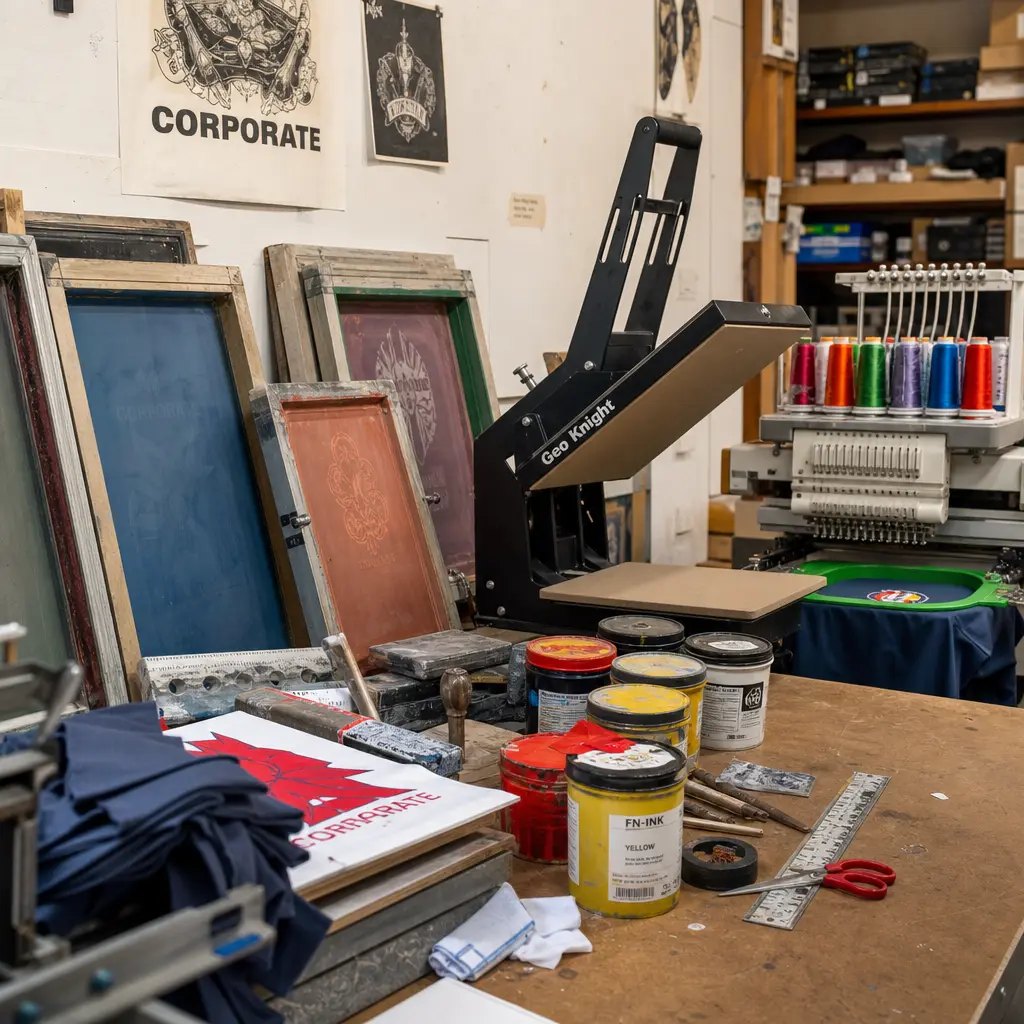
Screen printing is usually the best value for solid startup logos on canvas zipper portfolios. It gives strong coverage, stable pricing at volume, and clean edges when the artwork is prepared for fabric. Natural canvas is not a pure white base, so ink can look warmer or more muted than it does on a screen. If corporate color accuracy matters, ask for a print swatch on the actual bulk-like canvas before mass production. A Pantone number helps, but fabric absorbency, base color, and coating still change the result.
Heat transfer is useful for gradients, many colors, or lower-volume programs where screen setup cost is inefficient. The tradeoff is hand feel: some transfers sit on top of cotton canvas and may show film edges if the material is low grade. Embroidery can look premium for a compact icon or short name, but it is risky for long SaaS wordmarks, fine taglines, and positions close to zipper curves. Embroidery pulls fabric, so the panel may need backing, a smaller stitch area, or a heavier canvas to stay flat.
- Use screen print for one- to three-color logos, strong edges, and repeatable bulk orders.
- Use transfer print when gradients, many colors, or photo-like artwork matter more than natural hand feel.
- Use embroidery for small premium marks placed on flat fabric away from seams and zipper curves.
- Test rubbing, bending, and light folding on the sample if the portfolio will be used daily.
MOQ and Cost Drivers
MOQ for canvas zipper portfolios is driven by components, not only by sewing capacity. Stock natural canvas, standard zipper tape, one logo, and simple packing may allow trial runs in the few-hundred-piece range, depending on supplier workload and region. Custom dyed canvas, unusual zipper color, molded puller, woven labels, multi-color printing, or multiple logo versions often push the practical minimum higher. A 1,000-piece order split across four department logos can behave like four smaller orders because setup, sorting, and inspection time increase.
A low unit price can hide missing decoration, packing, or QC assumptions. The cleanest comparison separates canvas body, zipper and puller, inner layout, logo setup, logo running cost, label, individual packing, master carton, sample cost, and inspection support. A quote for one-color screen print on stock canvas cannot be compared directly with dyed 14 oz canvas, custom puller, inside woven label, and kraft belly band. Both may be fair, but they are different products.
- Ask which component controls MOQ and whether MOQ changes by fabric color, zipper color, logo version, or packing style.
- List screen, transfer, embroidery, label, and custom puller setup charges outside the base unit price.
- Confirm whether the quoted fabric is in stock, locally finished, or made to order.
- Compare carton size and gross weight because heavier canvas and individual packing change freight cost.
Sample Approval With Bulk-Like Materials
A polished sample has limited value if it uses substitute fabric, substitute zipper, or a different logo process. The pre-production sample should match bulk fabric weight, fabric color, zipper type, puller, logo method, logo size, inside layout, label position, and packing method. If exact bulk material is not available yet, the supplier needs to label every substitute and provide a second confirmation before cutting or printing mass production.
Sample approval works best as a measured record. Measure the logo distance from two fixed references, such as bottom seam and right seam, and record final logo width. Open and close the zipper several times, especially through corners. Insert the intended documents or device. Check whether the portfolio lies flat after zipper sewing. Pack the sample the same way bulk goods will be packed so the buyer can see whether the printed face is protected from rubbing and pressure.
- Record logo width, height, color target, position coordinates, and allowed tolerance on the approval sheet.
- Approve finished size and internal usable space, not outside size only.
- Approve zipper smoothness, corner behavior, puller feel, and seam tension before bulk sewing.
- Approve packing orientation so the logo face is not rubbed, folded, or pressed against rough carton edges.
Quality Control for Logo, Sewing, and Fabric
Inspection standards need clear defect levels. A logo shifted by 2 mm may be acceptable on soft canvas, but a visibly tilted logo, print over a seam, or logo outside the approved zone needs stronger classification. For screen print on a stable flat panel, plus or minus 3 mm placement tolerance is often realistic. For embroidery or sewn labels, plus or minus 5 mm may be more practical because fabric feeding and stitching introduce movement. These numbers are not universal; final tolerance depends on panel structure, supplier equipment, and sample proof.
Sewing quality can make a well-printed logo irrelevant. Inspect skipped stitches, broken thread, uneven zipper tape, loose corners, and puckering around the zipper. The zipper should move smoothly without catching the lining or canvas edge. Inner pockets, pen loops, card slots, and document sleeves need functional checks, not just visual review. For natural canvas, small yarn slubs can be normal, but heavy slubs under the logo, oil stains, water marks, holes, or obvious panel shade mismatch need defined rejection rules.
- Major defect: logo printed outside the approved zone, visibly tilted, cracked, or placed over an unintended seam.
- Major defect: zipper catches, separates, jams at corners, or fails repeated open-close checks.
- Minor defect: small loose thread that can be trimmed without damaging the seam or appearance.
- Reject condition: stain, hole, severe shade mismatch, broken stitching, or print damage visible on arrival.
Packing That Protects the Logo
Canvas zipper portfolios are usually packed flat because it saves space and preserves shape. Flat packing can also create pressure lines if cartons are overloaded or the logo face presses against a rough surface. Individual recycled polybags protect against dust and moisture. Kraft belly bands reduce plastic and create a cleaner presentation, but they provide less moisture protection, so the master carton may need an inner liner, desiccant, or additional transit protection.
The packing specification needs piece count per carton, carton ply, dimensions, gross weight, inner bag or band type, barcode labels, SKU labels, shipping marks, and pallet requirements where relevant. Distributor orders need consistent carton quantities for receiving and allocation. Retail or onboarding-kit orders may need the logo facing up or facing out for faster unpacking. For higher-value programs, approve a packed carton sample or at least test carton pressure before bulk packing.
- Use 5-ply export cartons for international bulk shipments unless local delivery requirements allow lighter cartons.
- Keep printed faces away from staples, rough carton edges, and abrasive zipper pullers from adjacent units.
- Add moisture control for natural canvas shipped by sea or stored in humid warehouses.
- Approve carton labels and SKU data before sealing production cartons.
Lead Time Risks and Change Control
Fast orders use stock canvas, standard zipper, one decoration position, and standard packing. Delays usually come from custom dyed fabric, custom zipper pullers, late artwork changes, label approvals, unclear carton data, or split logo versions. A realistic schedule includes artwork confirmation, sample production, sample transit, buyer review, material preparation, cutting, printing, sewing, in-line checking, final inspection, and packing. If portfolios are tied to a launch event, conference, or distributor campaign, work backward from the in-hand date and keep time for inspection and freight disruption.
Artwork changes after sample approval are expensive in time. Moving the logo by 20 mm may require a new print jig or revised sewing guide. Switching from screen print to transfer changes surface feel and may need new sample approval. Adding an inside woven label can introduce a separate label supplier, separate MOQ, and extra lead time. Lock the artwork, logo size, placement coordinates, fabric color, label artwork, and packing artwork before bulk cutting starts.
- Shortest path: stock canvas, standard #5 nylon zipper, one-color screen print, no custom label, standard carton.
- Risk path: dyed canvas, custom puller, woven label, multi-version logo split, retail packing, and late artwork revision.
- Do not authorize bulk cutting until the final logo position and sample comments are signed off.
- Keep a freight and inspection buffer when the order is linked to an immovable event date.
RFQ Data for Fair Supplier Comparison
A useful RFQ gives every supplier the same decision framework. Include finished size, internal usable size, fabric weight, fabric color, zipper type, inner layout, logo file, logo method, logo size, coordinates, label requirements, packing, carton limits, target quantity, delivery term, destination, inspection requirement, and sample deadline. A supplier quoting from a product photo will fill gaps with assumptions; another quoting from a technical sheet will price the real product.
For landed cost, request carton dimensions and gross weight with the quotation. A firmer 14 oz portfolio may feel better but raise freight cost. Individual packaging can improve presentation but add labor and carton volume. Distributor programs also need carton quantity stability, SKU labels, and barcode accuracy. The best supplier is not simply the lowest FOB price; it is the supplier whose quote shows control over logo placement, component sourcing, sewing quality, packing, and shipment data.
- Compare FOB price together with setup charges, carton volume, gross weight, and packing labor.
- Request photos of similar zipper portfolio construction, not only tote bags or unrelated canvas samples.
- Ask for the defect classification plan before issuing the purchase order.
- Put all assumptions on the proforma invoice, production sheet, or approved specification pack.
Specification comparison for buyers
| Spec decision | Recommended option | When it fits | Buyer risk to check |
|---|---|---|---|
| Front logo position | Lower right or centered lower third, with about 35 mm clearance from zipper seam and 25 mm from side or bottom seams | Conference gifts, onboarding kits, investor packs, channel partner bundles, and resale programs where the mark stays visible on a desk | Placement over thick seams, pocket edges, curved zipper areas, or folded panels can distort print and make the logo look tilted |
| Logo size | 80-120 mm wide for most startup wordmarks; 45-70 mm wide for icon-only marks | Balanced visibility on A4 or letter-size portfolios without making the product look like a disposable promo item | Oversized marks may exceed the flat print area, while taglines and fine registered marks can break on textured canvas |
| Canvas weight | 12 oz canvas, often around 380-420 GSM, for standard B2B orders; 14 oz, often around 450-480 GSM, for firmer retail feel | 12 oz suits many event and employee kit budgets; 14 oz suits executive gifts, retail merchandise, and heavier document loads | Weight labels vary by region, yarn, and finish, so confirm both oz and GSM plus a hand-feel sample |
| Logo method | Screen print for solid logos; heat transfer for gradients or many colors; embroidery for compact marks away from zipper curves | Screen print fits most one- to three-color tech logos and scales well at bulk quantities | Choosing by unit price alone can cause weak color match, visible transfer film, embroidery puckering, or unreadable fine text |
| Zipper specification | #5 nylon coil zipper with metal, rubber, or fabric puller; black, natural, or color-matched tape depending on brand direction | Reliable daily document use and easier sourcing than unusual custom zipper colors | Weak sliders, uneven zipper tape, tight corner radius, or untested pullers create returns even if the logo is correct |
| MOQ logic | Often a few hundred pieces for stock canvas and standard zipper; commonly higher for custom dyed canvas, custom pullers, woven labels, or many logo versions | Useful for startups testing event demand before scaling to distributor, retail, or employee onboarding volume | MOQ depends on supplier type, component availability, region, and order complexity; low MOQ may carry higher setup cost or mixed material lots |
| Interior branding | Small woven side label, inside patch, or printed care label instead of a second large outside logo | Retail brands, SaaS onboarding kits, and partner gifts that need a cleaner exterior appearance | Labels add artwork approval, label MOQ, sewing placement risk, and possible lead-time extension |
| Packing format | Individual recycled polybag or kraft belly band, then flat pack in 5-ply export carton with moisture protection | Flat packing protects portfolio shape and helps distributors count, scan, and re-pack cartons | Over-tight cartons can crease canvas panels, press against the print, and create pressure marks during sea freight or warehouse storage |
Buyer checklist before sampling
- Confirm finished portfolio size, paper format, zipper route, gusset depth, and whether the item carries only documents or also tablets, chargers, and notebooks.
- Send vector logo artwork with Pantone references, minimum line thickness, approved logo width, and any rules for removing small taglines or registered marks.
- Mark logo coordinates on a flat technical drawing using fixed references such as bottom seam and right seam, not only on a lifestyle mockup.
- Specify canvas by oz, GSM range, color standard, finish, shrinkage expectation, and whether the fabric is natural, bleached, dyed, recycled blend, or coated.
- Choose the logo method after reviewing artwork behavior on canvas: screen print for solid colors, transfer for gradients, embroidery only for compact marks on flat areas.
- Ask for a pre-production sample using bulk-like fabric, final zipper type, actual decoration method, approved label position, and intended packing components.
- Set acceptance criteria for logo position, tilt, color deviation, print coverage, zipper smoothness, seam strength, finished size, stains, carton condition, and rework rules.
- Break MOQ down by fabric color, zipper color, print method, print color count, label type, custom puller, and packing format so supplier quotes are comparable.
- Confirm carton quantity, gross weight, dimensions, inner packing, barcode or SKU labels, shipping marks, pallet requirements, and warehouse routing needs before deposit.
- Keep signed records for artwork, sample, fabric swatch, print swatch, packing layout, inspection standard, and any approved exceptions before production starts.
Factory quote questions to send
- What exact canvas weight are you quoting in oz and GSM, and is it stock fabric, greige fabric to be finished, or made-to-order dyed fabric?
- What is the measured safe logo area on the front panel after allowing for zipper seam, side seam, bottom seam, pocket layers, and corner curve?
- Which logo method is included in the unit price, how many colors are included, and what is the maximum print or embroidery size?
- What setup charges apply for screen printing, transfer film, embroidery digitizing, woven labels, care labels, custom zipper pullers, or packing artwork?
- Which component sets the MOQ for this order: fabric, zipper, logo process, label, puller, packing material, or factory sewing line minimum?
- Can the pre-production sample use bulk-like fabric and final zipper, and which sample points will be measured before approval?
- What tolerance will you apply for logo position, logo tilt, print color, finished size, zipper sewing alignment, and label placement?
- How many pieces fit per export carton, what are the carton dimensions, and what estimated gross weight should we use for freight comparison?
- What is the production lead time after written sample approval, and which changes would reset or extend the schedule?
- Do you provide in-line photos, pre-packing inspection support, final AQL inspection data, defect photos, and rework confirmation before shipment?
Quality-control points to confirm
- Logo placement tolerance is often workable at plus or minus 3 mm for screen print on a flat panel and plus or minus 5 mm for embroidery or sewn labels, but agree the number in writing before production.
- Print color needs comparison against an approved Pantone target, signed fabric swatch, or approved drawdown under consistent light; phone photos are useful for records but not enough for final judgment.
- Zipper function should be tested through at least three full open-close cycles on inspected pieces, including the corner area where fabric thickness can catch the slider.
- Main seams should show even stitch density, secure backstitching, no skipped stitches, no broken thread, no loose zipper tape, and no puckering that changes the front logo appearance.
- Finished size should match the approved sample within the purchase order tolerance, commonly around plus or minus 5 mm for soft canvas goods unless a tighter requirement is proven by sample.
- Canvas surface should be free from oil stains, water marks, holes, severe shade mismatch, and heavy slubs directly under or beside the logo area.
- Cartons should match approved quantity, ply, dimensions, gross weight range, moisture protection, readable shipping marks, and no crushed corners before loading.
- AQL levels, defect definitions, carton sampling method, rework rules, and approval authority should be set before mass production instead of negotiated after inspection.