Why coffee roasters buy wine carriers differently
Coffee roasters usually buy canvas wine carriers as a branded gift vehicle, not just as a bag. The carrier may sit inside a holiday bundle, support a winery collaboration, or move through a tasting room as a premium upsell. That changes the buying rule: the bag has to protect a bottle, look intentional on a shelf, and survive repeated handling without turning soft or crooked. If it is only for a one-time promo, the spec can be lighter. If it is part of a retail program, the carrier has to hold its shape long enough to justify the price tag.
Before you request quotes, lock the use case. A carrier meant for a single 750 ml bottle with a hang tag is a different product from a two-bottle gift set with a divider and retail barcode. The fastest way to waste time is to ask suppliers for a generic canvas wine bag and then discover that your bottle height, print area, or packaging requirement does not fit their standard pattern. Define the bottle type, the sales channel, and whether the carrier is a gift item, a retail item, or a transport item.
- Decide whether the carrier must fit standard Bordeaux bottles only, or also Burgundy and sparkling bottles with wider shoulders.
- Decide whether the carrier needs a divider, a cardboard base, or only a fabric shell with a reinforced bottom.
- Decide whether the bag will be handed out at events, sold on shelf, or shipped inside another carton.
Start with the right canvas spec
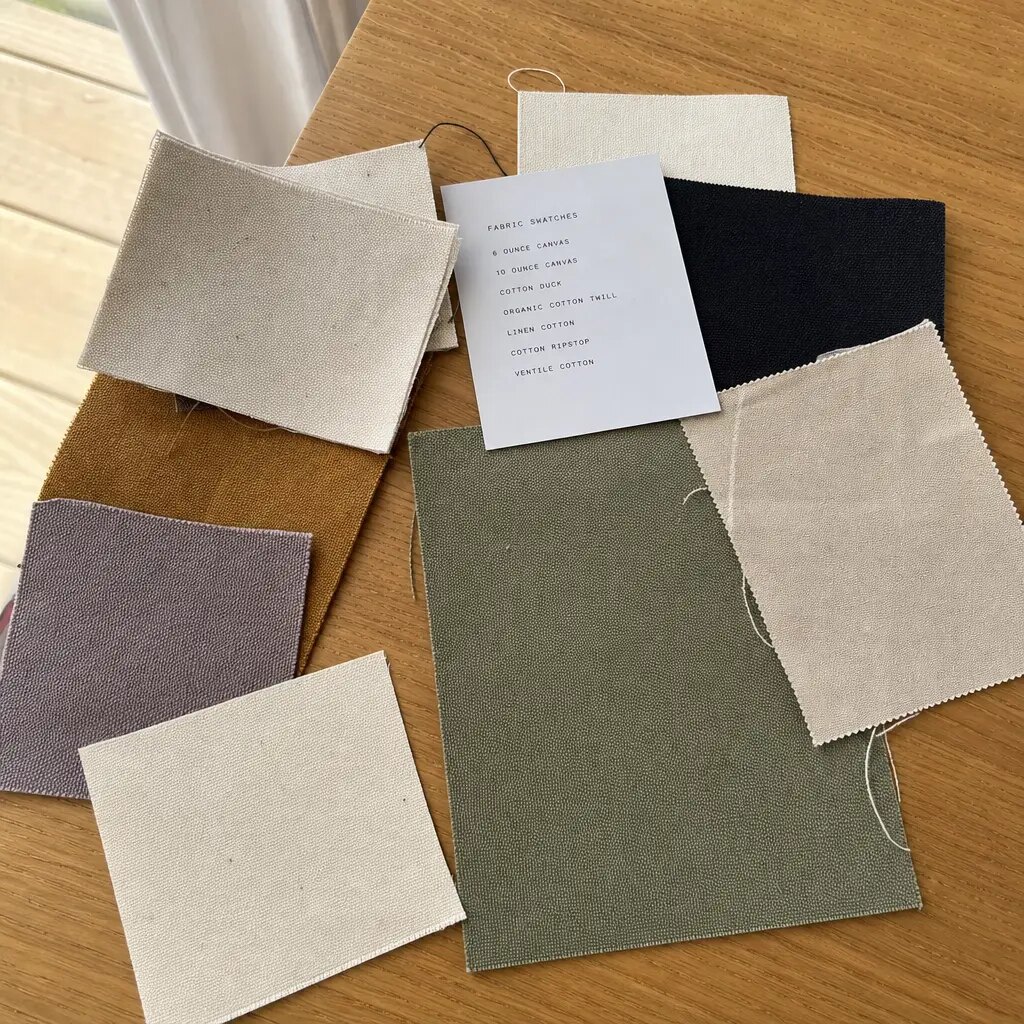
For wholesale wine carriers, canvas weight is the first lever that changes both appearance and cost. A 10 oz canvas, roughly 340 gsm, is usually the lower edge for a clean retail look. A 12 oz canvas, around 400 gsm, gives more body, hides minor handling dents better, and feels more substantial in a gift program. If you want a stiff premium carrier, or if the bag needs to stand upright with a bottle inside, 14 oz to 16 oz canvas, roughly 475 to 540 gsm, is safer. The wrong move is to go too light and then spend money trying to fix the shape with heavy printing, lining, or inserts.
Canvas spec is not only about ounces. Weave density, shrinkage after washing or dyeing, and the type of finish all affect whether the carrier looks premium or flimsy. Natural canvas feels more authentic for coffee brands that want an earthy look, while bleached or dyed canvas can be better for strong logo contrast. If the order includes a divider, reinforced handles, or a board insert, you can sometimes use a slightly lighter fabric because structure comes from the build rather than the cloth alone. That tradeoff should be visible in the sample, not hidden in the quote.
- Use 10 oz canvas for promotional carriers, lighter retail items, or programs where cost pressure is high and shape requirements are moderate.
- Use 12 oz canvas for most branded wholesale carriers because it balances hand feel, structure, and print appearance.
- Use 14 oz to 16 oz canvas when the bag must feel premium, hold a heavy bottle, or stand up in a gift display.
Choose the sourcing route before you compare prices
The same looking quote can come from very different supplier models. A direct factory may give the best control over sewing, print, and packing, but only if it actually owns those processes. A trading company can simplify communication, yet it can also add a layer that makes problem solving slower unless the roles are clear. Stock wholesalers are fast, but they often limit your control over fabric shade, handle detail, and carton packing. For a coffee roaster, the right route depends on whether the carrier is a one-season experiment or a recurring branded product with the same artwork year after year.
Do not rely on polished product photos alone. Ask for evidence that matches your route. If a supplier claims to be a factory, request production photos of the same canvas weight, close-ups of the stitch line, and a carton packing image from a recent run. If a supplier is acting as a decorator, ask which blank carrier they source and who owns the print quality. The best comparison is not supplier versus supplier, it is route versus route with the same finished spec, the same pack count, and the same approval standard.
- Request photos of the actual sewing line, not only the finished product shot.
- Ask whether print, sewing, and packing happen in one facility or across multiple vendors.
- Confirm who signs off on the pre-production sample and who is responsible if the bulk run drifts from it.
Write the RFQ around cost drivers
A useful RFQ separates the cost of the bag from the cost of finishing it. Canvas weight, bottle capacity, lining, divider count, handle width, logo coverage, and packaging all push the price in different ways. A two-bottle carrier usually costs more than a one-bottle version not just because of extra fabric, but because of more seam operations, a stronger base, and a higher chance of needing a divider board. If you compare quotes without specifying those details, the lowest number is usually the least complete number, not the best value.
Ask the supplier to quote the same spec at several volumes so you can see whether the price breaks are real. For example, a supplier might hold the same unit cost at 1,000 and 3,000 pieces but change the rate only when the order reaches a more efficient cutting or print batch. That information matters more than a single headline price. A quote should also state whether the price includes screen setup, sample charges, polybags, barcode labels, carton marks, and domestic delivery to the export warehouse. If those items are missing, your landed cost comparison is incomplete.
- State finished size, not only pattern size, and specify the exact bottle type or dimensions it must fit.
- Lock the print area in millimeters and note whether the logo goes on one side, both sides, or on a side label.
- Separate bag price, print charge, packaging charge, carton charge, and freight term so hidden costs do not get buried in the total.
Use the sample to prove fit and finish
A sample for a wine carrier should prove bottle fit, carry comfort, and presentation quality at the same time. Bring the actual bottle or bottle shapes you plan to pack, not just a drawing. The sample needs to show whether the mouth opening is wide enough, whether the bottle sits straight, and whether the base support keeps the carrier from sagging. If the bag is for a retail shelf, also check how it looks after being folded, unpacked, and handled several times. Canvas can look good when new and still fail as a consumer product if the structure collapses after one day of use.
Set acceptance criteria before the sample leaves the factory. The goal is not to make the sample perfect in every way, but to make sure the bulk order can be built to the same standard. A useful sample sheet records dimensions, fabric weight, logo location, handle spec, stitch count, and packing method. If any one of those items is still open, the production team has room to improvise later, and that is where errors start. For wholesale buying, the sample is a contract tool, not a courtesy item.
- Test the sample with the real bottle size, including labels, cork shape, or closure height if those affect fit.
- Inspect the handle lift, seam strength, and bottom support after the bag is loaded and lifted repeatedly.
- Approve the sample only after the print, fabric hand feel, and fold pattern all match the intended use case.
Pick the branding method for the right life cycle
Most canvas wine carriers for coffee roasters work best with screen print, especially when the logo is simple and the color count is low. Screen print gives clean coverage on flat canvas and scales well for wholesale volumes. Embroidery looks premium and can work well on thicker fabric, but it adds stitch density, can distort light canvas, and usually costs more. Heat transfer helps when the artwork changes often or the run is small, but it can crack or lift on fold lines if the carrier is handled hard. Woven labels are useful when you want the front panel to stay clean and the brand to live on the side seam or the handle area.
The right branding method depends on how long the product stays in use. If the carrier is a seasonal gift that moves out fast, a crisp screen print is usually enough. If it will sit on shelves, be reused, or become part of a premium club program, a woven side label or a stitched brand patch can make the product feel more deliberate. For coffee roasters, the common mistake is overdecorating the bag because the artwork looks better on a screen than on canvas. Keep the decoration aligned with the fabric and the price point.
- Use one or two color screen print for most wholesale orders because it gives the best cost-to-appearance ratio.
- Use embroidery only when the brand wants a premium tactile finish and can accept a higher unit cost and thicker feel.
- Use woven or sewn labels when the main face must stay minimal or when the logo needs to survive repeated folding.
Plan packing like the bag will be handled roughly
Packing is where a good carrier becomes a damaged shipment. Canvas wine carriers are usually folded flat, but the fold line, handle position, and print area need to be planned so the product opens cleanly and does not show a permanent crease across the logo. If the carrier is retail-facing, individual polybags may be worth the added labor because they protect the canvas from dust and abrasion. If the program is distributor-only, a tighter bulk pack may be better as long as it does not crush the top edge or deform the base. The right answer depends on how many times the bag will be touched before the customer sees it.
Carton planning should focus on weight, stackability, and damage resistance rather than only on how many pieces fit inside. A small carton can make handling easier, but it can also increase freight cost if the internal packing is inefficient. A large carton can be cheaper to ship per unit, yet it can invite corner crush, especially if the carriers have inserts or rigid boards. Ask the supplier to show the fold method, inner count, and carton dimensions together. Those three details usually explain why two quotes with the same unit price end up with different landed costs.
- Keep the fold pattern consistent so the same area is not creased differently from carton to carton.
- Protect printed areas from abrasion with tissue, slip sheets, or the right polybag finish if the decoration is delicate.
- Make sure carton marks, SKU labels, and count labels match the production sheet and the buyer's warehouse rules.
Protect the schedule
Lead time risk comes from more than sewing capacity. For canvas wine carriers, the usual delays are artwork approval, fabric matching, print setup, and packaging changes after the sample has already been signed off. A realistic schedule usually breaks into sample preparation, pre-production confirmation, bulk production, inspection, and transit. If a supplier gives you only one delivery date, there is no way to see where the time is actually being spent or which step can slip. That matters for coffee roasters because these carriers often support holiday launches, gift programs, and event dates that cannot move.
Peak-season orders need buffer, even when the factory says it can move quickly. The safest way to protect launch dates is to freeze the spec early, approve the pre-production sample with the actual bottle, and keep one spare artwork file ready if a logo color or placement needs a last-minute correction. If your calendar is tight, build the production schedule around the slowest part of the chain, not the fastest promise. A carrier that arrives on time but misses the holiday display window is a failed purchase, even if the manufacturing itself was clean.
- Separate sample lead time from bulk lead time so you can see where approval time is being lost.
- Reserve time for pre-production review after the sample, especially if the bag includes a divider, board, or mixed materials.
- Add a buffer for inspection and transit if the program depends on a fixed retail or event launch date.
Compare landed cost, not just unit price
The cheapest quote is often the one that leaves out the most. To compare canvas wine carriers properly, put every offer on the same basis: the same finished size, the same canvas weight, the same print method, the same pack count, and the same delivery term. Only then can you see whether a lower unit price is truly a better deal. A bag that looks inexpensive at factory gate price can become expensive once you add screen setup, cartons, inner packaging, inspection, inland transport, and the cost of handling defects or late delivery. If the order is small, those hidden items can matter more than the fabric itself.
The best buying decision is the quote that matches the intended use, shows real production capability, and leaves enough room for normal quality loss without breaking margin. For coffee roasters, the bag is often part of a bundle, so the carrier has to support the value of the whole package. If a supplier saves a few cents by using weaker canvas or thinner handles, that savings can disappear the first time the carrier bends, stains, or gets returned by a retail partner. The right comparison is delivered quality per usable unit, not only the lowest nominal price.
- Normalize all quotes to the same bottle count, print area, and packaging method before comparing totals.
- Include sample charges, setup fees, cartons, and freight term in the comparison sheet.
- Reject any quote that does not clearly state what is included and what is excluded.
Turn the quote into a purchase order that the factory can follow
A good PO removes room for interpretation. It should name the approved sample version, the exact canvas weight, the logo file version, the packaging method, the carton count, and the acceptable tolerance for size and print placement. If the supplier can switch materials or substitute a different packing method without asking, the order is not fully controlled. That is the point where many wholesale buyers lose money: the quote was clear enough to win approval, but the production instruction was too loose to lock the result.
The PO should also define the claim window and the evidence required for any dispute. If the bag arrives with cracked print, weak stitching, or packing damage, the buyer needs a written path for replacement or credit. That sounds formal, but it is exactly what keeps a small quality problem from becoming a supply chain argument. For a coffee roaster, the carrier is part of the brand experience, so the contract language should protect not only the shipment, but the customer-facing result.
- Reference the approved sample by date, version, and photo record so both sides know which version is binding.
- State whether substitutions are allowed for canvas shade, thread color, or packing materials.
- Define the claim process in writing, including timing, photo evidence, and replacement or credit expectations.
Specification comparison for buyers
| Spec decision | Recommended option | When it fits | Buyer risk to check |
|---|---|---|---|
| Direct factory with in-house sewing and print | Best for stable one-bottle or two-bottle programs with repeat orders | You need control over canvas weight, stitching, and branding from one source | Confirm the factory actually owns sewing and print steps, not just sourcing them out |
| Trading company or sourcing agent | Useful when you need one contact for multiple bag categories or mixed SKUs | Your internal team wants less vendor management and can accept an added margin | Ask who owns QC, who approves samples, and which factory line will run the order |
| Stock carrier wholesaler with logo add-on | Fastest route for seasonal retail dates and low-risk test runs | You need speed more than a fully custom build | Watch for generic fabric, loose print placement, and limited control over packaging |
| Local decorator with imported blanks | Good when artwork changes often and transit time matters less than speed to market | You can buy blank carriers early and decorate close to launch | Verify blank size, print adhesion, and whether thick canvas prints cleanly at your chosen method |
| Custom bag factory with lining and insert board | Best for premium gift sets, holiday bundles, or wine club programs | The carrier must feel stiff, protect glass, and look retail-ready on shelf | Require a pre-production sample using the actual divider, board, and stitch pattern |
| Low-MOQ digital print supplier | Useful for short runs, influencer kits, or market tests | You need artwork flexibility and smaller batch sizes | Digital print can look fine on screen but blur on textured canvas, so set a clear acceptance standard |
| Dual-source program: bag factory plus separate printer | Works for launches with schedule risk or backup capacity needs | You can manage coordination and want an alternate path if one vendor slips | Match artwork files, color references, and carton marks across both vendors |
| Supplier with in-house carton packing and drop-test discipline | Best when e-commerce or distributor damage claims are a concern | The carrier ships through multiple hands and needs tighter pack control | Verify carton spec, inner pack count, and whether handles deform under compression |
Buyer checklist before sampling
- Finished size is written for the exact bottle type you will pack, including whether the carrier is for one bottle, two bottles, or a bottle plus insert.
- Canvas weight is stated in oz and gsm, and the supplier confirms whether the fabric is bleached, natural, dyed, or washed.
- Handle material, handle width, stitch pattern, and reinforcement points are shown on the sample and repeatable in bulk.
- Print method, artwork size, color count, and exact placement are fixed before quotation comparison.
- MOQ is clear by style, color, and artwork version, not just by total order value.
- Packing method is defined: folded, polybagged, tagged, barcoded, or retail-ready packed.
- The sample approval uses the actual bottle, not a random empty bottle or a hand-fit only check.
- Lead time is split into sampling, pre-production approval, and bulk production stages.
- The quote includes cartons, inner packing, and the shipping term used for comparison.
- QC tolerance, defect handling, and claim window are written into the PO or order confirmation.
Factory quote questions to send
- What exact canvas weight, weave, and finishing are you quoting for this wine carrier?
- Is the price for the blank bag, printed bag, or fully packed carton with labels and inner packing?
- What is your MOQ per color and per artwork version, and does it change if we add a divider or board?
- How is the handle reinforced, and can you show the stitch construction on a sample photo?
- Which print method will you use, and are setup charges or screen fees included in the quote?
- What are your sample lead time and bulk lead time after sample approval?
- What carton pack count and master carton size do you recommend for this style?
- What QC checkpoints do you use before shipment, and do you provide inspection photos or a report?
- Can you share recent production photos or a short video from the same line making this product?
- What changes in price, MOQ, or lead time if we move from one bottle to two bottles, add lining, or change the logo coverage?
Quality-control points to confirm
- Finished dimensions stay within the tolerance written on the approved sample sheet, with special attention to bottle height and mouth opening.
- Handle stitching is symmetrical, secure, and free of skipped stitches, loose ends, or twisting under load.
- Canvas weight matches the approved swatch and does not feel noticeably lighter or looser than the sample.
- Print placement and color match the approved sample under daylight and indoor store lighting.
- Seams at the bottom, side gussets, and handle attach points stay flat, with no puckering, tearing, or exposed thread knots.
- A standard bottle fits without forcing, and the carrier does not wobble excessively once the bottle is inside.
- Surface finish is clean, with no oil marks, stains, broken fibers, rust marks, or cutting debris.
- Dry rub testing on the logo area does not produce unacceptable color transfer or visible cracking.
- Cartons close squarely, hold the agreed pack count, and protect the product from corner crush during handling.
- Labels, barcodes, and carton marks match the PO exactly, including style code, color code, and quantity.