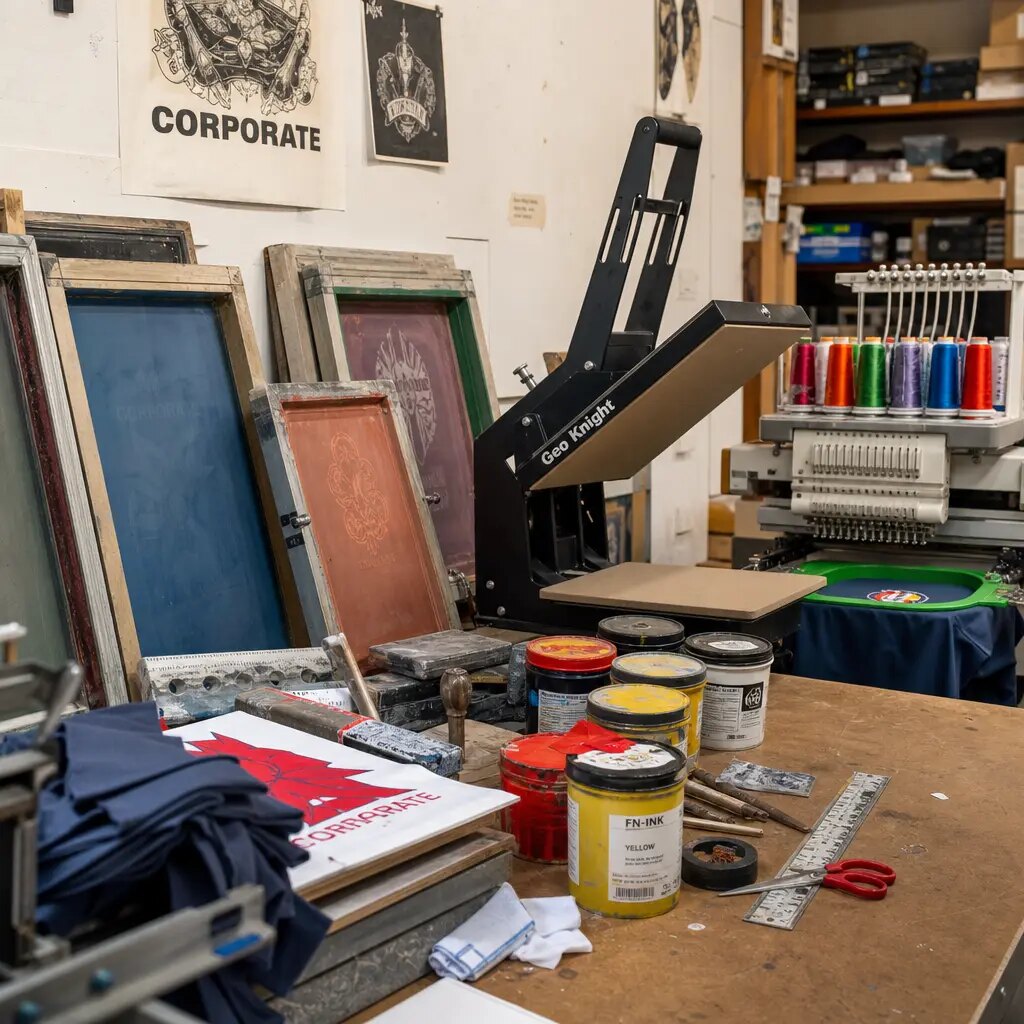
The buying problem: bookstore-ready carriers without retail surprises
Canvas wine carriers for university bookstores sit in an awkward purchasing category. They are not basic promotional totes, but they are also not premium leather gift packaging. The buyer needs a sturdy, giftable carrier that can hold glass bottles safely, carry a licensed mark cleanly, and still land at a cost that works for bookstore retail margins. If the RFQ only says canvas wine bag with logo, suppliers will quote different fabric weights, handle constructions, bottle fits, and packing assumptions. The cheapest quote may not be the cheapest sellable product.
A useful bulk pricing plan starts by defining the selling situation. Is the carrier sold empty as a reusable gift bag? Is it bundled with local wine, olive oil, maple syrup, sauces, or alumni gift sets? Will the same carrier appear in multiple campus stores with different logo versions? Those answers affect body size, divider strength, print method, MOQ, and carton plan. The goal is not to over-spec the bag; it is to remove the silent variables that cause quote gaps and production disputes.
- Treat single-bottle and two-bottle carriers as separate SKUs unless demand is too small to support both.
- Use the same base fabric and handle material across styles where possible to improve MOQ efficiency.
- Plan the price by landed cost per sellable unit, not by FOB unit price alone.
- Build the RFQ around bottle fit, logo execution, and handle strength before negotiating the final cent.
Choose the carrier format before discussing price breaks
Most university bookstore programs use one of three formats: a flat single-bottle tote, a boxed single-bottle carrier with side gusset, or a two-bottle carrier with an internal divider. The flat single-bottle version is cheaper and packs efficiently, but it looks tight on wider bottles and may not stand well on a shelf. A gusseted single-bottle carrier has better retail presentation and more forgiving fit. A two-bottle divided version raises material and labor cost, but it supports gifting and higher basket value.
The format should match the product mix sold by the bookstore, not just the lowest unit price. A standard 750 ml wine bottle is different from a sparkling wine bottle with a wider base and taller shoulder. If the carrier is also used for olive oil or souvenir beverages, the buyer should send bottle dimensions or request a fit sample. Factories can adjust width, height, gusset, divider height, and handle drop, but changes made after sampling can reset price and lead time.
- Common single-bottle finished size example: about 15 cm W x 35 cm H x 8 cm gusset, adjusted to bottle shape.
- Common two-bottle finished size example: about 20 cm W x 35 cm H x 10 cm gusset with stitched divider.
- Handle drop should allow comfortable hand carry without making the bottle swing excessively.
- Divider height should be high enough to prevent glass contact, not only a short fabric strip at the bottom.
Fabric weight: where 10 oz, 12 oz, and 16 oz make sense
Fabric weight is one of the biggest reasons supplier quotes do not match. Cotton canvas is often quoted in ounces, while mills and factories may also use GSM. A 10 oz canvas is roughly 339 GSM, 12 oz is roughly 407 GSM, and 16 oz is roughly 542 GSM, depending on the fabric construction and finishing. For most university bookstore wine carriers, 12 oz canvas is the practical center point. It feels substantial, holds print well, folds reasonably flat, and does not push freight volume too high.
A 10 oz canvas can work for budget event giveaways or small single-bottle bags, but the finished carrier may feel soft when holding a heavy bottle. A 16 oz canvas looks premium and stands better, but it increases fabric cost, sewing difficulty, needle marks, and carton weight. If the buyer wants organic cotton or recycled cotton canvas, pricing and MOQ should be quoted separately because fabric availability and dye lots change. Natural canvas usually has the best price and fastest sourcing, but it also shows cottonseed flecks and shade variation.
- Budget retail or event carrier: 10 oz / about 339 GSM canvas, only if handle reinforcement is still strong.
- Main bookstore retail recommendation: 12 oz / about 407 GSM natural cotton canvas.
- Premium gift carrier: 14-16 oz / about 475-542 GSM canvas, with freight impact reviewed.
- Avoid comparing quotes that list only heavy canvas without oz, GSM, or finished sample weight.
Logo decoration: protect the licensed mark before bulk production
University bookstore buyers often work with licensed logos, official seals, mascot graphics, and alumni marks. Canvas texture affects how these graphics print. Water-based screen printing is usually the best choice for simple one to three color artwork because it gives a retail-friendly hand feel and stable cost at bulk quantity. Plastisol ink can look heavier and may be restricted by buyer preference. Heat transfer is useful for gradients, photographs, or detailed full-color art, but it changes the surface feel and may add cost.
The safest workflow is to approve a print strike-off on the actual production fabric before approving the full pre-production sample. Fine lines in a university seal may fill in on coarse canvas. Small reversed text may disappear. A large dark print on natural canvas may show fabric texture through the ink. The RFQ should state print dimensions, placement from top edge or center line, Pantone colors, and whether slight fabric flecks are acceptable through the print.
- Screen print is the normal choice for clean bookstore logos and event text.
- Heat transfer should be tested for adhesion, edge lifting, and feel on the chosen canvas.
- Embroidery is possible but may distort thinner canvas and is expensive for large filled areas.
- Logo placement tolerance should be written, for example plus or minus 5 mm from approved position.
MOQ logic and a workable bulk pricing plan
Bulk pricing for canvas wine carriers is usually driven by fabric purchase, cutting efficiency, printing setup, labor minutes, packing, and export carton volume. MOQ may apply at several levels at once. A factory may accept 500 pcs total, but the quoted price may assume one style, one fabric color, and one logo. If a buyer splits 500 pcs across five campus logos, the real cost increases because each logo needs setup, print alignment, sorting, and labeling.
A practical pricing plan uses shared blank bodies and controlled decoration splits. For example, a bookstore group could order 2,500 blank natural canvas carriers in the same size and fabric, then divide printing across several campus stores. The factory still needs to quote the print change cost, but the fabric and sewing efficiency improve. Price breaks should be requested at 500, 1,000, 2,500, and 5,000 pcs, with separate columns for single-bottle and two-bottle versions. This makes it easier to compare a direct factory quote against an importer or domestic distributor.
- Request price tiers by total quantity and by per-logo quantity.
- Separate one-time setup, sample, mold, artwork, and testing charges from the unit price.
- Clarify whether the price includes hangtags, barcode stickers, inner cartons, or individual bags.
- For annual programs, quote a first order and a repeat order so setup charges are not hidden in the unit price.
Supplier route comparison for bookstore buyers
The best sourcing route depends on order timing, volume, and control requirements. A domestic distributor can be the right choice for 100 to 300 pcs needed quickly for a campus event, especially if blank stock is available. The tradeoff is limited size and fabric control. An importer can combine decoration, warehousing, and compliance support, but the buyer should still request the original product specifications. Factory-direct sourcing gives the strongest control over fabric, construction, and repeat orders, but it requires clearer RFQ data and more disciplined sample approval.
For university bookstore bulk pricing, the most common mistake is comparing a distributor's decorated stock item with a factory's custom-made item as if they are the same product. They are different risk profiles. Stock goods reduce schedule risk but may not match desired fabric or handle strength. Custom production improves brand control but needs time for sampling, material preparation, printing, sewing, inspection, and freight. The table in this article is designed to help buyers compare the decision points instead of only comparing the first unit price shown.
- Use domestic stock when time is more important than exact construction.
- Use importer-managed production when the buyer needs service support but not direct factory management.
- Use factory-direct production when logo control, annual volume, and repeat consistency matter.
- Do not approve a sourcing route until carton data and lead time assumptions are visible.
Sample approval: what the sealed sample must prove
A pre-production sample is not only a beauty sample. For canvas wine carriers, it must prove bottle fit, handle comfort, seam strength, print clarity, and packing behavior. A good sample set may include a blank fit sample first, then a print strike-off, then a final pre-production sample. This adds time, but it prevents bulk production from starting with an untested bottle size or an unreadable university seal.
The buyer should keep one sealed approved sample and require the factory to keep one matching sample on the production line. The sealed sample should include signed approval or written approval reference, fabric weight, finished dimensions, handle length, print method, Pantone references, and packing method. If the sample is approved with comments, those comments must be converted into revised specifications. Otherwise, production teams may follow the physical sample and miss the email note.
- Test with the actual bottle or a bottle dummy matching height, diameter, shoulder, and weight.
- Load the carrier and hold it by the handle for a practical stress check before approval.
- Rub the print lightly after curing to catch obvious ink adhesion or drying issues.
- Photograph the approved sample with a ruler for placement and size reference.
- Record whether the carrier is approved flat, folded, stuffed, or with a divider inserted.
QC thresholds that matter for retail sell-through
Quality control for this product should focus on defects that affect safety, appearance, and store handling. A slightly uneven cotton fleck on natural canvas may be acceptable if it is part of the fabric character. A loose handle stitch is not acceptable because the product carries glass. A tiny loose thread inside the bag can be trimmed; a stained front panel or off-center university logo can make the unit unsellable. The inspection standard should separate critical, major, and minor defects before production starts.
For import orders, a random final inspection before shipment is usually worth the cost on larger programs. The inspection should include measurement, print placement, seam review, handle pull testing, bottle fit testing, carton count, and label verification. If the order contains several logo versions, the inspector must sample each version rather than only opening the first cartons. University bookstore orders often require clean sorting because mixed logos in the wrong cartons create receiving problems even when the bags are physically good.
- Critical defect: handle failure, sharp object, mold, wrong logo, unsafe construction, or severe contamination.
- Major defect: visible front-panel stain, badly off-center print, wrong size affecting bottle fit, open seam, missing divider.
- Minor defect: trim-able thread, slight natural cotton fleck, small internal wrinkle not visible at retail.
- Inspection should include carton markings, SKU labels, PO number, quantity per carton, and mixed-logo separation.
Packing and freight: the hidden cost in wine carrier programs
Canvas wine carriers look simple, but packing choices can change landed cost. Individual polybags improve dust protection and retail handling but add material cost, labor, and sometimes sustainability objections. Flat bulk packing is usually better for university bookstores if the receiving team can handle loose units. For printed natural canvas, the factory should avoid abrasive contact between heavy ink panels and rough carton surfaces. A sheet liner or careful face-to-face packing may be enough.
The quote should include carton quantity, carton dimensions, gross weight, and estimated CBM. Without those numbers, a buyer cannot compare air, courier, LCL, or FCL freight. Two-bottle carriers with dividers may consume more carton volume even if the fabric cost looks close to a single-bottle bag. Over-compression can create permanent creases or distorted dividers, so the packing plan should be tested during sample approval. Carton strength also matters because bookstore orders may move through multiple warehouses before reaching stores.
- Typical bulk pack: 50 or 100 pcs per export carton, depending on style and fabric weight.
- Keep carton gross weight practical for warehouse handling, often below about 18-20 kg where possible.
- Use moisture protection for sea freight, especially with natural cotton canvas.
- Require carton labels with SKU, logo version, PO, quantity, carton number, and destination if split shipments are planned.
Lead time risks and how to schedule a bulk order
A realistic schedule separates sample development from bulk production. A simple repeat order may move quickly, while a first custom order needs artwork review, fabric confirmation, sample sewing, print strike-off, sample approval, material preparation, cutting, printing, sewing, finishing, inspection, packing, and export booking. The lead time should not be stated as one vague number. Buyers need each stage so they can understand what happens if artwork approval or licensing review is delayed.
Seasonal bookstore programs are especially sensitive to timing. Holiday gift carriers, commencement merchandise, alumni weekend promotions, and local product bundles have fixed selling windows. If the order misses the window, a lower unit cost does not help. When schedule is tight, buyers may reduce risk by using natural canvas instead of custom dyed fabric, limiting logo colors, approving a standard body size, or splitting an initial urgent quantity from a later bulk shipment.
- Sample development: allow time for fit sample and print strike-off before final approval.
- Material preparation: natural canvas is usually faster than custom dyed canvas or special certified fabric.
- Bulk production: printing and sewing capacity should be reserved after deposit and sample approval.
- Inspection and shipping: leave time for rework if inspection finds sorting, print, or stitching defects.
- For tight events, compare the cost of late goods against the premium for faster sourcing.
Specification comparison for buyers
| Spec decision | Recommended option | When it fits | Buyer risk to check |
|---|---|---|---|
| Sourcing route for bookstore program | Factory-direct custom production with one approved master sample | Best for 1,000+ pcs, campus logo control, repeat seasonal buying, and matched specs across stores | Quote must include fabric GSM, print size, packing method, carton data, and remake responsibility for logo or size errors |
| Small opening order route | Domestic distributor or importer stock blank plus local decoration | Useful for trial runs below factory MOQ or urgent alumni events | Higher unit cost, limited fabric color, weaker control over handle strength, and possible print placement variation |
| Fabric construction | 12 oz / 407 GSM natural cotton canvas for most single and two-bottle carriers | Balances retail feel, print stability, foldability, and freight efficiency | Some suppliers quote 10 oz canvas but call it heavy duty; compare actual GSM and finished bag weight |
| Bottle format | Single-bottle carrier plus two-bottle divided carrier as separate SKUs | Covers gift wine, olive oil, campus event merchandise, and holiday bundles | One universal size can look loose on standard bottles or too tight for sparkling bottles |
| Decoration method | Water-based screen print for 1-3 spot colors; heat transfer only for detailed full-color art | Works for university seals, bookstore names, event marks, and alumni slogans | Tiny seal details may fill in on coarse canvas; require strike-off on production fabric |
| MOQ and price break planning | Tiered pricing at 500, 1,000, 2,500, and 5,000 pcs per design or per shared blank body | Allows bookstore buyers to compare annual demand against decoration and setup cost | MOQ may apply separately to fabric dyeing, printing, handle color, and logo version |
| Handle and seam reinforcement | Self-fabric handles with cross-stitch or bartack reinforcement at stress points | Needed for filled glass bottles and bookstore retail handling | Low quotes may use narrow handles, single stitching, or no reinforcement under the handle patch |
| Packing route | Flat-packed 50 or 100 pcs per export carton with moisture protection; avoid individual polybags unless required | Reduces landed cost and supports bookstore backroom storage | Over-compression can crease printed panels; cartons must be sized to avoid distorted dividers |
| Compliance evidence | Supplier declaration for restricted substances plus fabric and ink test reports when required by the campus or state | Needed for licensed university merchandise and import documentation | Do not accept vague claims such as eco-friendly canvas without test scope, date, and material coverage |
Buyer checklist before sampling
- Define whether the program needs single-bottle, two-bottle, or mixed carrier styles before requesting pricing.
- State fabric weight in oz and GSM, not only cotton canvas, and require finished bag weight confirmation.
- Provide bottle dimensions for standard wine, sparkling wine, and any specialty bottle sold in the bookstore.
- Lock print artwork size, Pantone references, logo placement, and acceptable registration tolerance before sampling.
- Separate quote tiers by total order quantity, per-style quantity, and per-logo quantity so price breaks are comparable.
- Require a physical pre-production sample using production fabric, handle material, stitching method, and print process.
- Confirm handle pull strength, seam reinforcement, divider construction, and bottom stress point inspection.
- List packing requirements including flat pack count, carton size, carton weight, barcode labels, and pallet preference.
- Request lead time split into sample time, material preparation, bulk production, inspection, and export booking.
- Compare quotes using estimated landed cost per sellable unit, not only FOB unit price.
Factory quote questions to send
- What exact fabric construction are you quoting: cotton content, weave, oz weight, GSM, and tolerance?
- Is the MOQ based on total order quantity, each carrier style, each fabric color, or each printed logo version?
- Can the same blank body be used for several university bookstore logo versions to reach a better fabric MOQ?
- What finished size do you recommend for a 750 ml wine bottle, and what size adjustment is needed for sparkling bottles?
- Which print method is included in the price, how many colors are included, and what is the maximum print area?
- What reinforcement is used at the handle attachment and side seams, and can you provide a pull test standard?
- What sample types are available: blank fit sample, print strike-off, pre-production sample, and sealed approval sample?
- What carton quantity, carton dimensions, gross weight, and estimated CBM apply to each quote tier?
- What defects trigger remake or discount: off-center print, wrong Pantone, weak stitching, stains, size deviation, or carton damage?
- What export terms are quoted, and what data will you provide for freight calculation and customs entry?
Quality-control points to confirm
- Fabric GSM should remain within the agreed tolerance, commonly plus or minus 5%, measured before cutting or verified by finished weight comparison.
- Finished carrier dimensions should stay within agreed tolerance, typically plus or minus 5 mm for width and height on simple canvas bottle bags.
- Handles should be symmetrical, securely stitched, and tested with a load above the expected filled bottle weight.
- Print placement should be centered to the approved sample, with color matched to approved Pantone or strike-off under consistent light.
- No heavy oil stains, mold marks, broken yarn clusters, sharp loose thread ends, or visible needle damage should be accepted on retail-facing panels.
- Internal dividers must reach the specified height and be secured so bottles do not strike each other during normal carrying.
- Cartons should protect printed panels from abrasion and moisture, with clear SKU, quantity, PO, and destination labels.
- Random inspection should include bottle fit testing with actual bottles or approved bottle dummies, not only visual measurement.