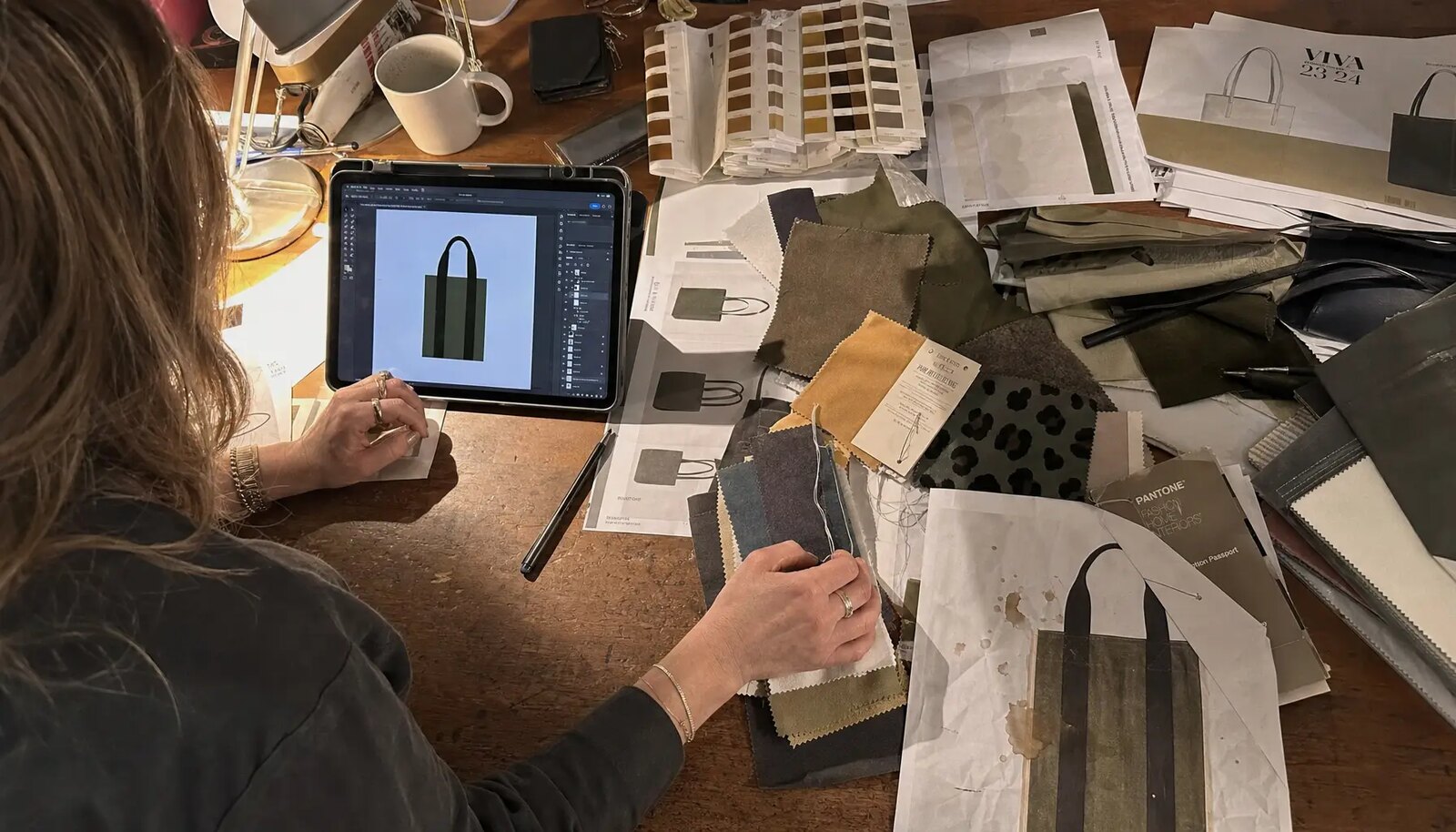
Why canvas wine carriers need a tighter supplier file than ordinary totes
A canvas wine carrier looks simple, but the sourcing risk is higher than a standard tote. It has to hold weight, keep the bottle upright, protect the label from abrasion, and still look retail-ready on shelf. For eco apparel brands, the buyer usually wants a natural material story without turning the product into a soft, shapeless pouch. That means the supplier has to control fabric weight, pattern balance, handle reinforcement, and packing discipline at the same time.
The biggest mistake is treating the item as a generic canvas bag. A wine carrier that is too soft collapses around the bottle; one that is too stiff can look cheap, wrinkle badly, or drive up freight because it does not pack efficiently. If you are comparing quotes, do not start with unit price. Start with the internal bottle fit, required structure, and what compliance proof the factory can actually provide without delays.
- Single-bottle carriers need tighter fit control than open totes because the bottle shape drives the wall tension.
- Eco apparel brands usually need a natural-fiber appearance, but buyers still need retail strength and a stable print surface.
- A supplier that makes canvas totes may still need extra guidance on divider placement, bottom reinforcement, and shelf presentation.
Set the product spec before you compare factories
For canvas wine carriers, fabric weight is the first commercial decision. A common buying range is 12–14 oz cotton canvas, or roughly 340–475 GSM equivalent. Below that range, the carrier may feel flimsy and print can distort on a soft face panel. Above that range, the bag becomes heavier, costs more to ship, and may fold poorly in retail cartons. If your brand position is premium eco, 14 oz often gives a better hand feel and more stable structure, while 12 oz can work for lower-cost promotional programs.
The second decision is structure. Some buyers want a simple single-bottle sleeve with a divider; others need a two-bottle carrier with a center wall or a tote-style form with insert board. State the bottle size in millimeters, not just “standard wine bottle,” because imported bottles, local glass shapes, and tall champagne bottles change the pattern. If the supplier cannot quote from finished dimensions and a clear bottle spec, their pattern assumptions are probably too loose for a clean order.
- Provide bottle height, shoulder diameter, base diameter, and target internal clearance.
- State whether the product needs a divider, base board, gusset, or lining.
- Confirm whether the bag must stand upright empty, or only when loaded.
Supplier route: factory direct, trader, or packaging specialist
For a branded eco apparel program, the cleanest route is usually a direct factory that already makes bottle carriers or structured canvas accessories. They are more likely to understand reinforcement, carton efficiency, and print repetition across multiple SKUs. A general tote factory may still do a good job, but you need to ask more detailed questions about bottle fit, seam durability, and whether they can maintain consistency across different canvas lots.
A trader can be useful if you need low-friction communication, mixed-item consolidation, or sourcing from more than one factory. The tradeoff is less visibility into what is actually being substituted. That matters if your brand sells in retail channels where label details, carton marks, and material declarations must be aligned. A packaging specialist can help with inserts, labels, and shelf-ready packing, but they may not own the sewing quality. Match the route to your risk.
- Direct factory: better for repeat orders and stronger control of structure and stitch quality.
- Trader: useful for multi-item sourcing but requires tighter document control.
- Packaging specialist: best when retail-ready packing and barcode accuracy matter more than custom sewing complexity.
Use this comparison to judge supplier options, not just quotes
When buyers receive three similar quotes, the difference is often not the sewing labor. It is the production route behind the quote: who is buying the canvas, who is handling print setup, and who is packing the final cartons. One supplier may quote a lower unit price but exclude base board, custom label sewing, or carton dividers. Another may price higher but include a more stable structure and cleaner retail presentation. The table below helps separate the real commercial choice from a misleading low number.
Do not compare a factory-direct quote with a trader quote unless the scope is identical. Ask whether the price includes the same fabric weight, same print method, same packing, same carton count, and same compliance documents. Otherwise the lowest number may simply mean less material, lower stitch density, or a weaker pack plan.
Quote structure: what should be inside the supplier number
A usable quote for canvas wine carriers should break out the things that actually move cost. Fabric grade, print method, handle type, reinforcement insert, label method, and packing count all affect the final number. If the supplier sends a one-line unit price, they may still be estimating the job rather than quoting it. For procurement, the goal is not just a unit number; it is a number you can repeat for the next order without surprise add-ons.
Good quote data also tells you how the factory thinks about MOQ. Some suppliers set MOQ by fabric lot because they need dyeing or cutting efficiency. Others set it by print setup because screen changes raise cost. If you plan to launch multiple colors, ask whether the MOQ is per color, per artwork, or per total order. A low MOQ on paper can become expensive if each color carries a separate setup or if the supplier only allows one carton pack style per run.
- Unit price should show material, labor, print, and standard packing scope.
- Ask for separate cost for woven label, hangtag, embossed patch, or custom insert board.
- Get carton dimensions and units per carton to compare freight and warehouse cost.
Material and print choices that change retail appearance
For eco apparel brands, the product usually needs to look natural but still polished. Unbleached cotton canvas gives a straightforward sustainable look and prints cleanly for one- or two-color branding. If you choose dyed canvas, verify color fastness and whether the dye lot will affect future repeat orders. Black or navy can look premium, but they show lint and fold marks more easily. Natural canvas hides minor handling marks better, which is useful for mass retail and distribution.
Print method matters more than many buyers expect. Screen printing is usually the best value for simple logos because it is durable and repeatable. Heat transfer can be fine for complex graphics or small runs, but it often feels less integrated into the fabric and may age less gracefully if the bag is folded often. Woven labels or sewn patches are a strong option when the brand wants a restrained look and fewer print risk points. For a wine carrier, the safest commercial choice is usually one or two colors, with artwork placement that stays away from seam lines and bottle stress points.
- Screen print: best for simple logos and repeat volume.
- Heat transfer: suitable for small runs or detailed art, but approval should include fold and rub checks.
- Woven label or stitched patch: best for premium minimalist branding and lower ink risk.
Sample approval should test fit, finish, and shelf look
Do not approve a wine carrier sample just because the logo looks correct. Put a real bottle inside, close the carrier, lift it by the handle, and inspect how the seams react. If the bottle slides too freely, the carrier may look sloppy on shelf. If the fit is too tight, customers may struggle to insert or remove the bottle, especially after the fabric settles in production. A good sample should balance a neat silhouette with functional ease.
Your sample review should also cover how the product photographs. Retail buyers care about front-panel flatness, label placement, and whether the bag stands well enough for shelf display. Ask the factory for a blank sample first if the structure is new, then a printed sample with final placement. If the factory jumps straight to bulk without that sequence, the chance of rework goes up fast. For custom orders, the pre-production sample is the point where you lock panel dimensions, print position, handle length, and label finish.
- Test with the actual bottle format that will be sold in market.
- Check handle balance by lifting the carrier from the center and from one side.
- Review print on both a flat surface and after the bag is folded.
QC thresholds that prevent avoidable claims
Wine carriers fail in predictable ways: seam slippage at the bottom, weak handle attachment, misaligned print, and inconsistent bottle fit. Set acceptance criteria before production starts. For example, define a size tolerance band, a print alignment tolerance, and a maximum allowable defective rate for stitch issues. If your supplier knows the thresholds in advance, inspection becomes a production control tool rather than a dispute after packing.
The visual standard should match the market channel. For e-commerce, small cosmetic flaws can be more visible in product photography and returns. For wholesale, the bigger risk is structural failure during distribution. In both cases, do a loaded carry test and a carton drop or compression check appropriate to the freight route. Do not rely only on a tabletop inspection; a wine carrier can look fine empty and fail when weight is applied.
- Check bar-tacks, corner seams, and bottom panel stress points under load.
- Inspect print registration and ink coverage across the whole run, not only the sample.
- Track defect types separately so the factory can correct root cause instead of only sorting units.
Packing and label detail can change landed cost more than buyers expect
Packing is not a small detail for this category. A canvas wine carrier with a divider or insert can shift shape in transit if it is stuffed or folded badly. If you need shelf-ready retail, request a consistent packing method: tissue wrap or a simple polybag, barcode sticker, then master carton with clear outer marks. If the product will move through distributors, the carton count and cube matter because a few millimeters of excess height can reduce pallet efficiency.
Ask for carton dimensions and gross weight before PO approval. That single data set affects ocean freight, warehouse receiving, and retailer distribution cost. Also make sure the side label, hangtag, or printed barcode matches the SKU structure in your purchase order. Many packing errors are not sewing problems; they are labeling errors that slow down inbound receiving and create avoidable chargebacks.
- Confirm whether each unit is folded flat, stuffed, or shaped with insert protection.
- Align carton marks with SKU, color, and carton quantity.
- Compare carton cube across supplier options when unit prices are similar.
Lead-time risk: where schedules usually slip
The most common delay is not sewing. It is waiting on approval of fabric, print placement, or packing specs after the order is already in motion. If the supplier must source a special canvas weight or custom color, fabric booking can add time before cutting starts. If the print uses multiple colors or an off-standard placement, screen setup and strike-off approval can become the bottleneck. A clean schedule should separate sample time, material booking, pre-production confirmation, bulk sewing, packing, and final shipment.
If you are planning a seasonal retail launch, ask the factory what part of the lead time is fixed and what part depends on your approvals. That usually exposes the real schedule risk. A factory that promises a short delivery window without asking about artwork, labels, and carton requirements is often assuming standard materials. Once custom elements are added, the real date can move.
- Separate sample approval time from bulk production time in the schedule.
- Book extra days for custom fabric dyeing or special print setup.
- Get written confirmation of the earliest ship date only after all specs are locked.
Specification comparison for buyers
| Supplier option | What to verify | Commercial advantage | Buyer risk to control |
|---|---|---|---|
| Direct sewing factory | fit-test photos with reference bottle, bottom reinforcement close-up, handle load proof, and final carton photo set | Better sample-to-bulk control and faster production feedback | May be weaker on export paperwork or branded packing unless checked early |
| Trading company | Factory name, production photos, trim-source proof, and who owns QC decisions | Can coordinate small mixed orders and extra services | Markup can hide real factory capability and slow defect decisions |
| Specialized bag workshop | bottle fit, bottom reinforcement, handle or cord strength, divider option, seam allowance, and upright stability | More practical for detailed construction, trims, and repeat programs | Capacity may be limited during peak seasons |
| Low-price general supplier | cotton canvas, jute, felt, nonwoven, or laminated paper sized to bottle diameter, weight, and condensation risk | Useful for simple promotional runs with loose specs | Material downgrades, weak packing, and vague inspection scope can erase savings |
| Retail-ready supplier | upright or flat packing, bottle-protection insert, carton count, moisture control, and retail display orientation | Can handle labels, SKU separation, carton marks, and receiving rules | Higher unit cost must be compared against reduced warehouse work |
| Compliance-focused supplier | Fabric records, labeling review, test plan, and production traceability | Safer for retail programs and repeat brand orders | Documentation claims need evidence, not only sales language |
| Local sample room plus bulk factory | Signed sample, bulk factory handoff, first-piece photos, and deviation owner | Good for complex branding before large production | Sample room quality may not match bulk line unless handoff is controlled |
Buyer checklist before sampling
- Confirm bottle format first: standard 750 ml, champagne height, single-bottle, or two-bottle carrier, because the internal height and base width drive the entire pattern.
- Define fabric weight in usable terms, such as 12 oz, 14 oz, or GSM equivalent, and state whether a stiff hand feel or fold-flat retail profile is preferred.
- Specify whether the carrier needs a divider, base board, sidewall reinforcement, or a full lining.
- Lock the print method before sampling so the supplier does not quote screen print, then substitute heat transfer or digital print later.
- State the required handle strength and stitch style, especially if the bag will be sold with a full bottle at shelf.
- Request supplier compliance documents in advance: material declaration, factory business details, test reports if available, and carton labeling examples.
- Ask for a pre-production sample or pre-production photo set after artwork placement and before bulk cut-and-sew starts.
- Define packing by retail channel: single polybag, tissue wrap, hangtag, barcode sticker, or bulk-packed master carton.
- Get carton dimensions and gross weight before approval so you can compare landed cost and warehouse cube.
- Set a defect threshold for print defects, seam slippage, loose threads, and bottle fit variation.
Factory quote questions to send
- What exact fabric weight, weave type, and finish are included in your price, and what substitutions would change the unit cost?
- Is the quote based on a single-bottle, two-bottle, or tote-style wine carrier pattern, and what are the finished dimensions?
- Which print method is included, how many colors are priced, and what screen or setup fee applies?
- What is your MOQ by color and by print design, and does the MOQ change if we use custom woven labels or special packing?
- Do you include a divider, base insert, or reinforcement board in the quoted structure, and what material is used?
- What sample type will you provide first: existing sample, blank sample, printed sample, or pre-production sample?
- What compliance or material documents can you provide with the quote, and what is the most recent test report date?
- How are cartons packed, what is the standard carton quantity, and what are the carton dimensions and gross weight?
- What is the lead time for sampling and bulk production, and what part of the schedule is affected by fabric booking or print approval?
- What QC standards do you use for seam strength, print alignment, and size tolerance, and how do you handle rework if a batch misses target?
Quality-control points to confirm
- Fabric weight tolerance: accept only if the actual fabric is within the agreed GSM/oz range and feels consistent across rolls.
- Size tolerance: length, width, and gusset dimensions should stay within the supplier’s agreed tolerance, especially for bottle height and base fit.
- Handle strength: check bar-tack density, stitch length, and attachment symmetry under a realistic loaded carry test.
- Print alignment: artwork should sit centered to the panel, with no stretching, cracking, or color shift between front and back.
- Seam quality: no skipped stitches, seam puckering, loose threads, or open corners at the bottom and divider joins.
- Base and divider fit: inserts should sit flat, not rattle excessively, and not create bulging that distorts carton packing.
- Odor and contamination: reject units with strong chemical smell, visible oil marks, dust, or staining from print or storage handling.
- Packing integrity: verify that each retail unit, barcode, and master carton label matches the approved pack list and SKU structure.