Why lead time slips on canvas wine carriers for coffee promotions
Coffee roasters often buy wine carriers for limited gift sets, holiday collaborations, café retail add-ons, and distributor promotions. The schedule risk is not the sewing alone. Delays usually start earlier, when buyers treat the bag like a simple tote and do not lock the bottle size, divider need, print area, and retail packing method before quoting. A supplier can issue a fast price on a generic single-bottle bag, then reopen the timeline once the actual bottle diameter or premium trim details appear.
Lead time also gets compressed because these programs are seasonal. If the carrier is meant for Q4 gifts, launch windows collide with peak factory loading, fabric dyeing queues, and slower approval cycles across marketing, sourcing, and compliance teams. The practical fix is to plan from the latest approval gate backward: approved sample, bulk material booking, fabric dyeing if any, cutting and printing, sewing, inspection, export booking, and inland delivery to your DC or co-packer.
- Most preventable delay: artwork approved before structural sample is approved
- Second common delay: dark dyed fabric chosen after quote, while quote was based on natural stock canvas
- Third common delay: buyer requests individual poly, barcode, and insert card after packing was already planned
Start with the bottle and usage case, not the bag name
A 'wine carrier' can mean several different products: a simple one-bottle sleeve, a structured two-bottle gift bag, a bottle-and-coffee combo bag, or a retail bag intended for repeated customer reuse. The first job in lead time planning is to classify the use case because the bottle shape drives width, gusset, and handle load. A sparkling bottle or thick glass olive oil bottle can change the pattern enough to invalidate a sample built around a standard 750 ml wine bottle.
If the carrier is used for coffee roaster gifting, there is often an extra brand requirement beyond bottle fit: premium presentation. That may mean cleaner seams, heavier canvas, a woven label, or darker dyed fabric. Each upgrade affects the schedule. Woven labels need their own approval and production queue. Dark dyes may require fresh dye lots instead of stock natural canvas. More rigid structures can reduce sewing speed and increase inspection time.
- Define bottle height, diameter, and full carry weight
- Clarify whether the customer sees the bag as disposable gift wrap or reusable branded merchandise
- State if the bag must hold one bottle, two bottles, or one bottle plus coffee pouch or accessory
Fabric weight choices and how they change production timing
For most wholesale canvas wine carriers, 10 oz to 12 oz canvas is the practical range. Around 280 GSM can work for low-cost single-bottle promotional use, but many buyers move to 340 GSM or similar 12 oz canvas because it carries better, prints more cleanly, and feels more premium on shelf. Heavier than that can be justified for structured gift bags, but sewing speed drops, handle turn-over gets slower, and carton weight rises.
Natural canvas usually moves fastest because mills and converters hold more stock. Dyed canvas adds risk. Even common black may not be in the exact construction you want, especially if you need a stable thickness and low shade variation. When the quote says 'canvas' without GSM tolerance or color route, your lead time plan is only theoretical. A useful RFQ states fabric weight, color standard, whether recycled content is required, and whether substitutions need pre-approval.
- 8 oz or about 225-250 GSM: light, lower cost, less suitable for heavy two-bottle use
- 10 oz or about 280-300 GSM: acceptable for many single-bottle retail programs
- 12 oz or about 330-360 GSM: common premium choice for gift carriers and stronger handle support
- Heavier canvas improves hand feel but may reduce print flatness at seams if pattern design is tight
Print method decisions that affect approval speed and unit cost
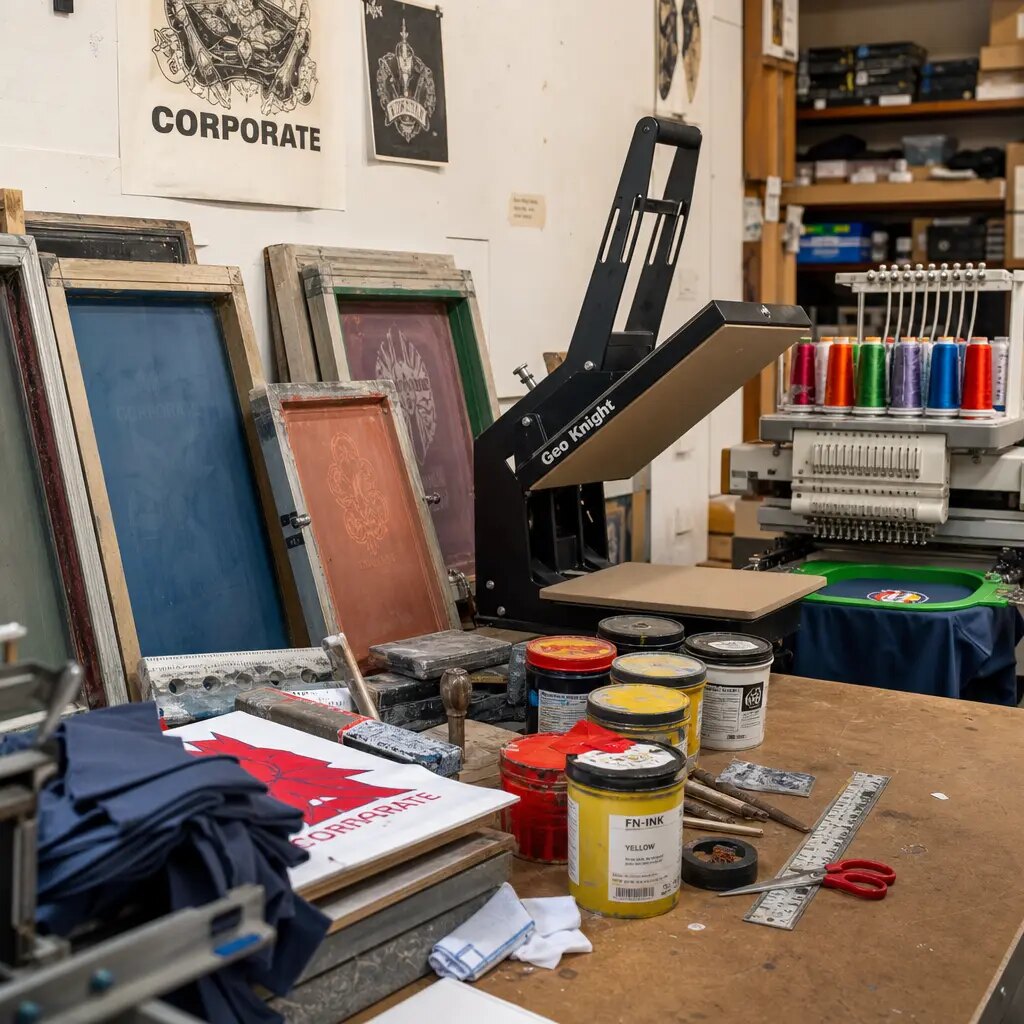
The fastest and most stable method for most medium and large runs is a one-color screen print on the cut panel before sewing. It gives a clean logo, reasonable cost, and predictable production flow. For coffee roasters that rotate seasonal artwork, this is usually better than overcomplicating the trim package. If your logo has fine lines, halftones, or several colors, you may consider heat transfer or DTF, but these methods need durability review and can create a different hand feel on heavier canvas.
Premium buyers sometimes prefer a woven label or small patch instead of a large print. This can improve perceived value, but it adds another supplier or trim process and therefore another potential delay. The real issue is not whether the branding looks premium. It is whether your launch calendar can tolerate label strike-off approval, label bulk production, receipt at the sewing line, and possible color mismatch between trim and fabric.
- Screen print works best when artwork is bold and brand standards allow slight ink texture
- Heat transfer suits smaller runs or multicolor art but needs rub and adhesion review
- Woven labels and patches raise trim complexity and usually add approval steps
- Always request printable area with seam allowance marked, not just front panel size
MOQ logic: how to split styles without turning a simple order into a delay
MOQ on wine carriers is rarely one simple number. Factories may quote MOQ by style, fabric color, print color, or trim combination. Buyers get into trouble when they hear one headline MOQ, then later divide the quantity across natural and black fabric, single and double bottle sizes, or different roaster logos. The bag may still be sewable in low quantity, but print setup, cutting efficiency, and packaging labor no longer fit the original quote.
A practical route for distributors and multi-brand importers is to standardize the body construction and split only the artwork where possible. If one bag size, one fabric, and one handle remain constant, a factory can often run the order more smoothly. If each SKU needs a different label, insert, and carton mark, the production team loses speed and the inspection team gains more pick-and-pack points where mistakes occur.
- Clarify MOQ by blank bag style before branding
- Clarify extra charge for split logos on same bag color
- Clarify whether custom labels count as separate SKU packing lines
- For low-volume tests, sample-like pricing may be more realistic than forcing bulk MOQ math
Sample stages that actually protect the schedule
Not every sample stage is worth paying for, but skipping the wrong stage causes the biggest delays. For canvas wine carriers, a digital mockup is not enough because it cannot prove bottle fit, handle comfort, or how the logo sits over a gusset fold. A blank fit sample can validate dimensions quickly. Then a printed pre-production sample in actual fabric and actual print process should lock the appearance before bulk starts.
What slows teams down is approving a substitute sample. If the sample uses lighter stock fabric, a different handle width, or an easier print process than the quote, it does not protect bulk production. Procurement should treat sample approval as a technical gate, not a visual courtesy. The approved sample should become the reference for dimensions, seam layout, print placement, and packing method.
- Blank fit sample: validates bottle fit and handle proportion
- Pre-production sample: validates actual fabric, actual print, actual stitching method
- Shipping sample: useful for final carton and labeling verification on large runs
- Approval record should include measurements, photos, and signed comments, not only 'approved'
Quote data that buyers should compare beyond FOB unit price
A low unit price on canvas wine carriers often hides the real schedule and quality risks. One quote may use 10 oz stock canvas and no divider. Another may include 12 oz dyed canvas, stronger handles, and individual retail poly. If procurement compares only FOB, the wrong supplier can look cheaper while carrying higher rework, claim, or freight costs later. Quote comparison should normalize the structure and service level before you review price.
Useful quote data includes fabric GSM tolerance, print method, divider inclusion, handle reinforcement, sample allowance, packing count, carton dimensions, and whether subcontracted steps are involved. Lead time should also be broken into sample days, material prep days, production days, and booking readiness. A supplier who only gives '25-30 days' may not have actually reserved fabric or print capacity.
- Request ex-works or FOB basis stated clearly
- Separate tooling or screen cost from repeat-order unit price
- Request carton dimensions and estimated CBM for landed-cost planning
- Note if the quote includes inspection support or if third-party inspection handling is extra
Packing decisions can add days and freight cost faster than buyers expect
Wine carriers are bulky compared with flat tote bags because handles, dividers, and structured bottoms create more air volume in the carton. Flat pack planning matters. A buyer who adds tissue, insert card, barcode sticker, swing tag, and individual poly after production starts can create a packing bottleneck that delays shipment even when sewing is complete. This is common in gift programs where marketing finalizes retail presentation late.
From a freight standpoint, packing can move the total cost more than a small fabric upgrade. For example, a double-bottle design with a stiff divider may have only a modest sewing cost increase, but its carton efficiency can be much worse. If your destination is a distributor warehouse rather than direct-to-shelf retail, simpler inner packing may save more money than negotiating a few cents off the FOB price.
- Set max carton gross weight if your DC has handling limits
- Define whether each bag needs poly, recycled poly, or no poly
- State if carton assortment is allowed or each SKU needs separate cartons
- Ask for pack-out photos before shipment on first production run
QC thresholds that matter for bottle carriers, not just general tote bags
Bottle carriers need different QC emphasis than standard tote bags. The highest-risk points are handle attachment, bottom seam stability, divider anchoring, and dimensional fit around the actual bottle. Cosmetic checks still matter, especially for coffee roaster gift sales, but a clean print means little if the bag distorts under load. Buyers should specify a load expectation and test method, even if informal. A practical in-factory test uses the intended bottle weight and carry duration to verify handle security and seam behavior.
Print alignment also deserves a realistic tolerance. Canvas can shift slightly during cutting and sewing, so a zero-deviation expectation is not commercially practical. Instead, define tolerance around centerline placement and distance from top edge. For dyed goods, shade consistency must be reviewed across cartons, not from one top sample only. Dark colors can show panel-to-panel variation that becomes visible under store lighting.
- Load test with actual bottle weight, especially on double-bottle styles
- Dimension tolerance should be tied to fit, not just tape-measure numbers
- Print position tolerance should be measurable in millimeters from seam or top edge
- Inspect random cartons for odor, moisture, and dust if goods are sea-shipped in humid season
A realistic lead time map for repeat orders versus first-time custom runs
For a repeat order on an existing natural canvas style with unchanged print and packing, production may move relatively quickly once quantity and booking are confirmed. For a first-time custom run with dyed fabric, new labels, and structural changes, the timeline should be built more conservatively. The issue is not only factory sewing days. Fabric booking, trim approval, print screens, and sample correction loops create the real critical path.
Instead of requesting one total lead time, build a stage plan. Example only: 3-5 days for quote confirmation and artwork release, 5-7 days for pre-production sample, 2-4 days for sample approval feedback, 7-12 days for fabric and trim readiness, 12-20 days for cutting, printing, sewing, and packing depending on volume, then inspection and shipping handover. This kind of breakdown helps procurement identify where internal delays matter more than supplier speed.
- Repeat natural canvas order: shortest path if pattern, print, and packing are unchanged
- Dyed fabric order: add material readiness buffer
- New woven labels or patches: add trim development and receipt time
- Peak-season booking: reserve production slot before final artwork if supplier allows
Specification comparison for buyers
| Spec decision | Recommended option | When it fits | Buyer risk to check |
|---|---|---|---|
| Fabric weight | 12 oz canvas, about 340 GSM | Best balance for gift bottle carry, retail presentation, and stable print surface | Some suppliers quote lighter fabric under the same 'canvas' wording; require GSM tolerance and finished weight per bag |
| Single vs double bottle format | Single-bottle body for standard 750 ml bottles unless gift set requires two | Works for winery collaborations, holiday gift-with-purchase, and compact retail displays | Double carriers often trigger carton inefficiency, higher freight, and handle stress if dividers are weak |
| Inner divider | Fixed stitched divider in same canvas or lighter 8 oz cotton | Needed when two glass bottles ship together or where breakage complaints are expensive | Loose dividers shift in transit; request pull test and seam reinforcement details |
| Handle construction | Cross-stitched self-fabric handles with 2.5-3 cm width | Suitable for heavier bottles and repeated retail handling | Short stitched ends without box-X reinforcement can fail during drop or carry tests |
| Print method | 1-color screen print on flat body panel before final assembly | Most efficient for medium to large runs with bold brand marks | Printing after sewing can distort artwork near side seams; request printable area drawing |
| Logo style for premium programs | Woven label or small debossed PU patch plus simple print | Fits higher-margin gift packs where tactile branding matters more than large graphics | Extra trims add sourcing time and color approval steps; confirm whether label lead time is inside total schedule |
| MOQ route | Run by style and color, then split print across roaster SKUs where artwork size matches | Useful for distributors serving multiple private labels on the same bag base | Some factories allow print split but not fabric split; clarify MOQ by fabric color, print color, and bag size separately |
| Packing method | Flat packed in export carton with inner poly only if market requires dust protection | Lowest cube for sea freight and easier DC handling | Each-bag poly can raise labor time and may conflict with retailer sustainability rules; specify suffocation warning need |
| Production route | Direct factory with in-house sewing and stable print partner | Best for repeat programs that need sample-to-bulk consistency and faster issue closure | Trading firms may quote faster but hide subcontracting; request who cuts, prints, sews, and packs |
Buyer checklist before sampling
- Define bottle size range: standard 750 ml, sparkling bottle, or mixed bottle diameters; carrier width and gusset depend on this
- State exact fabric target in GSM or oz, not only 'canvas'; include natural, dyed black, or custom Pantone fabric color
- Specify whether the bag is for single bottle, double bottle, or bottle plus coffee gift pack
- List handle drop and reinforcement requirement, especially if the bag will carry heavier glass or two bottles
- Choose print method by artwork: screen print for solid logos, heat transfer for multicolor small runs, woven label for premium trim branding
- Confirm MOQ separately for fabric color, style, and print artwork variants to avoid hidden split-order charges
- Approve a printable area drawing so artwork does not fall into seam allowance or gusset fold lines
- Request pre-production sample built in the actual fabric and actual handle construction, not a development sample made from substitute stock
- Define packing format: flat pack count per inner and outer carton, polybag requirement, carton max weight, and carton dimensions limit
- Set QC acceptance points for seam strength, print position tolerance, odor, shade variation, and carton drop condition
Factory quote questions to send
- What is the exact fabric composition, finished GSM tolerance, and fabric source for the quoted canvas?
- Is the quoted lead time based on greige stock, ready-dyed stock, or fresh fabric weaving and dyeing?
- What is the MOQ by style, by fabric color, and by logo variation?
- Does the quote include divider construction, bottom reinforcement, handle box-X stitching, and edge binding where applicable?
- What print method is included, how many print colors, and is printing done before or after sewing?
- What sample stages are available: digital layout, blank fit sample, printed pre-production sample, and shipping sample?
- What are the standard carton pack quantity, carton size, and gross weight for this bag style?
- Are labels, hangtags, barcode stickers, or retail-ready inserts included or charged separately?
- Which steps are done in-house and which are subcontracted: cutting, printing, sewing, labeling, and packing?
- What is the rework plan if print shade, seam strength, or dimensions fail against approved sample?
Quality-control points to confirm
- Fabric GSM should remain within the agreed tolerance and match approved hand feel; random-roll substitution is a common cause of thin bulk goods
- Body dimensions and gusset depth should fit the specified bottle size without forcing the seams; test with the heaviest intended bottle
- Handle attachment must show consistent reinforcement stitching with no skipped stitches, loose thread ends, or twisted handle orientation
- Print position should stay within the approved tolerance and remain clear of seam distortion, gusset folds, and bottom creases
- Dyed canvas lots should be checked for shade variation under daylight and store lighting, especially black, olive, and dark green gift programs
- Internal divider, if used, should be anchored securely at top and bottom so bottles do not collide during transport
- Cartons should pass basic drop resistance without seam burst, and packed bags should not show crushing marks or moisture odor
- Needle control, metal detection requirement if any, and cleanliness standards should match the destination retailer's compliance rules