Start the pricing plan with the selling use
A canvas wine carrier for hotel retail is not the same buying problem as a cheap giveaway bag. Hotel shops, resort boutiques, tasting desks, and minibar gift programs need a carrier that looks clean on a shelf, holds a loaded bottle safely, and matches the brand standard of the property. The price plan should therefore start with the selling use: checkout bag, gift packaging, event amenity, wine club bundle, or private-label retail SKU.
This matters because the construction decisions change the real cost. A flat single-bottle sleeve may quote low, but it can look weak beside premium wine. A boxed-base two-bottle carrier with a divider uses more fabric, more sewing time, and usually heavier canvas, but it reduces bottle movement and looks more giftable. Procurement should write the RFQ around the use case, not around a generic phrase like canvas wine bag.
- For hotel room gifts, prioritize neat folding, low odor, and consistent logo presentation.
- For retail shelves, prioritize standing shape, handle comfort, and barcode or hangtag placement.
- For distributor promotions, prioritize load strength, carton efficiency, and repeatable replenishment pricing.
- For luxury wine gift sets, prioritize heavier canvas, boxed base, divider security, and premium print finish.
Select canvas weight before negotiating price
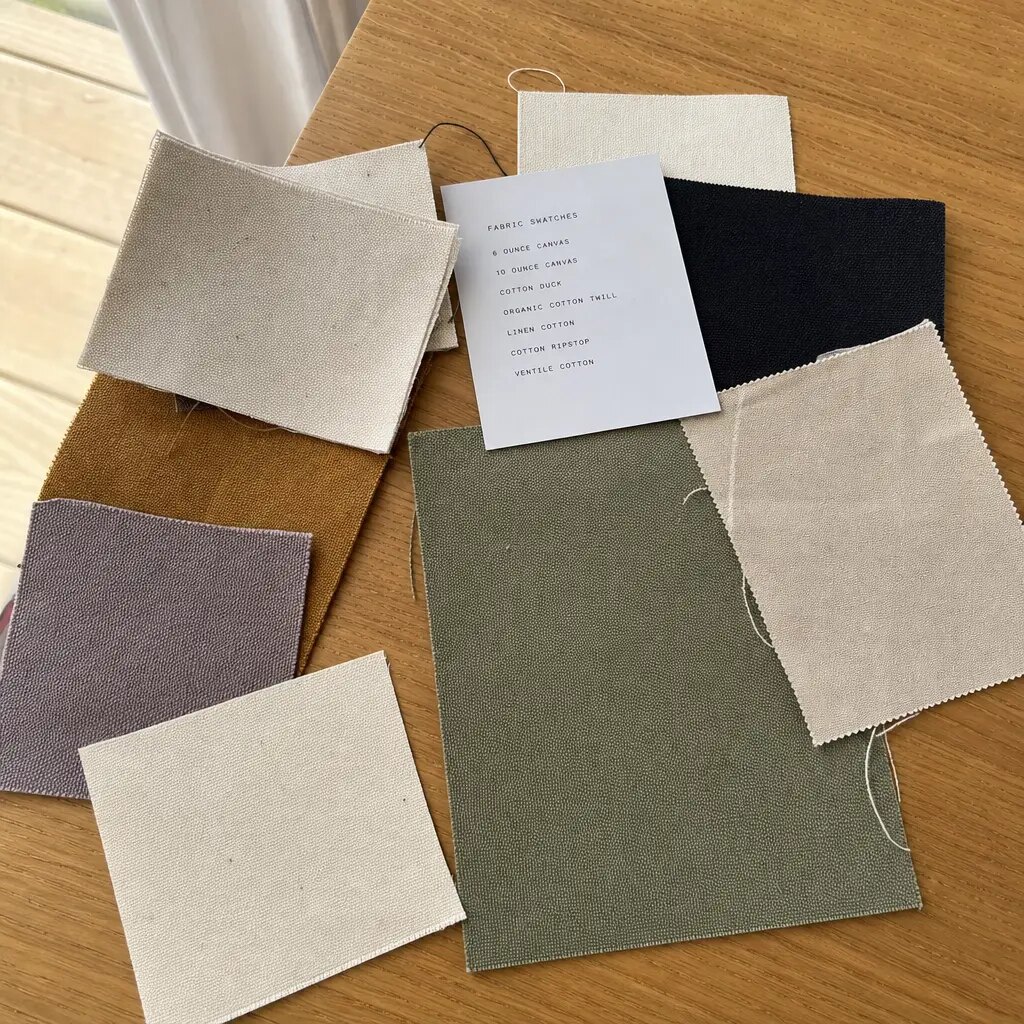
Fabric weight is one of the first quote variables because it changes material cost, cutting behavior, sewing speed, and how the finished wine carrier sits. Light 6 oz to 8 oz canvas can work for very low-cost promotional sleeves, but it often feels too soft for hotel retail. For most single-bottle carriers, 10 oz canvas, roughly 340 GSM, is a practical starting point. For two-bottle carriers or premium boxed-base styles, 12 oz to 14 oz, roughly 407 to 475 GSM, gives better structure.
Do not compare quotes unless the fabric weight and fabric condition are the same. Natural unbleached canvas, bleached canvas, dyed canvas, and washed canvas all price differently. Dyed dark colors can also affect print method and color coverage. A cheaper quote may simply be using lighter fabric, looser weave, narrower seam allowance, or no reinforcement at the handle.
- Budget single-bottle sleeve: 8 oz canvas, only if the bottle is light and retail expectations are modest.
- Standard hotel retail single bottle: 10 oz canvas with reinforced handle stitching.
- Premium single bottle or two bottle: 12 oz canvas with boxed base or structured bottom.
- Heavy gift carrier: 14 oz canvas when shape and perceived value matter more than lowest freight weight.
- RFQ wording: state ounce, GSM, color, weave feel, shrinkage expectation, and approved shade range.
Use MOQ logic that matches factory production
Bulk pricing is often misunderstood because buyers ask only for 500, 1,000, and 5,000 pieces without considering factory setup. A canvas wine carrier has several MOQ layers: fabric procurement, dyeing if applicable, print setup, cutting efficiency, sewing line allocation, and packing materials. A factory may accept a small MOQ, but the price will include wasted fabric, screen setup, line changeover, and higher inspection cost per unit.
For a direct factory order, a realistic pricing plan separates style MOQ, color MOQ, and artwork MOQ. One style in natural canvas with one screen print can often be more efficient than three colors and four property logos at the same total quantity. Hotel groups should decide whether they need one common brand design or property-specific artwork before asking for bulk tiers.
- Low trial quantity: use existing natural canvas and one-color print to control setup cost.
- Mid-volume order: combine properties under one carrier style and change only the hangtag if possible.
- Large retail program: negotiate annual volume with split shipments and locked construction specs.
- Multi-logo program: ask whether print setup is charged per logo, per color, or per production run.
- Reorder planning: request a repeat price based on no pattern change and no new sample development.
Separate the real cost drivers in the quote
A useful canvas wine carrier quote should not be only one unit price. The quote should show the assumptions behind that price so procurement can see what changes when the buyer adjusts the specification. Fabric is usually the largest cost driver, followed by sewing complexity, print method, packing, and order size. For two-bottle carriers, the divider and base construction add both material and labor.
When comparing suppliers, look for missing cost lines. Some suppliers include screen charges in the unit price, while others list them separately. Some include individual polybags, hangtags, or barcode stickers; others quote bulk carton packing only. If the buyer does not standardize these items, the lowest unit price can become the higher landed cost after packing changes, sample revisions, and air freight for delayed approval.
- Fabric cost: canvas GSM, width utilization, color, shrinkage, and cutting waste.
- Labor cost: boxed base, divider, binding, handle reinforcement, and seam finishing.
- Decoration cost: screen count, ink type, curing, artwork size, placement difficulty, and reject rate.
- Packing cost: folding method, individual bagging, hangtag, barcode label, carton quality, and carton cube.
- Commercial cost: sample fees, inland freight, export documentation, payment terms, and inspection support.
Choose print methods by artwork and fabric
Most hotel retail canvas wine carriers use screen printing because it is cost-efficient, durable, and works well on flat panels. A one-color CTM-style front logo or hotel mark is usually straightforward. Multi-color artwork requires more screens, tighter registration, and more sampling time. On dark dyed canvas, standard water-based ink may not cover well, so the factory may need discharge, plastisol, heat transfer, or a patch label depending on the brand look.
The buyer should define print requirements in measurable terms. Include artwork file type, Pantone references, print size, print position from seam or top edge, and acceptable placement tolerance. For a retail product, a logo shifted by 10 mm can look careless when carriers are stacked on a shelf. If the print crosses a seam, handle, or curved base, expect higher reject risk.
- Screen print: best for simple logos, medium to high volume, and stable repeat orders.
- Heat transfer: useful for detailed artwork, but test adhesion on textured canvas.
- Embroidery: premium look, but adds cost and can pucker lighter canvas.
- Woven label: good for multi-property programs where the base carrier stays common.
- Leather or PU patch: retail-friendly, but requires colorfastness and stitch testing.
Build sample approval into the pricing schedule
A bulk pricing plan is incomplete without sample timing. For canvas wine carriers, the first sample should prove construction, bottle fit, handle strength, and fabric hand feel. The branded pre-production sample should prove print color, logo position, packing fold, and final workmanship. Do not approve bulk production from a photo of a generic wine bag unless the order is truly a plain stock item.
Sample approval should have a written pass or revision status. Buyers often lose one or two weeks because the factory is waiting for vague feedback such as looks good except logo maybe smaller. Procurement can prevent this by marking the sample with exact changes: reduce logo to 80 mm width, move print 20 mm down from top edge, increase handle length to 350 mm, or adjust base width for a Burgundy bottle.
- Construction sample: confirms pattern, dimensions, canvas weight, base, divider, and handle length.
- Print strike-off: confirms ink color, coverage, curing, and rub resistance before full sample sewing.
- Pre-production sample: confirms the exact approved product for bulk cutting and sewing.
- Packing sample: confirms folding, barcode, hangtag, polybag, and carton presentation.
- Approval record: keep signed sample photos, measurement sheet, and revision notes with the PO.
Set QC thresholds that protect loaded use
Wine carriers fail in ways that are easy to prevent if the buyer defines acceptance criteria. The main risks are weak handle stitching, base seam opening, divider movement, print rubbing, and poor bottle fit. A carrier may look acceptable when empty but fail after being loaded with one or two glass bottles. Inspection must include loaded handling, not only visual checking on a flat table.
For hotel retail, cosmetic standards also matter. Natural canvas can have small slubs, but oil stains, dark dirt marks, heavy shade variation, or ink smears should be rejected. If the brand wants a rustic natural look, define what is acceptable with photos. Without reference samples, the factory and buyer may disagree about whether fabric flecks are natural character or defects.
- Measure finished size using the approved tolerance, commonly plus or minus 5 mm for key dimensions.
- Run a loaded pull test on handles using the intended bottle weight plus safety margin.
- Inspect stitch density and seam allowance at handle joints, base corners, and divider seams.
- Test print curing with dry rub and light damp rub before approving shipment.
- Check bottle insertion and removal using the buyer’s actual bottle types.
- Apply AQL inspection levels suitable for retail presentation, not only industrial packaging.
Plan packing for shelf presentation and freight
Packing has a direct effect on landed cost and retail readiness. Flat packing saves carton space but can create fold lines that affect shelf display. Individual polybags protect against moisture and dirt, but some hotel retail buyers prefer plastic-free packaging. Kraft sleeves, belly bands, or hangtags improve presentation but add labor and can slow packing speed. The right choice depends on whether the carrier arrives at a distribution center, hotel property, wine shop, or ecommerce fulfillment center.
Carton data should be requested at quote stage, not after production. Importers need estimated carton dimensions, gross weight, net weight, and quantity per carton to calculate freight. A two-bottle 12 oz canvas carrier packed with a hangtag may have a very different carton cube than a flat single-bottle sleeve. If the order ships by air for a hotel opening, volume weight can become more important than unit price.
- Bulk carton only: lowest packing cost, suitable when the distributor repacks locally.
- Individual polybag: better cleanliness, but less attractive for plastic-reduction programs.
- Kraft belly band: good retail presentation and easier barcode placement.
- Hangtag: useful for brand story, care instructions, and SKU scanning.
- Carton limit: keep gross weight manageable for warehouse handling and hotel receiving teams.
Control schedule risk before peak season
Lead time for canvas wine carriers depends on fabric availability, sample approval speed, print complexity, factory capacity, and packing requirements. A simple natural canvas single-bottle carrier may move quickly if fabric is in stock. A dyed canvas two-bottle carrier with custom patch, hangtag, and multiple hotel logos needs more calendar time because each step has approval and rework risk.
The purchase order should define when the production clock starts. Factories usually count lead time after deposit, artwork confirmation, material confirmation, and sample approval. If the buyer treats the quote date as the lead-time start, shipment planning will be wrong. For hotel retail programs tied to openings, wine festivals, holiday gifting, or resort peak season, leave buffer for sample revisions and final inspection.
- Fastest route: natural canvas, one existing pattern, one-color screen print, carton packing.
- Moderate route: custom size, two-bottle divider, approved print strike-off, hangtag packing.
- Higher-risk route: dyed fabric, embroidery or patch, multiple logos, strict retail packaging.
- Schedule control: approve artwork, sample, packing, and carton marks before the factory books bulk production.
- Shipment planning: compare air, sea, and courier sample timing using carton cube and delivery deadline.
Compare landed cost, not only unit price
The best bulk pricing plan compares the landed cost per sellable carrier. A low ex-factory price can lose value if the carrier uses weak fabric, oversized cartons, poor packing, or requires rework at destination. Importers and distributors should calculate unit price together with inland freight, export handling, ocean or air freight, duty, inspection, local delivery, and expected defect allowance.
For hotel retail buyers, sellable presentation also affects cost. If staff must steam, refold, relabel, or discard stained pieces at property level, the true cost is higher than the supplier invoice. A slightly higher factory price that includes better carton protection, accurate folding, and lower defect rate can be cheaper at program level.
- Compare ex-factory price only after matching fabric GSM, construction, print, and packing.
- Use carton cube to calculate freight impact between single-bottle and two-bottle styles.
- Include sample revision cost and approval delays when comparing new suppliers.
- Estimate defect allowance for stains, print misregistration, seam issues, and crushed packing.
- For repeat programs, negotiate annual volume pricing with scheduled releases instead of one urgent PO.
Specification comparison for buyers
| Spec decision | Recommended option | When it fits | Buyer risk to check |
|---|---|---|---|
| Direct canvas bag factory route | Use when order volume is stable and specs are already defined | Best for hotel retail chains, distributors, and importers ordering repeat bulk wine carriers | Factory must show fabric stock control, print capability, packing photos, and pre-shipment inspection records |
| Trading company or sourcing agent route | Use when consolidating wine carriers with other hotel retail items | Fits mixed-category buying where one shipment includes bags, amenities, and packaging | Unit price may hide subcontracting markup; require the actual factory name, sample room photos, and QC responsibility |
| Ready-stock blank carrier route | Use plain natural canvas carriers with local branding after import | Fits urgent hotel openings, seasonal gift sets, or small retail trials | Stock fabric weight, shrinkage, and handle strength may not match custom retail requirements |
| Custom made-to-order route | Specify GSM, bottle count, handle length, print, divider, and packing from the start | Fits branded hotel boutiques, resort gift shops, wine distributors, and retail private label | Longer lead time and higher MOQ; approve full pre-production sample before cutting bulk fabric |
| Single-bottle carrier program | 10 oz to 12 oz canvas with reinforced handle stitching | Works for room gifts, tasting events, wine shop checkout bags, and add-on retail sales | Check bottle fit for 750 ml Bordeaux and Burgundy shapes, not only one slim sample bottle |
| Two-bottle carrier program | 12 oz to 14 oz canvas with center divider and boxed base | Fits premium hotel retail, gift hampers, and distributor promotions | Divider must be sewn securely into base or side seam; loose dividers can shift and damage bottles |
| Overseas print at factory | Screen print or heat transfer before sewing or after panel cutting depending on artwork | Best when buyer wants consistent logo placement and one finished import SKU | Artwork tolerance, color matching, and curing test must be approved before bulk production |
| Local decoration after import | Import blanks, then embroider, patch, or print locally for smaller drops | Fits regional hotel groups with different property logos and short replenishment cycles | Blank carrier construction must allow decoration access; seams and handles can block print frames |
Buyer checklist before sampling
- Define carrier format: single bottle, two bottle, boxed base, flat base, divider, or sleeve style.
- State fabric in both ounce and GSM, such as 10 oz about 340 GSM or 12 oz about 407 GSM, and request tolerance.
- Confirm bottle dimensions against the exact bottles used by the hotel, winery, or retail buyer.
- Specify handle length, reinforcement method, and minimum seam strength for loaded use.
- Provide logo size, Pantone reference, print position, and acceptable placement tolerance.
- Separate ex-factory unit price, tooling or screen cost, sample cost, carton cost, and inland freight.
- Request one blank construction sample and one branded pre-production sample before bulk cutting.
- Define inner packing, carton quantity, carton dimensions, carton weight limit, and barcode or SKU label needs.
- Set inspection criteria for fabric stains, print defects, seam allowance, handle strength, and bottle fit.
- Build production approval dates into the purchase order so lead time does not start from an unclear email approval.
Factory quote questions to send
- What canvas weight, weave, and color options are included in the quoted price, and what is the GSM tolerance?
- Is the quote based on greige natural canvas, dyed canvas, washed canvas, or bleached canvas?
- What MOQ applies per style, per color, and per print design for the wine carriers?
- What bottle size was used to calculate the pattern, and can the sample fit our actual bottle dimensions?
- Which print method is quoted, and how many colors, screens, or setup charges are included?
- Are handle reinforcement stitching, divider sewing, and boxed base construction included or quoted separately?
- What is the pre-production sample lead time after artwork approval, and what exactly must be approved before bulk starts?
- What packing method is included: flat packed, folded, individual polybag, kraft sleeve, hangtag, or master carton only?
- What are the estimated carton dimensions, gross weight, and units per carton for freight calculation?
- What inspection standard does the factory use for AQL, and can they provide inline and final inspection photos?
Quality-control points to confirm
- Fabric weight should match the approved sample within the agreed GSM tolerance, commonly plus or minus 5 percent.
- Finished carrier must fit the nominated bottle shape without forcing the seams or stretching the base.
- Handle attachment should withstand a loaded pull test using the intended bottle weight plus a safety margin.
- Screen print edges should be clean, cured, and resistant to dry rub and light damp rub testing.
- Divider panels on two-bottle carriers should stay vertical and be secured at the base or side seam.
- Seam allowance should be consistent, with no skipped stitches, open seams, loose threads, or needle damage.
- Natural canvas shade variation should remain within the approved bulk swatch range, not simply described as acceptable.
- Cartons should protect the carriers from moisture, crushing, and transfer staining during sea or air freight.