Why Top Hem Fold Variance Becomes a Buying Problem
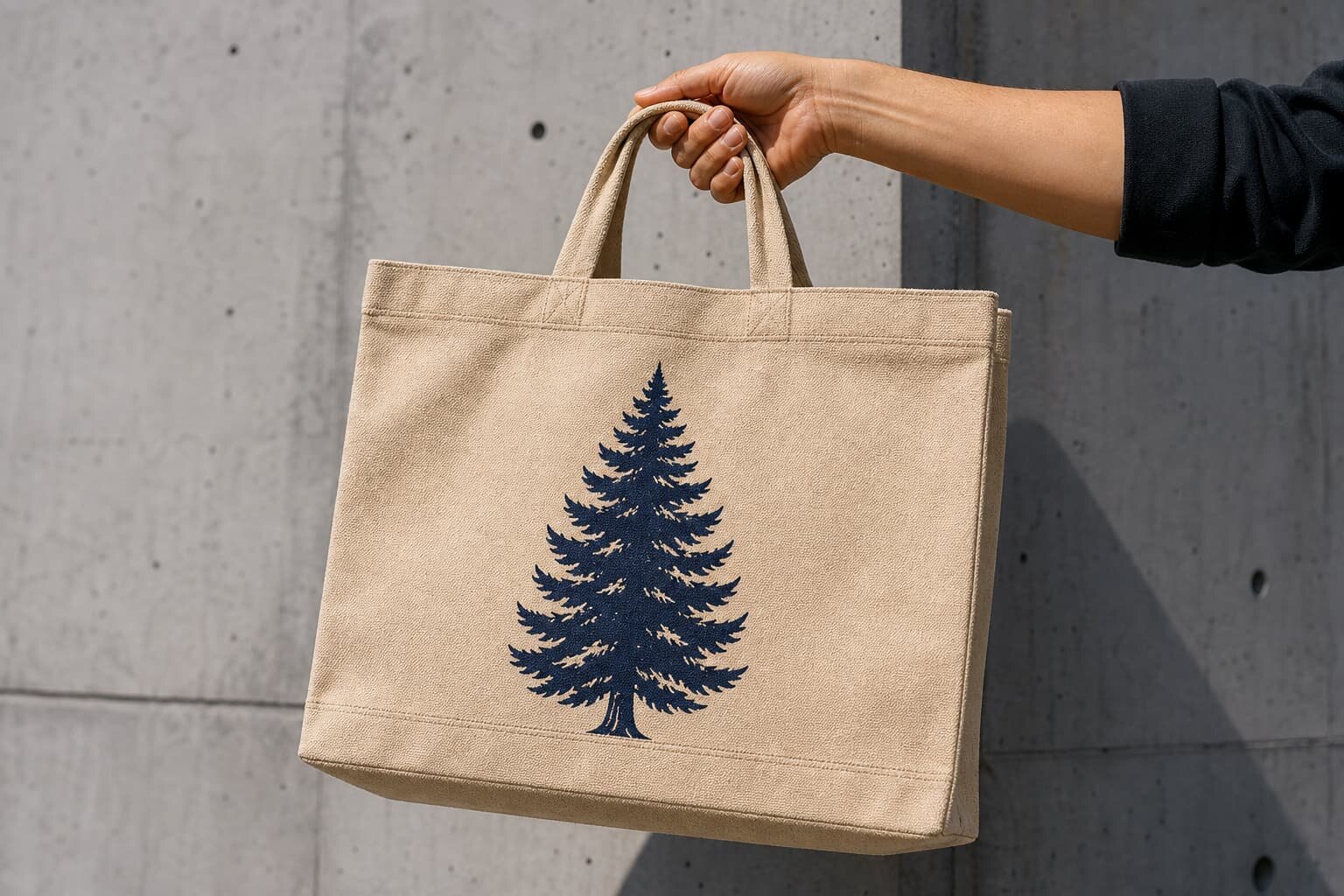
The top hem fold looks like a small sewing detail, but it controls how a canvas tote bag opens, hangs, and presents the front print. When the fold height varies from left to right, the top edge can wave, the handle bases can look uneven, and a centered logo may appear tilted. For a retail tote, this becomes a visible quality issue. For a promotional tote, it can still create complaints when bags are stacked, photographed, or handed out at events.
A top hem fold variance tracker gives the buyer and factory a shared way to measure this detail before bulk production. Instead of saying the opening should look neat, the RFQ defines the finished hem height, measurement points, tolerance, and photo evidence. This helps procurement teams compare quotes fairly because a supplier quoting a loose tolerance and a supplier quoting a controlled fold are not offering the same bag.
- Use the tracker when the tote has a visible top stitch, contrast thread, shoulder handles, inner pocket, snap button, or artwork near the upper panel.
- Do not approve only a front-view photo; ask for ruler photos at left, center, and right points.
- Treat top hem control as part of construction cost, not as a cosmetic request added after price negotiation.
Define the Fold Before You Ask for a Price
A factory cannot quote accurately if the RFQ only says canvas tote bag with hemmed top. The important choice is whether the top edge is single fold, double fold, bound, or combined with a zipper or lining. For most unlined cotton canvas tote bags, a double fold hem is the safer commercial option because it hides the raw edge and gives a stronger opening. A common finished hem height is around 2.5 cm, but buyers should specify the exact target in millimeters.
The fold allowance is not the same as the finished hem height. For example, a finished 25 mm top hem may need a larger folding allowance before sewing because part of the fabric is turned inside. Heavier canvas, side seam bulk, and washing shrinkage can all affect the final result. If your RFQ only states the finished bag size, suppliers may make different assumptions and the cheapest quote may come from a simplified fold that does not match your retail standard.
- Basic promo tote: 8 oz canvas, double fold top hem, +/-3 mm tolerance may be acceptable.
- Retail brand tote: 10 oz or 12 oz canvas, double fold top hem, +/-2 mm tolerance is usually more suitable.
- Heavy utility tote: 14 oz to 16 oz canvas needs slower sewing and stronger folding control around side seams.
- Lined or zippered tote: top hem measurement must be coordinated with zipper tape, lining edge, and opening width.
Build the Variance Tracker Around Measurement Points
The tracker should not rely on one measurement at the center of the bag. Canvas folds often drift near side seams because the operator is sewing through multiple layers. The center may look correct while the left and right corners are too narrow or too deep. A practical tracker measures six points per bag: front-left, front-center, front-right, back-left, back-center, and back-right. For a larger tote, add points near each handle base.
For each point, record the target hem height, actual measurement, deviation, pass or fail result, and photo file name. This gives sourcing teams a way to compare the gold sample, pre-production sample, inline sample, and final inspection sample. It also prevents arguments after shipment because the buyer and factory already agreed how the measurement is taken.
- Measure from the finished top edge down to the visible stitch line or agreed lower fold edge.
- Keep the ruler flat and perpendicular to the top edge; angled ruler photos create false readings.
- Record front and back panels separately because one side may be affected by pocket, label, or handle reinforcement.
- Use the same measurement method during sample approval and final inspection.
Set Acceptance Criteria That Match the Bag Use
Not every canvas tote needs the same tolerance. A cheap event giveaway bag may not justify the same top hem control as a premium retail tote sold in a store. The buyer should set acceptance criteria based on visibility, fabric weight, print position, order quantity, and the commercial risk of returns. A clear tolerance helps the factory decide whether normal flat-bed sewing is enough or whether they need extra folding preparation, operator training, or inline checking.
A realistic tolerance for many canvas totes is +/-2 mm for retail-facing bags and +/-3 mm for simpler promotional bags. Tighter than +/-1 mm may be possible only with higher control cost and should be discussed before quoting. If the buyer asks for a very low unit price and then rejects goods for minor fold variation not stated in the RFQ, the dispute is hard to solve. Write the tolerance early and include it in both the quotation sheet and approved sample comments.
- Sample approval tolerance can be tighter than bulk tolerance, but the difference must be written.
- Define maximum left-to-right difference on the same panel, not only deviation from target.
- Add visual rejection criteria for wavy top edge, twisted opening, exposed raw edge, and uneven handle height.
- Tie acceptance criteria to AQL inspection or your own sampling plan so the factory knows the risk level.
Connect Top Hem Control With Fabric GSM and Canvas Weight
Canvas tote bag quotes often use ounces instead of GSM, but procurement teams should ask for both where possible. As a rough reference, 8 oz canvas may sit around 270 gsm, 10 oz around 340 gsm, and 12 oz around 400 gsm, depending on weave and finishing. These are not universal conversions, so the quoted fabric specification should include actual gsm, yarn count or fabric construction if available, and whether the material is greige, dyed, washed, or treated.
Top hem variance becomes harder to control as fabric gets thicker or softer. Heavy canvas resists folding and creates bulky corners at side seams. Very soft washed canvas can stretch under the presser foot and make the stitch line wander. If the bag is dyed after sewing, shrinkage may also change the final top hem height. The safest approach is to approve the hem after the same fabric finishing route that will be used in bulk.
- 8 oz canvas: easier to fold, lower cost, but less structure and more risk of a weak opening if the fold is narrow.
- 10 oz canvas: balanced option for branded totes with screen printing and standard retail use.
- 12 oz canvas: stronger appearance, but needs better folding control and may slow sewing output.
- 16 oz canvas: premium heavy feel, but top hem bulk and side seam thickness must be sampled before MOQ commitment.
Protect Print Placement From Hem Variation
Top hem variance affects print alignment even when the printing department did its job correctly. If a logo is measured from the cut panel before sewing, and the top fold later varies by several millimeters, the finished bag may make the logo appear too high, too low, or slightly slanted. This is common when artwork is placed close to the upper opening or when a wide logo runs near the top edge.
For screen printing, heat transfer, digital pigment printing, or embroidery, artwork should be positioned from the finished top edge in the approved sample. A practical rule is to keep the main logo at least 35 to 45 mm below the finished top hem stitch line, unless the design intentionally sits near the edge. If the artwork must be close to the top, tighten the hem tolerance and ask for a printed pre-production sample rather than approving a blank sewing sample.
- Screen print: check panel stability after printing and curing because heat and handling may affect folding.
- Digital pigment print: confirm print area does not become hidden or visually tilted after hem sewing.
- Heat transfer: leave enough distance from the top fold to avoid press marks and uneven adhesion near seams.
- Embroidery: avoid placing dense embroidery too close to the top hem because it can distort the panel.
MOQ and Cost Logic Behind a Tighter Tracker
A variance tracker adds control work. It may require more careful folding, slower sewing, inline measurement, rejected semi-finished pieces, and photo records. For small orders, the factory may absorb some of this into sample handling. For bulk orders, especially with tight tolerances, it becomes a production planning issue. Buyers should not assume every factory quote includes the same inspection depth.
MOQ can also be affected by fabric sourcing, dye lots, printing setup, and sewing line allocation. A plain natural canvas tote with standard 10 oz fabric may have a more flexible MOQ than a custom dyed 12 oz tote with contrast stitching and +/-2 mm top hem tolerance. When comparing quotes, ask whether the price includes top hem measurement records or only normal workmanship control. This is especially important for distributors quoting the same bag to multiple end clients.
- Lower control cost: standard natural canvas, simple double fold, same-color thread, artwork away from top edge.
- Medium control cost: retail tote, 10 oz or 12 oz canvas, contrast stitch, printed logo near upper panel.
- Higher control cost: heavy canvas, washed finish, zipper opening, lining, inner pocket, or tight +/-1.5 mm tolerance.
- Quote comparison point: ask how many inline measurements are included per production lot and who signs the record.
Sample Approval Workflow Before Bulk Cutting
The top hem fold variance tracker should start at sample stage, not during final inspection. First, approve the construction sample to confirm fold type, finished hem height, handle position, and stitch line. Then approve a pre-production sample made from bulk fabric or a fabric that has the same weight and finishing behavior. If the tote will be printed, the best approval sample includes printing because the finished visual alignment matters.
Before bulk cutting, ask the factory to submit ruler photos and a small measurement table. The buyer should review whether the top hem is consistent across both panels and whether the side seam corners are clean. If the sample fails by a small amount, decide whether to adjust tolerance, change the fold height, move the artwork, or require sewing correction. Do not leave the issue open with a comment such as improve in bulk. That phrase is not a production instruction.
- Approve blank construction sample only for shape, fold, and sewing feasibility.
- Approve printed pre-production sample for final logo position and visual balance.
- Keep one sealed approval sample at the factory and one with the buyer or inspection company.
- Use the same tracker sheet for PP sample, inline inspection, and final inspection.
Packing and Lead Time Details That Affect the Top Opening
Even a well-sewn top hem can arrive looking poor if the bags are packed incorrectly. Over-compressed cartons, tight rolling, or uneven folding can create permanent creases across the top opening. For retail bags, flat packing or controlled half-fold packing is usually safer than random bulk compression. If the tote has a stiff 12 oz canvas body, the carton size and folding method should be confirmed during sample approval.
Lead time should include fabric procurement, fabric inspection, cutting, printing, sewing, trimming, pressing if required, inline QC, final inspection, and packing. If the buyer adds a top hem variance tracker after production starts, the factory may need extra inspection time or rework time. Put the tracker requirement into the RFQ so the supplier can plan line output and inspection manpower from the beginning.
- Ask for packing method: flat, half-fold, individual polybag, belly band, master carton only, or retail carton.
- Confirm carton weight limits so heavy canvas totes do not crush lower layers.
- Request a packed sample photo showing how the top opening sits inside the carton.
- Add final inspection timing before shipment booking, not after goods are already sealed and loaded.
What Quote Data Buyers Should Compare
A useful canvas tote bag quotation should be more than unit price and delivery date. For this topic, the quote should show finished bag size, fabric weight or gsm, fabric color method, top hem construction, finished top hem height, tolerance, handle dimensions, stitch density, print method, packing method, MOQ, sample cost if any, sample lead time, and bulk lead time. Without these fields, a buyer may compare a stronger bag with a weaker one and think the price difference is supplier margin.
Ask suppliers to quote against the same data sheet. If one quote states 12 oz canvas, double fold 25 mm top hem, +/-2 mm tolerance, 10 stitches per inch, screen print, and flat packing, while another states only canvas tote with logo, they are not comparable. The variance tracker turns a vague sewing expectation into a measurable quote item. That makes negotiation cleaner and reduces the chance of rejection during inspection.
- Fabric: oz and gsm, color, shrinkage route, and whether bulk fabric is stock or custom woven.
- Construction: top hem type, finished hem height, seam allowance, handle reinforcement, and stitch density.
- Decoration: print method, artwork position from finished top edge, ink or transfer limitations.
- Inspection: measurement points, tolerance, sample photo requirement, inline check frequency, final report format.
- Commercial terms: MOQ, sample lead time, bulk lead time, packing quantity per carton, and quote validity.
Specification comparison for buyers
| Spec decision | Recommended option | When it fits | Buyer risk to check |
|---|---|---|---|
| Top hem fold construction | Double fold hem, 2.5 cm finished height, lockstitch top row | Most retail, event, and promotional canvas tote bags from 8 oz to 12 oz | If fold depth is not controlled, the bag opening can wave and handles may sit at different heights |
| Fabric weight range | 10 oz or 12 oz cotton canvas for structured totes; 8 oz for budget promo use | 10 oz works for printed brand bags; 12 oz supports heavier retail positioning | Heavier canvas increases folding resistance and may widen top hem variance if sewing allowance is too tight |
| Top hem tolerance | +/-2 mm for visible retail bags; +/-3 mm for basic promotional bags | Use tighter tolerance when contrast stitching, top edge printing, or handle reinforcement is visible | A tolerance written only as 'good workmanship' is not measurable during inspection |
| Print placement near top edge | Keep main logo at least 35-45 mm below finished top hem stitch line | Useful for screen print, heat transfer, and digital pigment print on flat panels | If print sits too close to the fold, sewing variation can make the logo look crooked even when printing is correct |
| Handle attachment relationship | Measure handle top edge after hem folding; keep handle spacing and height tied to finished opening | Important for long shoulder handles and reinforced X-box stitching | If handles are attached before hem stability is confirmed, the final bag may twist or hang unevenly |
| Inspection method | Measure left, center, and right top hem height on front and back panels for each sampled bag | Best for RFQ comparison, pre-production samples, inline inspection, and final AQL checks | One center measurement can miss corner roll, side seam bulk, and operator folding drift |
Buyer checklist before sampling
- State finished top hem height in millimeters, not only sewing style or photo reference.
- Confirm whether the top hem is single fold or double fold and whether raw edge must be fully enclosed.
- Set top hem variance tolerance separately for sample approval and bulk production inspection.
- Ask the factory to measure front-left, front-center, front-right, back-left, back-center, and back-right points.
- Check if fabric shrinkage after washing, dyeing, or pigment printing changes the final fold measurement.
- Keep logo placement and handle attachment dimensions referenced from the finished top edge.
- Request top hem photos with ruler before approving pre-production sample release.
- Confirm whether contrast stitching, binding, zipper opening, snap button, or inner pocket changes top hem handling.
- Add top hem fold measurement to the final inspection report instead of relying only on general appearance.
- Compare supplier quotes using the same fabric weight, hem style, stitch density, tolerance, and packing method.
Factory quote questions to send
- What finished top hem height will you quote, and what folding allowance do you add before sewing?
- Is the top hem single fold or double fold, and will the raw fabric edge be hidden inside the fold?
- What top hem variance tolerance can you hold in bulk for 8 oz, 10 oz, 12 oz, and 16 oz canvas?
- At which production stage do you attach the handles: before top hem folding, after folding, or after topstitching?
- How many measurement points will you record on the pre-production sample and on inline inspection?
- Will fabric washing, dyeing, or printing be completed before cutting, and how do you control shrinkage?
- What stitch type, stitch density, thread count, and needle size are included in the quote?
- How far from the finished top hem should artwork be placed to avoid visual slant from sewing tolerance?
- Does the quoted MOQ change if we require tighter +/-2 mm top hem tolerance and photo measurement records?
- How will bags be packed so the top opening is not crushed, rolled, or permanently creased during export cartons?
Quality-control points to confirm
- Measure finished top hem height at six points per bag: three on the front panel and three on the back panel.
- Check top edge waviness by laying the bag flat and comparing both side seam corners against the center line.
- Confirm raw edge is fully enclosed on double fold construction, especially near side seam bulk.
- Verify stitch line distance from the top edge is consistent and does not bite into the fold unevenly.
- Compare handle base height from the finished top edge on left and right handles.
- Inspect print position after sewing, not only before sewing, because top hem variance changes visual alignment.
- Check for skipped stitches, needle cuts, puckering, and thread tension changes along heavy folded areas.
- Record measurement photos from approved sample, inline inspection, and final inspection for dispute prevention.