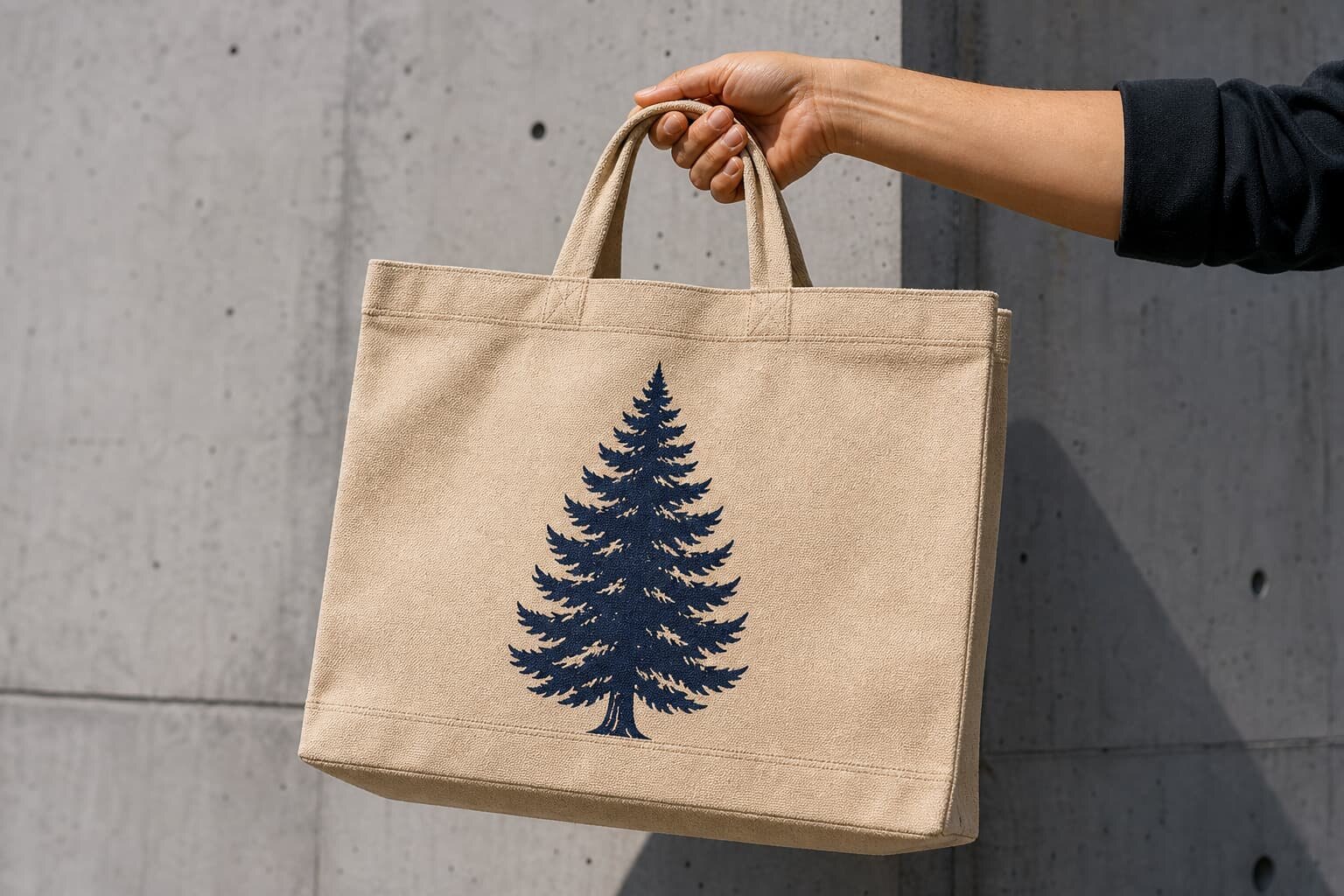
Why the Top Hem Fold Deserves Its Own Quality Report
The top hem fold is a small construction detail, but it controls how a canvas tote bag looks when the buyer, retailer, or end user first opens it. If the folded edge is wavy, shallow, twisted at the side seam, or uneven under the handles, the whole bag looks poorly made even when the fabric and print are acceptable. For procurement teams comparing several canvas tote suppliers, a specific canvas tote bag top hem fold quality report prevents a common problem: quotes that look equal on paper but produce very different finished bags.
This report is not a decorative inspection note. It should connect the finished bag size, fabric GSM, stitch type, print placement, handle reinforcement, packing method, and shipment acceptance criteria. A good report helps the importer prove what was approved, what was produced, and whether a defect should be corrected before shipment. Without it, disputes usually become subjective, with the factory saying the bags are within normal handmade tolerance and the buyer saying the opening looks messy.
- Use the report when the bag has visible retail presentation, branded front printing, or higher carrying load.
- Treat the top hem as a construction dimension, not only as a sewing detail.
- Attach photos and measurements to the purchase order file before bulk cutting starts.
- Make the report part of shipment release for repeat orders, especially if factories change sewing operators.
What a Proper Top Hem Fold Specification Should Include
A usable specification starts with the finished hem, not the fabric cut allowance. Many RFQs only say cotton canvas tote bag, 38 x 42 cm, long handles, logo print. That is not enough. The factory still has to decide how much fabric to fold, whether to hide the raw edge, where to place the top stitch, and how to manage side seam thickness. Each decision affects cost, appearance, and tolerance.
For a standard promotional or retail canvas tote, buyers often specify a finished top hem fold of 25-30 mm. On lighter cotton sheeting, a narrow fold may work, but on 10 oz to 12 oz canvas, the fold needs enough depth to sit flat and hold the stitch line securely. If the tote uses a gusset, inside pocket, zipper, or heavy cotton webbing handle, the hem area becomes thicker and should be checked separately during sampling.
- Finished hem depth: for example, 25 mm plus or minus 2 mm measured from the top edge down to the visible lower fold line.
- Fold type: single fold with overlocked edge, or double fold with raw edge hidden.
- Stitch position: for example, 4 mm from top edge, plus a lower securing stitch if needed.
- Side seam finish: clean alignment where front and back hems meet at the side seam.
- Handle relation: handle ends inserted under the hem or sewn on top of the finished hem, depending on design.
Fabric Weight and GSM Change the Hem Result
Canvas weight is one of the first quote lines buyers compare, but it is also one of the main reasons top hems fail. A 6 oz to 8 oz cotton canvas may fold easily but can look thin at the opening. A 10 oz to 12 oz canvas, around 280-340 GSM depending on weaving and finishing, gives better body but needs stronger pressing, suitable needle selection, and slower sewing at thick intersections. A 14 oz canvas can look premium, but the folded top edge becomes bulky unless the construction is engineered properly.
The buyer should not assume that the same hem specification works across all fabric weights. If a distributor asks factories to quote 8 oz, 10 oz, and 12 oz versions, the top hem quality report should show separate sample measurements and photos for each weight. The heavier option may require adjusted stitch length, stronger thread, or a different handle attachment method. This is why the cheapest quote often hides risk: the factory may reduce fold depth, reduce stitch density, or skip pressing to keep labor cost down.
- 8 oz canvas: easier sewing, lower cost, but the hem may collapse if used for heavier retail goods.
- 10 oz canvas: common balance for branded tote bags with screen print or heat transfer.
- 12 oz canvas: better structure, but side seam and handle areas need careful needle and tension control.
- 14 oz canvas: suitable for premium bags only when the buyer accepts higher sewing time and bulkier folded edges.
Print Placement Problems Caused by Hem Variation
Top hem fold variation often becomes a print complaint. If artwork is placed too close to the bag opening, a 3 mm difference in fold depth can make the logo appear too high, tilted, or visually cramped. This is especially visible on simple front logos, rectangular brand marks, and large screen prints centered on the bag panel. The problem is worse when the factory prints panels before sewing, because the final top edge is not yet fixed.
For screen printing, buyers should define artwork position from the finished top edge and finished side seam whenever possible. For heat transfer patches or digital print, the same rule applies. If the factory must print before sewing, request a production layout showing the cut panel, fold allowance, final stitch line, and expected finished logo location. This prevents a common argument where the print supplier says placement was correct on the flat panel, while the bag factory later changes the actual finished height by folding more or less fabric.
- Keep most logos at least 35-45 mm below the finished top edge unless a closer placement is sample-approved.
- Measure print position after sewing on the pre-production sample, not only on the fabric panel.
- Check whether heat pressing near the hem creates shine, flattening, or edge marks on natural canvas.
- Include a front-panel measurement photo in the quality report for each print colorway.
Sample Checks Before Bulk Production
The pre-production sample should not be approved only from a front photo. A proper approval set needs the bag laid flat, the mouth opened, both side seams shown, and the handle join areas photographed close up. The buyer should ask for a ruler in the image, because visual judgment is not enough when the tolerance is only 2 mm or 3 mm. If the order includes several colors, fabric lots, or logo positions, each version should be checked because dyed canvas can fold and press differently from natural canvas.
Sample approval should also include touch and handling, if time allows. Open the bag, pull the handles lightly, fold the mouth outward, and check whether the hem rolls, cracks, or reveals raw edge. On a natural cotton canvas bag, loose lint and thicker yarn slubs can make the edge look uneven even when measurement is correct, so the buyer should separate fabric character from sewing defects. The point is not to reject normal canvas texture; the point is to reject uncontrolled folding and poor seam execution.
- Measure hem depth at center front, center back, left side seam, and right side seam.
- Check stitch density per inch or per 3 cm against the approved standard.
- Confirm the finished bag height after the hem is sewn.
- Review inside-mouth photos for exposed raw edge, fraying, or overlock inconsistency.
- Keep one signed physical golden sample and one digital photo record with date and version.
Acceptance Criteria for a Buyer-Friendly Quality Report
A top hem quality report should be written so both the factory inspector and the buyer can make the same decision. Avoid vague wording such as nice sewing, clean finish, or acceptable top edge. Instead, define measurable points and defect categories. This helps during AQL inspection because the inspector can count defects consistently rather than argue about appearance.
For many B2B tote orders, buyers can classify severe structural issues as major defects and minor cosmetic variation as minor defects. For example, exposed raw edge at the bag opening, broken top stitch, or handle reinforcement missing should usually be major. A slightly uneven stitch line within a small tolerance may be minor, depending on the retail level. The exact standard depends on the bag's use, but it must be decided before production, not after cartons are packed.
- Major defect examples: raw edge exposed, broken top stitch, skipped stitches across handle load area, top hem not secured.
- Minor defect examples: small stitch waviness within approved tolerance, slight fold depth variation not visible at normal use distance.
- Measurement standard: record actual hem depth and finished bag height on sampled pieces.
- Photo standard: include close-ups of pass and fail examples before the first bulk inspection.
- Disposition rule: define whether defects require repair, replacement, discount discussion, or shipment hold.
MOQ, Cost, and Lead Time Logic Behind Hem Construction
Top hem construction affects cost more than many buyers expect. A simple single fold is faster and cheaper, but it may leave a raw or overlocked edge visible inside the bag. A clean double fold takes more fabric allowance, more pressing control, and more sewing time. If the order uses heavy 12 oz canvas, contrast stitching, or handles inserted into the top hem, the factory may need a slower sewing line and more inline trimming. That can affect MOQ and lead time.
When comparing quotes, do not ask only for unit price. Ask what top hem construction the price includes. One supplier may quote a shallow single fold, while another includes a double fold with hidden raw edge and reinforced handle crossing. The second quote may look higher but produce fewer claims and less rework. For small MOQs, factories may avoid special folders, jigs, or dedicated pressing because setup time is high. For larger orders, tooling and line training become easier to absorb.
- MOQ may increase if the buyer requires custom hem width, double fold, or special thread color.
- Lead time may increase when pre-production sample approval includes revised hem and print placement.
- Fabric consumption changes when fold depth increases, especially on large tote dimensions.
- Labor cost rises when heavy canvas needs pressing before sewing and trimming after reinforcement.
- Quote comparisons should separate fabric, printing, sewing construction, packing, and inspection requirements.
Packing Risks That Can Damage a Good Hem
A bag can pass sewing inspection and still arrive with poor top-edge appearance if packing is too tight. Canvas has memory, especially after pressing and stacking. If the factory folds bags sharply across the top hem, compresses too many pieces into a carton, or straps cartons heavily, the top edge may arrive bent or wavy. Natural canvas also shows pressure marks more easily than darker dyed canvas.
The quality report should include packing photos and carton details because top hem claims often appear only after unpacking at the buyer's warehouse. If the order is for retail shelves, the buyer may prefer flat packing or a controlled half-fold that avoids crushing the mouth. For distributor bulk orders, cost pressure may push toward high carton quantities, but the buyer should test carton compression before approving the final packing method.
- Confirm pieces per polybag or bundle and whether bags are folded through the top hem.
- Ask for carton dimensions, gross weight, and stacking method before shipment.
- Use tissue or paper only when it prevents pressure marks and does not add unnecessary waste.
- Check top hem appearance after a packed carton sits for 24-48 hours, not only immediately after sewing.
- For retail orders, request a packed sample or packing trial photo before mass packing.
How to Compare Supplier Quotes Using the Report
A canvas tote bag top hem fold quality report is useful during sourcing because it turns a subjective sewing detail into quote data. When procurement teams receive several offers, they should compare the actual construction behind each price. If Supplier A quotes 10 oz canvas with a single folded top edge and Supplier B quotes 12 oz canvas with double fold and stronger handle reinforcement, the price gap is not only margin. It reflects different material consumption and labor.
Ask each factory to return the same quote sheet format. Include finished size, fabric GSM, yarn or canvas description if available, fold depth, stitch density, handle size, print method, packing quantity, sample time, bulk lead time, and inspection standard. This makes commercial negotiation cleaner. Instead of pushing all suppliers to the lowest number, the buyer can decide where to reduce cost without creating a visible quality problem.
- Quote line 1: fabric weight in oz and GSM, including finish such as natural, dyed, washed, or laminated.
- Quote line 2: top hem type, fold depth, stitch line position, and raw edge treatment.
- Quote line 3: handle material, width, length, and reinforcement style at the hem.
- Quote line 4: print method, artwork size, number of colors, and placement from finished top edge.
- Quote line 5: MOQ, sample fee logic, sample lead time, bulk lead time, carton packing, and inspection documents.
Common Mistakes to Prevent Before Shipment
The most common mistake is approving the bag from a front beauty photo and discovering the top hem issue only when cartons arrive. Another mistake is approving a sample made by a senior sample worker while bulk production is handled by a faster sewing line without the same pressing and measurement control. Buyers should assume the hem needs inline control, not only final inspection.
A second mistake is changing fabric weight or print placement after sample approval without updating the hem report. If a buyer upgrades from 8 oz to 12 oz canvas, the folded edge thickness changes. If the logo moves closer to the top, hem variation becomes more visible. If the packing count increases to reduce freight cost, creasing risk increases. Each change should trigger a quick report update and, when necessary, a revised pre-production sample.
- Do not approve bulk cutting until finished hem depth and bag height are confirmed.
- Do not let the factory substitute fabric GSM without checking fold behavior again.
- Do not accept print placement measured only from the raw panel edge.
- Do not skip side seam photos, because hem mismatch often appears there first.
- Do not release shipment based only on carton count and front logo photos.
Specification comparison for buyers
| Spec decision | Recommended option | When it fits | Buyer risk to check |
|---|---|---|---|
| Top hem fold depth | 25-30 mm finished fold with even edge allowance | Standard 10-12 oz cotton canvas tote bags with printed front panels | Too shallow can roll open after washing; too deep can reduce bag height and distort logo placement |
| Stitch line from upper edge | 3-5 mm from folded edge, straight lockstitch | Retail and promotional totes where the top edge is visible at shelf level | Uneven stitch distance makes the bag look cheap and can expose raw fabric inside the mouth |
| Fabric weight | 10 oz to 12 oz canvas, roughly 280-340 GSM depending on mill finish | Reusable shopping bags, event totes, and brand merchandise | Heavier canvas needs better pressing before sewing; light canvas may pucker if tension is wrong |
| Handle attachment over hem | Box-X or reinforced rectangular stitch crossing the folded hem cleanly | Bags carrying books, cosmetics, wine accessories, or retail goods | Handle stitch may crush the hem, skip at thick layers, or pull loose if needle and thread are underspecified |
| Print position near top | Keep artwork at least 35-45 mm below finished top edge unless approved by sample | Screen print, heat transfer, or digital print on front panel | Fold depth variation can make the logo look off-center or too close to the opening |
| Packing method | Flat pack or half-fold with tissue only if needed for surface protection | Bulk cartons for importers, distributors, and retail DC delivery | Tight compression can crease the top hem and make inspection failures appear after unpacking |
Buyer checklist before sampling
- State the finished bag size after top hem folding, not only the cut fabric size.
- Define top hem fold depth tolerance, such as 25 mm plus or minus 2 mm, before sampling.
- Ask for close-up sample photos of the bag mouth, side seam intersection, and handle stitch crossing the hem.
- Confirm whether the hem is single fold or double fold and whether raw edges are fully hidden.
- Check that print placement is measured from the finished top edge, not from the fabric cutting line.
- Require the same fabric GSM, washing finish, thread, and stitch density in pre-production samples and bulk.
- Ask the factory to report skipped stitches, exposed raw edge, waviness, and uneven fold depth as separate defects.
- Inspect carton packing pressure because compressed hems can arrive bent even if sewing quality is acceptable.
- Keep an approved golden sample with a signed top hem measurement record.
- Include top hem fold photos in the shipment release file, not only general front and back bag photos.
Factory quote questions to send
- What is the finished top hem fold depth you quoted, and what tolerance will your sewing line control?
- Is the hem single fold or double fold, and will any raw canvas edge remain visible inside the bag mouth?
- What canvas weight in oz and GSM are you quoting, and is it greige, dyed, washed, or pre-shrunk?
- What stitch type, thread count, needle size, and stitch density will be used on the top hem and handle reinforcement?
- How will handle attachment be aligned when it crosses the folded hem, especially on 12 oz or heavier canvas?
- Will print placement be measured from the finished top edge after sewing, or from the cut panel before sewing?
- Can you provide pre-production photos showing the top edge from front, inside mouth, side seam, and handle join points?
- What is your MOQ for this hem construction, and does the MOQ change if we require double fold, contrast thread, or heavier canvas?
- How many pieces per carton are quoted, and will the packing method protect the top hem from compression creases?
- What top hem defects are included in your AQL inspection checklist before shipment?
Quality-control points to confirm
- Finished top hem depth is consistent across front panel, back panel, and both side seams.
- Raw fabric edge is hidden where the specification requires a clean double fold.
- Top stitch line is straight, with no skipped stitches, loose thread loops, or needle cutting.
- Handle reinforcement stitches sit flat over the hem without thick-lump distortion.
- Bag height matches approved sample after hemming, not only before sewing.
- Print position remains balanced after the top hem is folded and stitched.
- Side seam intersections do not twist, flare, or expose a step at the bag opening.
- Carton packing does not create sharp creases across the folded top edge.