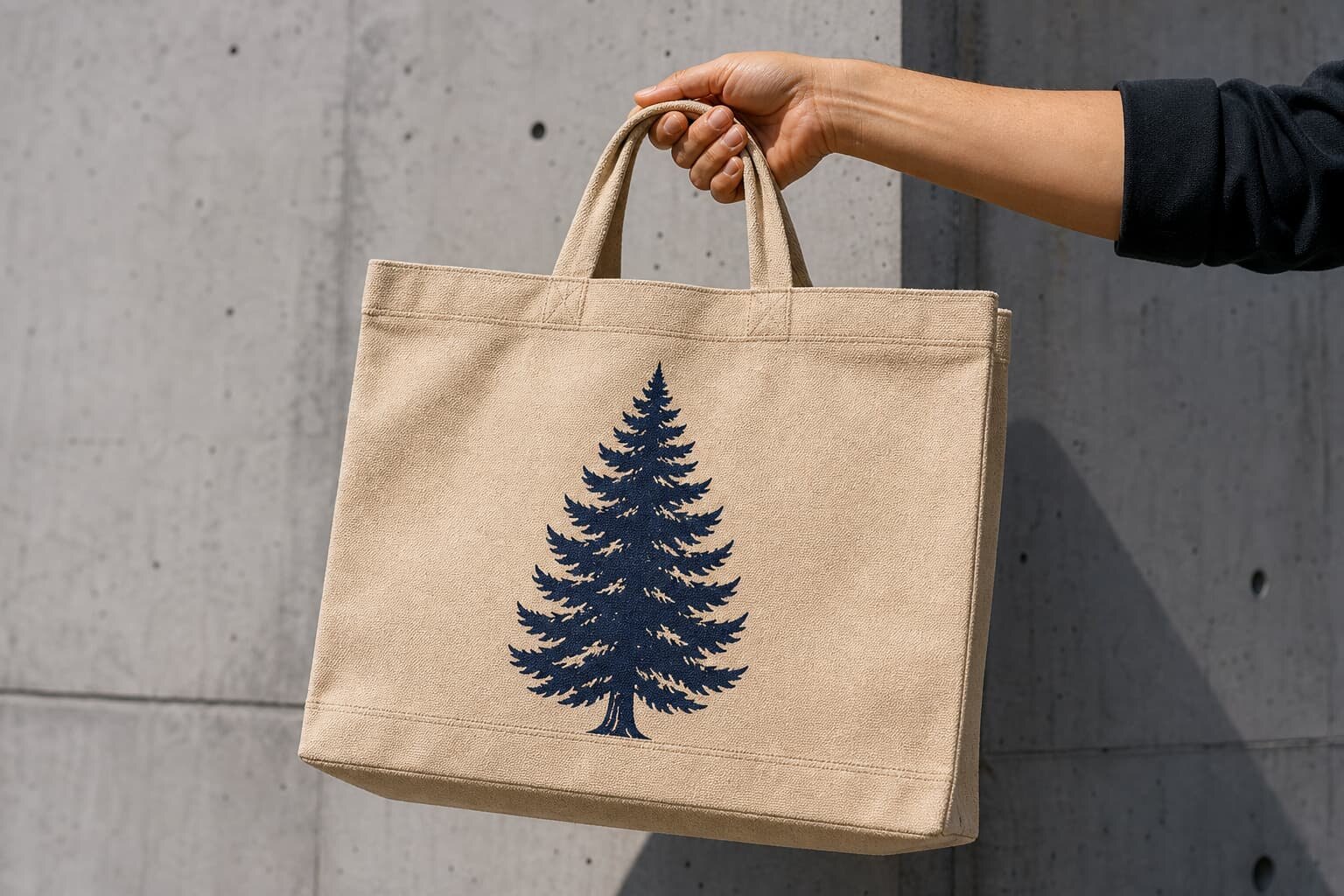
Why side seam reinforcement decides whether a tote lasts
For a canvas tote bag, the side seam is not a minor finishing detail. It is one of the main load paths when the bag is filled, lifted, swung, stacked, or packed tight in a carton. If the seam is weak, the bag can look acceptable on the sample table and still fail quickly in retail or promotional use. That is why a canvas tote bag side seam reinforcement checklist belongs in every RFQ, not only in the quality manual.
Buyers often focus on fabric weight first, but the seam structure can matter just as much as the canvas GSM. A 10 oz canvas bag with weak seam construction can fail faster than an 8 oz bag with a better stitch pattern and stronger stress-point reinforcement. The buyer’s job is to make the supplier define the construction clearly enough that two quotes can be compared on the same basis.
- Side seam failure usually shows up as stitch popping, seam opening, or distortion near the top corners.
- The risk increases when the bag carries hard edges, bottles, catalogues, or sample products.
- Good reinforcement should improve durability without making the bag bulky, crooked, or hard to pack.
What actually fails at the seam in bulk production
Most failures are not dramatic fabric tears. They start with construction drift: stitch density changes, seam allowance narrows on one run, the thread tension is too tight, or the operator misses the corner where stress concentrates. Once a tote is loaded repeatedly, those small defects create visible waves in the seam line, then popping stitches, then a broken side panel. If the buyer never defined the seam standard, the factory may still consider the lot acceptable because it matches a loose sample image rather than a measurable spec.
There is also a common mismatch between bag appearance and real use. A clean, flat seam can look premium, but if the product is intended for heavy grocery use or bottle carrying, flat construction alone is not enough. Buyers should think in terms of load path: handle to top edge, top edge to side seam, side seam to base. Reinforcement has to support that path, especially where the seam meets the handle anchor or where a gusset changes the stress angle.
- Watch for thread cut-in on lightweight canvas, especially around folded corners.
- Check whether the seam allowance is stable from top to bottom, not just at the sample point.
- Inspect the transition from side seam to base seam, because that corner often takes the highest load.
Choose the right reinforcement method before you compare quotes
Not every tote needs the heaviest possible construction. The right answer depends on load, price point, and brand position. For a giveaway bag or light retail tote, a standard double-needle side seam may be enough. For a grocery tote, conference bag, or reusable shopping bag, many buyers should move to double-needle plus bar tack at the stress points. For heavy-duty use, seam tape or internal binding can improve strength, but it also adds cost, thickness, and sewing time.
This is why a supplier quote that says simply “reinforced side seam” is not useful. Reinforcement is a family of choices, not one spec. The buyer needs the factory to declare the stitch type, reinforcement location, seam allowance, and whether the bag uses any extra tape, binding, or folded edge treatment. Those details drive both cost and performance, and they are the difference between a quote you can compare and a quote you cannot trust.
- Use lighter reinforcement when the tote is decorative or light-duty.
- Upgrade to bar tacks when the bag is frequently lifted by the handles or loaded near the top.
- Use seam tape or binding only when the use case justifies the extra cost and bulk.
Comparison table: reinforcement options buyers can actually source
The fastest way to clean up supplier quotes is to compare construction options side by side. The table below is meant for RFQ use, not design theory. If your factories are quoting different seam styles, make them map each quote to one of these buckets so you can see the real tradeoff in strength, appearance, and packing efficiency.
A low-cost option can still be acceptable if your real use case is light and your brand can tolerate a simpler finish. But if your bag will be carried daily, stuffed with product, or sold through retail channels where return risk matters, the upgrade cost for better reinforcement is usually easier to justify than a claims issue later.
- Ask each supplier which row they are quoting and why.
- Do not compare a plain seam quote against a bar-tacked quote without adjusting for performance.
- Keep the same canvas weight, print method, and size when comparing construction options.
RFQ details that prevent seam confusion later
Your RFQ should not just say “reinforced side seam.” It should define the fabric weight, seam type, seam allowance, stitch density, and any stress-point treatment in measurable terms. A good starting point for many canvas tote programs is 8-10 oz canvas for promotional or retail use, and 10-12 oz canvas when you want a firmer body and better support. If the bag is meant to hold heavier content, ask the factory to explain whether the reinforcement is changed by fabric weight or by sewing method.
Include the print method in the same request, because side seam construction can affect print placement. Screen printing, heat transfer, embroidery, and woven side labels all interact differently with the seam line. A logo too close to the seam can crack, distort, or become unreadable after sewing. If you want a clean brand result, the supplier should confirm the distance from print edge to seam and whether the decoration is applied before or after the bag is sewn.
- State canvas weight in oz and GSM if possible, such as 8 oz or about 272 GSM, 10 oz or about 340 GSM.
- Ask for seam allowance in mm, stitch count per inch, and whether the seam is single or double needle.
- Define logo placement relative to seam, handle, and base so artwork does not get pulled off-position.
How fabric weight, thread, and stitching work together
Fabric weight alone does not guarantee seam strength. A heavier canvas can still fail if the needle choice is wrong, the thread is too weak, or the stitch density is too sparse. For many canvas tote bag programs, buyers should think in system terms: fabric, thread, seam design, and finishing all need to match. For example, 8 oz canvas may work well with a neat double-needle seam for a light tote, while 12 oz canvas may need a larger needle, stronger thread, and tighter control of seam bulk at the side panel.
The sewing line should look balanced, not forced. If the thread tension is too high, the seam can pucker and shorten the side panel. If the stitch density is too low, the seam can gap under load. If the seam allowance is inconsistent, one side of the bag may flare or twist. Buyers do not need to become sewing technicians, but they do need to ask the factory what thread size, needle size, and stitches-per-inch range they use for the quoted construction.
- Ask for the thread type, such as polyester or core-spun polyester, when seam durability matters.
- Request the typical stitch range, such as 7-9 stitches per inch for many utility totes.
- Check for puckering, seam twist, and uneven topstitch spacing during sample review.
Sample approval should include load checks, not only visual approval
A sample that looks good can still be a weak product if no one tests the seam under load. For side seam reinforcement, buyers should include simple physical checks in sample approval. Fill the bag to the expected use weight, then lift, shake, set down, and inspect the seam line. Repeat near the top and near the handle junction. The goal is not a lab certificate; it is to catch avoidable construction mistakes before production starts.
If you receive a pre-production sample, ask the factory to show the exact production method, not a hand-finished version that hides real risk. The sample should use the same canvas weight, the same print method, and the same reinforcement spec as bulk. If the production line changes from the approved sample, the buyer should require a fresh confirmation sample or at least a documented revision note. That is especially important when the project includes a printed logo near the seam because decoration placement and sewing alignment often drift together.
- Test seam behavior when the bag is full, not empty.
- Inspect both front and back panels for symmetry after load testing.
- Reject samples with hidden reinforcements that cannot be repeated in bulk.
MOQ, lead time, and cost logic buyers should expect
Side seam reinforcement affects labor time more than many buyers expect. A simple seam can be quick to run, but added bar tacks, binding, or tighter alignment checks slow production and increase rejection risk. That is why MOQ often rises when you move from a promotional tote to a reinforced retail-grade tote. The MOQ itself may not change dramatically by construction method, but the factory may need a larger run to absorb setup time, color matching, and sewing line balancing across the order.
For planning purposes, many suppliers will quote a lead time in the range of a few weeks after sample approval, with the exact timing depending on fabric stock, print method, and sewing complexity. Buyers should ask whether the lead time starts from deposit, artwork approval, or signed sample approval, because those definitions can shift the schedule. When comparing quotes, ask for line-item data: fabric, print, reinforcement, packing, sample charge, and any revision cost. That is how you avoid a quote that looks low until the extras appear.
- Ask whether MOQ is tied to color, print version, or construction style.
- Clarify whether lead time begins after sample approval or after all artwork files are finalized.
- Request a cost breakdown so reinforcement is visible as a real production choice, not a hidden margin item.
Packing and export handling can damage a good seam
Even a well-made seam can be compromised if the packing method crushes it. Canvas tote bags with heavy reinforcement are more likely to hold their shape, which can reduce carton efficiency and increase crease marks if they are folded too aggressively. Buyers should approve the fold direction, pack count, polybag use if any, and carton size together with the seam spec. If the factory changes the fold to save space, the seam may be stressed in the carton and arrive with permanent deformation.
Packing also affects inspection. If a seam sits under hard carton pressure, a weak point can appear only after transport. Ask for a packed master carton sample or at least packed photos, and check whether the seam line is being forced into an awkward fold. This is especially relevant for printed totes, because a fold near the side seam can also crack the logo area or leave visible pressure marks on natural canvas.
- Approve fold orientation before bulk packing starts.
- Confirm inner pack count so seam bulk does not change the shipment math.
- Inspect master cartons for seam scuffing, distortion, and panel flattening.
A buyer workflow that makes supplier comparisons easier
The cleanest sourcing workflow is simple: define the end use, specify the seam construction, approve a sample that reflects bulk reality, and then compare suppliers on repeatable data. If you start with a vague brief, every factory will interpret the seam differently and your quote review becomes guesswork. If you start with a measurable checklist, you can compare the same canvas weight, the same reinforcement method, and the same print location across vendors.
For procurement teams, the best result is not the strongest seam in isolation. It is the right seam for the use case at a controlled cost and with low claim risk. That is why this checklist matters. It helps buyers avoid overbuilding a lightweight promo bag and underbuilding a retail tote that needs to survive repeated use. It also gives sales teams and merchandisers a common language when they ask the factory to revise a quote or resubmit a sample.
- Start with use case, then set construction, then compare price.
- Keep one sample reference and one written seam spec for all factories.
- Treat any supplier deviation as a quote difference, not a minor detail.
Specification comparison for buyers
| Spec decision | Recommended option | When it fits | Buyer risk to check |
|---|---|---|---|
| Plain side seam | Single-needle seam with normal allowance | Low-load promotional totes, short carry distance, light contents | Often fails first when the bag is filled near the top or packed with hard items |
| Standard reinforced seam | Double-needle side seam with 10-12 mm allowance | Most retail and gift programs using 8-10 oz canvas | Check stitch density and whether the seam is still flat after washing or ironing |
| Stress-point reinforcement | Double-needle seam plus bar tack at handle junction | Shopping totes, conference bags, and reusable carry bags | Confirm bar tack size, location, and whether it damages print near the seam |
| Heavy-load construction | Side seam plus seam tape or internal binding | 12-16 oz canvas or bags expected to carry bottles, books, or sample kits | Inspect added bulk, appearance, and whether the extra layer changes carton count or cost |
Buyer checklist before sampling
- Confirm the bag’s intended load, because side seam reinforcement should match the real use case, not just the fabric weight.
- State the canvas weight in GSM or oz, the seam allowance in mm, and whether the seam is single-needle, double-needle, or bound.
- Ask for a seam strength target and a simple failure definition, such as seam opening, popped stitches, or distortion at the side panel.
- Require a pre-production sample that shows the actual print method, seam construction, and handle attachment together.
- Check whether the reinforcement changes the bag width, finished size tolerance, or placement of logos and labels.
- Request carton pack quantity and folding method, because bulky seams can reduce pack efficiency.
- Verify whether color variation, wash shrinkage, or heat-setting affects stitch line alignment after finishing.
- Compare at least two factories on construction detail, not just unit price.
Factory quote questions to send
- What exact side seam construction are you quoting, including stitch type, stitch count, seam allowance, and any bar tacks or binding?
- What canvas weight did you base the quote on, and is that fabric bleached, natural, dyed, washed, or coated?
- Which print method is included in the quote, and does the seam construction affect print placement near the side panel?
- How many samples are included, what is the sample lead time, and is there a separate charge for revised samples after approval comments?
- What is the MOQ by color and by print version, and does the reinforcement method change the MOQ logic?
- What is your standard production lead time after sample approval, and what factors could extend it?
- What carton packing spec, folding method, and inner pack quantity are included in the quotation?
- What QC or test data can you provide for seam strength, stitch consistency, or needle damage control?
Quality-control points to confirm
- Check that the side seam is straight, even, and symmetrical on both sides of the bag.
- Inspect stitch density, thread tension, and skipped stitches along the full seam length.
- Pull-test the seam near the top third and near the base to expose weak reinforcement points.
- Confirm that bar tacks, if used, sit fully on the stress point and do not cut into the canvas.
- Measure finished bag width after sewing to see whether reinforcement changed the approved dimensions.
- Verify that print artwork, woven labels, or embroidery do not sit too close to the seam line.
- Open and refold packed units to confirm the seam does not create unwanted bulk or distortion.
- Check carton samples for scuffing or seam pressure marks after transport simulation.