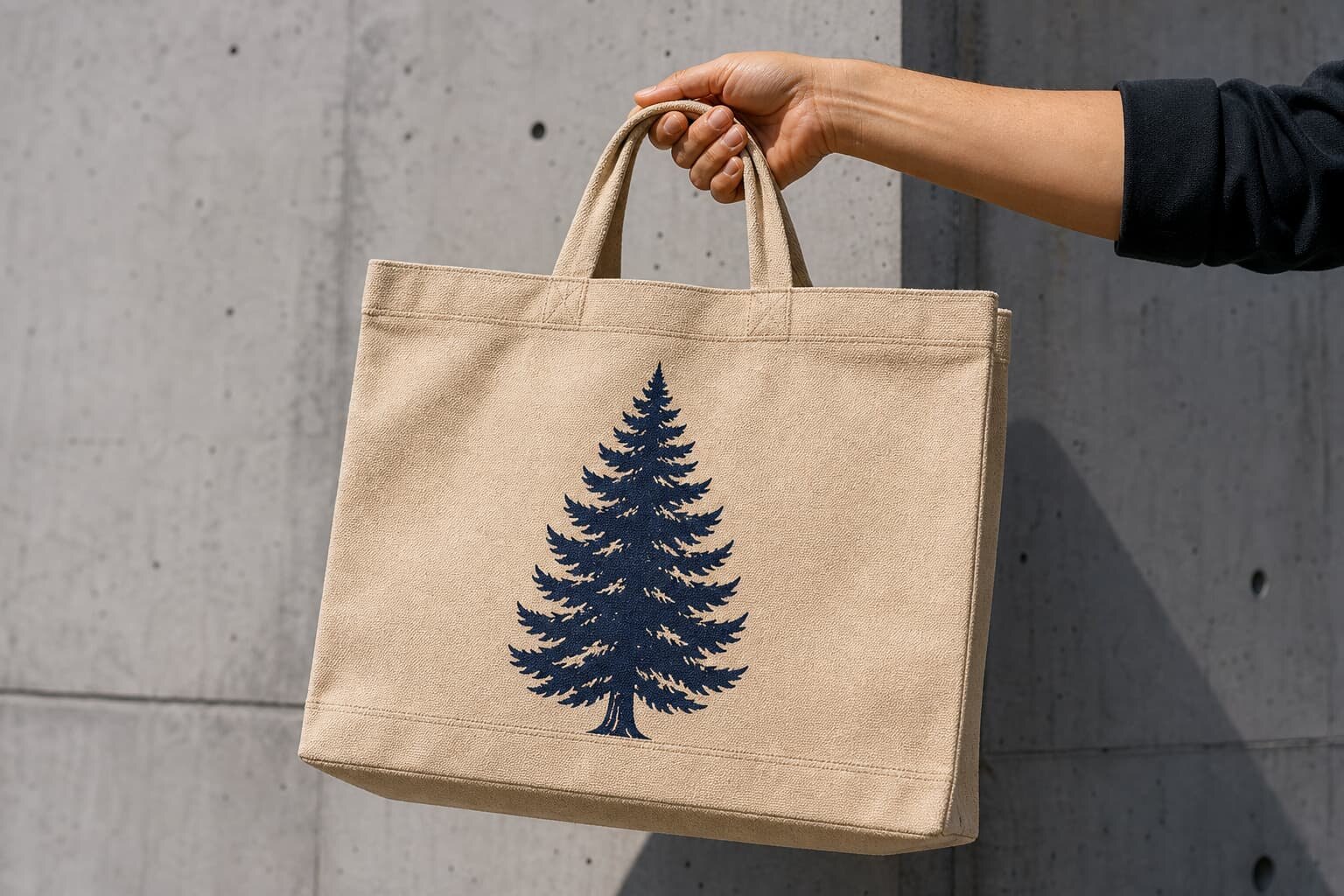
Why a Sample Return Shipment Memo Matters
A canvas tote bag sample return shipment memo is not just a courier note. For procurement teams, it is the control document that tells the factory why a physical sample is being sent back, what must be corrected, and which details must not change in bulk production. Without this memo, the returned sample can create confusion instead of control. One merchandiser may treat it as an approved reference, another may treat it as a rejected sample, and the sewing line may only see a bag without understanding the buyer's comments.
This matters because canvas tote bags look simple but have many variables that affect cost, appearance, and performance. A small difference in canvas GSM, handle drop, seam allowance, print curing, or folding method can change the buyer's retail presentation and claim risk. The memo should convert subjective comments into factory-readable instructions, especially when the buyer is returning the sample because the physical bag shows defects that are easier to understand than photos alone.
- Use the memo when returning a rejected sample, a corrected reference sample, or a packing approval sample.
- Do not rely on courier tracking alone; tracking proves delivery, not production instruction.
- State whether the factory must copy the returned sample or correct the returned sample.
- Keep the memo with the RFQ, quote, artwork proof, and inspection report for one complete order record.
Define the Sample Status Before It Leaves Your Office
The most common mistake is returning a sample without a clear status. If the factory receives a canvas tote bag with red marks on the print, but the buyer does not state whether the fabric, size, handle, or packing is approved, the factory may fix only the visible print issue and repeat other hidden problems. The memo should separate approved elements from rejected elements. This helps the supplier understand what is locked and what still needs adjustment.
Use simple status language. For example, write that the fabric handfeel and 12 oz canvas weight are approved, the front logo print position is rejected, the handle drop must be increased by 2 cm, and the packing fold is pending approval. This style is more useful than saying the sample is not good. A factory production team needs itemized decisions because different departments act on different parts of the bag.
- Approved reference sample: bulk should match the returned sample except for changes listed in the memo.
- Rejected sample: factory should not use the returned sample as bulk reference unless a correction list is attached.
- Approved with corrections: specific defects must be corrected while approved parts remain unchanged.
- Packing reference sample: folding, polybag, carton quantity, label visibility, and carton mark require separate approval.
Record Canvas Fabric Weight and Construction
Fabric is the largest cost driver and the most frequent source of quote comparison errors. Canvas tote buyers often request 10 oz, 12 oz, or 14 oz cotton canvas, but factories may interpret ounce weight differently depending on fabric width, finishing, and whether they quote before or after washing. For international sourcing, it is safer to record both ounce and GSM in the sample return shipment memo. A typical 10 oz canvas may be around 280 to 340 GSM, while 12 oz may sit around 340 to 400 GSM depending on weave and finishing. The exact range must come from the supplier's fabric test or mill data, not from assumption.
If the returned sample feels too thin, too stiff, too loose, or too yellow, write that in measurable terms where possible. Ask the factory to confirm measured GSM, yarn count if available, color standard, shrinkage, and finishing process. Natural canvas, bleached canvas, dyed canvas, and washed canvas do not behave the same. A washed tote may feel softer but can shrink more and cost more. A dyed canvas tote may need higher MOQ and longer lead time because fabric dyeing is not the same as sewing from stock natural canvas.
- For budget promotional totes, 8 oz to 10 oz canvas may be acceptable if load requirement is light.
- For retail reusable totes, 12 oz canvas is often a safer middle ground for structure and perceived value.
- For premium or heavy-use totes, 14 oz canvas can improve body but may increase sewing difficulty and carton weight.
- Always confirm whether the quoted fabric is stock color, custom dyed, washed, organic cotton, recycled cotton blend, or standard cotton canvas.
Control Print Details in the Return Memo
Printing is where a sample often looks acceptable at a distance but fails under buyer review. The memo should not only say that the logo is wrong. It should define the print method, artwork file name, color standard, print size, placement, and defect type. For canvas tote bags, common methods include screen printing, heat transfer, digital print, embroidery, and woven or sewn labels. Screen print is usually efficient for solid brand artwork and larger quantities. Heat transfer can handle fine gradients but may change handfeel. Embroidery gives a premium effect but can distort lightweight canvas if stitch density is too high.
When returning a printed sample, mark whether the issue is color, registration, cracking, pinholes, ink bleeding, uneven pressure, wrong size, or wrong placement. A 5 mm placement shift may not matter on a giveaway tote, but it can matter on a retail bag with a centered front logo. If the print is too heavy and stiff, ask the factory to adjust ink deposit or confirm whether the fabric surface requires a different screen mesh. If the ink rubs off, ask about curing temperature and curing time, not just a reprint.
- State print size in centimeters or millimeters, not only as percentage of artwork.
- Define placement from top hem, side seam, or bag centerline so the factory can measure it.
- Use Pantone, approved lab dip, or physical color reference, and note acceptable visual tolerance.
- Request a dry rub or tape test when ink adhesion is important for retail or reusable bags.
- Confirm whether the print charge includes one side or two sides, and how many colors are included.
Check Sewing, Handles, and Load-Bearing Areas
Canvas tote bag returns often happen because the sample looks poorly made even when the material is correct. The memo should show exactly where sewing must improve. Side seams, top hem, bottom corners, gusset edges, and handle attachment are the main areas to inspect. Loose threads are cosmetic, but skipped stitches, weak bartacks, narrow seam allowance, and uneven handle reinforcement can become functional failures after loading.
Handle specification deserves its own line in the memo because it affects comfort, cost, and strength. Record handle material, width, total length, finished drop, stitching pattern, and reinforcement size. A cross-stitch box may look strong, but if it is too close to the top hem edge or sewn with weak thread tension, it may still fail. For heavier canvas totes, buyers should ask for load testing based on intended use, such as carrying books, grocery items, or retail merchandise. The factory does not need exaggerated claims; it needs a realistic test method and acceptance level.
- Measure handle drop from top edge of bag opening to highest point of handle when held upright.
- Check whether handle webbing is self-fabric canvas, cotton webbing, polyester webbing, or dyed tape.
- Confirm thread color, stitch density, seam allowance, and whether inner seams are overlocked or bound.
- Review bottom gusset symmetry because a twisted gusset affects both appearance and packing.
- Reject samples with loose handle stitching, broken needles holes, major puckering, or skipped stitches in load areas.
Use the Memo to Compare Supplier Quotes Correctly
A returned sample can reveal why two supplier quotes are not equal. One factory may quote 10 oz natural canvas with one-color screen print and simple bulk packing. Another may quote 12 oz dyed canvas, reinforced handles, hangtag, individual polybag, and export carton marks. If procurement only compares unit price, the cheaper quote may win until the sample exposes missing specifications. The return memo should therefore feed back into the quote comparison sheet.
Ask suppliers to revise quotes after sample review using the same assumptions. The memo should state which details affect price and which are quality corrections expected within the original quote. For example, correcting a crooked print should not normally increase price if artwork and print method are unchanged. Upgrading fabric from 10 oz to 12 oz, adding an inner pocket, changing to embroidery, or switching to individual retail packing will affect cost and lead time. This distinction prevents disputes before deposit.
- Separate material cost changes from workmanship corrections.
- Ask for screen charge, sample charge, label charge, and packing charge as visible quote lines.
- Confirm whether the quoted MOQ is per artwork, per fabric color, per size, or total order quantity.
- Request carton dimensions and gross weight if freight cost is part of landed cost comparison.
- Do not approve a quote revision unless the sample version and memo version are referenced.
Packing and Return Shipment Details Buyers Should Not Ignore
Packing is often treated as an afterthought for canvas tote bags, but it can create retail complaints and extra freight cost. A heavy canvas tote packed with a hard fold through the printed logo can arrive with a visible crease. A natural cotton canvas tote packed without moisture control may absorb odor or show mildew risk in humid shipping seasons. A distributor order may need carton marks and SKU separation that are not visible from the bag sample itself.
When returning a sample, include packing observations if the issue relates to folding, polybag size, carton quantity, carton strength, or label visibility. If the buyer wants plastic-free packing, specify the alternative, such as paper band, kraft sleeve, or master polybag only. If individual polybags are required for retail or warehouse scanning, note thickness, warning text requirement if applicable, barcode position, and whether the bag must be folded with the logo facing out. The factory should not guess because packing changes labor time, carton size, and sometimes compliance requirements.
- Attach photos of the approved fold direction and final packed appearance.
- Confirm carton quantity by bag size and fabric weight, not by old order habit.
- Ask for moisture protection when shipping natural cotton canvas during humid periods.
- Record carton mark format, SKU, PO number, destination, carton count, and gross weight requirement.
- Request pre-packing photos before the whole order is sealed.
Lead Time Impact of a Returned Sample
A sample return shipment memo should tell the factory whether production is on hold or whether material preparation may continue. This is important for canvas tote bags because fabric booking, dyeing, cutting, printing, sewing, trimming, inspection, and packing do not happen at the same time. If the returned sample only has a hangtag error, the factory may still be able to prepare fabric. If the issue is fabric weight, dye color, shrinkage, or print method, production should normally pause until the correction is approved.
Procurement teams should avoid counting lead time from the first RFQ date. For a reliable schedule, count from confirmed sample approval, final artwork, final packing instruction, deposit or payment milestone, and material availability. If the returned sample requires a new pre-production sample, the memo should ask the factory to provide a revised sample date and a revised mass production date. This protects the buyer from assuming the old shipment date still applies after a significant correction.
- Minor correction examples: loose threads, label placement, carton mark layout, or trimming standard.
- Major correction examples: fabric GSM change, custom dye color, print method change, handle construction change, or size pattern change.
- Ask whether cutting can start before final print approval; in many orders this is risky.
- Request a revised production calendar after the factory receives the returned sample.
- Keep approval deadlines realistic when courier return time, customs delay, and factory re-sampling are involved.
Acceptance Criteria to Put in the Memo
The strongest sample return memos include acceptance criteria that inspection teams can use later. Instead of writing that the tote must look clean, define what clean means. For example, no major oil stain, no visible dirt mark larger than a stated size on the front panel, no broken stitch in load-bearing seams, no print cracking under normal bending, and no severe color difference against the approved standard. These criteria help the supplier train workers and help third-party inspectors avoid subjective arguments.
Do not overload the memo with unrealistic zero-defect demands for every small issue. Canvas is a woven natural material, and minor slubs or shade variation may exist depending on fabric grade. The buyer should define critical, major, and minor issues according to the order use. A luxury retail tote has stricter cosmetic expectations than an event giveaway. A grocery tote has stricter handle strength expectations than a light document bag. The memo should match commercial reality.
- Critical defects: unsafe needle fragments, wrong material, wrong logo, severe handle failure, mold, or shipment mixed with another order.
- Major defects: wrong size beyond tolerance, poor print adhesion, broken seam, severe stain, twisted bag body, or wrong packing.
- Minor defects: small loose thread, slight canvas slub, minor crease, or small shade variation within agreed tolerance.
- Set measurement tolerance before production, such as plus or minus 0.5 cm or 1 cm depending on bag size and construction.
- Confirm whether inspection follows buyer standard, AQL plan, or factory internal QC plan.
A Practical Memo Structure for Canvas Tote Bag Buyers
The memo does not need to be long, but it must be complete. Start with order identification, then sample status, defect notes, approved points, required corrections, quote impact, packing instruction, and required factory reply. The goal is to make the document useful for sales, sampling, production, QC, and packing teams. A memo written only for the sales contact may not reach the sewing line unless the information is structured clearly.
A good workflow is to prepare the memo before shipping the sample back, photograph the sample with visible reference labels, send the PDF memo by email, include a printed copy inside the courier package, and ask the factory to acknowledge both the digital file and physical receipt. If the factory returns a revised sample, use the same item code and move to the next version number. This avoids the common problem of multiple sample rounds with similar photos and no clear final approval.
- Header: buyer name, supplier name, item code, PO or RFQ number, sample version, date, and courier tracking number.
- Decision: approved, rejected, approved with corrections, or packing approval pending.
- Corrections: list each issue by bag area, required action, tolerance, and whether a new sample is required.
- Locked points: fabric, color, size, handle, print, label, or packing details that must not change.
- Factory reply: require written acknowledgement, revised quote if needed, revised sample date, and revised production schedule.
Specification comparison for buyers
| Spec decision | Recommended option | When it fits | Buyer risk to check |
|---|---|---|---|
| Returned sample status | Mark as reference sample, counter sample, or rejected sample | Use when several sample rounds exist and the factory must know which unit controls bulk production | Factory may copy the wrong sample if the memo does not identify sample date, version, and defect notes |
| Fabric weight | 10 oz, 12 oz, or 14 oz canvas with GSM range stated | 10 oz for promotional totes, 12 oz for retail totes, 14 oz for heavier reusable bags | Oz conversion and GSM tolerance may differ by mill; request actual measured GSM and shrinkage result |
| Print method | Screen print for solid logos, heat transfer for detailed artwork, embroidery for premium branding | Choose according to artwork detail, handfeel, quantity, and wash requirement | Returned print sample may not match bulk if ink type, curing, Pantone, and placement tolerance are not recorded |
| Handle construction | Self-fabric canvas handles with cross-stitch reinforcement | Best for most retail and brand merchandise canvas tote bags | Handle length, webbing GSM, and bartack position can change bag drop and load strength |
| Packing reference | Return one folded and one open sample when packing affects presentation | Useful for retail buyers, gift programs, and distributor orders with carton size limits | Factory may optimize carton volume in bulk and change folding line, crease position, or hangtag exposure |
| MOQ logic | Separate fabric MOQ, print MOQ, and color MOQ in the quote | Important when ordering dyed canvas, custom lining, or multiple artwork versions | A low bag MOQ can hide high surcharge on fabric dyeing, screens, labels, or inland freight |
| Lead time basis | Confirm lead time after sample approval and deposit, not from RFQ date | Applies to seasonal retail launches, event orders, and private label programs | Returned samples that require correction can reset artwork, material booking, and production scheduling |
Buyer checklist before sampling
- Identify the returned canvas tote sample with buyer item code, factory style number, sample date, version number, and reason for return.
- State whether the sample is approved for reference, rejected, or approved with corrections before bulk production.
- Attach clear photos of front, back, side seam, gusset, handles, inner seams, print position, label, packing fold, and any defect area.
- Record fabric specification including canvas ounce, measured GSM, yarn count if available, color standard, shrinkage requirement, and dye lot control.
- Confirm bag dimensions after sewing and pressing, including width, height, gusset, handle width, handle drop, seam allowance, and acceptable tolerance.
- List print method, ink type, artwork file name, Pantone or lab dip reference, print size, print placement, curing requirement, and rub test expectation.
- Define workmanship corrections such as seam straightness, loose thread trimming, handle reinforcement, bartack density, and label position.
- Clarify packing reference including folding method, polybag or paper band, carton quantity, carton mark, moisture control, and whether the returned packing is approved.
- Ask the factory to acknowledge receipt of the returned sample and confirm whether bulk production will follow the returned sample or a revised duplicate sample.
- Keep courier tracking number, sample photos, memo PDF, and factory acknowledgement in the order file before releasing deposit or production approval.
Factory quote questions to send
- Which fabric mill and canvas construction are quoted, and what is the actual measured GSM tolerance for bulk fabric?
- Is the quote based on greige canvas, natural canvas, dyed canvas, washed canvas, or custom color canvas?
- What MOQ applies separately to fabric, bag sewing, print, labels, hangtags, and carton packing?
- Which print method is included in the unit price, and how many colors, screens, or artwork positions are covered?
- What are the quoted bag dimensions, handle drop, seam allowance, and reinforcement method after final sewing?
- Does the quote include pre-production sample cost, returned sample correction, courier cost, and duplicate approval sample if needed?
- What lead time is quoted after written sample approval, material confirmation, and deposit receipt?
- How will bulk quality be checked against the returned sample, and which inspection points will be recorded before packing?
- What packing method and carton quantity are assumed in the quote, and will a packing photo set be shared before shipment?
- If the returned sample is rejected, what changes affect unit price, sample charge, mold or screen charge, and delivery schedule?
Quality-control points to confirm
- Measure fabric GSM from bulk fabric before cutting and compare it with the approved sample memo.
- Check finished bag dimensions after sewing, pressing, and packing because canvas shrinkage and seam folding change final size.
- Verify handle drop, handle width, cross-stitch size, bartack position, and load-bearing seam quality.
- Compare print color, registration, handfeel, curing, opacity, and placement against the returned or approved reference sample.
- Inspect side seams, bottom gusset, inner overlock, top hem, label attachment, and thread trimming under normal factory lighting.
- Review folding method, polybag fit, carton quantity, carton mark, and moisture protection before bulk packing is completed.
- Keep sealed production samples from early, middle, and late production for claim control and repeat order reference.
- Confirm the factory has signed or emailed acknowledgement of the final sample return shipment memo before mass production starts.