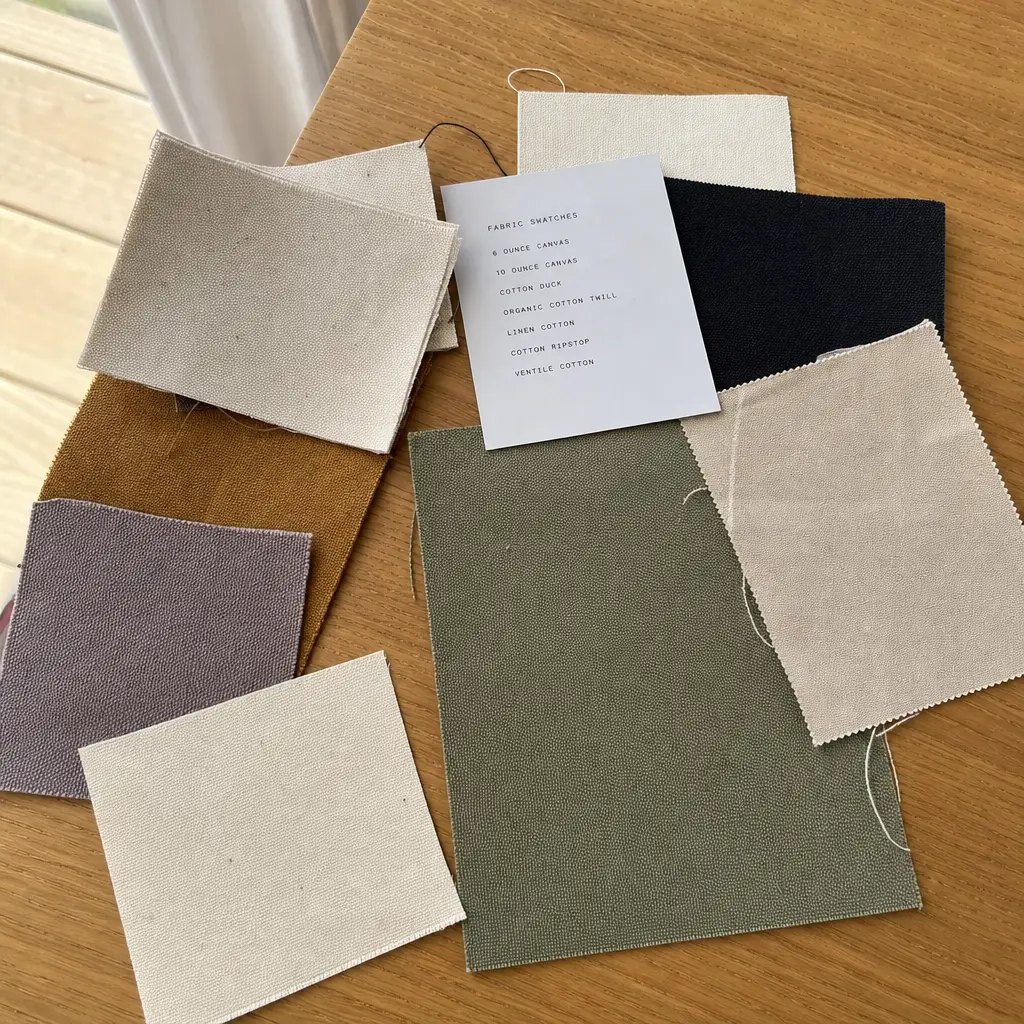
Treat Sample Approval as a Buying Control
A wine club canvas tote is not only a giveaway. It carries glass bottles, presents the club logo, fits into a packing plan, and must arrive before a fixed release date. The approval sample is the last point where procurement can correct the specification before bulk fabric is cut, panels are printed, and the order becomes expensive to change.
The sample should be approved as a production control document, not as a visual mockup. A tote can look good in a photo and still fail when two bottles are inside, when the logo is folded in a carton, or when a member carries it by one handle. The buyer needs measurable approval notes that can be used by the factory, inspector, warehouse, and claims team.
The practical output of approval is a locked reference: physical sample, written spec, approved artwork, packing instruction, and QC checklist. If these do not match, delay release until the discrepancy is resolved.
- Approve physical samples for final production decisions; use photos only for early design review.
- Write approval notes as values: GSM, dimensions, handle drop, logo position, bottle load, carton count, and color standard.
- Keep sealed reference samples on both sides so bulk goods can be judged against the same standard.
Define the Wine Club Packout First
The tote specification should start with the use case. A tasting room pickup bag, shipped member gift, retail merchandise item, and event giveaway do not need the same construction. The buyer should define what goes inside the tote before asking factories for price.
Bottle shape matters. Standard 750 ml Bordeaux bottles, wider Burgundy bottles, Champagne bottles, and tall Riesling bottles change the required height, gusset, and base stability. Inserts such as tasting notes, corkscrews, small food items, or gift cards also affect usable space. A generic tote quote is not enough when the loaded product is heavy and breakable.
Distribution channel also affects packing. A tote packed inside a wine club shipment needs predictable folding and carton dimensions. A tasting room retail tote needs a cleaner surface, consistent print position, and better presentation after unpacking.
- Single bottle plus literature: consider 10 oz canvas only if handle attachment is reinforced and the program is light-duty.
- Two 750 ml bottles: specify boxed bottom, at least 12 cm gusset, reinforced handles, and a load test with real bottle weight.
- Retail sale or premium member gift: prioritize cleaner sewing, color consistency, print durability, and stronger hand-feel.
- Shipped club kit: prioritize fold position, carton efficiency, logo protection, and warehouse labeling.
Choose Fabric by Load, Not Habit
Canvas weight should be tied to the filled tote weight. Two 750 ml glass bottles plus inserts commonly create a 3-4 kg carrying load. Body fabric, handle attachment, and base construction all need to support that load together.
For most two-bottle wine club totes, 12 oz cotton canvas, about 380-410 GSM, is a practical middle option. It has more structure than lightweight promotional canvas without the folding stiffness and higher freight weight of very heavy canvas. For one-bottle programs, 10 oz canvas may be acceptable if reinforcement is strong and repeated reuse is not the main expectation.
Natural cotton canvas is often easiest for wine club procurement because it avoids custom dye minimums and suits winery branding. Dyed canvas, organic cotton, or recycled cotton can be specified, but the buyer should confirm certificate scope, fabric availability, MOQ, color tolerance, and lead time before approval.
- 8 oz canvas, about 270 GSM: suitable for light giveaways, not recommended for bottle-carrying use.
- 10 oz canvas, about 300-340 GSM: possible for single-bottle totes with reinforced handles.
- 12 oz canvas, about 380-410 GSM: recommended baseline for many two-bottle wine club totes.
- 16 oz canvas and heavier: premium hand-feel, but check sewing bulk, fold creasing, carton weight, and cost impact.
- Custom dyed or certified fabric: confirm MOQ, certificate documents, dye-lot tolerance, and added lead time in writing.
Approve Structure and Handles Together
Finished size alone does not prove the bag will carry wine properly. A flat tote and a boxed-bottom tote can have similar width and height but perform very differently when loaded. A gusseted base helps bottles sit upright, spreads weight across the bottom, and reduces stress on the side seams.
Handles need their own approval criteria. Specify handle material, width, length, drop, reinforcement style, thread, and stitch quality. Self-fabric handles match the body but need strong attachment. Cotton webbing handles may improve strength but change the look. Narrow handles can feel uncomfortable under bottle weight even if they pass a static load test.
The approval sample should be carried and suspended with the actual bottle configuration. Check whether the handles stretch, twist, cut into the hand, or pull the top edge out of shape.
- Measure handle drop from the bag top edge to the inside top of the loop.
- Use 2.5-3.0 cm handle width as a common starting point for bottle-carrying totes.
- Require box stitch, cross stitch, or bartack reinforcement at all four handle attachment points.
- Check inside seams, raw edges, bottom corners, and stitch density; weak sewing cancels the benefit of heavier fabric.
- Confirm the filled tote stands square enough for the intended tasting room, gift, or shipment use.
Match Print Method to Canvas Texture
Screen printing is usually the most practical method for winery logos, one- or two-color artwork, and repeat seasonal orders. It works well on canvas when the artwork is not too fine and the ink is tested on the actual fabric. A paper proof cannot show how ink will sit on woven cotton.
Heat transfer can work for detailed multi-color artwork or smaller runs, but it must be checked for edge adhesion, hand-feel, folding behavior, and abrasion during packing. Embroidery can look premium on small marks or patches, but dense embroidery may pucker lighter canvas and is often inefficient for large logo areas.
Approval should include final artwork size, final color, final print method, and final logo position. Measure the logo from fixed edges or seams. Do not approve vague placement language such as 'centered on front' without target dimensions.
- Use screen print for solid logos, club names, simple typography, and repeat programs.
- Use heat transfer only after testing fold resistance, edge lift, and appearance on textured canvas.
- Avoid fine serif text, thin strokes under about 1 mm, or small legal copy unless the factory proves readability on the chosen fabric.
- Define logo position with a target and tolerance, such as 8 cm below top edge and centered +/-3 mm.
- Test rubbing, folding, ink transfer, cracking, and color under relevant lighting.
Use a Clear Sample Sequence
A strong sample process separates design exploration from final production approval. Many problems happen when a buyer approves a prototype made from substitute fabric, then bulk production uses a different canvas weight, different shrinkage, or different print behavior.
A prototype can confirm general size, gusset, and handle style. A print strike-off confirms artwork, ink, and color on the correct fabric. The pre-production sample is the true approval gate because it should combine final fabric, final sewing, final print, trims, labels, and packing method.
If timing is tight, the buyer can allow low-risk preparation, such as fabric reservation or screen preparation, while holding irreversible steps until approval. Bulk cutting and bulk printing should not proceed before the relevant sample criteria are approved.
- Prototype sample: checks shape and construction but is not final approval.
- Print strike-off: checks color, line detail, adhesion, and ink hand-feel on the actual canvas.
- Pre-production sample: confirms the complete product before bulk cutting or printing.
- Sealed approval sample: becomes the standard for inspection and claim discussions.
- Shipment sample: verifies bulk consistency before or after dispatch.
Set Measurable Acceptance Criteria
Approval language should be specific enough for an inspector to use. 'Looks good' is not a QC standard. Written acceptance criteria make it clear what the factory must produce and what the buyer will accept.
The core criteria are fabric weight, finished size, handle strength, logo position, logo color, seam finish, packed condition, and carton data. Cotton canvas is a sewn textile, so minor variation is normal. The goal is controlled variation within agreed tolerances that do not affect bottle fit, strength, or brand presentation.
The load test should be written in practical terms. State the bottle count, total approximate weight, test method, duration, and pass/fail result. For example: suspend the filled bag with two 750 ml bottles for 60 seconds; pass only if there is no stitch slippage, broken thread, fabric tear, or handle detachment.
- Size: set tolerance for width, height, gusset, and handle drop; use tighter limits on bottle-fit dimensions.
- GSM: state target weight and acceptable variance, commonly +/-5% unless otherwise agreed.
- Logo position: measure from fixed edges or seams with millimeter tolerance.
- Color: approve against Pantone, strike-off, or sealed sample under defined light.
- Seams: reject skipped stitches, open corners, loose bartacks, raw edges, and broken threads.
- Packing: reject heavy creases through the logo, ink transfer, moisture odor, crushed cartons, and wrong carton marks.
Compare Quotes on the Same Spec
Supplier quotes are not comparable unless each factory prices the same tote. A lower unit price may reflect lighter canvas, weaker handles, simpler packing, fewer labels, or missing setup charges. Procurement should send one detailed spec sheet and ask every supplier to confirm deviations line by line.
The quote should show fabric, size, gusset, handle construction, print method, color count, sample cost, setup charges, MOQ, lead time, packing, carton dimensions, gross weight, CBM, and included accessories. These details affect landed cost and service risk as much as the FOB unit price.
Separate one-time charges from unit pricing. Screen setup, sample fees, special labels, and packaging can distort first-order economics but may change on repeat orders. Ask what happens at different quantity breaks and what specification changes would reduce cost without weakening performance.
- Request tiered prices at relevant volumes instead of one MOQ number.
- Ask for carton CBM and gross weight for landed-cost comparison.
- Confirm whether sample fees are refundable, credited, or separate.
- Itemize screens, labels, hangtags, polybags, barcode stickers, and pallet requirements.
- Require suppliers to disclose any substitution from the requested fabric, handle, print, or packing method.
Approve Packing Before Production Ends
Packing affects appearance, freight, warehouse handling, and returns. Canvas totes can be packed flat, half-folded, or individually bagged. The chosen method should be tested during sample approval, especially when the logo is printed on the front panel.
The fold line should not run through the main logo unless the buyer accepts visible creasing. Individual polybags can protect retail units and support barcode handling, but they add labor, plastic, and carton volume. Bulk packing may be better for tasting room use or internal club assembly if the bags are handled soon after receipt.
Carton data must be part of approval. Confirm units per carton, carton dimensions, gross weight, CBM, carton marks, and packing list format. Incorrect marks can delay warehouse receiving even when the product itself is acceptable.
- Flat packing protects logo appearance but may increase carton size.
- Half-fold packing can reduce CBM if the fold avoids the printed area.
- Individual polybags are useful for retail, barcode scanning, gift assembly, or moisture protection.
- Bulk packing can reduce cost and plastic use for tasting room pickup programs.
- Carton marks should include PO, SKU, destination, quantity, gross weight, carton size, and carton sequence.
Control Lead Time with Approval Gates
Wine club schedules are usually fixed around release windows, member shipments, events, and seasonal promotions. Sample approval must be built into the production calendar, not treated as an informal step after quoting.
A realistic schedule includes artwork confirmation, sample making, sample transit, buyer review, revision if needed, bulk material preparation, printing, sewing, final inspection, packing, and export handover. Stock natural canvas with simple screen print is faster than custom dyed fabric, special labels, embroidery, or complex packaging.
Use approval gates to keep the order moving without losing control. The factory may reserve fabric or prepare documentation while waiting for approval, but bulk printing should wait for print approval and bulk cutting should wait for PP sample approval. Put these gates in the PO so schedule pressure does not silently change the risk level.
- Budget sample development time separately from bulk production time.
- Allow courier transit and internal buyer review time in the calendar.
- Ask the factory to confirm current capacity, not only standard lead time.
- Identify which steps can start before approval and which cannot.
- For seasonal drops, leave buffer for at least one correction round before the shipment deadline.
Specification comparison for buyers
| Spec decision | Recommended option | When it fits | Buyer risk to check | Typical cost impact |
|---|---|---|---|---|
| Fabric weight | 12 oz cotton canvas, about 380-410 GSM, for most two-bottle wine club totes; 10 oz, about 300-340 GSM, for lighter single-bottle programs | Balances bottle support, reusable hand-feel, sewing efficiency, and carton weight | Canvas below 10 oz can sag at the base; very heavy canvas can crease harder when folded and increase freight weight | Usually a moderate fabric upgrade versus 10 oz; confirm current price difference by mill, region, and quantity |
| Bag body size | Approx. 38 x 40 x 12 cm with boxed bottom gusset for two standard 750 ml bottles plus inserts | Useful for club shipments, tasting room pickup, and gift packs with notes or small accessories | Flat totes make bottles lean and concentrate stress on side seams; oversized bags waste carton cube | Gusseting can raise sewing cost but may improve function and packing efficiency |
| Handle construction | 2.5-3.0 cm self-fabric or cotton webbing handles with box stitch, cross stitch, or bartack reinforcement | Required for 3-4 kg bottle load and repeated carrying from tasting room to car | Narrow handles or simple lockstitch attachments may fail even when body fabric is strong | Reinforcement is normally a small unit-cost addition; ask suppliers to itemize it |
| Print method | Screen print for one- or two-color logos; heat transfer only after fold and adhesion testing for detailed artwork | Screen print suits winery marks, club logos, and repeat seasonal orders on textured canvas | Small serif text, thin lines, and heavy ink coverage can lose clarity or crack if not tested on final fabric | Screen setup is usually charged separately; compare setup amortization across order quantities |
| Sample type | Pre-production sample using bulk fabric, final handle material, final print method, and intended fold | Best approval gate before cutting or printing bulk panels | Substitute-fabric samples hide shrinkage, color, print adhesion, and handle performance differences | Adds time to schedule but reduces rework and rejection risk |
| MOQ logic | Base MOQ on fabric availability, dyeing minimums, print setup, and sewing batch efficiency | Works for seasonal wine club drops, member gifts, and tasting room retail replenishment | Very low MOQs may limit fabric color/weight or carry separate setup charges | Ask for tiered pricing at 300, 500, 1,000, and 2,500 units instead of assuming one MOQ |
| Packing method | Flat or half-fold packing with fold line away from the logo; individual polybag only when retail, barcode, or gift assembly requires it | Protects logo appearance while controlling carton size and plastic use | Folding through the logo can create permanent creases or ink cracking; excessive polybagging increases handling and volume | Bulk packing is often cheaper, but savings depend on destination, labor, carton plan, and retail requirements |
| QC acceptance | Written tolerances for size, GSM, print position, color standard, seam quality, handle load test, and packed condition | Needed for third-party inspection, claim handling, and multi-location club programs | Approving only photos gives no measurable standard for bulk inspection | Inspection value depends on clear criteria; vague inspection instructions can still miss commercial defects |
Buyer checklist before sampling
- Keep one signed physical approval sample with the buyer and one sealed duplicate with the factory, both tagged with date, PO number, artwork version, and sample version.
- Record fabric weight in oz and GSM, fiber content, weave type, color standard, shrinkage expectation, and whether the fabric is stock, custom dyed, organic, recycled, or certified.
- Measure finished width, height, gusset depth, handle width, handle drop, boxed bottom, seam allowance, and logo position on the physical sample after pressing.
- Test the tote with the real bottle count and approximate packed weight, such as two 750 ml bottles plus inserts, then check handle stretch, stitch movement, base stability, and side seam stress.
- Review logo color under D65 daylight and warm indoor retail lighting; compare against Pantone, approved strike-off, or sealed reference sample.
- Rub and fold the printed area after curing; check tackiness, ink transfer, cracking, peeling, edge lift, and appearance over the intended pack fold.
- Confirm that the logo remains visually centered and level when the tote is filled, not only when the empty sample is lying flat.
- Approve packing method, fold position, units per carton, carton dimensions, gross weight, CBM, shipping marks, and whether individual polybags or labels are included.
- Lock approval comments, tolerances, sample reference, artwork file name, and packing plan in the purchase order or technical annex.
- Do not release bulk production until the quote, sample, QC checklist, and packing instructions describe the same product configuration.
Factory quote questions to send
- What exact canvas weight will be used in bulk production, in oz and GSM, and is it stock fabric or custom woven/dyed fabric?
- Can the pre-production sample be made with the same fabric lot, handle material, print method, ink, trims, and packing fold planned for bulk production? If not, what differs?
- What MOQ applies to this fabric weight, bag size, print color count, handle construction, and packing method? What are the price breaks at 300, 500, 1,000, and 2,500 units?
- Which print method do you recommend for our artwork on this canvas, and what minimum line thickness, minimum font size, and maximum ink coverage should we follow?
- What size tolerance, GSM tolerance, print position tolerance, and color standard will you accept in written inspection criteria?
- What bottle count and total weight will you use for the factory load test, and what is the pass/fail standard for handle attachment and seams?
- What are the sample lead time, sample transit estimate, bulk production lead time, and latest artwork approval date for our required ex-factory date?
- What packing method, units per carton, carton dimensions, gross weight, and CBM should be used for landed-cost comparison?
- Are polybags, hangtags, barcode labels, carton marks, inner cartons, palletization, and packing labor included in the unit price or charged separately?
- What changes in unit price, MOQ, and lead time if we reduce print colors, switch to natural canvas, change GSM, change handle material, or remove individual polybags?
Quality-control points to confirm
- Fabric weight must match the approved standard within the agreed GSM tolerance, commonly +/-5% unless the purchase order states otherwise.
- Finished bag size must remain within the approved tolerance, such as +/-0.5 cm for width and height and +/-0.3 cm for gusset depth on critical wine-bottle fit dimensions.
- Handle attachment must pass the agreed load test using the actual bottle configuration, with no stitch slippage, thread breakage, fabric tearing, or handle distortion.
- Print position must be measured from fixed edges or seams, such as top edge and side seam, with tolerance stated in millimeters.
- Logo color must be checked against the approved Pantone, strike-off, or sealed sample under defined lighting; any Delta E requirement must be agreed before production.
- Seams must show no skipped stitches, broken threads, open corners, loose bartacks, exposed raw edges, heavy puckering, or uneven boxed bottoms unless specified as a design feature.
- The filled tote must stand upright or remain stable enough for the intended use without twisting, bottle lean, or base collapse.
- Packed goods must be free from heavy logo creases, wet ink transfer, mildew odor, moisture marks, carton crushing, incorrect labels, and mismatched carton counts.