Start with the tea program, not the tote
A canvas tote bag reorder is easier to control when procurement starts with the selling or distribution program. Tea brands use totes in several different ways: cafe retail merchandise, gift-with-purchase campaigns, loose-leaf refill programs, subscription-box inserts, wholesale account kits, seasonal gift sets, and event sampling. Each use case changes the right fabric weight, handle strength, packing method, and reorder calendar.
A cafe retail tote needs enough structure to hang or sit neatly in a shop display. A subscription-box insert may need a controlled fold size so it fits into the kitting carton without crushing tea cartons or sachet envelopes. A loose-leaf refill program may need stronger handles because customers carry tins, jars, or multiple pouches. A holiday gift set may need cleaner folding, individual protection, and tighter shade control because the bag is part of the perceived gift value.
Before asking for prices, define the commercial role of the reorder. Is the tote a margin product, a loyalty incentive, a packaging component, or a promotional cost? That answer determines how aggressively you can simplify the spec. A giveaway tote can tolerate a lighter build than a retail tote sold beside premium tea canisters. A bag packed next to aromatic teas also needs better control of odor, stains, dust, and moisture exposure than a generic event bag.
- Map the tote to one primary use case before quoting.
- Separate retail-grade totes from promotional inserts in your item master.
- Tell suppliers whether the bag will touch tea packaging, sit inside gift sets, or ship as loose merchandise.
Lock GSM, oz, size, and carrying performance
Canvas tote quotes are only comparable when the fabric and construction are defined. The most common procurement problem is asking several suppliers for a canvas tote and receiving prices based on different cloth weights. One supplier may assume a light 8 oz promotional canvas while another quotes a firmer 12 oz retail canvas. Both may call it a cotton canvas tote, but the cost, hand feel, print result, carton weight, and customer perception will be different.
Use GSM and ounces together when possible. Ounces are common in canvas buying, while GSM is useful for factory control and technical comparison. The exact conversion can vary by fabric convention, so do not rely on a casual label alone. Ask the factory what GSM they are quoting, what tolerance they allow, and whether the fabric is natural, bleached, dyed, washed, recycled, or organic. Natural canvas can show cotton seed flecks and shade variation; that may suit a tea brand with an earthy identity, but it should be approved rather than discovered on arrival.
The right weight depends on the bag's job and the approved baseline. A light insert or sampling tote may use a lower weight if the program is cost-led. A cafe retail tote or gift-set tote often benefits from a firmer canvas because the bag needs to look intentional, hold shape, and carry tea tins or pouches without feeling disposable. Heavier fabric increases unit cost and freight weight, so it should be chosen for a commercial reason, not because heavier automatically means better.
- Record finished size, gusset depth, handle drop, handle width, and seam type.
- Specify fabric weight in oz and GSM, with tolerance and acceptable shade variation.
- Define the intended load, such as tea tins, refill pouches, gift boxes, or daily retail carry.
Design the reorder around tea-specific SKU calendars
Tea brands often reorder totes around seasonal assortment changes rather than simple inventory depletion. Spring wellness blends, summer iced tea kits, autumn chai promotions, and holiday gift sets can each require different artwork, labels, inserts, or pack-out methods. Procurement should build the tote calendar around those SKU events so the factory is not forced into late artwork changes or split shipments.
A practical reorder plan separates the base tote from the seasonal elements. If the same natural canvas body works across the year, keep the construction stable and change the print, hangtag, belly band, or insert card. That protects cutting efficiency and reduces the risk of a new fabric lot changing the whole look. If every season changes the body color, handle color, logo color, and packing format, the buyer is effectively managing new product development each time, even if the item is called a reorder.
Subscription programs need a different rhythm. The kitting date is the real deadline, not the customer ship date. If the tote must be folded into a monthly box, the factory must confirm fold size, inner pack count, and carton organization so the 3PL can pull and pack efficiently. For loose-leaf refill programs, plan replenishment around repeat customers and cafe inventory, not only campaign launches. A tote that supports refill behavior should stay visually consistent because customers may recognize it as part of the program.
- Build a tote reorder calendar beside the tea launch and gift-set calendar.
- Keep the base construction stable when only the seasonal message changes.
- Work backward from kitting, cafe reset, wholesale ship, or retail floor-set dates.
Compare supplier routes with real decision criteria
The best sourcing option is not always the lowest unit quote. Direct factory reorders are often best when the approved sample is stable and volume is sufficient, because the factory can repeat the cutting pattern, sewing flow, and print setup. This route gives procurement the most control over fabric, construction, and packing, but it requires clear specs and disciplined approval records.
Trading companies and sourcing agents can be useful when a tea brand buys several textile or packaging items together, such as tote bags, tea towels, drawstring pouches, aprons, and gift packaging. The tradeoff is transparency. Ask whether the same factory will produce every reorder, who owns the reference sample, and how QC findings are handled. If the supplier route changes without notice, the bag may technically meet the description but look different in a cafe display.
Local blank totes with domestic printing are useful for urgent events, cafe openings, wholesale account requests, or low-volume artwork tests. They are usually less suitable when the tote must match an existing imported retail program. Blank inventory may differ in fabric shade, stitching, handle drop, and bag proportions. Hybrid sourcing can solve this by using imported stock for planned core demand and local top-ups only for channels that can accept a visible difference. The key is to decide that rule before the emergency happens.
- Use direct factory sourcing for stable, repeatable core programs.
- Use local embellishment for speed, tests, and emergency top-ups, not invisible matching unless proven.
- Document which supplier route is allowed for each channel and SKU.
Choose print methods for durability and repeatability
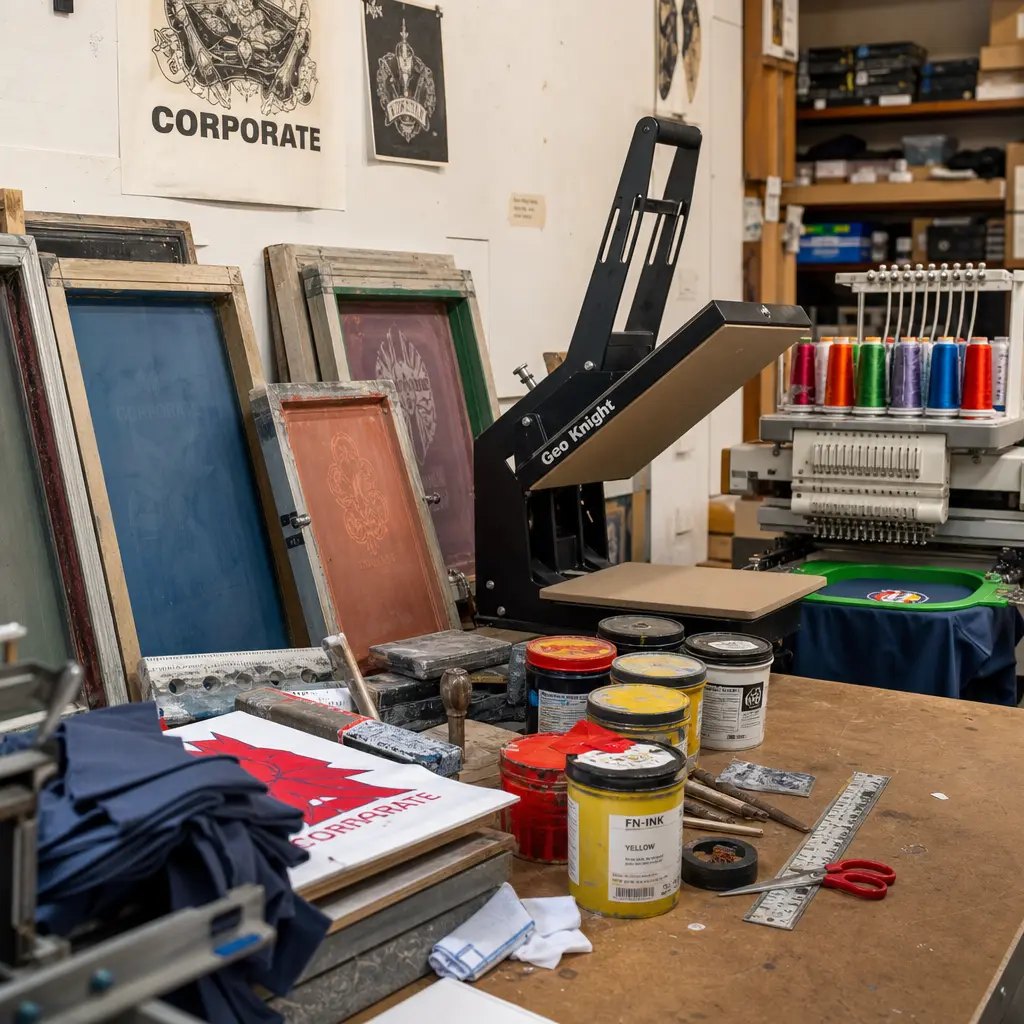
Most tea brand totes use restrained artwork: a logo, blend family, cafe name, line drawing, or seasonal message. For one to three spot colors on canvas, screen print is often the most practical reorder method because it is repeatable, cost-efficient at volume, and gives a familiar hand feel. It also makes color and placement easier to control when the artwork is stable across multiple POs.
Heat transfer or other transfer methods can be useful for detailed artwork, gradients, small test quantities, or multi-color seasonal graphics. The buyer should treat the method as a technical choice, not only a visual one. Transfers may feel heavier on canvas, show edge marks, crack if folded poorly, or vary when the fabric surface changes. Digital methods may suit some designs but require testing for color, adhesion, and hand feel on the actual canvas.
Tea brands should also think about aroma and storage. A tote packed near tea products cannot have strong ink, adhesive, or packaging odor. Ask about curing time, post-print airing, and whether printed bags will be packed immediately after production. For gift sets and subscription boxes, test whether the print rubs against tea cartons, labels, or tissue during transit. A beautiful print on the sample table can still fail if the folding and packing format puts pressure on the ink area.
- Use screen print for stable spot-color branding when volume supports it.
- Use transfer or digital methods only after testing hand feel, fold behavior, odor, and adhesion.
- Define logo placement from fixed seams, not by visual centering alone.
Make MOQ and version planning visible
MOQ problems usually appear when the buyer treats total order quantity as one number. A tea brand may order 5,000 totes in total, but if that total is split across five seasonal messages, two handle colors, three cafe locations, and separate barcode labels, the factory is not producing one simple run. Each version can create setup time, screen changes, packing separation, and carton labeling work.
Ask suppliers to quote MOQ by body color, handle color, print design, label, and packing version. This exposes the true cost of variety. It also helps marketing decide which variations are worth the price. A single base tote with a seasonal hangtag may be far more efficient than four different printed bags, especially when the selling period is short. For refill programs, one evergreen tote can reduce reorder risk and keep inventory usable if tea blend priorities change.
Procurement should separate fixed costs from unit costs. Screen charges, sample fees, artwork changes, color matching, small-batch surcharges, carton label changes, and packing setup should be shown clearly. Without that separation, a low unit price may hide charges that make the reorder more expensive than expected. A clean quote lets the team decide whether to consolidate versions, raise MOQ on the core design, or use a local route for the smallest seasonal drop.
- Request MOQ per version, not only total MOQ per PO.
- Keep body construction constant when artwork changes frequently.
- Ask for setup, sample, screen, label, and packing costs as separate line items.
Control packing for retail, kitting, and warehouse receiving
Packing is part of the product specification. For tea brands, it affects shelf presentation, subscription-box kitting, warehouse receiving, odor control, and carton efficiency. A tote used in a holiday gift set may need a precise fold that fits beside tea cartons and does not place a crease through the logo. A cafe retail tote may need to arrive flat and clean so store staff can hang or stack it with minimal handling. A wholesale display kit may need cartons organized by account or region.
Specify inner pack count, master carton count, carton dimensions, gross weight, carton marks, barcode labels, and whether each tote is polybagged. Polybags can protect against dust and moisture but may conflict with plastic-reduction goals or add unpacking labor. Tissue, paper bands, or bulk flat packing may be better for some brands, but they must be tested for rubbing, dust, and print transfer. If totes are packed with aromatic tea products, avoid packaging materials that carry strong odor.
Carton count accuracy is a procurement issue, not a warehouse detail. Inconsistent carton quantities slow receiving, create inventory variance, and complicate kitting. If the tote is going into subscription boxes, the 3PL may need cartons arranged in predictable units such as 50 or 100 pieces. If the goods ship to cafes, smaller cartons may be easier for staff to handle. Confirm the carton plan before production because changing it at the end can affect freight, labeling, and palletization.
- Define fold method for gift sets and subscription boxes.
- Confirm carton count, inner pack count, carton size, and barcode rules in the PO.
- Balance dust and moisture protection against sustainability goals and unpacking labor.
Plan lead time from the selling window backward
A reorder can be faster than a first order, but only when the spec, artwork, and packing are already locked. Supplier-dependent lead time can vary based on fabric availability, factory workload, print complexity, sample approval speed, holiday shutdowns, and freight mode. A simple repeat may move quickly with the same factory and material. A reorder with new artwork, new fabric color, or revised packing should be treated more like a new production run.
For tea brands, the risk is missing a commercial window. Holiday gift sets, advent-style tea boxes, cafe openings, spring wellness campaigns, and summer iced tea launches do not wait for delayed totes. Work backward from the date the tote must be available for kitting, store delivery, or wholesale dispatch. Then add time for sample approval, bulk production, final inspection, export handling, freight, customs, inland delivery, and receiving.
Late artwork changes are one of the easiest delays to prevent. Set an artwork freeze date and make marketing aware that print changes can affect screen preparation, color matching, pre-production approval, and QC. If a seasonal message is not final, use a stable base tote and a changeable insert, hangtag, or stickered outer pack. That keeps the canvas production moving while the campaign detail is finalized.
- Use the kitting or retail-ready date as the planning anchor.
- Add approval, inspection, freight, customs, and receiving time to the factory production schedule.
- Freeze artwork before production lock or move seasonal messaging to a separate component.
Build landed cost per sellable tote
A procurement decision should be based on landed cost per sellable tote, not the lowest factory unit price. Canvas weight, carton size, packing density, defect rate, inland transport, export charges, duty, customs brokerage, and final delivery can all change the real cost. A heavier tote may cost more per piece but ship in a cleaner carton plan and arrive with fewer handling problems. A cheaper tote may lose its advantage if it needs rework, repacking, or replacement.
Ask every supplier to quote on the same basis. If one quote is EXW, another is FOB, and another is delivered, normalize them before comparison. Request carton dimensions, gross and net weight, units per carton, expected CBM, packing method, and included charges. For tea brands shipping to multiple warehouses, cafes, or kitting partners, also estimate domestic split delivery and handling. The right number is the total cost of usable inventory in the right place at the right time.
Include risk cost in the discussion even if it is not a perfect spreadsheet line. Poor print adhesion, dusty packing, inconsistent shade, or weak handles can create customer complaints and lost retail confidence. If a tote is part of a paid gift set, a defective bag can affect the whole set. Finance teams need a clear model, but procurement should also show which assumptions depend on QC, packing, and supplier repeatability.
- Normalize all quotes to the same trade term before comparison.
- Use carton data to estimate freight and warehouse handling, not just unit price.
- Compare cost per sellable tote after expected inspection, rework, and replacement exposure.
Set QC rules before the PO is released
Quality control works best when the supplier knows the acceptance rules before production starts. For canvas tote reorders, the inspection plan should cover fabric, sewing, print, packing, odor, and quantity. AQL-based inspection can be used for final random inspection, with critical, major, and minor defects defined in advance. The buyer, supplier, and inspection partner should agree on the sampling level and defect limits rather than debating standards after goods are packed.
Define critical defects for your tea program. Mold, strong chemical odor, oil stains, severe print transfer, broken handles, wrong artwork, wrong barcode, and short shipment may be critical because they can make the goods unsellable or unsafe to place near tea products. Major defects may include visible print misalignment, weak seams, inconsistent bag size, skipped stitches, shade outside the approved band, or dirty packing. Minor defects may include small natural cotton flecks if they are within the approved reference.
Require evidence. A useful QC report should include measured finished size, print placement photos with a ruler, handle reinforcement close-ups, random carton opening, carton label checks, barcode scans where relevant, and a summary of defects by type. For load checks, agree on a practical method tied to the intended use. A tote carrying lightweight tea sachets does not need the same test as a tote carrying tins, jars, and books from a cafe retail shelf.
- Define critical, major, and minor defects before production.
- Use AQL or another written inspection plan instead of informal visual approval.
- Require photo evidence for size, print, stitching, packing, carton labels, and random carton checks.
Specification comparison for buyers
| Sourcing route | Best fit for tea brands | Cost and MOQ profile | Operational risk to check |
|---|---|---|---|
| Direct factory reorder | Core retail tote, cafe merchandise, subscription-box insert, or national gift-set program where the previous approved spec must be repeated | Usually strongest unit price at stable volume; MOQ may be tied to fabric color, print version, and cutting efficiency | Confirm the factory is using the same canvas weight, fabric source, print process, handle construction, and carton plan as the approved order |
| Trading company or sourcing agent | Brands buying totes together with pouches, aprons, tea towels, gift packaging, or multiple promotional textile items | May simplify vendor management; pricing includes service margin, but can reduce internal sourcing time | Ask who controls QC, whether the same factory will be used for reorders, and whether physical reference samples are archived |
| Local blank tote plus domestic print | Urgent cafe opening, small seasonal drop, event replenishment, or test run before committing to import volume | Low setup friction and fast turnaround; unit cost often higher, and blank-tote selection limits fabric and size control | Check whether blank tote shade, size, GSM/oz, and handle length match the existing program closely enough for side-by-side sale |
| Hybrid import plus local top-up | Tea brands with predictable core volume but unpredictable promotions, market launches, or wholesale account requests | Import order carries the base demand; local production covers shortfalls at higher unit cost but lower timing risk | Define which channels can accept the local version. Do not mix visibly different bags in the same gift set or retail display |
| Domestic cut-and-sew production | Premium small-batch tote, regional campaign, or strict local-origin requirement where speed and oversight matter more than lowest landed cost | Usually higher cost and lower MOQ flexibility; useful when customization is deep or import timing is not workable | Confirm fabric availability, shrinkage, print capability on the chosen canvas, and whether repeat orders can hold the same material lot |
| Distributor or promotional-products vendor | Low-complexity giveaway, trade show bag, or one-off branded tea sampling event | Convenient quote process; pricing may hide blank, print, freight, and handling components | Suitable for simpler promotional use, but verify print durability, carton counts, and whether the tote is retail-grade enough for your brand |
Buyer checklist before sampling
- Define the tote use case first: retail resale, cafe merchandise, loose-leaf refill program, subscription-box insert, gift-with-purchase, wholesale display kit, or seasonal gift set.
- Match the construction to the load: finished size, gusset, handle drop, usable carrying weight, seam type, handle reinforcement, and whether tea tins or glass jars will be carried.
- Specify canvas in both oz and GSM where possible, with tolerance, color reference, shrinkage expectation, and whether the fabric is natural, dyed, washed, or bleached.
- Send vector artwork with Pantone or brand color references, logo dimensions, placement from seams, print method, print area limits, and any side label or hangtag requirements.
- Separate MOQ by body color, handle color, print artwork, woven label, and packing version so the quote does not hide small-batch setup costs.
- Confirm packing for the channel: flat pack for warehouse, folded insert for gift sets, individual polybag where needed, master carton count, carton markings, barcode labels, and pallet rules.
- Build a landed-cost worksheet using the same trade term for every supplier and including packing upgrades, inland freight, export charges, duties, customs brokerage, last-mile delivery, and expected inspection cost.
- Require a physical pre-production sample or signed reference sample before bulk production, especially if the factory changed fabric lot, ink, print screen, sewing line, or packing method.
- Set QC checkpoints for fabric weight, finished size, handle strength, stitching, print adhesion, rub resistance, stains, odor, carton count, and photo evidence before shipment.
- Work backward from the selling window, tea launch date, subscription-box kitting date, or cafe retail reset date, not from the PO issue date.
Factory quote questions to send
- What exact canvas weight are you quoting in oz and GSM, and what tolerance do you allow on fabric weight by lot?
- Is the quoted fabric natural, bleached, dyed, washed, recycled cotton, organic cotton, or conventional cotton, and can you keep the same fabric source for the next reorder?
- What finished size, gusset, handle width, handle drop, seam type, and handle reinforcement are included in the price?
- What is the tested or recommended carrying weight for this construction, and how do you verify handle attachment strength?
- Which print method is included, how many colors are included, what ink or transfer type is used, and what curing or adhesion test do you perform?
- What MOQ applies per body color, handle color, print design, woven label, hangtag, barcode, and packing version?
- Can you quote the same tote under EXW, FOB, and delivered terms, with carton dimensions, gross weight, and units per carton shown separately?
- What is the production lead time after final sample approval, and which steps depend on fabric availability, artwork approval, holiday closures, or third-party packing materials?
- What physical sample will we approve: strike-off, counter sample, pre-production sample, or sealed reference sample?
- What AQL level or inspection standard can you support for final inspection, and what sample size will be checked for size, stitching, print, stains, odor, and carton count?
Quality-control points to confirm
- Set an inspection plan before production. For general workmanship, many buyers use AQL-based final inspection with separate critical, major, and minor defect limits; the exact level should be agreed with the supplier or inspection partner before the PO is placed.
- Measure fabric weight from production material where possible, not only from the sales sample. Record oz/GSM tolerance, shade band, fabric hand feel, and any natural cotton speckling that is acceptable for the brand.
- Check finished size, gusset, handle drop, handle width, seam allowance, and logo placement against the sealed reference sample. Use measurable tolerances rather than subjective wording such as close or similar.
- Run print checks on random pieces from different cartons: dry rub, wet rub where relevant, tape adhesion where suitable for the ink system, cracking at fold lines, edge sharpness, and color match under consistent light.
- Perform handle and seam checks with a defined load test appropriate to the intended use. Tea tins, glass jars, refill pouches, and gift sets can create concentrated weight that a simple giveaway tote may not face.
- Inspect for tea-relevant contamination concerns: musty odor, chemical odor, dust marks, oil stains, loose fibers, moisture exposure, and packaging smell transfer that could be unacceptable near aromatic tea products.
- Open cartons from the beginning, middle, and end of the production lot. Print drift, shade variation, and sewing tension problems often appear after the first approved production pieces.
- Verify carton count, inner pack count, barcode position, hangtag placement, carton marks, gross weight, and pallet logic against the PO so warehouse receiving and kitting teams do not have to rework the shipment.
- Require photo evidence before shipment: measuring tape on size points, close-up of handle reinforcement, print position measurement, random carton opening, carton label, packed tote fold, and any retail label or barcode.
- Keep one sealed production sample from every reorder and label it with PO number, fabric lot if available, artwork version, print method, and approval date. Use it for the next reorder RFQ and incoming inspection.