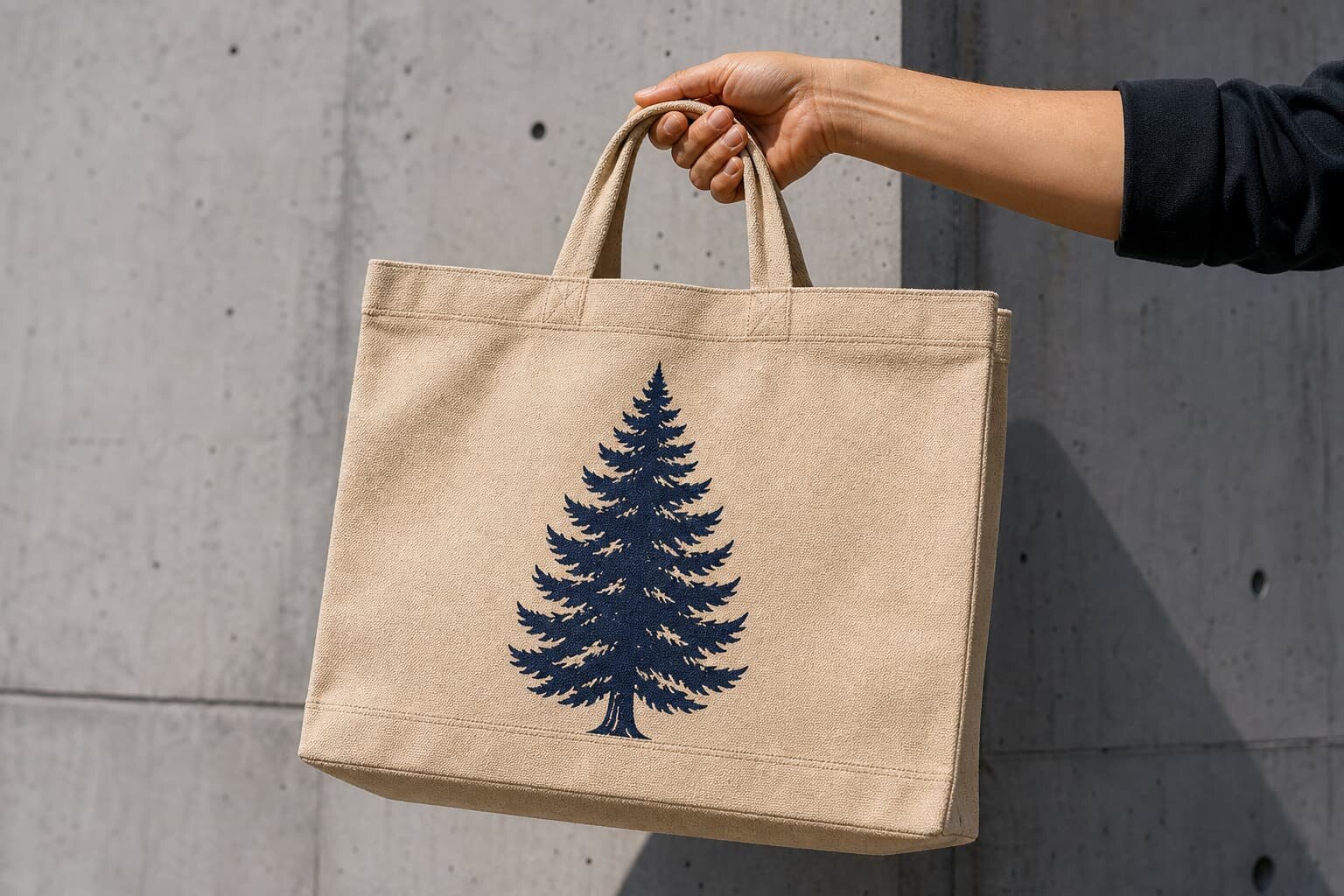
Why a factory issue log matters on canvas tote orders
A canvas tote bag factory issue log is not the same as a QC checklist. A checklist tells you whether something passed or failed at a point in time. An issue log tells you what changed, when it changed, who approved it, and whether the factory fixed the same problem on the next sample or the next production run. For buyers, that matters because tote bag orders often move through several small revisions that look harmless in email but become expensive once fabric is cut, logos are printed, and cartons are packed. If you do not track those changes in one place, the factory will treat every revision as a fresh assumption.
The best issue log is written for commercial control, not for paperwork. It should help procurement teams compare supplier quotes, compare samples, and reject hidden scope gaps before a PO is released. That means recording the exact fabric weight, the logo method, the handle spec, the packing unit, and the lead-time promise tied to each revision. If one factory is quoting a 280 GSM bag with one-color screen print and bulk packing, while another is silently using 320 GSM, a woven label, and individual polybags, the log exposes the difference immediately. Without that record, the lowest quote is often the least complete quote.
- Use the log to track changes across proto sample, PP sample, inline inspection, and final packing.
- Treat every spec change as a cost and lead-time event, not just a design note.
- Keep one owner on the buyer side so the factory does not receive conflicting instructions.
What belongs in the log before you approve a sample
Start the log before the factory makes the first sample, not after you find a defect. The first entries should define the product in practical terms: bag size, canvas weight in GSM, fabric finish, color, handle length, handle width, stitch type, artwork size, and packing unit. If your canvas tote is for retail, note whether you need a clean cut edge, folded hem, internal overlock, or a fully bound seam. If it is for promotion, note the acceptable cosmetic range, because a lower-price bag can tolerate a simpler construction only if the buyer accepts it in writing. A good log turns vague comments like "make it stronger" into measurable instructions.
The log should also tell the factory how you will judge the sample. Record the acceptable measurement tolerance, the print location tolerance, the color reference, and the required finish on the handles and corners. For example, if the logo must sit 40 mm below the top edge, write that down and keep the same reference point across revisions. If you want a specific hand feel, say whether the canvas should feel stiff, medium, or soft after wash. This prevents a common sourcing mistake: a supplier ships the correct design but in a fabric weight that feels too thin, too harsh, or too premium for the target shelf price.
- Record the approved sample code, date, and revision number in every file.
- Define the top edge, side seam, and handle drop as the measurement references.
- State what counts as a revision versus what counts as a new development sample.
Fabric weight, weave, and construction faults buyers should log
Fabric is where many canvas tote bag orders go wrong, because a supplier can quote the same bag shape in very different cloth. A 280 GSM canvas may work for giveaways and light retail use, but it may be too soft for buyers who want a structured, premium bag. A 340-400 GSM canvas gives more body and a better shelf presence, but it also changes the sewing behavior, print absorption, and fold performance. If the quote does not say whether the cloth is raw, bleached, dyed, pre-shrunk, or washed, you are comparing the wrong products. The issue log should capture any sign of uneven weave, slub variation, fabric skew, shrinkage, or shade inconsistency between rolls.
Construction faults are just as important as fabric faults. Watch handle attachment, corner reinforcements, seam allowance, and the consistency of the top hem. A tote bag can look acceptable in a flat photo and still fail at the stress points when a buyer loads catalogues or grocery items into it. In the log, note whether the factory uses bar-tacks, X-box reinforcement, double stitching, or a simple seam turn. If one sample has loose threads or the handle points twist after pressing, write the defect against the exact position so the factory can correct the right operation. That level of detail is what keeps a repeat order from inheriting the same weakness.
- Ask for fabric GSM, weave density, and shrink tolerance in the quote, not only in the sample note.
- Check for twist in handles, puckering at the top hem, and weak corner stress points.
- Record whether the bag needs a soft wash look, a crisp retail look, or a natural raw finish.
Print method and branding issues that change the final quote
For canvas tote bags, print method is one of the biggest hidden cost drivers. A one-color screen print is often the most efficient choice for bulk runs with simple art, but it needs screen setup, ink control, and a clear approval on placement and size. If the logo has many colors or tight registration lines, the cost and reject risk rise quickly. Heat transfer, digital transfer, embroidery, woven labels, and sewn patches each create a different cost profile and a different look on canvas. The issue log should state the method, artwork size, ink or thread color, and exact placement so the factory cannot swap in a cheaper or faster method without permission.
Buyers should also log the branding defects that are easy to miss in a simple photo approval. Look for print ghosting, washed-out edges, misregistration, ink bleed into the weave, and an uneven cure that leaves the print sticky or glossy. On stitched branding, watch for label skew, loose corners, and poor thread tension. If you need a CTM or CottonToMaker sample logo on the bag or side label during development, record the exact location and size as a sample identifier, not as a production brand promise. That prevents confusion later if the final retail version changes. The factory should always know whether the logo treatment is for approval only or for finished goods.
- Compare screen print, transfer, embroidery, woven label, and sewn patch as separate quote lines.
- Record Pantone targets or visual color references for every logo color.
- Confirm whether the print fee changes by color count, artwork size, or repeated placement.
Packing, carton count, and warehouse receiving errors
Packing decisions can change the landed cost and the risk profile of a tote bag order more than buyers expect. A flat-packed bag in a master carton is cheaper to ship, but it may show crease marks or require more warehouse labor. An individually polybagged bag with an insert card looks cleaner at retail, but it adds material cost, pack time, and carton volume. If the factory quote does not state the packing unit, carton count, gross weight target, and carton dimensions, you are not seeing the real cost. The issue log should capture the agreed pack method so the factory cannot change it later to protect margin.
The same is true for carton marks and receiving control. Buyers should write down the carton quantity, packing ratio, barcode or SKU location, and whether the bags are folded with the print facing out or in. A lot of disputes start because the bag count is correct at factory exit but wrong at warehouse receiving due to carton count mismatch or mixed variants. In the log, note any moisture protection, corner board, outer polybag, or desiccant requirement if the route is humid or long. These are small details, but they determine whether the customer receives crisp, saleable bags or a box of wrinkled inventory that needs rework.
- Lock carton pack count and carton dimensions before freight booking.
- Ask for the fold method and print orientation in the packing spec.
- Record any retail packaging extras as separate cost items.
MOQ logic and lead-time traps inside supplier quotes
Many canvas tote bag quotes look competitive until the MOQ logic is broken out. A factory may quote one MOQ for the bag body, another for the print screen, another for the woven label, and a different one for each packing format. If the buyer only sees a single total quantity, the quote can hide a split setup cost that appears later as a surcharge or a delivery delay. The issue log should list every MOQ trigger so procurement knows what happens if the buyer changes fabric color, logo color count, handle material, or carton configuration. That is the cleanest way to compare factories without getting trapped by low entry numbers.
Lead time should be split the same way. A useful quote does not just say "25 days"; it shows how much time is needed for fabric sourcing, sample confirmation, print setup, sewing, packing, and export handoff. If a supplier promises a faster schedule without showing those steps, ask what they are omitting. The buyer should also track whether the lead time starts at PO date, artwork approval, fabric arrival, or PP sample signoff, because those start points are often different. A clear issue log removes the room for interpretation and makes it easier to hold the factory to the same calendar that was used during quoting.
- Separate MOQ for fabric, print screens, labels, and packaging inserts.
- Ask when the lead-time clock starts and what event stops it.
- Flag any quote that bundles multiple steps into one vague production window.
How to compare factory quotes with one issue log
A buyer issue log becomes most valuable when it is used as the quote comparison sheet. Ask every factory to respond to the same line items: fabric GSM, bag dimensions, handle spec, print method, label method, packing unit, carton marks, sample schedule, and production lead time. If the quote leaves out a line, mark it as excluded instead of assuming it is included. This is the fastest way to expose why one supplier appears cheaper. Often the lower quote is missing print setup, excludes inserts, or assumes a thinner canvas that will not pass retail handling. The log lets the buying team compare apples to apples without relying on memory.
It also helps procurement understand where a factory is actually strong. Some suppliers are efficient at sewing but expensive on branding; others are flexible on printing but slow on packaging. When the issue log tracks each detail, you can see which supplier is quoting a realistic process and which one is stretching the truth to win the order. For example, if one factory can hold 320 GSM canvas with stitched labels and retail folding, but another needs to drop to 280 GSM to stay on price, the log makes that tradeoff visible. That gives the buyer a real commercial choice instead of a fake low bid.
- Use one quote template across all suppliers.
- Mark every exclusion, assumption, and optional extra in the same column.
- Compare both unit cost and hidden cost drivers such as setup, packing, and rework risk.
Acceptance criteria for sample checks and bulk inspection
A good issue log does not stop at approval; it defines the acceptance criteria that the factory must hold through bulk production. For canvas tote bags, that usually means checking fabric weight, measurement tolerance, print placement, stitch quality, and packout accuracy against the approved sample. The buyer should decide in advance whether the order allows visible natural canvas variation, minor print texture differences, or slight shade movement from roll to roll. If the answer is yes, write the range down. If the answer is no, the factory needs to know that the bag is a stricter retail build, not a casual promotional item. Without those rules, every inspection becomes a debate.
Sample checks should be practical and repeatable. Measure several pieces, not one. Check the handle drop, opening width, body height, and logo position from the same reference points every time. Pull the handles, examine the bar-tacks, and inspect the print after folding and unfolding the bag so you can see whether the ink cracks or shifts. If the factory submits a revised sample, compare it line by line against the old issue log and close only the issues that are actually fixed. Anything still unresolved should remain open with a new due date. That discipline keeps approvals from turning into polite guesses.
- Set measurable tolerances for size, print placement, and stitching before production starts.
- Inspect more than one piece from each sample set.
- Keep open issues visible until the factory submits proof of correction.
Keeping the issue log useful for reorder and repeat business
A tote bag issue log should survive the first shipment. On reorder, it becomes the fastest way to avoid a repeat of old mistakes and to spot new ones caused by changed materials, new workers, or a different production season. If the fabric lot changes, the print can absorb differently. If the handle tape supplier changes, the hand feel can shift. If the carton spec changes, the warehouse can receive a bag that looks the same but stores differently. The log should therefore carry forward the exact approved spec, the defect history, and the last shipment notes so the new PO does not start from zero.
For import buyers and distributors, this is also a practical handoff tool. The log helps merchandising, procurement, quality, and logistics work from the same facts instead of separate email threads. It can show which version was approved for which account, which packing format was used for retail, and which quote assumptions were accepted the last time. That matters when your team needs to move quickly and still protect margin. In tote bag sourcing, speed is useful only if it does not erase the details that keep the bag on spec. The issue log is what makes repeat buying faster without making it sloppy.
- Carry forward the last approved spec and the last known defect list on every reorder.
- Note any supplier-side process change before you approve the new run.
- Store the log where procurement, QA, and logistics can all read the same version.
Specification comparison for buyers
| Spec decision | Recommended option | When it fits | Buyer risk to check |
|---|---|---|---|
| Fabric weight | 280-320 GSM canvas | Promo programs, trade show giveaways, light retail use | Bag may feel thin, wrinkle easily, or show print-through on dark inks |
| Fabric weight | 340-400 GSM canvas | Retail programs, premium brand bags, heavier carry loads | Higher sew difficulty, more shrink risk, and a tighter quote spread between mills |
| Print method | 1-2 color screen print | Large quantities with simple logo art and steady repeat orders | Screen setup fee, registration drift, and ink hand-feel on soft canvas |
| Branding method | Woven label or sewn patch | Higher perceived value, low-color branding, long shelf life | Label MOQ, label lead time, and sewing placement tolerance |
| Packing method | Flat packed in master cartons with clear carton marks | Cost-sensitive import orders and direct-to-warehouse deliveries | Crease marks, moisture exposure, and carton count mismatch during receiving |
Buyer checklist before sampling
- Confirm the approved sample version, date, and issue log number before any bulk signoff.
- Lock fabric GSM, weave type, shrink tolerance, and whether the cloth is raw, bleached, or dyed.
- Record logo method, artwork size, print colors, Pantone targets, and placement from the top edge and side seam.
- Check handle length, handle width, handle reinforcement, and seam style at the stress points.
- State packing method, polybag need, insert card need, carton pack count, and outer carton marks.
- Ask for lead time split by fabric, sample, print setup, sewing, packing, and export booking.
- Require the factory to list every cost driver separately instead of hiding them in one lump quote.
- Set a clear rule for what triggers a new sample, a revised quote, or a revised delivery date.
Factory quote questions to send
- Which exact fabric GSM are you quoting, and what tolerance do you allow on the finished roll?
- Is your quote based on blank bags, printed bags, or printed bags plus labels, inserts, and carton marks?
- What is the MOQ for the bag body, the print run, the label, and the packing configuration?
- How many days do you need for raw material purchase, sample approval, production, and packing after PP signoff?
- What print method are you recommending, and what setup or screen fees are included or excluded?
- What are the accepted measurement tolerances for width, height, handle drop, and seam alignment?
- Do you quote shrinkage control, stitch reinforcement, and carton packing as standard or as extra cost?
- If we change the logo size, fabric color, or packing unit, which items in the quote will change?
Quality-control points to confirm
- Verify fabric GSM against the approved range, not just the supplier's catalog spec.
- Inspect handle stitching, bar-tacks, and stress points for loose threads, skipped stitches, or pulled seams.
- Check print placement, color density, edge sharpness, and cure quality on both sides of the bag.
- Measure body size and handle drop from the same reference points on every sample and bulk lot.
- Review fold direction, polybag condition, desiccant use if required, and carton count accuracy.
- Confirm carton marks, UPC or barcode placement if used, and shipping carton strength for the route.
- Compare top sample, PP sample, inline sample, and final sample against one issue log record.
- Close each issue only after the factory shows the correction in a new sample or a signed photo record.