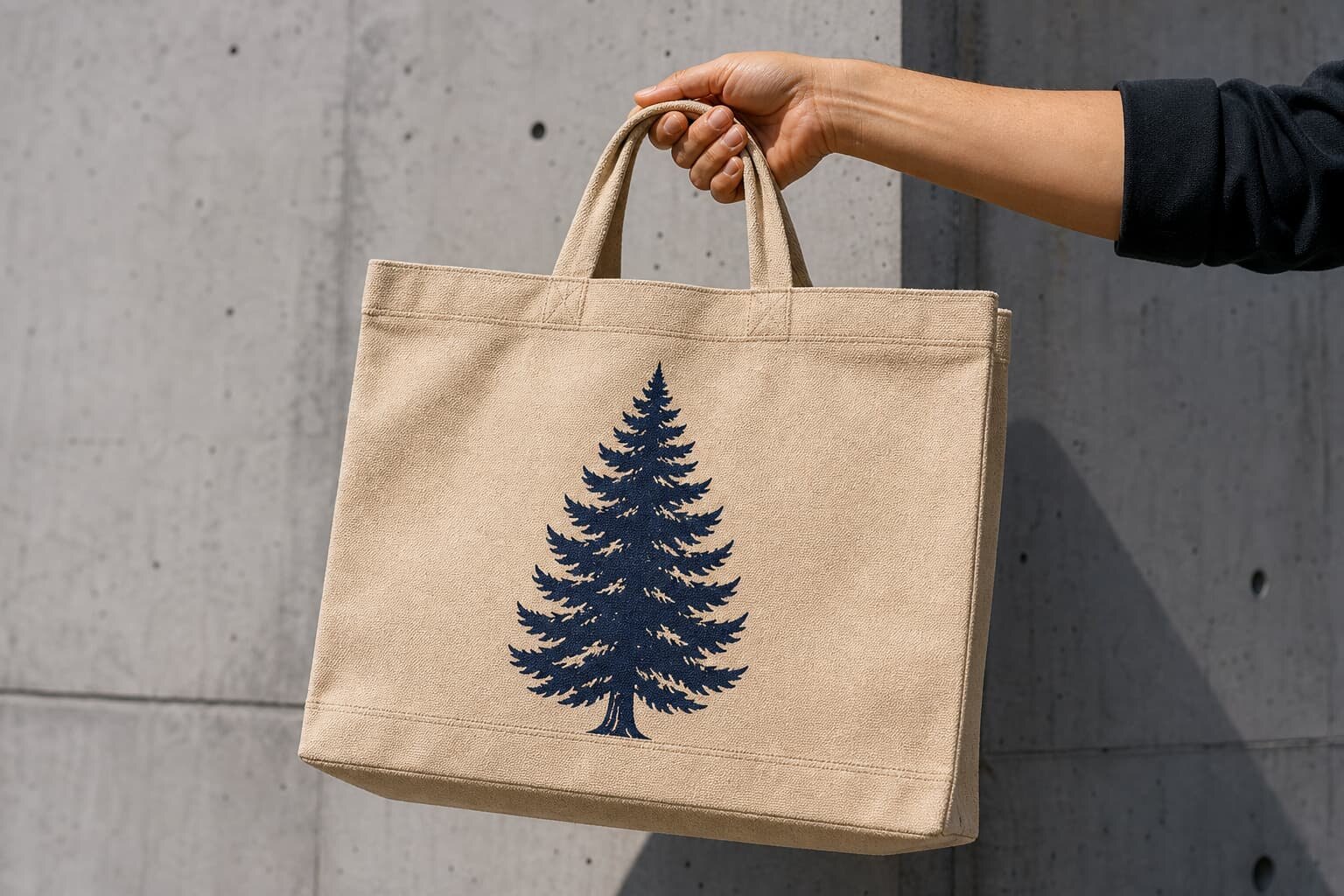
1. Start With the Reorder Problem, Not the Product Name
A canvas tote bag reorder goes wrong when the team buys from memory instead of from a locked spec. The same style name can hide major differences in fabric weight, wash finish, print method, handle build, and carton packing. Procurement teams often get a quote that looks competitive, then discover later that the supplier priced a lighter fabric, a smaller print area, or a simpler stitch package. The fix is to treat the reorder as a controlled specification review, not a routine restock.
For brand owners, importers, distributors, and retail buyers, the real question is whether the next batch will match the last approved version closely enough to sell or distribute without rework. If the bag is for promotions, trade events, retail, or gift-with-purchase programs, the reorder plan should protect consistency first and cost second. That means deciding which features are fixed, which can flex, and which should never be left to a factory assumption.
- Use the last approved sample as the master reference, not the old PO alone.
- Separate style identity from production details such as GSM, print, and pack-out.
- Write down the one or two quality risks that caused the last supplier dispute, then build checks around them.
2. Lock the Canvas Spec Before You Ask for Price
Canvas tote bags are usually quoted by a mix of fabric weight, bag size, stitch complexity, and decoration. If any one of those is vague, every supplier will fill the gap differently. One factory may quote 10 oz canvas in a loose weave; another may quote 12 oz with tighter construction and still appear only slightly higher. That is why buyers should ask for the fabric spec in a way that can be compared line by line, not just as a style name.
The useful spec set is simple: finished size, fabric weight, fabric composition, wash or dye treatment, handle length and width, seam type, and print or label method. For standard promotional bags, 10 oz to 12 oz often works when the bag only needs to carry light materials. For stronger retail or reuse programs, 12 oz to 14 oz gives better body and a more substantial print surface. Heavy-duty or premium programs may go higher, but the added weight should be tied to an actual use case, not habit.
- Ask for finished fabric weight in oz or GSM, and clarify whether the number is before or after finishing.
- Confirm if the bag is natural, bleached, dyed, enzyme-washed, or pre-shrunk.
- Require a dimension sheet with tolerance for body width, height, gusset if any, and handle dimensions.
3. Compare Fabric Weight by Use Case, Not by Marketing Language
Fabric weight drives price, feel, print quality, and durability, so it should be one of the first reorder decisions. A lighter canvas can work well for event giveaways and fast-turn promotions, but it may look limp in retail display and can distort larger prints. A heavier canvas gives a better hand and a cleaner print face, yet it also increases sewing effort, shipping weight, and sometimes MOQ pressure if the factory needs a dedicated fabric lot.
The right answer is to match fabric weight to the way the customer will actually use the bag. If the tote is for books, laptops, or repeat grocery use, the fabric should carry weight without stretching the handles or distorting the side seams. If it is for a low-cost campaign, a mid-weight body with reinforced handles may outperform a heavier but poorly stitched bag. Buyers should judge the entire construction, not the fabric number alone.
- 10 oz to 12 oz: lower-cost promotions, lighter carry loads, and high-volume giveaway programs.
- 12 oz to 14 oz: retail-ready, better shape retention, and more dependable print presentation.
- Above 14 oz: premium or heavy-use bags, but only if sewing, thread, and packing are equally upgraded.
4. Choose the Print Method That Matches the Order Pattern
Print choice affects not only appearance but also setup cost, lead time, and reorder flexibility. Silk screen remains the standard for simple logos and strong color blocks because it is efficient once the screen is made. It is usually the cleanest option when the artwork is one to three colors and the same design will repeat across a meaningful quantity. The main buyer advantage is cost control at scale, provided the artwork is stable and the print area does not change.
Heat transfer, digital print, and other short-run methods have a place when the order is smaller, artwork changes often, or the design uses a lot of color detail. They can reduce setup friction, but buyers should watch for hand feel, durability, and wash or rub resistance if the bag will be handled often. If a supplier is quoting a print method that sounds flexible but the sample looks soft, glossy, or fragile, ask how the print will age in storage and use.
- Silk screen: best for simple logos, repeat orders, and predictable color control.
- Heat transfer: useful for short runs or variable art, but verify durability and edge lifting.
- Embroidery or woven label: useful when the brand wants a premium signal without large ink coverage.
5. Use MOQ Logic to Protect Reorder Economics
MOQ is rarely one number. For canvas tote bags, it can change by fabric color, print color, handle type, label type, and whether the factory can combine production with another order. A buyer who only asks for the headline MOQ may miss the real cost drivers. The cleaner approach is to ask the supplier to break MOQ into fabric procurement, cutting, print setup, and finishing constraints. That tells procurement whether the quote is genuinely scalable or only attractive at one exact quantity.
For repeat programs, the best reorder structure often starts with a stable base bag and changes only the artwork or label. That way the same cutting markers, sewing instructions, and carton logic can be reused. If the brand expects quarterly or seasonal drops, the supplier should know whether each version is a separate SKU or whether multiple artwork versions can run from one shared body spec. This can make the difference between a workable reorder plan and a warehouse full of nearly identical bags that cannot be replenished efficiently.
- Request MOQ by size, color, artwork version, and total order quantity.
- Ask whether the supplier can combine different print versions under one fabric lot.
- Check whether a lower MOQ comes with higher unit pricing, longer lead time, or limited color options.
6. Sample Checks Should Prove the Factory Can Repeat the Spec
A good sample is not only a nice-looking bag. It is proof that the factory can repeat the construction under production conditions. For a canvas tote bag reorder, the pre-production sample should show the real fabric weight, the exact handle build, the real print method, and the true label or trim placement. A hand-built sales sample made from premium stock fabric can hide the very problems that show up in bulk production, so procurement teams should insist on a sample path that reflects the actual order.
The sample review should also cover practical use: does the bag stand up well, does the bottom sit flat, does the handle pull the side seam, and does the print remain clean when the fabric folds? Buyers should measure the sample, inspect thread trim, check odor, and compare the inside and outside finish against the approved reference. If the sample varies from the spec sheet in more than a small way, fix it before placing the bulk order.
- Measure the sample against the spec sheet, not against a visual memory.
- Check print placement, logo scale, and color match under normal light.
- Test the handles with a practical load that reflects the final use case.
7. Packing and Carton Data Matter More Than Many Buyers Think
Packing is where good bags quietly become bad inbound receipts. If the carton count is wrong, the warehouse has to recount. If the bags are stuffed too tightly, the canvas creases deeply or the print scuffs. If inner packs are not moisture-protected when needed, natural fiber bags can pick up odor or a damp feel in transit. For procurement, packing is not a last-minute logistics note; it is part of the product spec.
Ask the factory to quote inner pack count, master carton count, carton dimensions, gross weight, and any polybag or moisture barrier rules. This helps freight planning, storage allocation, and retailer receiving. It also helps compare suppliers more honestly, because a lower product price can disappear once the carton density is poor or the export packing is weak. A sturdy, well-packed bag often saves more money downstream than a small unit price difference at source.
- Confirm whether the bags are folded the same way in every carton.
- Check whether carton marks match SKU, color, size, and PO language.
- Ask for carton drop resistance expectations if the order is large or export-heavy.
8. Lead Time Should Be Built Backward From the Reorder Date
A realistic lead time for canvas tote bags usually includes fabric booking, cutting, printing, sewing, finishing, packing, and final inspection. If the fabric is in stock and the artwork is already approved, the order can move quickly. If the supplier needs to source a specific canvas shade, make screens, or revise packing, the schedule expands fast. Procurement teams should not accept a single lead-time number without understanding what is already available and what still needs approval.
For repeat orders, the cleaner question is not just “how long will production take?” but “what must be frozen before the clock starts?” If the factory will not begin until sample approval, artwork confirmation, deposit receipt, and carton artwork are all complete, that should be stated in the quote. Then the buyer can plan reorder windows with less drama and fewer partial promises. When a business depends on seasonal delivery, the reorder plan should include a buffer for fabric delays, color matching, and inspection correction.
- Split lead time into sample, production, inspection, and export stages.
- Ask what happens to the schedule if artwork changes after approval.
- Build a buffer when the order depends on dyed canvas or imported trim.
9. Read Supplier Quotes as a Cost Breakdown, Not a Single Number
A useful quote shows where money is going. The factory should separate fabric cost, printing, sewing labor, trim or label cost, packing, and any setup or sampling charges. Once those lines are visible, procurement can see whether a higher unit price comes from better material, more complex construction, or simply a different margin strategy. Without that structure, buyers can only compare numbers that may hide entirely different product scopes.
This is especially important for reorder planning because buyers often want to know whether the next run can be cheaper, faster, or more consistent than the first one. If the first order paid for tooling or screens, the repeat quote should state whether those charges remain or drop away. If the supplier proposes a different canvas weight or pack count to reach a target price, that should be visible immediately. A serious reorder quote helps the buyer defend the decision internally.
- Ask for fabric, sewing, print, trim, packing, and setup lines separately.
- Confirm whether screen or plate charges are one-time or recurring.
- Request pricing at more than one quantity so you can see the breakpoints.
10. Put the Acceptance Rules in Writing Before You Release the PO
The easiest way to avoid a dispute is to state what acceptable product looks like before production starts. For canvas tote bags, acceptance rules should cover size tolerance, fabric weight tolerance, print position, stitch quality, odor, color consistency, label placement, and carton count. These do not need to be over-engineered, but they do need to be specific enough that a warehouse receiver and a factory QC team would reach the same conclusion.
For a reorder, the acceptance standard should usually tie back to the approved pre-production sample and one clear production tolerance. Do not rely on vague wording such as “good quality” or “same as previous.” Put the measurable items in the PO or spec appendix. That gives procurement a cleaner basis for inspection, supplier correction, and final release. It also makes future reorders easier because the reference point stays anchored to a known standard rather than a memory.
- Tie acceptance to the approved sample, not to verbal agreement.
- Include measurement tolerances, color tolerance, and stitch defect limits.
- State what requires rework, what can be accepted with allowance, and what is a reject.
Specification comparison for buyers
| Spec decision | Recommended option | When it fits | Buyer risk to check |
|---|---|---|---|
| Fabric weight | 12 oz to 14 oz canvas | Retail resale, brand merch, and repeat-use bags that need body and print stability | Ask whether the supplier quotes finished fabric weight or greige weight, and confirm shrinkage after washing or steam pressing |
| Print method | Silk screen for simple logos; heat transfer or digital print for multi-color short runs | Simple 1 to 3 color branding, or a small first order with many SKUs | Check color count, print size, ink hand feel, curing method, and whether print cracking is covered by the supplier standard |
| Handle construction | Reinforced self-fabric or webbing handles with bar-tack or box stitch | Carry bags expected to hold books, groceries, or trade show giveaways | Confirm handle length, stitch density, and seam allowance; weak handles are the fastest complaint trigger |
| Closure and lining | Open top for standard promo use; zip or lining only when product positioning justifies it | Fast-moving retail or event programs where unit cost matters | Do not pay for lining or zips unless the end user needs them; they add labor, inspection points, and lead time |
| MOQ logic | Separate MOQ by fabric color, print color, and trim setup | Programs with a stable core style but variable artwork or seasonal drops | Make sure the factory states whether MOQ is by size, color, or order total, not just one headline number |
| Packing | Bulk packed in cartons with clear inner count and moisture protection as needed | Wholesale replenishment, warehouse receiving, and export consolidation | Check carton count, carton strength, polybag rules, and whether master carton marks match the purchase order |
Buyer checklist before sampling
- Confirm finished size, fabric weight, handle length, seam allowance, and whether the bag is washed, dyed, or natural canvas.
- Lock the print method, artwork size, number of colors, and exact placement before asking for final pricing.
- Ask for MOQ by size, color, print color, and total order value so you can see what really drives the quote.
- Request pre-production sample photos or a physical sample with the real fabric, handle build, print method, and label placement.
- Specify packing count per inner pack and master carton, plus carton dimensions and gross weight for freight planning.
- Set acceptance criteria for print alignment, stitch quality, stain level, measurement tolerance, and odor or moisture issues.
Factory quote questions to send
- Is your quote based on finished fabric weight or raw fabric weight, and what tolerance do you allow on the final bag GSM or ounce count?
- Which print method are you pricing, how many colors are included, and what is the charge for extra colors, screens, or setup?
- What is the MOQ by size, color, and artwork version, and can different print versions share the same fabric lot?
- What sample stage do you offer before bulk production, and will the sample use the same fabric, thread, print ink, and label type?
- How are the bags packed, how many pieces per carton, and what are the carton dimensions and gross weight?
- What is your standard lead time after sample approval, and what factors can extend it during busy periods or fabric shortages?
- Which inspection points do you check before shipment, and do you share a final QC report with measurement and defect data?
Quality-control points to confirm
- Fabric weight and hand feel match the approved sample, with no thin spots, inconsistent weave, or visible slubs beyond agreed tolerance.
- Bag dimensions, handle length, and seam allowance stay within the agreed measurement tolerance after cutting and finishing.
- Print is aligned, fully cured, and free from ghosting, pinholes, serious color shift, or cracking on normal flexing.
- Handles, side seams, and bottom seams pass a practical load check and show no skipped stitches, loose thread, or weak bar-tacks.
- Carton count, carton marks, inner packing, and polybag or moisture protection match the purchase order and shipping plan.
- Random inspection covers color consistency, odor, dust, oil marks, and label placement across multiple cartons, not only first-piece samples.