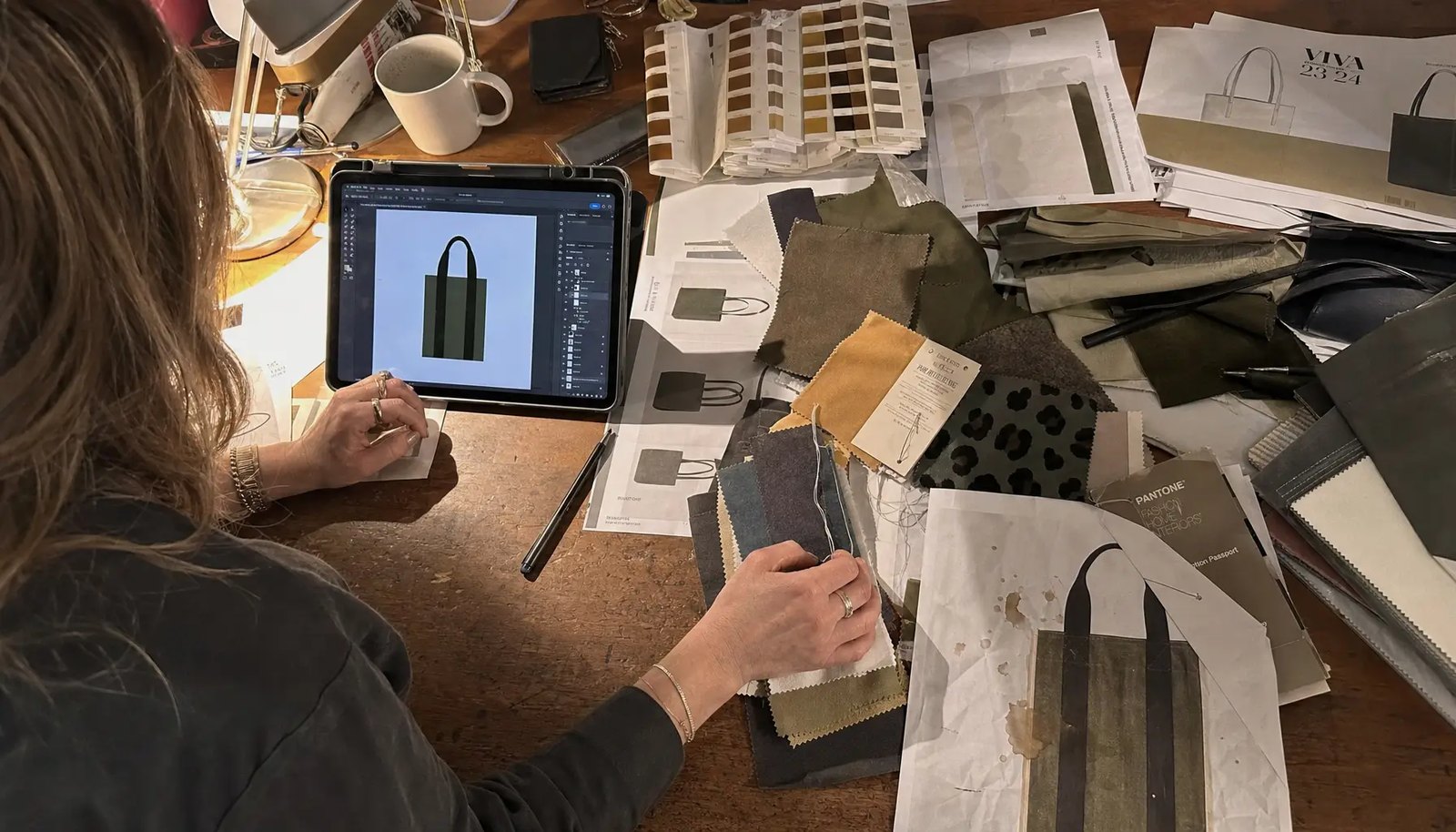
Define the Hotel Use Before Asking for Price
A canvas tote for a hotel boutique is not the same purchase as a generic promotional bag. It may be sold next to robes, candles, spa products, resort apparel, local food gifts, books, or destination souvenirs. Guests handle it in a retail setting, compare it with other merchandise, and often reuse it in public. That means the buyer should start the RFQ with the tote’s role, not just a logo file and quantity.
The intended use drives the specification. A resale tote needs cleaner stitching, a better fold, consistent logo placement, barcode workflow, and packaging that keeps natural canvas clean. A welcome amenity tote may need fast room-drop handling and reliable delivery before a property opening. A spa purchase bag may need a gusset for boxed products and fabric that hides handling marks. A conference tote may be driven by deadline, quantity, and carton routing more than retail presentation.
State whether the bag is a revenue item, guest-experience item, or operational packaging item. This helps suppliers quote the right construction and prevents mismatched assumptions. Paying for hangtags and individual bags may be unnecessary for back-of-house use; omitting them may create work for a boutique team that needs retail-ready inventory.
- Retail resale: require clean folding, consistent presentation, barcode or price-label support, and stricter visual QC.
- Welcome amenity: prioritize delivery timing, handle strength, bulk-pack efficiency, and guest-ready appearance.
- Spa or pool retail: consider a gusset, darker fabric option, washable finish, and print placement away from high-rub areas.
- Event or wedding block: lock sample approval dates, ship-ready date, and property delivery deadline early.
- Multi-property program: define artwork versions, carton marks, property allocation, and split-shipment instructions.
Lock the Canvas Specification, Not Just the Word Canvas
The word canvas is too broad for procurement. One supplier may quote a light promotional cloth, another may quote a denser retail canvas, and a third may include washing or dyeing that changes the final handfeel. A comparable quote needs fiber content, fabric weight in oz and GSM, weave, color, and finishing status.
For many hotel boutique programs, 10 oz to 12 oz cotton canvas, roughly 280 to 340 GSM as an example range, gives a substantial feel without excessive carton bulk. Lighter 6 oz to 8 oz canvas can work for events or short-term gifts, while 14 oz and heavier canvas may suit premium merchandise but will affect cost, stiffness, sewing, carton weight, and freight. These are procurement examples, not universal hotel standards. The right weight depends on the tote size, merchandise load, retail positioning, and delivery budget.
Ask whether the stated weight is before or after dyeing, washing, or finishing. Natural cotton canvas may show specks and slubs, which can be acceptable for a relaxed hospitality look, but the front logo area should still be controlled. If a hotel brand has strict color standards, separate the fabric color approval from print ink approval and allow time for lab dips.
- Natural canvas: efficient and common for hospitality, but define acceptable specks, slubs, and shade variation.
- Bleached or off-white canvas: cleaner retail look, but confirm yellowing risk, storage cleanliness, and print contrast.
- Black canvas: strong retail style, but check lint visibility and light ink opacity.
- Stock dyed canvas: faster than custom dye when available, but confirm reorder consistency.
- Custom dyed canvas: useful for brand programs, but quote MOQ, lab dips, shade tolerance, and extra timeline.
Size the Tote Around Actual Merchandise
Digital mockups often make tote proportions look correct, but procurement should build the size around what guests will carry. List the real contents: a folded T-shirt, robe, boxed candle, spa kit, bottle, guidebook, packaged snacks, slippers, or amenity bundle. The tote should fit those items without collapsing, overstuffing, or looking oversized on a boutique shelf.
A medium tote around 38 x 40 cm with an 8 to 10 cm bottom gusset is a common example for hotel boutique merchandise, but it is not a default rule. Flat totes can work for papers, apparel, and light gifts. Gusseted totes are usually better for boxed products, spa retail, and gift bundles because they create depth and improve packing. The gusset also changes fabric usage, folding, carton volume, and logo placement.
Use finished dimensions in the quote and purchase order. Canvas can shift during cutting, sewing, pressing, washing, and packing. If the bag must fit a shelf fixture, room amenity tray, gift box, display hook, or retail storage bin, tell the supplier before sampling. A one-centimeter difference may not matter for casual use but can matter in a planned merchandising setup.
- Quote width, height, bottom gusset, top opening, handle drop, and finished measurement tolerance.
- Confirm whether the logo is centered on the flat panel or visually centered after the gusset is formed.
- Check that the top opening is wide enough for staff to pack merchandise quickly.
- For bottles or heavy boxed products, specify base structure and handle-strength expectations.
- For room placement, test the sample with the actual amenity setup, not an empty bag only.
Specify Handles for Comfort and Failure Prevention
Handles are a design feature and a common failure point. Guests may carry the tote from the boutique to the room, then later to the beach, airport, gym, or local market. If the handle twists, feels narrow, or pulls loose, the whole product feels underbuilt even when the canvas is good.
The RFQ should state handle material, width, finished length, drop, attachment size, and reinforcement method. Self-fabric handles usually create a cohesive hotel boutique look because they match the body fabric. Cotton webbing handles can be efficient and consistent, but the shade and texture may differ from the tote body. Neither option is automatically better; the choice should fit the brand look, expected load, and price target.
Do not rely on a photo alone to define handle reinforcement. Ask whether the base quote includes cross-stitching, box stitching, bar tack, or another method. For resale or spa totes, request a practical pull or load test aligned with expected use. The goal is not to over-engineer the bag, but to prevent avoidable failures in guest hands.
- Short handles: tidy for retail display, but less useful for shopping and travel.
- Shoulder handles: more guest-friendly, but the drop must suit the bag size and display style.
- Self-fabric handles: cohesive appearance, with more bulk at attachment points.
- Webbing handles: consistent width and efficient sewing; confirm color, edge feel, and texture.
- QC check: reject popped stitches, uneven attachments, loose handle ends, or tearing at the top hem.
Choose Decoration by Artwork, Not Habit
Most hotel boutique totes use restrained artwork: a property name, monogram, destination line drawing, resort mark, or sub-brand logo. Screen printing is often practical for one to three solid colors because it offers reliable bulk cost and good coverage. It still needs testing. Thin serif type, small reversed letters, pale ink on natural canvas, and distressed artwork can lose clarity on textured cotton.
Send editable vector artwork, Pantone references, print dimensions, placement from top and side edges, and instructions for front, back, or side print. Ask the supplier to confirm minimum line thickness, smallest readable text height, maximum print area, and expected opacity. A print strike-off on the selected canvas is worth approving before bulk production, especially for retail resale.
Other decoration methods can be right for the design. Woven labels work well for understated branding or a minimal front panel. Embroidery can feel premium for a small mark, but may pucker lighter canvas and becomes costly for large art. Heat transfer can support multi-color artwork, but buyers should check handfeel, edge durability, and whether the finish looks too glossy for the hotel’s retail style.
- Screen print: quote setup charges, number of colors, strike-off timing, and placement tolerance.
- Woven label: quote label MOQ, artwork approval, sewing position, and color matching.
- Embroidery: quote stitch count, size limits, backing, and puckering risk.
- Heat transfer: confirm handfeel, edge finish, wash resistance, and appearance on textured canvas.
- All methods: approve a physical sample before using the decoration as the production standard.
Compare MOQ, Price Breaks, and Reorder Risk
MOQ is tied to fabric availability, cutting efficiency, print setup, labor, trims, packing, and production scheduling. A natural canvas tote with one-color print can often be quoted at a lower MOQ than a custom dyed tote with woven labels, hangtags, barcode stickers, and property-specific cartons. If the specification stays complex while the order quantity falls, the unit price may rise because fixed setup work is spread over fewer bags.
Ask for tiered quotes only after the specification is locked. A 500-piece bulk-packed quote should not be compared with a 3000-piece quote that includes individual bags, hangtags, paper bands, and split cartons. Request the same fabric, size, handle, print, trims, packing, and Incoterm at several quantities, such as 300, 500, 1000, 3000, and 5000 pieces, where relevant.
Reorder control should be discussed during the first order. Hotel boutiques often test a product at one property before expanding. Keep the approved fabric swatch, artwork, strike-off, pre-production sample, carton plan, and production notes together. Ask how long the factory keeps screens, patterns, label references, and material records. Without that documentation, the reorder can drift in shade, size, logo position, or handle construction.
- Stock natural canvas usually supports faster sampling and lower MOQ than custom dyed canvas.
- Multiple print colors raise setup cost even when the bag quantity is modest.
- Retail packing and barcode work add manual labor, especially at low quantities.
- Custom labels may have their own MOQ separate from the tote MOQ.
- For reorders, reference the sealed sample and spec version, not only the previous invoice.
Build a Quote Sheet That Shows Landed Cost
A useful bulk quote is more than a unit price. It should show the specification basis, quantity tiers, MOQ, sample charges, setup charges, packing method, carton quantity, carton dimensions, gross weight, net weight, CBM, payment terms, Incoterm, lead time, and quote validity. The lowest factory price may not be the lowest landed cost once packing, freight, duty, storage, and local handling are included.
Incoterms must be compared correctly. EXW may exclude export handling and inland movement. FOB generally places more responsibility on the supplier up to the named port, but import freight and destination costs remain outside the product price. CIF includes main carriage to a named destination port but not necessarily duty, clearance, or final delivery. DDP may be simplest for hotel teams if offered, but buyers should still confirm what duties, taxes, delivery limits, and exceptions are included.
Carton data matters for canvas totes because fabric weight and packing method change freight. As a simple planning example, if a carton is 50 x 40 x 35 cm, its volume is 0.07 CBM. If it holds 50 totes, 1,000 totes would require about 20 cartons and roughly 1.4 CBM before palletizing or carrier rounding. Actual carton size, compression, packing method, and gross weight must be supplied by the factory, but this type of estimate helps buyers compare freight impact before approval.
- Separate unit price from sample, lab dip, strike-off, screen, label, barcode, packing, and documentation charges.
- Request bags per carton, carton dimensions, gross weight, net weight, and estimated CBM.
- Clarify EXW, FOB, CIF, DDP, or other Incoterm with the named place or port.
- Ask whether duty, import clearance, destination handling, and local delivery are included or excluded.
- For retail programs, include barcode creation, barcode placement, scan testing, price labels, and carton receiving labels in the workflow.
Approve Samples in a Risk-Control Sequence
Sampling should reduce risk step by step. Start with a fabric swatch to confirm weight, weave, shade, handfeel, finishing, odor, and natural cotton character. If custom color is required, approve lab dips before bulk fabric is ordered. Then approve a print strike-off to confirm ink color, opacity, line detail, scale, and print surface behavior on the selected canvas.
A digital mockup is useful for layout discussion, but it cannot replace a physical sample. It will not show how ink sits on textured cotton, how the gusset changes logo position, how bulky the top hem feels, whether the tote stands with merchandise inside, or whether the handle drop is comfortable. The pre-production sample should show actual fabric, decoration, handles, stitching, trims, labels, packing, and carton-label approach when those elements are part of the order.
Once approved, the sample becomes the control standard. Mark it with date, version, artwork file, fabric reference, and purchase order reference. If a hotel group has several stakeholders, avoid approving separate details across scattered email threads. Consolidate the final standard into one spec sheet so the factory, buyer, and inspector are checking against the same product.
- Swatch: approve GSM, weight, weave, shade, specks, handfeel, finishing, and odor.
- Lab dip: approve custom fabric color under agreed lighting before bulk fabric purchase.
- Strike-off: approve print color, opacity, fine detail, logo size, and placement direction.
- Pre-production sample: approve finished size, gusset, handles, stitching, trims, labels, and packing.
- Sealed sample: retain as the inspection and reorder standard.
Set QC Standards Before Production Starts
Quality control should be agreed before bulk sewing, not negotiated after defects appear. Hotel boutique totes usually need a cleaner visual standard than general promotional bags because they may be sold at retail or placed in guest rooms as part of the property experience. The QC plan should cover fabric defects, shade consistency, dimensions, sewing, handle strength, print accuracy, cleanliness, odor, retail elements, packing, and carton condition.
Defect classification prevents arguments. Critical defects include wrong artwork, wrong material, unsafe contamination, strong mildew odor, missing handles, or construction that makes the tote unusable. Major defects include open seams, weak handle attachment, visible stains on the front panel, serious shade mismatch, distorted logo, missing retail trims, wrong barcode, or wrong carton allocation. Minor defects may include small loose threads or slight measurement variation inside tolerance.
Inspection timing should match risk. Final inspection is most useful after packing is complete but before shipment release because the inspector can verify both product and carton execution. For higher-risk programs, such as custom dyed fabric, multiple artwork versions, or tight launch dates, consider an in-line check after cutting or early sewing so problems are caught before the full quantity is complete.
- Use the approved sample, spec sheet, artwork file, and packing plan as inspection references.
- Check body size, gusset, handle width, handle drop, and print placement against tolerances.
- Reject oil stains, mildew odor, dirty handling, wrong shade direction, and poor logo opacity.
- Scan test barcodes if retail labels are required.
- Verify carton quantity, carton marks, property allocation, and inner pack method before shipment release.
Plan Packing for Boutique Receiving and Retail Flow
Packing affects cost, sustainability, freight, receiving labor, and shelf presentation. A resale program may require individual polybags, paper bands, hangtags, barcode stickers, price labels, and clean folding. A room amenity program may prefer bulk packing to reduce waste and speed up housekeeping distribution. A multi-property order may require cartons separated by property, artwork version, language, or purchase order.
Individual polybags protect natural canvas during transit and storage, but they add plastic, labor, carton volume, and unpacking time. Paper bands can look more boutique-ready and reduce plastic, but they must be sized correctly and protected from crushing. Bulk packing is efficient but can create handling marks if cartons are opened repeatedly. The RFQ should state which trade-off matters most: retail cleanliness, plastic reduction, speed of unpacking, or lowest packing cost.
If the tote will be sold through hotel retail systems, define barcode workflow early. Decide who creates barcode numbers, where labels are placed, whether labels go on hangtags, paper bands, polybags, or the tote itself, and who verifies scanability. Also specify carton marks that help receiving teams route inventory quickly: property name, PO number, SKU, artwork version, quantity, carton count, and destination.
- Bulk pack: best for events, housekeeping distribution, and back-of-house use with less waste.
- Individual polybag: best for clean retail storage and separable inventory, but adds plastic and CBM.
- Paper band: good for boutique presentation; confirm band material, size, placement, and barcode area.
- Hangtag: useful for retail story, price, and SKU; approve string, pin, or attachment method.
- Split shipment: quote property routing, carton marks, picking labor, and mixed-artwork controls separately.
Specification comparison for buyers
| Option | Best hotel boutique use | Procurement advantage | Watch-outs to quote clearly |
|---|---|---|---|
| 8 oz canvas, approximately 230 GSM example | Event gift, light welcome amenity, short-term promotional use | Lower fabric cost, lower carton weight, easier for high-volume distribution | May feel too soft for retail resale; confirm opacity, shrinkage, and handle reinforcement |
| 10 oz canvas, approximately 280 GSM example | General boutique shopper, room amenity tote, spa purchase bag | Balanced handfeel, cost, storage volume, and print performance for many hotel programs | Define whether weight is before or after dyeing or washing; check natural specks on logo area |
| 12 oz canvas, approximately 340 GSM example | Retail resale tote, boxed spa products, books, resort merchandise | More structure and perceived value without moving into very heavy canvas | Higher unit cost and carton weight; confirm sewing quality at thick handle points |
| 14 oz and heavier canvas | Premium merchandise tote, limited retail collection, durable travel-style bag | Strong structure and durable feel for higher retail positioning | Bulkier cartons, higher freight impact, stiffer handfeel, and possible longer sewing lead time |
| Screen print | One- to three-color hotel logos, line art, property names, destination graphics | Reliable bulk cost, strong solid-color coverage, good for repeat programs | Quote screen/setup charges, strike-off timing, minimum line thickness, and Pantone tolerance |
| Woven label or side label | Understated luxury branding, minimal front panels, collection labels | Clean retail detail with less risk of large logo print variation | Label MOQ, label artwork approval, sewing placement, and color match must be specified |
| Individual polybag | Retail inventory, long storage, natural canvas protection, barcode workflow | Keeps bags clean and separable; supports scanning and shelf replenishment | Adds plastic, labor, carton volume, and unpacking time; confirm sustainability requirements |
| Paper band or belly band | Boutique display, gift presentation, reduced plastic approach | Creates retail-ready presentation and space for barcode or brand story | Bands can shift or crease; quote size, paper weight, placement, barcode scanability, and carton protection |
| Bulk pack | Room drops, housekeeping distribution, events, back-of-house purchase bags | Lower packing cost, less waste, faster unpacking for staff | Greater risk of handling marks; define carton liner, folding method, and carton quantity |
Buyer checklist before sampling
- Define the tote’s primary use: retail resale, welcome amenity, spa purchase bag, conference gift, wedding block gift, in-room merchandise, or multi-property boutique program.
- State the finished size in width, height, gusset depth, and top opening, with tolerances and the merchandise the tote must hold.
- Specify canvas by fiber content, weight in oz and GSM, weave, color, and finishing status; example ranges are useful, but the purchase order should state one locked specification.
- Confirm whether natural cotton specks, slubs, shade variation, or small weave irregularities are acceptable, especially on the front logo panel.
- Choose the color route: natural, bleached, black, stock dyed, or custom dyed, and state whether lab dips are required before sample approval.
- Send editable vector artwork with Pantone references, logo dimensions, placement from top and side edges, and front/back print instructions.
- Ask the supplier to confirm the correct decoration method, minimum line thickness, smallest readable text height, print area limits, and whether a strike-off is required.
- Specify handle material, width, finished length, drop, reinforcement method, and whether the tote must work for hand carry, shoulder carry, or both.
- List all trims and retail details: woven label, care label, hangtag, barcode sticker, price tag, paper band, branded insert, or property-specific carton mark.
- Request quantity-tier quotes against the same locked specification, including MOQ, sample fees, setup charges, packing cost, carton data, Incoterm, lead time, and quote validity.
Factory quote questions to send
- What exact canvas are you quoting, including fiber content, oz, GSM, weave, color, and whether the material is untreated, dyed, washed, or otherwise finished?
- Is the quoted canvas stock, made to order, or custom dyed, and how does that affect MOQ, lab dip timing, production lead time, and reorder availability?
- What finished measurement tolerances apply to body width, height, gusset, top opening, handle width, and handle drop?
- Which handle construction is included in the base price, and will the attachment use cross-stitching, box stitching, bar tack, or another reinforcement method?
- What practical load or pull test can you perform, what load and duration do you recommend, and will the test be documented before shipment?
- Which decoration method are you quoting for our artwork, and what are the limits for line thickness, small text, opacity, placement tolerance, and maximum print area?
- Are screen charges, film charges, print setup, strike-off fees, lab dip fees, sample fees, label fees, barcode labor, and courier charges included or separate?
- Can you quote the same locked specification at 300, 500, 1000, 3000, and 5000 pieces, and show the MOQ difference for natural, stock dyed, and custom dyed fabric?
- What packing method is included, how many bags are packed per inner pack and master carton, and what are the estimated carton dimensions, net weight, gross weight, and CBM?
- Can you support barcode labels, hangtags, paper bands, property-specific carton marks, split shipments, or mixed artwork versions, and what cost or lead time changes apply?
Quality-control points to confirm
- Fabric handfeel, weight, weave, and color should match the approved swatch or lab dip; reject obvious shade bands, oil stains, mildew odor, water marks, excessive slubs beyond the approved character, or inconsistent finishing.
- Finished dimensions should remain within agreed tolerances, such as a stated tolerance for width, height, gusset, handle width, and handle drop; use finished bag measurements, not pattern dimensions.
- Handle attachment should pass the agreed practical pull or load test, with no popped stitches, top-hem tearing, loose bar tacks, or visible deformation after testing.
- Print color should match the approved strike-off under consistent lighting, allowing realistic tolerance for ink on natural cotton but rejecting wrong color direction, poor opacity, bleeding, missing areas, or large lot-to-lot variation.
- Logo size and placement should match the approved sample, stay within the agreed tolerance, and avoid unintended distortion across seams, folds, or gusset edges.
- Sewing should be suitable for retail display, with no open seams, skipped stitches, thread nests, loose handle ends, raw edges where overlocking was specified, or uneven top hems that change the silhouette.
- Interior finishing should match the quoted construction, including overlocked seams, bound seams, pocket, care label, or no-label specification; linting raw edges are a defect if not approved.
- Bags should be clean, dry, and free of strong chemical odor, mildew odor, loose fibers, dust, dirty fingerprints, insects, or packing debris before carton closure.
- Retail elements should be correct and consistent, including hangtags, barcode labels, paper bands, woven labels, care labels, price tags, branded inserts, and property-specific marks where required.
- Cartons should match the approved packing plan, with correct quantity, carton strength, inner pack method, carton marks, barcode labels if required, dry condition, and no mixed-property packing unless approved.